The First Trick You Want to Teach Your Cat: A Simple, Fun Guide
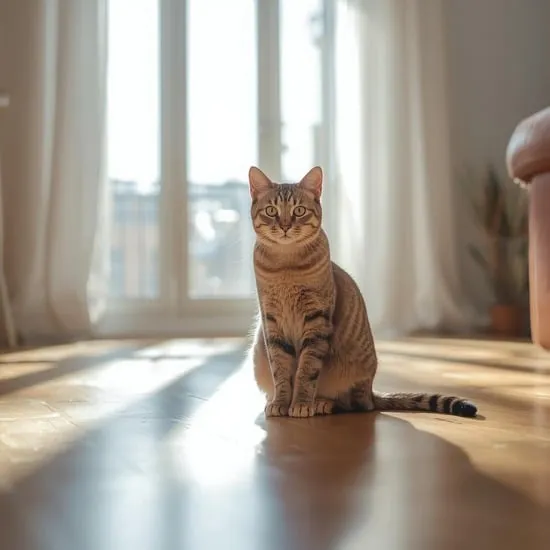
Ever watched a dog do a perfect “sit” and wondered if you could teach your cat something similar? You absolutely can! Training your cat isn’t just for show—it’s a fantastic way to strengthen your bond, provide mental stimulation, and even manage some of their natural behaviors in a positive way.
The key is to start with something simple, rewarding, and stress-free for both of you. Forget the idea of a stubborn cat; think of it as a clever puzzle-solving partner who works for treats. The right first trick sets the stage for a lifetime of fun communication.
So, where do you begin? The best first trick is one that feels natural, uses your cat’s own instincts, and ends with a happy, treat-munching feline. Let’s dive into the perfect starting point and other brilliant beginner ideas.
1. The Classic “Sit” – Your Foundation Trick
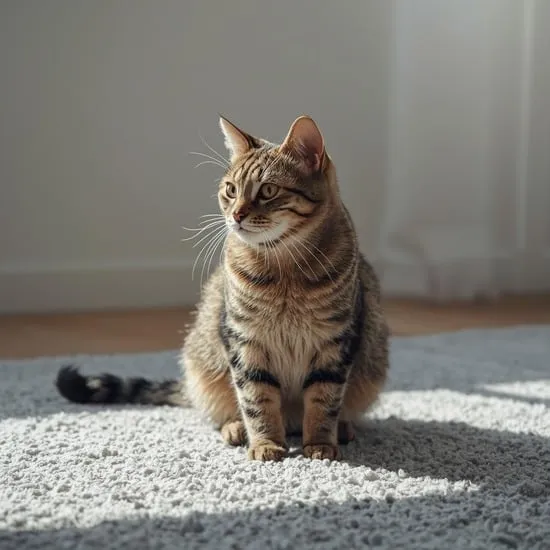
This is my top recommendation for a first trick. “Sit” is practical, easy to shape, and forms the basis for many other commands. It’s all about capturing a moment your cat does naturally.
Hold a tasty treat near your cat’s nose, then slowly move it up and slightly back over their head. As their nose follows the treat, their bottom will naturally lower to the floor. The instant their rear touches down, say “Yes!” or click a clicker, and give them the treat.
Repeat this in short, 5-minute sessions. Soon, they’ll associate the action with the cue word “sit” and the delicious reward. It’s the gateway to a whole world of training!
2. “Touch” – A Game-Changing Communication Tool
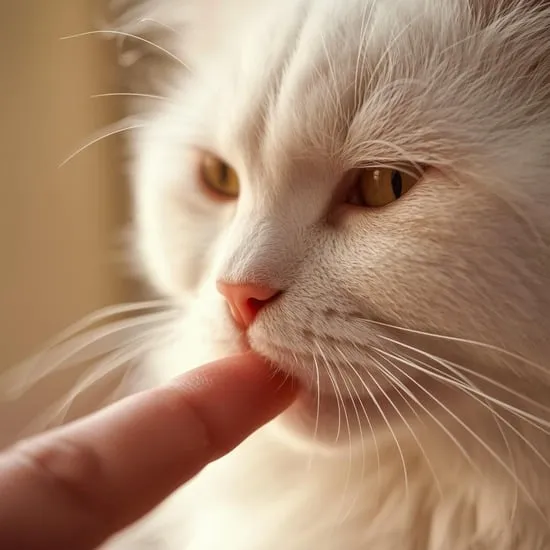
Teaching your cat to touch their nose to your fingertip or a target stick is incredibly versatile. It’s how I guide my cat to go to a specific spot, like their carrier or a scratching post, without any fuss.
Present your finger or a chopstick (your target) just an inch from their nose. Most cats will sniff it out of curiosity. The moment they make contact, mark it with a “Yes!” and reward. Gradually, you can ask them to follow the target further.
This trick builds confidence and gives you a gentle, positive way to direct their movement. It’s one of the most useful skills in our training toolkit.
3. “Come When Called” – For Safety & Snuggles
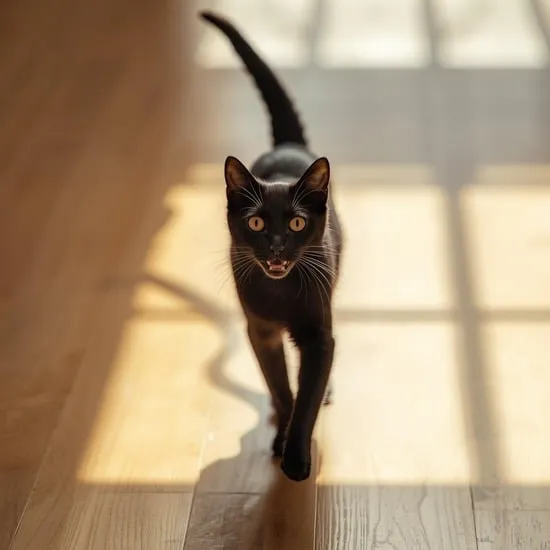
This isn’t just a party trick; it’s a safety essential. I love being able to call my cat for meals, playtime, or just to check on them. Start by making the cue word—like their name or “come!”—synonymous with amazing things.
Say their cue in a happy voice when you’re about to give them a meal or a favorite treat. When they arrive, celebrate! You can also shake a treat bag. Practice from short distances inside your home.
Never use the “come” cue for anything negative (like a bath or medicine). You want them to always think running to you is the best idea ever.
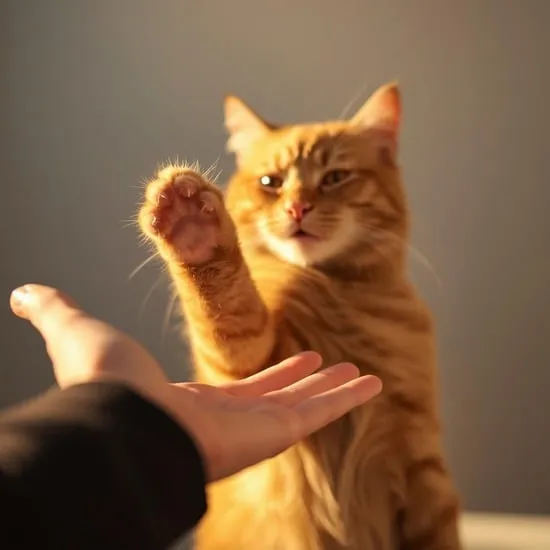
4. “High Five” – The Ultimate Crowd-Pleaser
This trick is pure fun and so satisfying to achieve. It builds on the natural pawing behavior many cats already show. I started by encouraging my cat to reach for a treat held just above their head.
Hold a treat in a closed fist just above paw-level. Your cat will likely paw at your hand to get it. The instant their paw touches your hand, open it, say “Yes!” and give them the treat.
Once they’re reliably pawing, introduce your open palm and the verbal cue “high five!” It’s a adorable way to interact and show off their smarts.
5. “Spin” – A Whirl of Fun
This is a dynamic, engaging trick that burns a little energy. Using a treat as a lure, guide your cat in a full circle. I hold the treat near their nose and slowly move it in the direction I want them to turn.
Follow the treat with their nose, their body will naturally follow. As they complete the circle, mark and reward! You can teach both “spin left” and “spin right” with different hand motions.
Keep it light and playful. If they get frustrated, go back a step. This trick is all about fluid movement and joy.
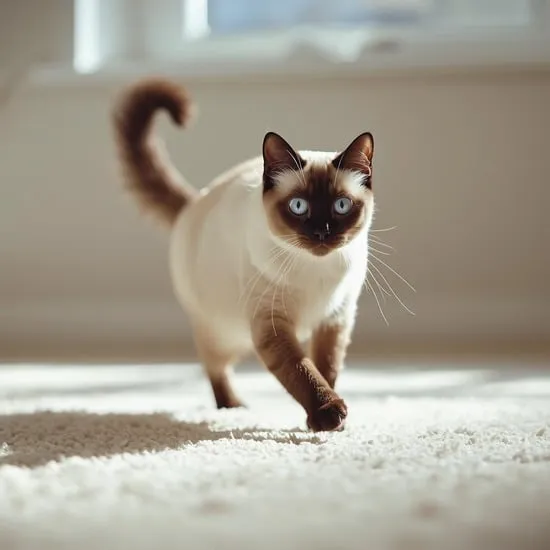
6. “Go to Your Mat” – For Calm Moments
This trick is a lifesaver when you need your cat to settle in one place, like during dinner or when guests arrive. I started by placing a comfy mat or bed on the floor and rewarding any interaction with it.
Toss a treat onto the mat. When they step on it to eat, mark that moment. Gradually, only reward when all four paws are on the mat. Then, add the cue “go to your mat” as you point to it.
It teaches an “off switch” and gives them a safe, designated spot that’s always associated with good things.
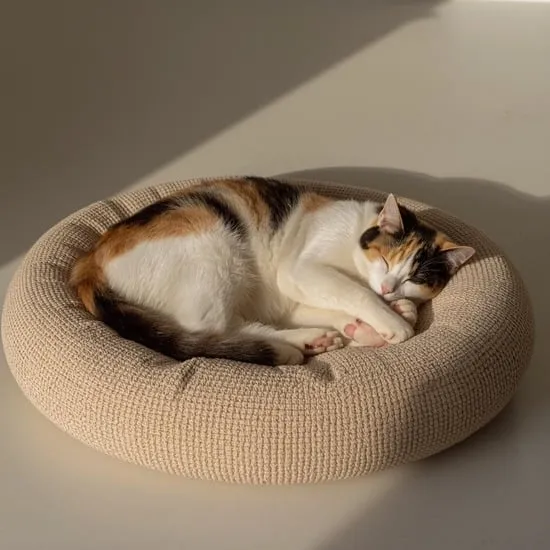
7. “Fetch” – Yes, Cats Can Do It Too!
Many cats love to chase and carry small toys. If yours brings you toys already, you’re halfway there! I capitalized on this by rewarding my cat every time she brought a toy near me.
Start by rolling a lightweight toy (like a crinkle ball). When they chase and pick it up, encourage them back to you with a treat. When they drop it near you, reward lavishly.
It might not be as consistent as a dog’s fetch, but it’s a thrilling game that taps into their hunting sequence. Celebrate every attempt!
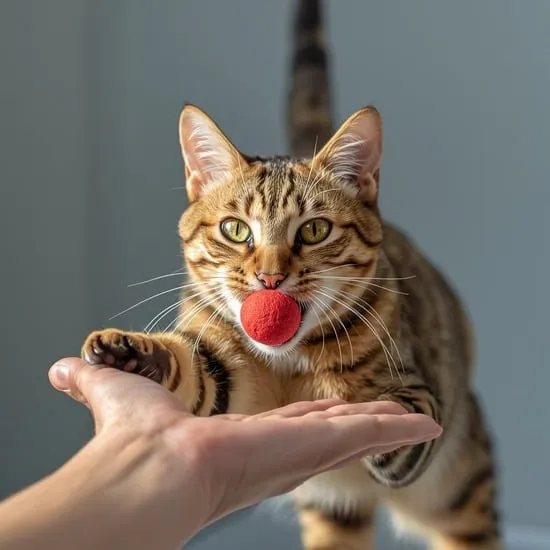
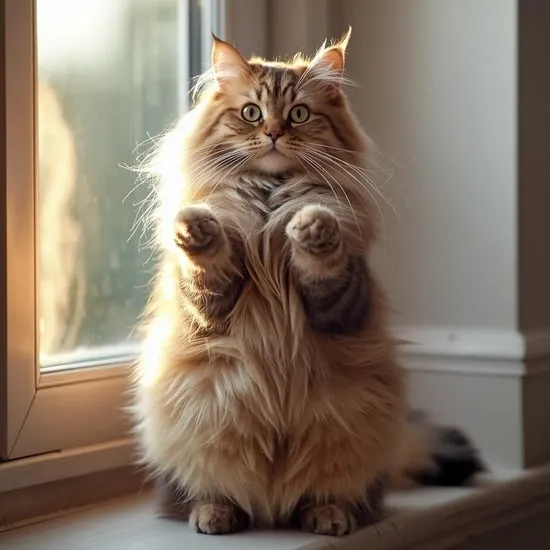
8. “Sit Pretty” or “Beg” – For the Camera
This adorable trick involves your cat balancing on their hind legs. It requires a bit more core strength, so be patient. I lured my cat upward by holding a treat above their head while they were sitting.
Only reward small lifts at first. The goal is to get them to lift their front paws off the ground while balancing. Hold the treat steady so they can focus on balancing, not chasing.
Keep sessions very short to avoid strain. This is a trick that always earns a collective “Aww!”
9. “Jump Through a Hoop” – Add Some Drama
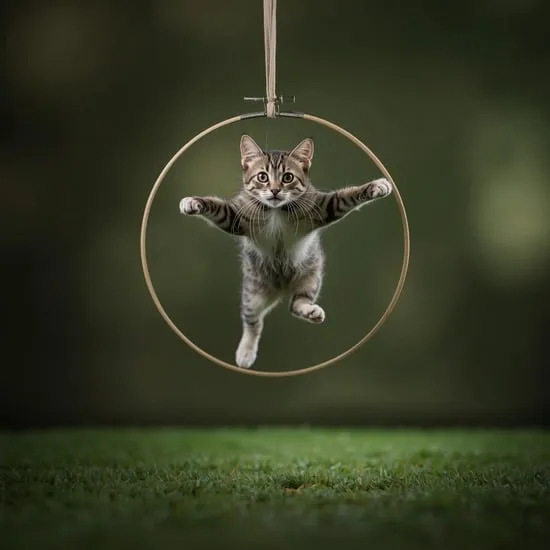
This trick looks impressive but is quite simple to train. I began with a hoop (or even my arms making a circle) on the ground. I used the “touch” or “follow” command to guide my cat through it.
Place the hoop between you and your cat. Lure them through with a treat, marking and rewarding as they pass through. Gradually raise the hoop an inch at a time as they get comfortable.
Always make it easy and rewarding. This builds incredible trust and shows off their agility.
10. “Nose Boop” – The Sweetest Trick of All
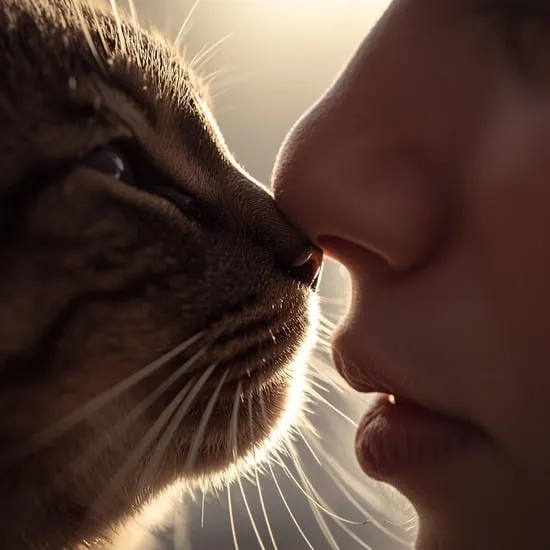
This is less of a formal trick and more of a loving behavior. I taught my cat to gently touch her nose to mine on cue. It started by rewarding any close face sniffs.
Slowly bring your face close (if your cat is comfortable) and when they sniff your nose, say your cue word like “boop!” and give a treat. You can also use your fingertip.
It’s the perfect trick to end a training session—a gentle, affectionate connection that reinforces your special bond.
Wrapping It Up: Your Training Journey Starts Now
Remember, the goal isn’t perfection; it’s connection. Start with one simple trick, like “sit” or “touch,” and use high-value treats, patience, and lots of praise. Keep sessions short, fun, and end on a positive note. You’ll be amazed at how quickly your clever cat learns and how much closer you feel. Happy training!
Cat Training FAQ
Q: What’s the best treat for training?
A: Use tiny, soft, smelly treats your cat goes crazy for—like freeze-dried chicken or salmon bits. Reserve them just for training to keep them special.
Q: How long should a training session be?
A> Only 2-5 minutes, once or twice a day. Cats have short attention spans. It’s better to leave them wanting more than to push too far.
Q: My cat isn’t food motivated. What do I do?
A> Try using their favorite toy or a few licks of a paste treat as a reward. Find what they absolutely love and use that as your “currency.”
Q: What if my cat just walks away?
A> That’s okay! It means they’re done. Never force it. Respect their choice and try again later when they’re more engaged, perhaps before a meal.
Q: Can I train an older cat?
A> Absolutely! Cats of any age can learn. Older cats might be calmer and even more focused. Just adjust to their pace and comfort level.