10 Nutritious Homemade Dog Food Recipes Your Pup Will Love
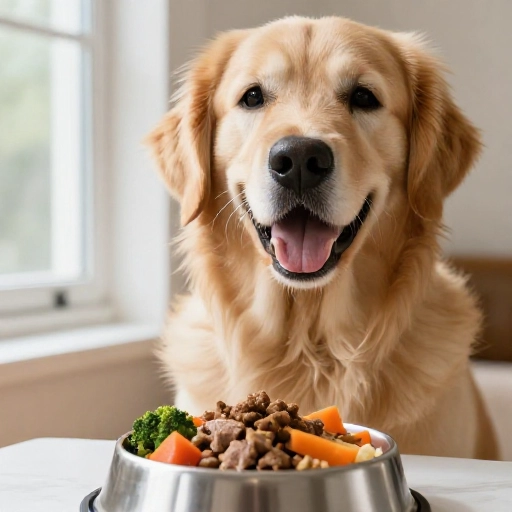
I remember the first time I realized my dog, Charlie, deserved better than the same old kibble day after day. He’d nudge his bowl, look at me with those big eyes, and I just knew he wanted something fresh. That’s when I started experimenting in my kitchen, and honestly, it was a game-changer. Homemade dog food isn’t just about spoiling your furry friend—it’s about controlling exactly what goes into their bowl.
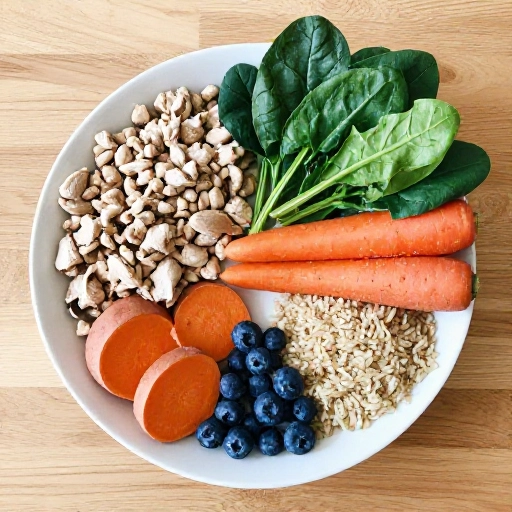
These ten recipes are simple, packed with whole ingredients like lean meats, veggies, and healthy grains. Whether your pup needs more protein, joint support, or just a change of pace, there’s something here for every tail-wagger. Let’s get cooking—your dog will thank you with sloppy kisses.
Why Homemade Dog Food?
I get it—store-bought food is convenient. But after reading labels filled with preservatives and fillers, I felt like I could do better. Homemade meals let me skip the mystery ingredients and focus on real nutrition. Plus, I’ve seen Charlie’s coat get shinier and his energy levels soar since I switched. It’s not about being perfect; it’s about showing love through wholesome food.
These recipes are vet-approved basics: balanced with protein, carbs, and veggies. Always check with your vet before making big changes, but for most dogs, fresh food is a happy step forward.
Equipment You’ll Need
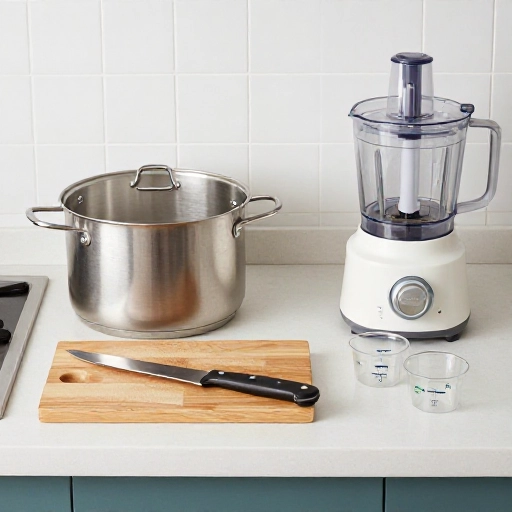
You don’t need a fancy kitchen to make these meals. Here’s what I rely on:
- A large pot or Dutch oven for stews and broths
- A sharp knife and cutting board
- Measuring cups and spoons
- Storage containers (glass or BPA-free plastic)
- A mixing spoon or spatula
That’s it. Most recipes come together in under 30 minutes. I keep leftovers in the fridge for up to five days, or freeze portions for busy weeks.
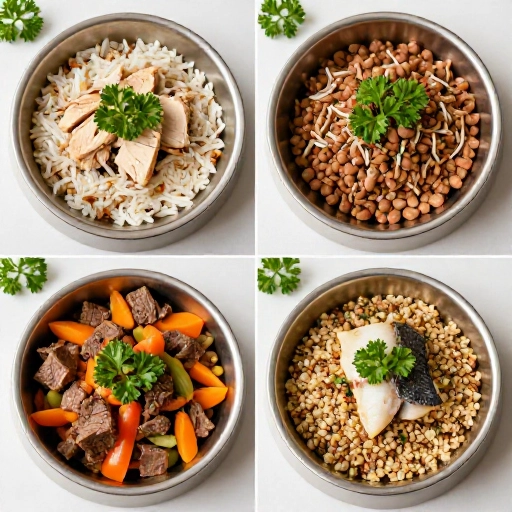
10 Simple Homemade Dog Food Recipes
1. Chicken and Veggie Bowl
This is my go-to for picky eaters. Cook 1 cup of ground chicken with ½ cup of chopped carrots and ½ cup of peas. Add 1 cup of cooked brown rice and a tablespoon of olive oil. Stir until warm. Easy, balanced, and full of fiber.
2. Beef and Sweet Potato Mash
Brown 1 pound of lean ground beef. Mix in 2 cups of mashed sweet potatoes and ½ cup of steamed spinach. This recipe is rich in iron and vitamin A. I often make a double batch because Charlie begs for seconds.
3. Turkey and Quinoa Delight
Cook 1 cup of quinoa according to package directions. Sauté 1 cup of ground turkey with ½ cup of diced zucchini. Combine everything with a splash of low-sodium chicken broth. It’s a light, protein-packed meal for sensitive tummies.
4. Salmon and Oatmeal Feast
Bake a salmon fillet at 375°F until flaky. Flake it and mix with 1 cup of cooked oatmeal and ¼ cup of blueberries. Omega-3s from salmon make this great for skin and coat health. My dog licks the bowl clean every time.
5. Pork and Pumpkin Porridge
Simmer 1 cup of ground pork with 1 cup of canned pumpkin (plain, not pie filling) and ½ cup of cooked barley. Pumpkin aids digestion, and pork adds a tasty twist. Serve warm for a cozy dinner.
6. Liver and Carrot Stew
Chicken liver is nutrient-dense. Sauté ½ cup of chopped liver with 1 cup of diced carrots in a little coconut oil. Add 2 cups of water and simmer for 10 minutes. Let it cool before serving. This is a treat, not an everyday meal, due to high vitamin A.
7. Egg and Spinach Scramble
Scramble 2 eggs with a handful of fresh spinach and a teaspoon of flaxseed oil. Mix with 1 cup of cooked rice. It’s a quick breakfast option for busy mornings. My vet says eggs are safe as long as they’re fully cooked.
8. Lamb and Lentil Bowl
Cook 1 cup of lentils until tender. Brown 1 cup of ground lamb and stir in ½ cup of chopped kale. Combine with the lentils. This recipe is high in protein and fiber, great for active dogs.
9. Fish and Green Bean Medley
Use canned sardines (in water, no salt) or cooked white fish. Mix with 1 cup of steamed green beans and ½ cup of mashed potatoes. This is a low-fat option that supports joint health thanks to natural oils.
10. Chicken Liver and Apple Mix
Sauté ¼ cup of chicken liver with ½ cup of diced apple and 1 cup of cooked millet. Apples add sweetness and vitamin C. Serve as an occasional topper for regular meals—it’s a flavor bomb dogs love.
How to Make These Recipes (Step-by-Step Guide)
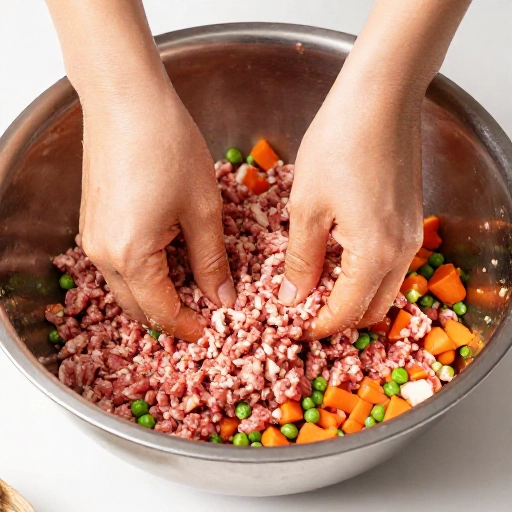
Making homemade dog food is simpler than you think. Start by choosing one recipe. Wash all veggies and chop them into small pieces. Cook any meat thoroughly—no pink inside. For grains like rice or quinoa, follow package instructions. Then, combine everything in a pot with a little water or broth. Simmer for 5–10 minutes to blend flavors. Let it cool completely before serving. Store leftovers in airtight containers in the fridge for up to five days, or freeze for longer.
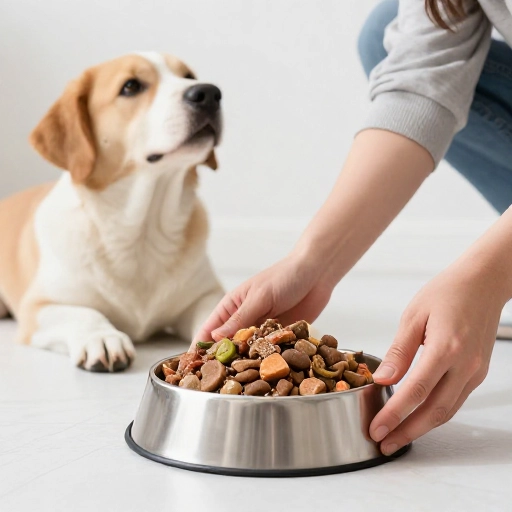
I always portion meals based on my dog’s weight. For a 20-pound dog, aim for about 1 cup per day, split into two meals. Adjust as needed—active pups might want more, couch potatoes less. Check with your vet for exact portions.
Conclusion
Switching to homemade dog food doesn’t have to be overwhelming. These ten recipes are my proof that a little effort goes a long way in making your dog healthier and happier. Start with one recipe this weekend, and see how your pup reacts. I promise, the wagging tail is worth every minute. Remember, variety is key—rotate these meals to keep things exciting and balanced. Your dog deserves real food, and now you’ve got the tools to give it.
Frequently Asked Questions
1. Can I feed my dog homemade food every day?
Yes, but you need to ensure it’s balanced. Rotate recipes to cover different nutrients. I always consult my vet to make sure Charlie’s meals meet his needs.
2. How much homemade food should I give my dog?
Portions depend on size, age, and activity level. A general rule is about 2–3% of their body weight per day. Start small and adjust based on their energy and weight.
3. Are these recipes safe for puppies?
Puppies have different nutritional needs, like more calcium and protein. Check with your vet before feeding these to a growing pup. Some recipes may need tweaks.
4. Can I freeze homemade dog food?
Absolutely. I freeze portions in silicone molds or freezer bags. Thaw in the fridge overnight and warm slightly before serving. It’s a lifesaver on busy days.
5. What ingredients should I avoid?
Skip onions, garlic, grapes, raisins, chocolate, and xylitol. Also avoid fatty trimmings and too much salt. Stick to dog-safe veggies like carrots, peas, and spinach.