11 Nutritionally Balanced Dog Food Recipes Your Pup Will Love
I remember the first time I looked at a dog food ingredient list and felt completely lost. All those unpronounceable words made me wonder—am I really feeding my best friend the best? After years of trial and error, and plenty of tail wags, I found that making balanced food at home is easier than you think. It’s not about fancy techniques; it’s about simple, real ingredients that work together.
These 11 recipes are built around a simple idea: your dog deserves meals that are as nutritious as they are delicious. Each one is a complete, balanced meal designed to support energy, a shiny coat, and a happy tummy. I’ve tested them all with my own picky eater, and I can’t wait for you to see how simple it is to make your pup’s day a little brighter.
Why These Recipes Work for Your Dog
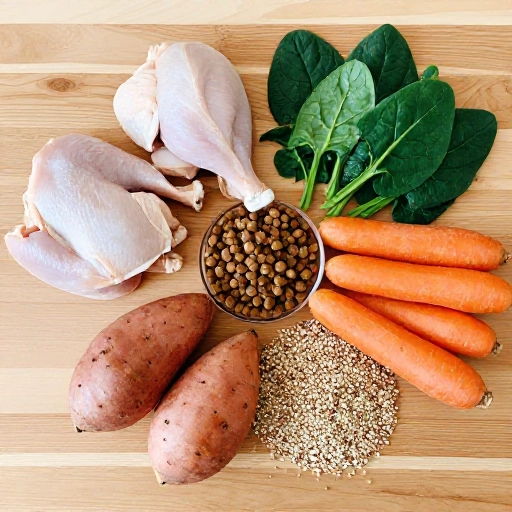
Every recipe here follows a simple formula: a quality protein, healthy fats, digestible carbs, and a mix of vegetables for vitamins. I avoid common fillers like corn, soy, and artificial additives. Instead, I focus on whole foods like lean chicken, sweet potatoes, and leafy greens. This keeps your dog’s energy steady and their digestion smooth.
I also learned that balance isn’t just about ingredients—it’s about proportions. These recipes use a rough ratio of 40% protein, 30% vegetables, and 30% carbohydrates. This is a guideline, not a strict rule, and it works beautifully for most adult dogs. Always check with your vet before making big diet changes, especially if your dog has health issues.
Equipment You’ll Need
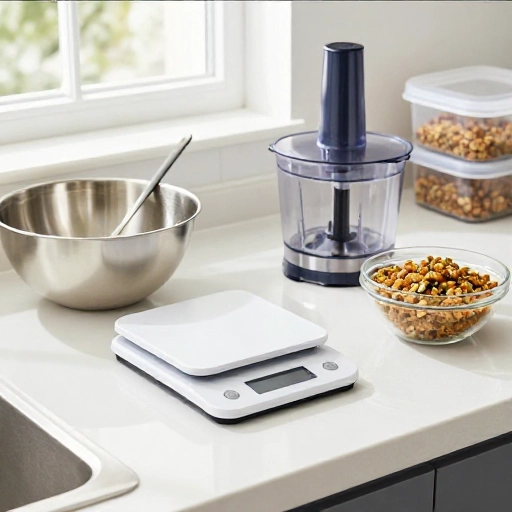
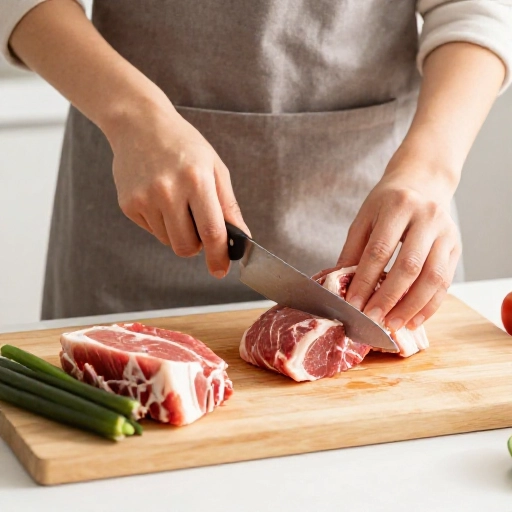
You don’t need a fancy kitchen to make these meals. A large pot, a good cutting board, and a sharp knife are your best friends. A slow cooker or Instant Pot can save time, but a stovetop works perfectly. I also recommend a food scale for portioning—it helps keep meals consistent, especially for small dogs who need precise amounts.
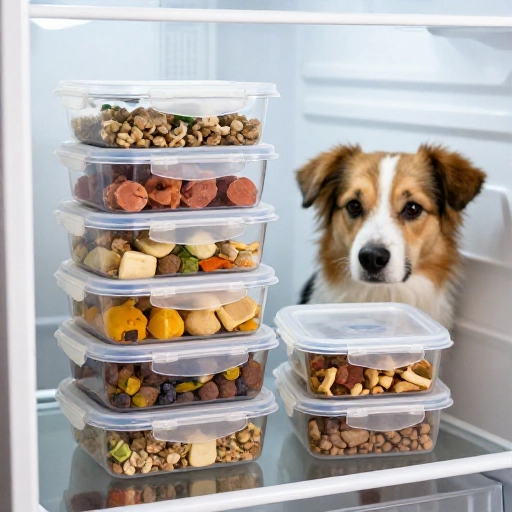
For storage, grab some airtight containers or freezer-safe bags. These meals freeze beautifully, so you can batch cook once a week and have ready-to-serve portions. A silicone muffin tin is great for freezing single servings—just pop one out when you need it. No extra gadgets required, just simple tools you probably already own.
Ingredients for Balanced Meals
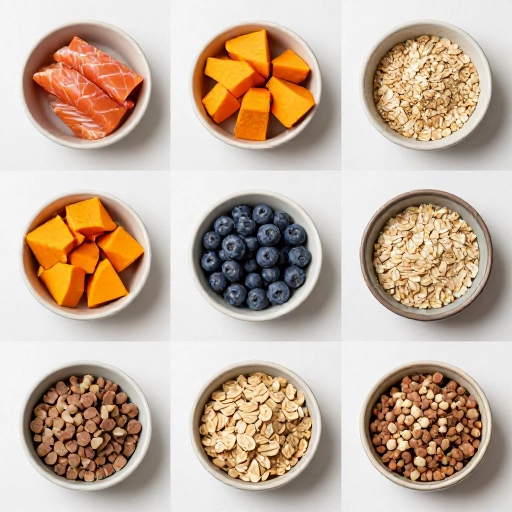
Here’s your shopping list for these 11 recipes. I keep a running stock of these basics, so I can whip up a batch anytime. For protein, I rotate between lean ground turkey, boneless chicken thighs, and grass-fed beef. For carbs, think sweet potatoes, brown rice, and quinoa. Vegetables like carrots, spinach, and green beans add color and crunch.
Don’t forget healthy fats—a splash of fish oil or a spoonful of coconut oil does wonders for your dog’s coat. I also add a little plain pumpkin puree for fiber, and sometimes a pinch of turmeric for joint health. These aren’t expensive superfoods; they’re everyday ingredients that make a real difference. Keep it simple, and your dog will thank you.
How to Make a Basic Balanced Dog Food
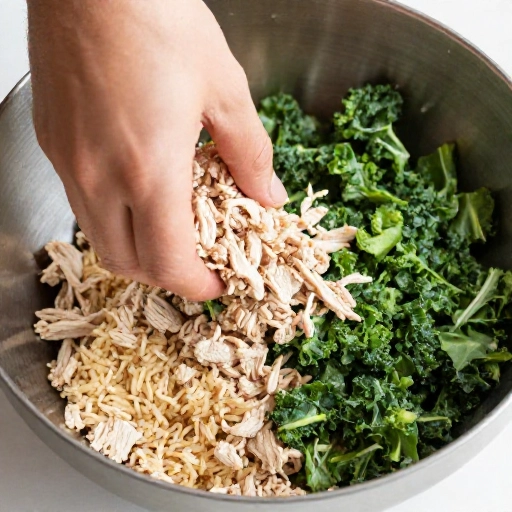
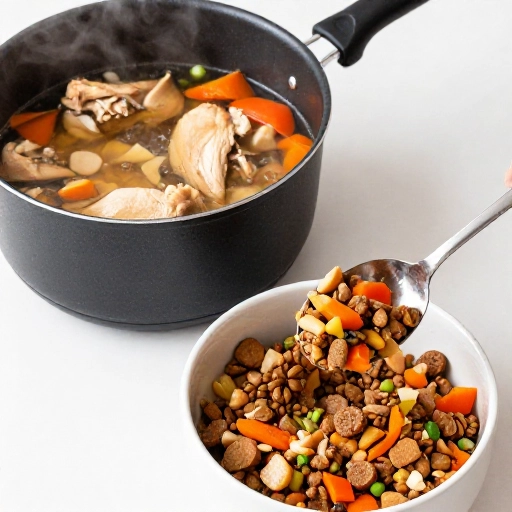
Start by cooking your protein. I usually boil chicken thighs or brown ground turkey in a large pot with a little water. Once cooked, shred or crumble it. In the same pot, add chopped sweet potatoes and carrots, and cook until tender. Then, stir in some cooked brown rice or quinoa—this gives your dog slow-release energy for the whole day.
Finally, mix in a handful of steamed spinach or green beans. Let everything cool completely before serving. I like to portion it out into containers right away—one cup per meal for my 40-pound dog. Remember to remove any bones or skin from the meat. This basic recipe is the foundation for all 11 variations, so once you master it, you can mix and match ingredients endlessly.
11 Balanced Recipe Ideas to Try
1. Turkey & Sweet Potato Stew – Ground turkey, sweet potatoes, and a pinch of rosemary. Slow-cook for a cozy meal.
2. Chicken & Rice Bowl – Shredded chicken, brown rice, and steamed carrots. A classic that never fails.
3. Beef & Quinoa Hash – Lean ground beef, quinoa, and chopped green beans. High in protein and fiber.
4. Salmon & Pumpkin Mash – Canned salmon (no bones), pumpkin puree, and cooked oats. Great for sensitive tummies.
5. Lamb & Barley Mix – Ground lamb, pearl barley, and peas. Rich in iron and easy to digest.
6. Turkey & Spinach Scramble – Ground turkey, scrambled egg, and chopped spinach. Perfect for a quick breakfast.
7. Chicken & Lentil Soup – Shredded chicken, red lentils, and diced zucchini. A lighter option for lazy days.
8. Pork & Apple Blend – Ground pork, diced apple (no seeds), and brown rice. A sweet and savory treat.
9. Beef & Carrot Casserole – Ground beef, shredded carrots, and cooked pasta. Hearty and filling.
10. Fish & Sweet Potato Cakes – Canned mackerel, mashed sweet potato, and a bit of oat flour. Form into patties and bake.
11. Turkey & Kale Bowl – Ground turkey, chopped kale, and quinoa. Packed with vitamins.
Tips for Safe and Easy Preparation
Always cook meat thoroughly to kill bacteria. I use a meat thermometer to make sure chicken hits 165°F and beef reaches 160°F. Let food cool completely before serving—hot food can burn your dog’s mouth. I also avoid adding salt, onion, or garlic, as these are toxic to dogs. A little plain salt is okay, but I stick to herbs like parsley or basil for flavor.
Storage is key. I keep fresh meals in the fridge for up to 4 days, and freeze the rest for up to 3 months. When thawing, I place a frozen portion in the fridge overnight. Never microwave food in plastic containers—transfer to a ceramic bowl first. And always, always check with your vet before introducing new proteins, especially if your dog has allergies.
Making It a Routine
I set aside one hour every Sunday to batch cook. I pick two or three recipes from the list, cook them in big batches, and freeze portions for the week. This saves me time and keeps my dog’s diet varied. I also rotate proteins every few weeks to prevent boredom and ensure a wide range of nutrients. It’s become a calming ritual for me, and my dog sits by the kitchen door, tail wagging, every time.
Start with one or two recipes you think your dog will love. Observe how they react—more energy, shinier coat, better digestion are all good signs. If your dog is picky, try mixing a new recipe with their old food for a few days. The goal is not perfection, but progress. Your homemade meals are already a huge step up from processed kibble.
Conclusion
Making balanced dog food at home is a gift of love and health. These 11 recipes prove that you don’t need a culinary degree or a big budget to feed your pup well. Start simple, listen to your dog, and trust your instincts. Every meal you make from scratch is a small act of care that your best friend will feel in every happy, wagging step.

Frequently Asked Questions
1. Can I feed my dog these recipes every day?
Yes, but rotate recipes to ensure a variety of nutrients. Each one is balanced, but variety is always best.
2. How much should I feed my dog per meal?
A good starting point is about 1 cup of food per 20 pounds of body weight per day, split into two meals. Adjust based on your dog’s energy level and body condition.
3. Can I use raw meat instead of cooked?
I recommend cooking meat to kill bacteria. Raw diets can work but require extra caution and vet guidance. Cooked is safer for most dogs.
4. Can I add supplements to these recipes?
Absolutely. A quality fish oil or a multivitamin for dogs can fill any gaps. But always check with your vet first to avoid over-supplementing.
5. My dog is a picky eater. How do I get them to try new food?
Mix a small amount of the new recipe with their current food. Gradually increase the ratio over a week. Patience and a little bit of meat juice can help win them over.