10 DIY Puzzles for Dogs to Challenge Minds
We all know that a tired dog is a happy dog, but a tired mind is just as important. Physical exercise is great, but mental stimulation is what really wears out a pup. I’ve noticed that my own dog gets bored with the same old walk and chew toy—he needs a job to do. That’s where brain games come in.
You don’t need to spend a fortune on fancy puzzle toys. In fact, some of the best enrichment activities are hiding right in your recycling bin or kitchen drawer. These DIY puzzles are simple to make, easy to rotate, and they’ll keep your furry friend’s brain sharp and happy. Let’s get started with some paws-on fun!
1. The Muffin Tin Magic
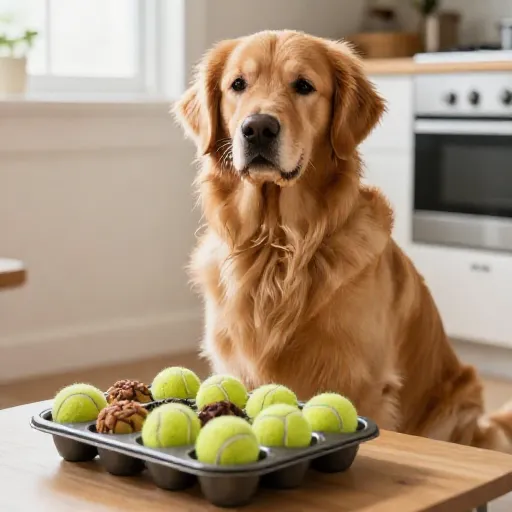
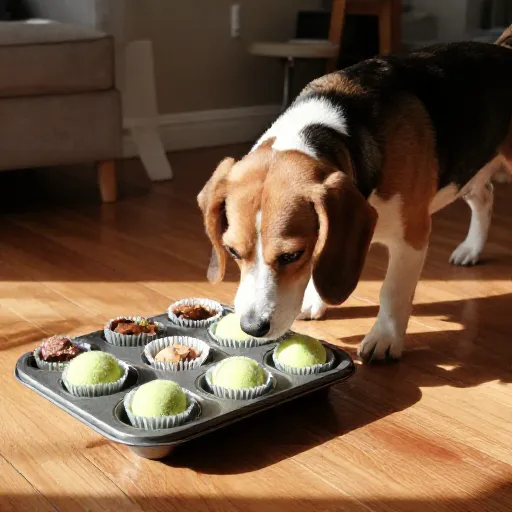
This is the classic starter puzzle, and it’s so easy. Grab a standard 12-cup muffin tin and drop a few tasty treats into some of the cups. Cover every cup with a tennis ball or a silicone cupcake liner.
Your dog will have to use their nose and paws to figure out which cups have the goodies and how to get the cover off. Start with just a few balls covering the treats to make it easier, then add more covers as they get the hang of it.
For a harder twist, place a small squeaky toy under one of the cups. The sound will keep them guessing!
2. The Towel Roll-Up
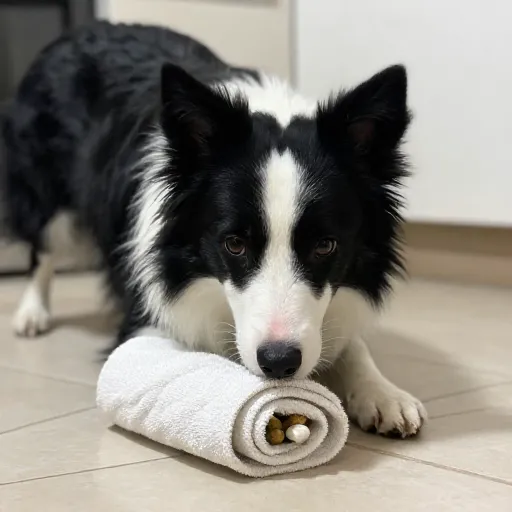
This one takes less than a minute to set up. Lay a kitchen towel flat on the floor and sprinkle a few kibble or treats in a line down the middle. Roll the towel up into a log shape, like a cinnamon roll.
Hand it to your dog and watch them go to work. They’ll use their paws and snout to unroll it. To make it a bit more challenging, tie the rolled towel in a loose knot. It’s a great way to use old towels that are ready for the trash.
Just be sure to supervise so they don’t try to shred and eat the fabric. This is a great “sniffy” game that really gets their nose working.
3. The Egg Carton Surprise
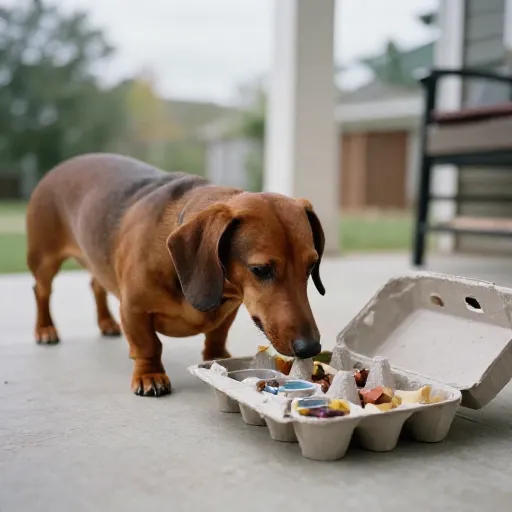
Before you recycle that cardboard egg carton, give it a second life. Place a few treats in the individual cups, close the lid, and give it to your dog. The cardboard is easy for them to dent and dig into.
For a beginner, leave the lid open so they can see the treats. For a more experienced puzzle pro, close it up. You can even add a few pieces of crumpled paper inside to make it harder to get to the goodies.
Once they master the basic version, try placing the carton inside a cardboard box. It adds an extra layer of “unboxing” fun.
4. The Bottle in a Box
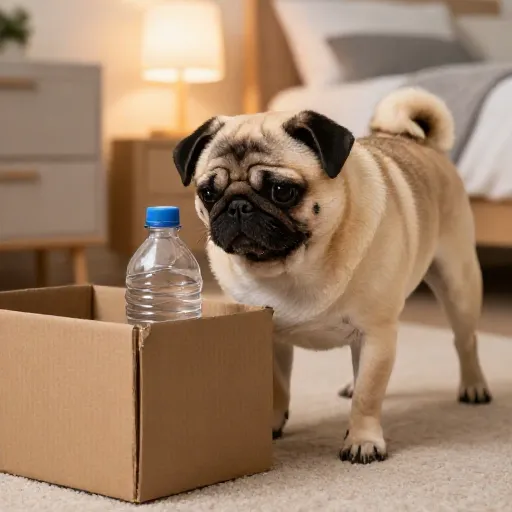
This puzzle is perfect for dogs who love to knock things over. Take an empty plastic water bottle and remove the cap and label. Put a few treats inside. Then, place the bottle inside a sturdy cardboard box that’s taller than the bottle.
Your dog has to figure out how to tip the bottle or stick their head in to get the treats out. It’s noisy, but it’s so much fun to watch them problem-solve. The unpredictability of the bottle rolling around keeps them engaged.
Make sure the bottle is clean and that your dog isn’t a super-chewer who will destroy the plastic. Always supervise this one.
5. The Muffin Tin with Paper Balls
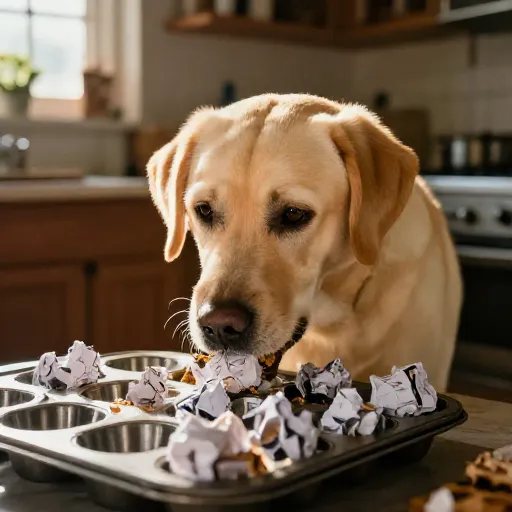
Let’s level up the muffin tin game! Instead of balls, use crumpled paper balls. This is a great way to recycle junk mail or old wrapping paper. Place a treat in a few of the cups and cover them with the paper balls.
This is a bit different from the tennis ball version because it requires more precise paw work to pull the paper out. It’s also a great game for dogs who love to shred things (safely, of course).
You can mix it up by putting a treat in a paper ball and leaving some cups empty. It’s a fun “hide and seek” game for their nose.
6. The Sock and Ball Game
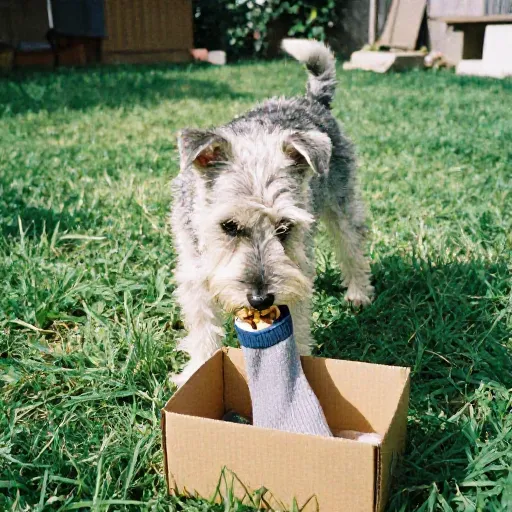
If you have a missing sock, this is the perfect use for it. Place a tennis ball inside the sock and tie a knot at the top. The goal is for your dog to figure out how to untie the knot to get the ball out.
This is a tough one for many dogs, so it’s great for advanced problem solvers. The soft fabric makes it easy on their teeth, and the ball provides a satisfying reward.
If the knot is too hard, just slide the ball halfway down the sock without tying it. It’s a simple but effective challenge that uses common household items.
7. The Empty Toilet Roll Puzzle
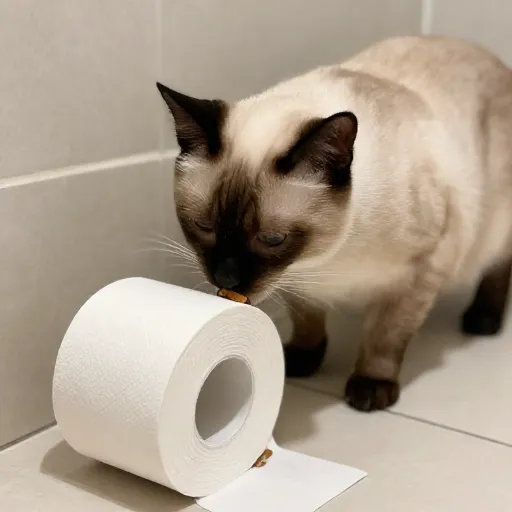
Save those toilet paper rolls! Fold one end of the roll shut, drop a few treats inside, and fold the other end closed. It looks like a little present. Give it to your dog to unwrap.
You can make this even more engaging by placing the treat roll inside a cardboard box with some shredded paper. It encourages them to dig and sniff. It’s a great “destructive” outlet that is totally safe.
For a super easy version, just leave the roll open and let them pick it up and shake treats out. It’s all about the sound and movement.
8. The Three-Cup Shell Game
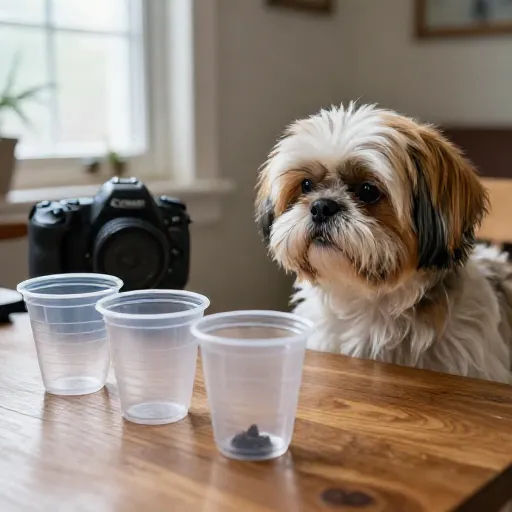
This is a classic cup-and-ball game, doggy style. Get three plastic cups or solo cups and place them upside down on the floor. Show your dog a treat, place it under one of the cups, and shuffle them around a bit.
Let your dog sniff and paw at the cups to find the treat. It’s a fantastic test of memory and nose work. Start with just two cups to build confidence.
Don’t shuffle too fast at first. You want them to succeed and build up their problem-solving confidence. This is a great game to play on a non-slip surface.
9. The Fluffy Snuffle Mat
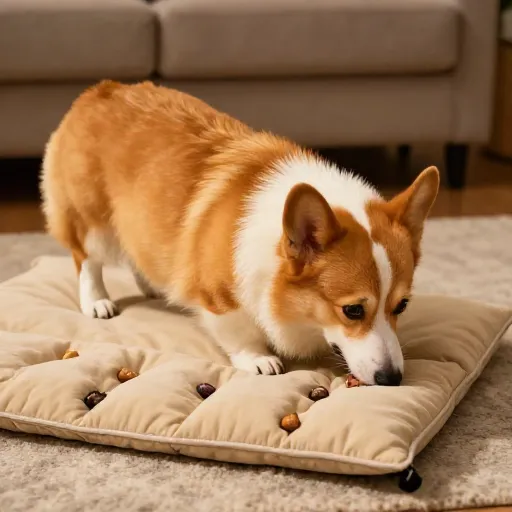
You can buy these, but they are so easy to DIY. Take a rubber sink mat with holes or a sturdy piece of cardboard, and tie strips of fleece or old t-shirts through the holes. You’re creating a “grass” mat.
Scatter a few treats deep into the fabric strips. Your dog will have to use their sense of smell to find every last crumb. It’s an amazing way to slow down fast eaters and provide a calming activity.
This is a bit more of a craft project, but it’s worth it. You can wash it in the washing machine to keep it fresh.
10. The Cup Stack Challenge
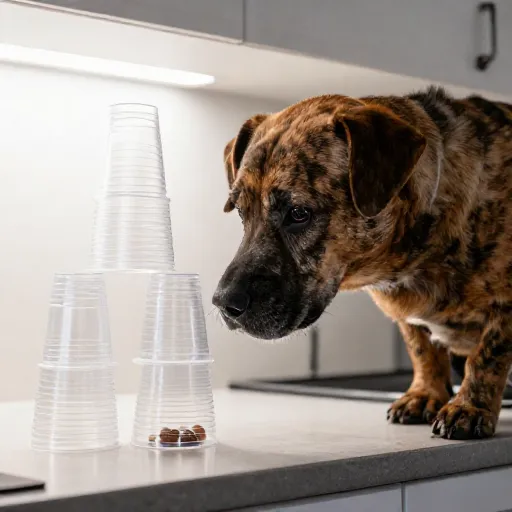
This one is all about balance and nose work. Place a treat on the floor and cover it with a plastic cup. Then, place another cup upside down on top of that first one. Repeat to create a tower of cups.
Your dog needs to knock the tower over to get to the treat at the bottom. It’s a great way to encourage them to use their head and nose to bump things over.
You can make it as tall as you want, but start with just two cups. The “crash” sound is half the fun for them. It’s a great release of energy.
Time to Get Creative!
These puzzles are all about the process, not the perfection. The best part is watching your dog think, try, fail, and try again. Remember to always supervise your dog with any DIY toy, especially if they are aggressive chewers. The goal is to make them think, not to give them a new chew toy.
Rotate these puzzles to keep them fresh. What your dog loves on Monday might be boring by Friday. A little variety goes a long way in keeping their mind sharp and happy. Have fun crafting and playing!
Frequently Asked Questions
Q1: How long should my dog play with a puzzle?
It depends on the dog. Some will finish in 5 minutes, others might take 20. The goal is to provide mental stimulation, not frustration. If they get frustrated, take the puzzle away and make it easier next time.
Q2: Are these puzzles safe for aggressive chewers?
You need to be extra cautious. Avoid hard plastic bottles and cardboard for power chewers. Stick to soft fleece snuffle mats or the muffin tin with tennis balls, and always supervise them.
Q3: Can I use my dog’s regular kibble instead of treats?
Absolutely! In fact, it’s a great way to turn mealtime into a brain game. Just use their daily portion of food as the reward, so you don’t overload them with extra calories.
Q4: My dog just gives up quickly. What should I do?
Start with the easiest version of the puzzle. Show them where the treat is and help them get it out once or twice. The goal is to build confidence. Once they succeed a few times, you can make it harder.
Q5: How do I clean these DIY puzzles?
Cardboard items can go in the recycling after a few uses. Plastic cups and muffin tins can be washed with warm soapy water. Fabric items like snuffle mats and towels can go in the washing machine.