Which Houseplants Are Toxic to Cats? A Must-Read Guide for Pet Parents
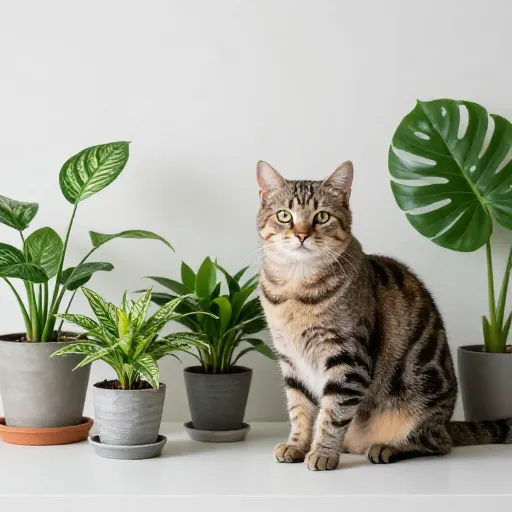
I absolutely love filling my home with greenery. There’s something so calming about waking up to a little jungle of leaves and vines. But when I brought home my first cat, a curious little tabby named Mochi, I quickly realized my plant collection might be a problem. Cats love to nibble, bat, and explore—and some of our favorite houseplants can make them very sick.
If you’re a plant lover and a cat parent, you don’t have to choose between them. You just need to know which plants to avoid. I’ve done the research (and learned a few lessons the hard way) so you can keep your furry friend safe without giving up your green thumb. Here are 10 common houseplants that are toxic to cats, plus what to watch for.
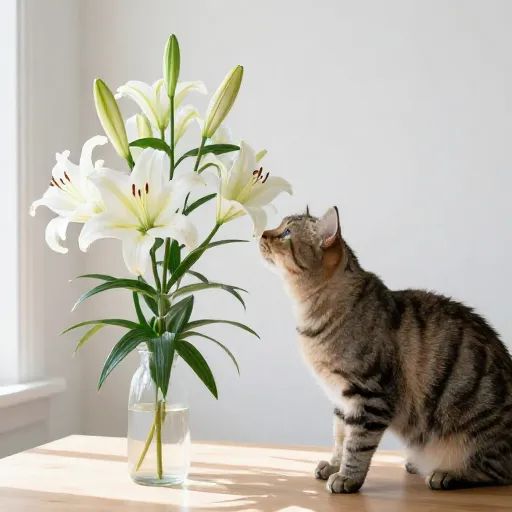
1. Lilies – The Most Dangerous Plant for Cats
Lilies are beautiful, but they are absolutely off-limits if you have a cat. Even a tiny bit of pollen or a single leaf can cause severe kidney failure. I’m talking about true lilies like Easter, Tiger, and Asiatic lilies. Peace lilies are different (they cause mouth irritation but not kidney failure), but still risky.
If your cat brushes against a lily and then licks its paw, that’s enough to cause serious harm. Symptoms include vomiting, lethargy, and loss of appetite. This is a vet emergency, no waiting.
Safe swap: Try orchids or roses for a similar elegant look.
2. Sago Palm – A Tiny Plant with Big Risks
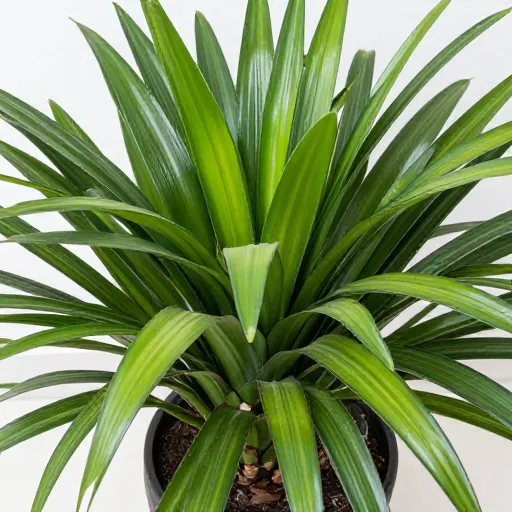
This little palm looks like a mini tree and is super popular in homes. But every single part of the sago palm is toxic to cats—especially the seeds. It contains cycasin, which causes liver failure. I’ve heard stories of cats chewing on a single seed and needing emergency treatment.
Signs of poisoning include vomiting, diarrhea, and seizures. It can come on fast, sometimes within hours. Honestly, I wouldn’t keep this plant anywhere near a cat, even on a high shelf (cats are climbers!).
Safe swap: Go for a parlor palm or a ponytail palm instead.
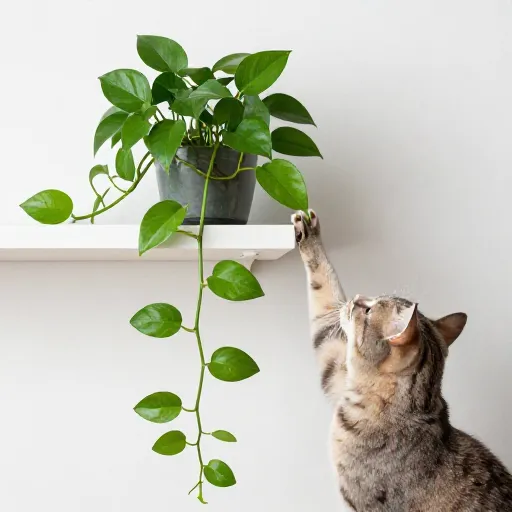
3. Pothos – The “Devil’s Ivy” That’s Too Tempting
Pothos is practically unkillable, which is why it’s in so many homes. But those trailing vines are like cat toys, and if your kitty takes a bite, they’ll get a mouthful of calcium oxalate crystals. These tiny crystals cause intense burning, swelling, and drooling.
Your cat might paw at its mouth, refuse to eat, or vomit. It’s rarely fatal, but it’s painful and scary. My own cat once nibbled a pothos leaf, and I found her drooling everywhere—lesson learned.
Safe swap: Try a spider plant or a Boston fern for similar trailing vibes.
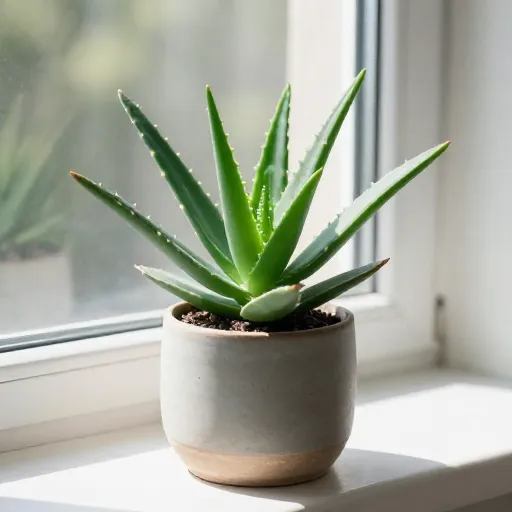
4. Aloe Vera – Not Just for Sunburns Anymore
Aloe vera is famous for soothing human skin, but it’s not so kind to cats. The gel inside the leaves is what we use, but the outer leaf contains saponins and anthraquinones that are toxic. If your cat chews on it, expect vomiting, diarrhea, and lethargy.
I love having aloe on my windowsill for kitchen burns, but I keep it in a room my cat can’t access. The thick, juicy leaves are just too tempting for a curious nibbler.
Safe swap: A haworthia (zebra plant) looks similar and is safe for cats.
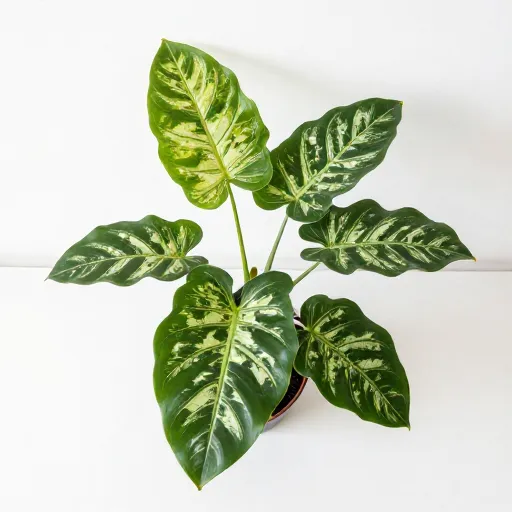
5. Dieffenbachia (Dumb Cane) – The Mouth Irritator
Dieffenbachia has big, beautiful leaves with creamy patterns. But it’s packed with those same calcium oxalate crystals as pothos. When a cat bites into it, the crystals release and cause immediate swelling of the mouth and throat. That’s why it’s called “dumb cane”—it can make it hard to speak (or meow).
Your cat might drool, paw at its face, or have trouble swallowing. In extreme cases, breathing can be affected. It’s not a plant I’d risk having around, even if it’s pretty.
Safe swap: A calathea has similarly stunning foliage and is completely cat-safe.
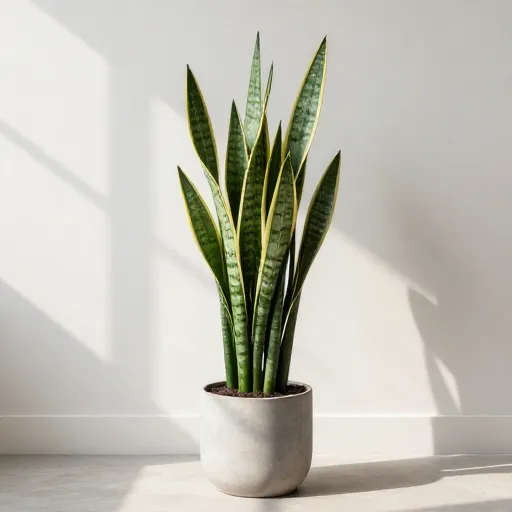
6. Snake Plant – Tough Plant, Tummy Trouble
Snake plants are practically indestructible, which makes them a favorite for beginners. But they contain saponins, which cause nausea, vomiting, and diarrhea in cats. The good news is that snake plant toxicity is usually mild, and most cats won’t eat enough to cause serious harm because the leaves are tough.
Still, I’ve seen kittens try to chew on the tips. If you have a determined chewer, it’s better to move this plant to a high shelf or a room your cat doesn’t visit.
Safe swap: A cast iron plant is just as hardy and totally non-toxic.
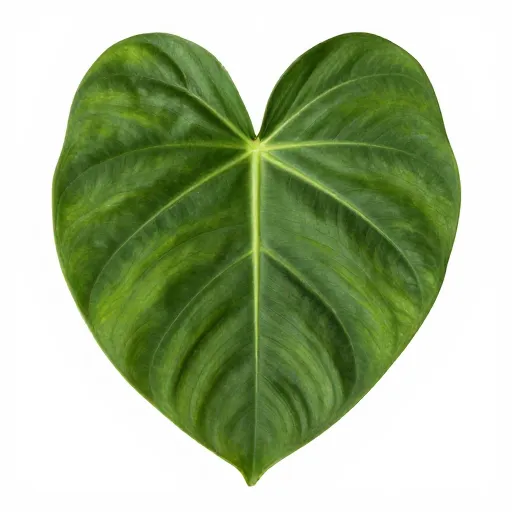
7. Philodendron – The Heart-Shaped Danger
Philodendrons are everywhere—they’re easy, they trail, they look great. But like pothos and dieffenbachia, they contain calcium oxalate crystals. Your cat might take one bite and immediately regret it. Symptoms include drooling, vomiting, and swelling of the mouth.
I had a philodendron hanging in my living room for years before I got a cat. Now it lives in my office, which stays closed when I’m not around. It’s not worth the risk of a painful nibble.
Safe swap: A peperomia has similar heart-shaped leaves and is safe for cats.
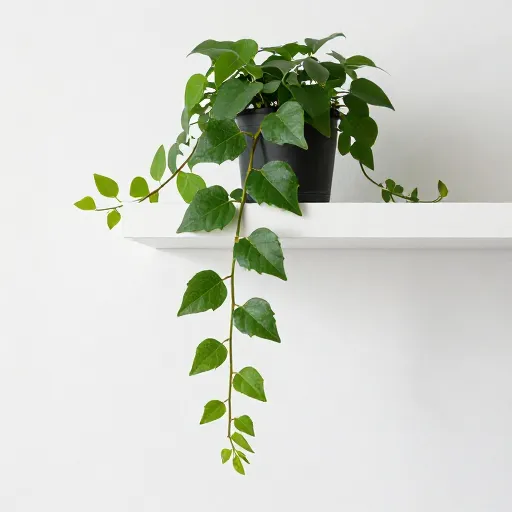
8. English Ivy – Classic but Not Cat-Friendly
English ivy is that charming trailing plant you see in so many cozy home photos. But it contains triterpenoid saponins, which can cause vomiting, abdominal pain, and excessive drooling in cats. The leaves are small and easy to chew, which makes them extra tempting for playful cats.
I love the look of ivy cascading from a bookshelf, but I’ve replaced mine with a cat-safe alternative. If you have an outdoor cat, be careful with ivy in the garden too.
Safe swap: Try a string of hearts or a lipstick plant for a similar trailing effect.
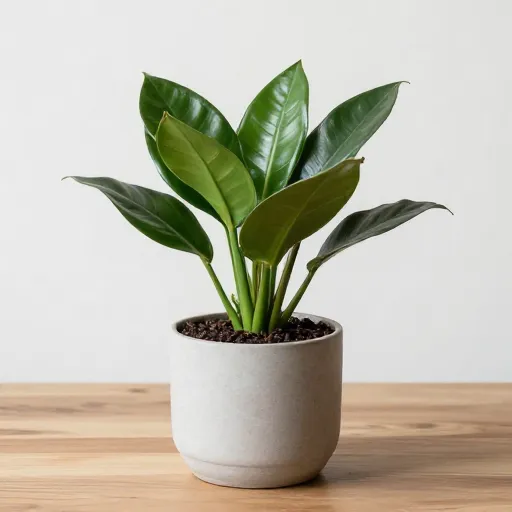
9. ZZ Plant – Stylish but Sneaky
ZZ plants are super trendy because they thrive on neglect. But they contain calcium oxalate crystals, just like many others on this list. The good news? They’re rarely fatal, and most cats won’t eat enough to get very sick. But the mouth pain and vomiting are not fun for anyone.
The leaves are waxy and tough, so some cats ignore them entirely. But if your cat is a plant nibbler, it’s better to be safe. I keep my ZZ in a tall pot on a side table my cat can’t reach.
Safe swap: A friendship plant (Pilea involucrata) has similar upright growth and is safe.
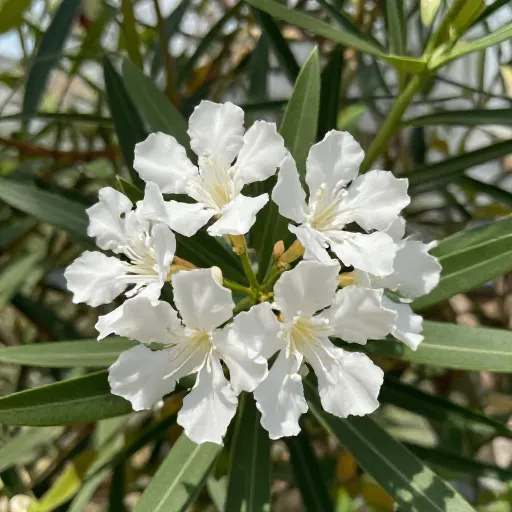
10. Oleander – Beautiful but Deadly
Oleander is more common outdoors, but people sometimes bring it inside as a potted plant. It’s highly toxic to cats (and humans too). All parts of the plant contain cardiac glycosides, which can cause heart rhythm abnormalities, tremors, and even death. This is not a plant to mess around with.
Even a small amount can be serious. If you have oleander in your yard, make sure your cat can’t access it. Honestly, I wouldn’t have it anywhere near a pet.
Safe swap: A hibiscus or a camellia provides beautiful flowers without the risk.
Conclusion
Being a plant lover and a cat parent doesn’t have to be a battle. You just need to be smart about what you bring into your home. I’ve swapped out a few of my favorites for safer options, and honestly, I love my new plants just as much. My cat Mochi is happy, my home is green, and I don’t have to worry every time she sniffs a leaf.
Always double-check before buying a new plant, and if you suspect your cat has eaten something toxic, call your vet right away. A little knowledge goes a long way in keeping everyone safe and happy.
FAQ – Toxic Houseplants and Cats
Q: What should I do if my cat eats a toxic plant?
A: Call your vet or a pet poison hotline immediately. Don’t wait for symptoms. If you can, bring a sample of the plant with you.
Q: Are succulents safe for cats?
A: Most succulents are safe, but some like jade plants and aloe vera are toxic. Always check before buying.
Q: Can I keep toxic plants in a room my cat can’t access?
A: It’s risky. Cats are sneaky and can open doors or jump high. I only keep safe plants in shared spaces.
Q: Will my cat naturally avoid toxic plants?
A: No. Cats don’t know which plants are dangerous. Some are even attracted to the texture or taste.
Q: Are all lilies toxic to cats?
A: True lilies (Easter, Tiger, Asiatic) are extremely toxic. Peace lilies cause mouth irritation but not kidney failure. Still, I avoid all lilies to be safe.
[[IMG:IMG12]]