10 Essential Commands to Teach Your Dog
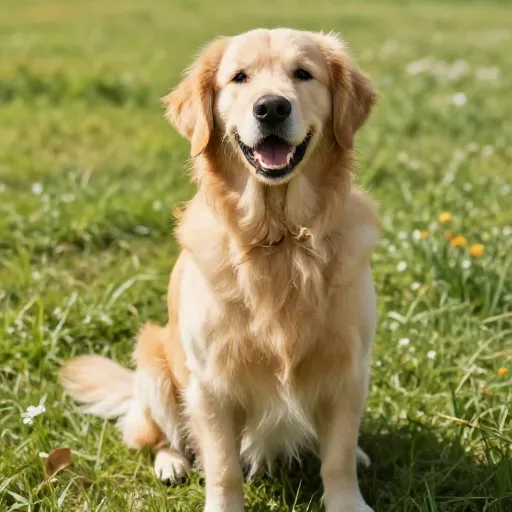
Bringing a new dog home is one of the best feelings in the world. That wagging tail, those happy eyes, and all the cuddles. But let’s be real—life with a pup can get chaotic fast if you don’t have a few basics down. I learned this the hard way with my own dog, who once bolted after a squirrel mid-walk. That’s when I realized training isn’t just about being “obedient”—it’s about keeping your best friend safe.
These ten commands aren’t just party tricks. They build trust, prevent accidents, and make everyday life smoother. Whether you’re a first-time owner or just brushing up, these are the foundation every dog needs. I’ve kept the steps simple and real, because training should feel like bonding, not boot camp.
1. Sit
This is the gateway command. It teaches patience and focus, and it’s the easiest one to start with. I always begin with “sit” because it sets the tone for everything else.
Hold a treat close to your dog’s nose. Slowly lift it up and slightly back over their head. As their nose follows the treat, their bottom will naturally lower to the ground. The moment they sit, say “yes” or click, then give the treat. Repeat a few times a day in short sessions.
Once they’ve got it, start using “sit” before meals, before going outside, or before greeting people. This turns a simple trick into a polite habit.
Pro tip: Keep sessions under five minutes at first. Dogs learn best when they’re not bored or frustrated.
2. Stay
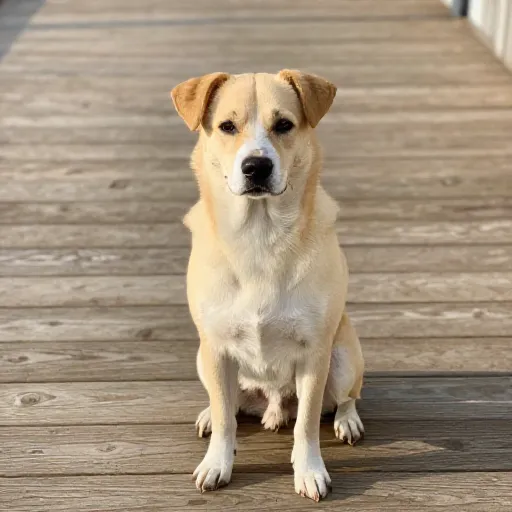
“Stay” is a lifesaver—literally. It stops your dog from darting out the door or running into danger. But it takes patience on your end too.
Start with your dog in a “sit.” Open your palm in front of their face like a stop sign and say “stay” in a calm, firm voice. Take one step back. If they stay, return to them and reward. If they move, just reset gently. No scolding needed.
Gradually increase the distance and duration. I found that using a release word like “okay” or “free” helps them understand when the command ends. This clarity makes training less confusing for both of you.
Remember: always return to your dog to reward them, don’t call them to you. This teaches them that staying put is the winning move.
3. Come
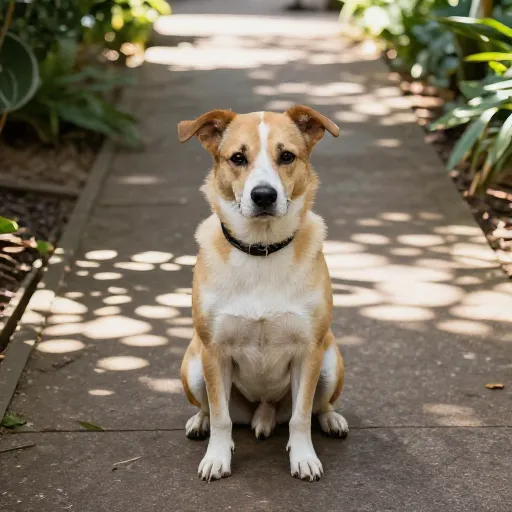
The recall command is the one you’ll rely on most at the park or in your backyard. A solid “come” can prevent your dog from getting lost or hurt.
Start indoors with low distractions. Crouch down, open your arms, and say “come” in a happy, excited voice. When your dog runs to you, throw a little party—treats, praise, the works. Make it the best thing ever.
Never use “come” for something negative, like ending playtime or giving a bath. You want your dog to think coming to you is always awesome. I learned this after my pup started ignoring me when I called her in from the yard. Now I always pair it with a reward.
Practice with a long leash outdoors to build trust before going off-leash.
4. Down
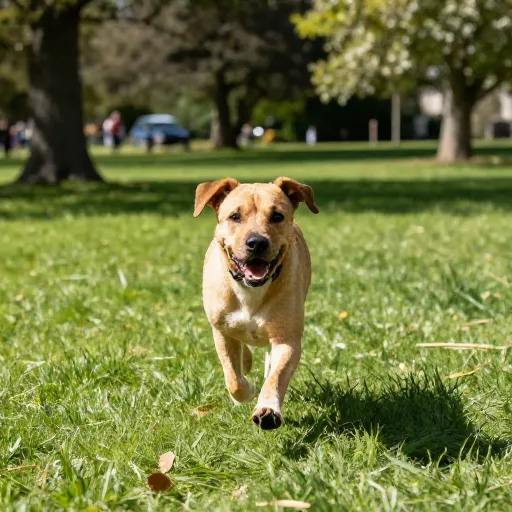
“Down” is great for calming your dog in busy situations. It’s a more submissive position than “sit,” so it helps them relax.
Start with your dog in a “sit.” Hold a treat in your closed fist and lower it slowly to the ground between their paws. As they follow the treat, their body will naturally slide into a down position. The moment their elbows hit the floor, say “yes” and reward.
If your dog just stares at you, try sliding the treat forward along the floor instead. Some dogs need that extra motion to understand. Be patient—this one takes a bit longer for some pups.
Use “down” when visitors come over or when you’re eating dinner. It’s a subtle way to ask for calm without raising your voice.
5. Leave It
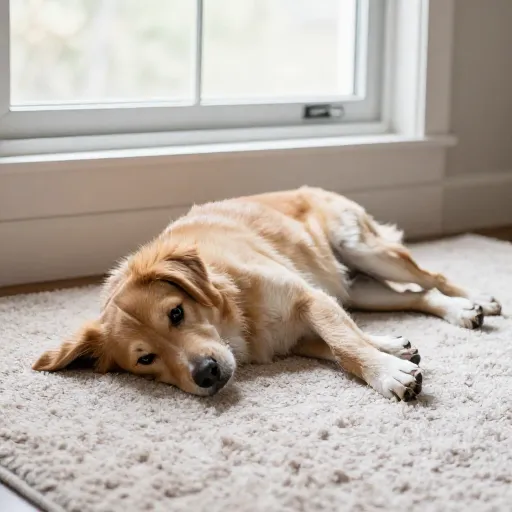
This command is your dog’s safety net. It stops them from picking up something dangerous off the ground—like a dropped pill, a chicken bone, or something gross on a walk.
Place a treat in your closed hand and let your dog sniff it. Say “leave it” and wait. They’ll probably lick, paw, or whine. The second they pull away, even for a second, say “yes” and give them a different treat from your other hand.
Once they get the idea, practice with the treat on the floor under your foot. Then move to real-world items. I use “leave it” on walks constantly, and it’s saved my dog from eating who knows what.
Always reward them with something better than what you asked them to ignore.
6. Drop It
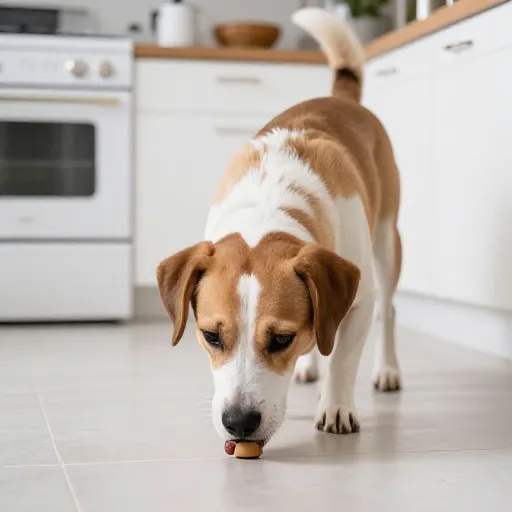
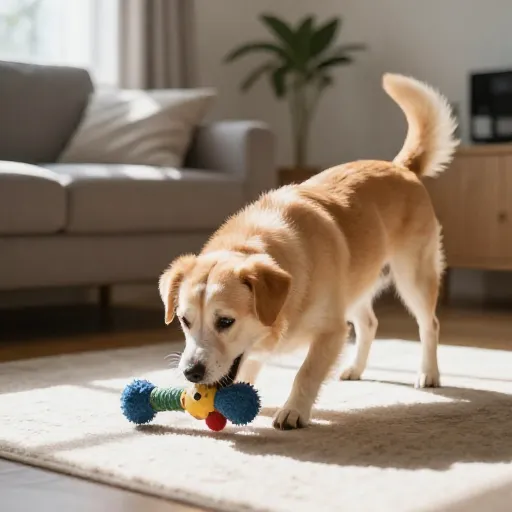
“Drop it” is for when your dog already has something in their mouth. Whether it’s your favorite shoe or something unsafe, this command gets them to let go quickly.
Offer your dog a toy they like. As they play with it, hold a high-value treat near their nose. When they open their mouth to take the treat, say “drop it.” Give them the treat and pick up the toy. Then give the toy back—this teaches them that dropping things doesn’t mean losing them forever.
Practice with different objects. Some dogs are more possessive with certain items, so go slow. Trade, don’t just take. This builds trust, not resentment.
Never pry open your dog’s mouth. That can lead to guarding behavior. Let the treat do the work.
7. Heel
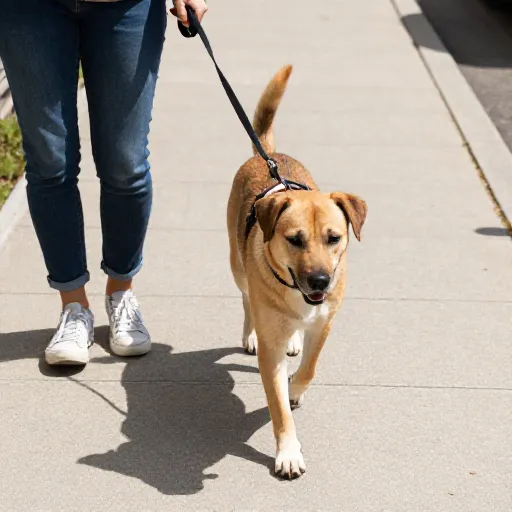
Walking your dog shouldn’t feel like you’re being dragged by a sled. “Heel” teaches them to walk calmly beside you, not pull ahead.
Start walking with your dog on a loose leash. Hold a treat at your side, near your leg. Say “heel” and take a step. If your dog stays beside you, reward them after a few steps. If they pull, stop moving. Wait for them to look back or come closer, then resume walking.
Keep sessions short and rewarding. I practice heel for just a few minutes at the start of each walk when my dog is still focused. Over time, it becomes second nature.
Use a happy, encouraging tone. This isn’t about marching—it’s about walking together.
8. Wait
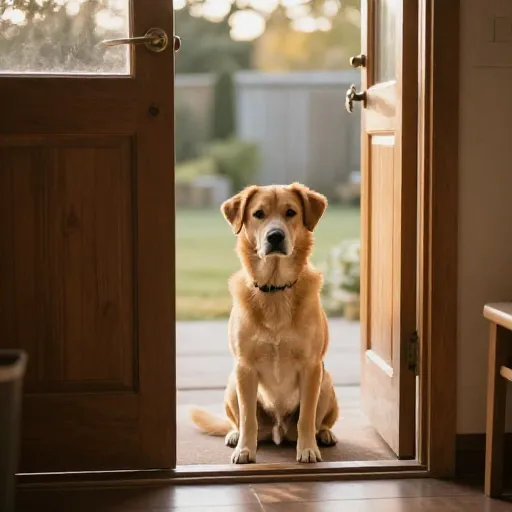
“Wait” is like a pause button. It’s useful at doorways, before crossing streets, or when you need your dog to hold still for a moment.
Ask your dog to sit at a doorway. Open the door just a crack and say “wait.” If they stay, close the door and reward. Gradually open it wider and for longer periods before releasing them with “okay.”
This command is about impulse control. It’s not as strict as “stay”—it just means “hold on a second.” I use it every time we go outside, and it’s prevented countless door-dashing incidents.
Practice in low-stakes places first, like the door to your backyard, before trying it at the front door.
9. Off
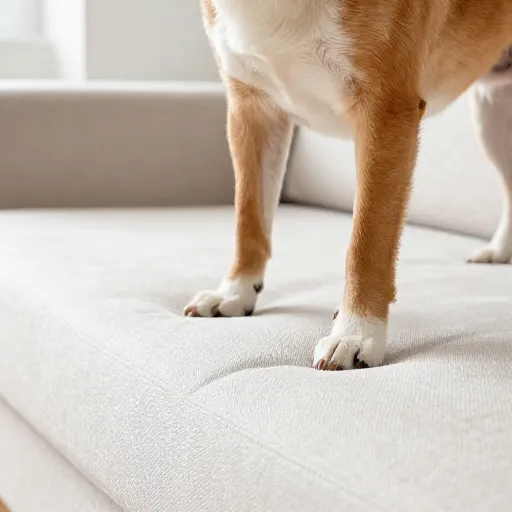
“Off” is for when your dog jumps on people or furniture you don’t want them on. It’s different from “down”—”off” means get your paws off that person or thing.
When your dog jumps on you, turn your back and say “off” calmly. Don’t push them or make eye contact. The moment all four paws are on the floor, turn around and reward. Consistency is everything here—everyone in the house needs to use the same word and response.
For furniture, lure them off with a treat and say “off” as they step down. Then reward them on the floor. Make the floor more rewarding than the couch.
This command takes time because jumping is often a greeting behavior. Be patient and never yell.
10. Look at Me
This is the secret weapon of dog training. “Look at me” gets your dog’s attention and keeps them focused on you, even in distracting environments.
Hold a treat near your eye and say “look at me.” When your dog makes eye contact, reward. Gradually increase the duration of the eye contact before giving the treat. Practice in quiet rooms first, then move to busier places like the park.
I use this command constantly—before crossing a street, when another dog walks by, or just to reconnect during a walk. It’s like a reset button for your dog’s brain.
Start with just a second of eye contact and build up. Short, frequent sessions work best.

Conclusion
Training your dog isn’t about perfection—it’s about connection. Every command you teach strengthens the bond between you and your pup. Some days will be easier than others, and that’s okay. The key is consistency, patience, and lots of positive reinforcement.
Start with the commands that feel most useful for your daily life. Maybe that’s “sit” and “stay” for a calm household, or “leave it” and “come” for a curious explorer. Build from there. Before you know it, these ten commands will feel like second nature to both of you.
Remember: every dog learns at their own pace. Celebrate the small wins, laugh off the mistakes, and keep showing up. Your dog is doing their best, and so are you.
[[IMG:IMG12]]
Frequently Asked Questions
How long does it take to teach a dog basic commands?
It depends on the dog and the command. Simple ones like “sit” can be learned in a few short sessions. More complex commands like “stay” or “heel” might take weeks of consistent practice. The key is short, daily sessions—five to ten minutes is plenty.
What age should I start training my puppy?
You can start as early as eight weeks old. Puppies are like sponges at this age. Focus on positive reinforcement and keep sessions playful. Early training builds good habits and strengthens your bond from the start.
My dog already knows commands but ignores them sometimes. What do I do?
That usually means they need more practice in distracting environments. Go back to basics in a quiet space, then slowly add distractions. Also check that your rewards are exciting enough—sometimes a boring treat isn’t worth listening for.
What if my dog is food-motivated but won’t focus during training?
Try training before meals when they’re hungrier. Use high-value treats like small pieces of chicken or cheese. Also keep sessions super short—two to three minutes—and end on a positive note. Sometimes less is more.
Can I teach an older dog new commands?
Absolutely. Older dogs can learn just as well as puppies, sometimes even faster because they have better focus. The same principles apply: patience, consistency, and positive reinforcement. It’s never too late to start training.
[[IMG:IMG13]]