11 Genius Pet Barrier Ideas That Keep Your Furry Friend Safe (And Your House Sane)
Let’s be real—our pets are family, but sometimes they have a knack for getting into places they absolutely shouldn’t. Whether it’s a curious puppy who thinks the stairs are a jungle gym, or a senior cat who suddenly decides the kitchen counter is her throne, boundaries are a must. I’ve been through it all with my own troublemakers, and I’ve learned that a good barrier isn’t about locking them away—it’s about giving them a safe space while protecting them from household hazards.
From blocking off dangerous zones to creating cozy nooks, the right setup can change your whole day. No more chasing, no more worrying, and definitely no more surprise vet visits. I’ve rounded up my absolute favorite, tested-in-real-life pet barrier ideas that look good and work even better. These aren’t just gates—they’re peace of mind.
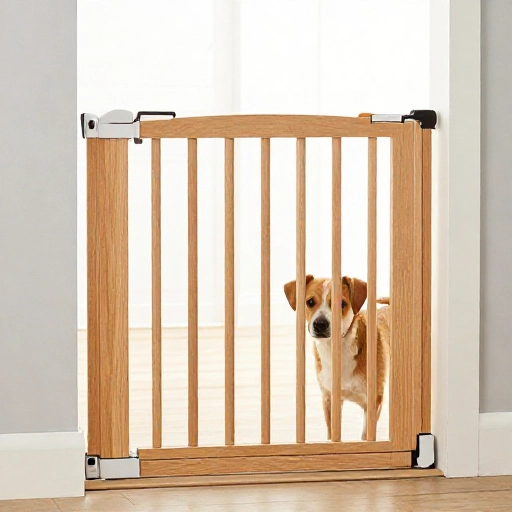
1. The Classic Pressure-Mounted Gate for Doorways
If you have a doorway that needs a quick fix, this is the MVP. Pressure-mounted gates are genius because they don’t require any drilling or screws, which means you can move them around the house in seconds. They’re perfect for renters or anyone who hates committing to a permanent fixture.
I use one at the top of my hallway, and it’s been a lifesaver for keeping my dog out of the guest bedroom where the litter box lives. Just make sure you get one that’s tall enough—some dogs are surprisingly good at jumping.
Look for a gate with a walk-through door so you don’t have to climb over it every time you carry laundry. Trust me, your back will thank you.
Always double-check the pressure locks every few weeks, especially if you have a big dog who likes to lean on it.
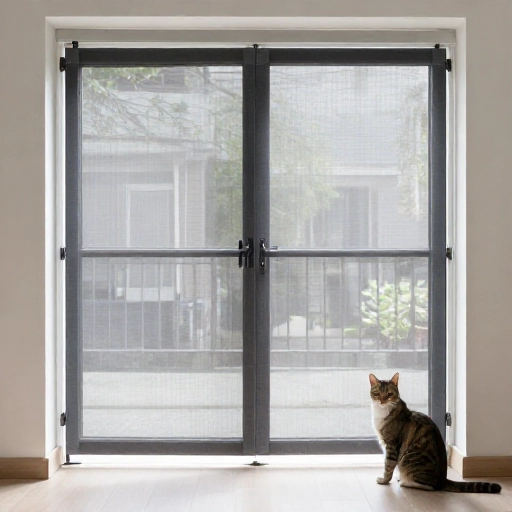
2. Retractable Mesh Screens for Wide Openings
Got a wide living room opening that a standard gate can’t cover? Retractable mesh screens are the sleek, modern solution. They mount to one side and pull across like a curtain, tucking away neatly when you don’t need them. This is perfect for keeping pets out of the dining room during dinner without making the space feel closed off.
I love that these are almost invisible when retracted. It’s the least “barrier-looking” option on this list, which is a huge bonus if you care about aesthetics.
Installation is a bit more involved than a pressure gate, but it’s totally doable with a drill and a level. You can even custom-order sizes for awkwardly shaped doorways.
This is also a fantastic option for sliding glass doors if you want to let the breeze in but keep the dog from bolting outside.
3. Freestanding Room Dividers for Flexible Zones
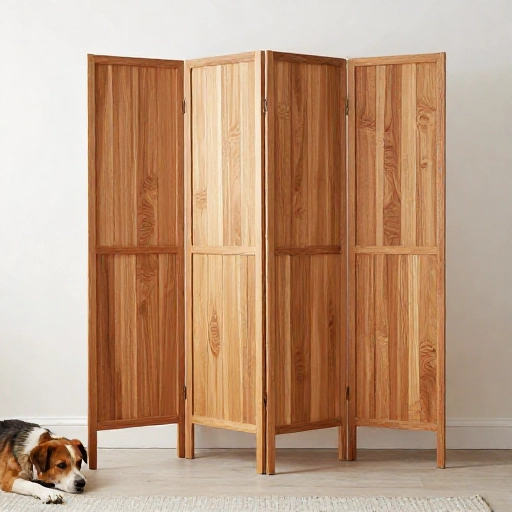
Sometimes you need to block off a large area, like a whole corner of a room or a hallway leading to a staircase. Freestanding room dividers are heavy, sturdy panels that don’t attach to anything. They create a physical wall that even big dogs can’t push over.
These are great because you can configure them in a zigzag pattern to fit your specific space. I have a friend who uses them to create a little “safe room” for her shy cat away from her overly friendly Golden Retriever.
They come in wood, metal, or even fabric finishes, so you can match your decor. The best part is that they’re completely portable—just fold them up and move them to a new spot whenever you need a different layout.
Just make sure the panels are heavy enough at the base so they don’t topple over during a zoomie session.
4. Baby Gates with Extra Tall Height for Jumpers
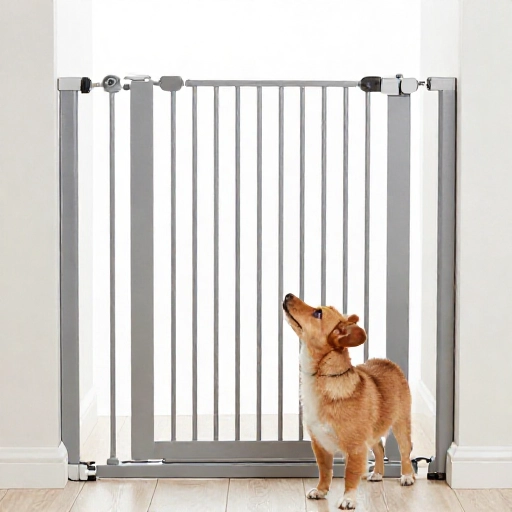
If you have a Houdini on your hands, standard gates are a joke. You need the extra-tall versions, usually over 36 inches high. These are specifically designed for breeds like Huskies, Labradors, or any cat with a serious vertical leap.
I learned this the hard way when my 6-month-old puppy cleared a regular gate like it was nothing. Upgrading to a taller model was a game-changer. It gives you that “oh, okay, you actually can’t get over this” confidence.
Many of these tall gates come with adjustable widths, so they fit most door frames. They often have stronger locking mechanisms too, which is key for determined chewers.
Don’t just look at the height—check the bar spacing. You don’t want a tiny puppy squeezing through the slats.
5. Under-the-Door Draft Stoppers as Barrier Extenders
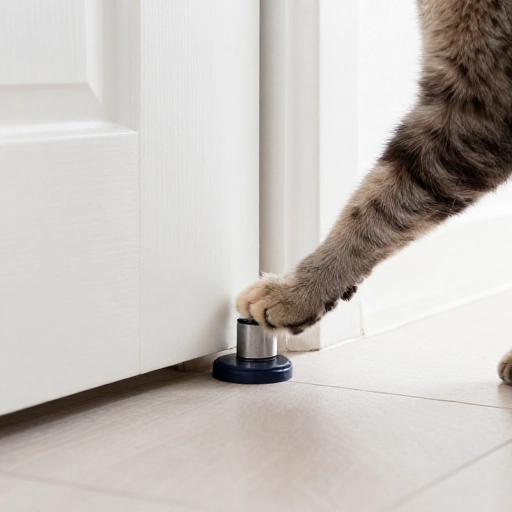
This is the sneaky hack that solves the “gap problem.” Even with a gate, there’s often a space under the door or gate that small pets love to wiggle through. Draft stoppers aren’t just for keeping cold air out—they’re perfect for blocking that tiny gap.
I put one on the inside of my office door so my cat can’t slide his paw under and open it. It’s a simple, cheap solution that takes two seconds to install.
You can buy cute weighted ones, or you can make your own with a pool noodle and some fabric. It’s a great DIY project if you’re feeling crafty.
They work wonders for soundproofing too, which is a nice bonus if your pet is a noisy chewer.
6. Magnetic Screen Doors for Internal Rooms
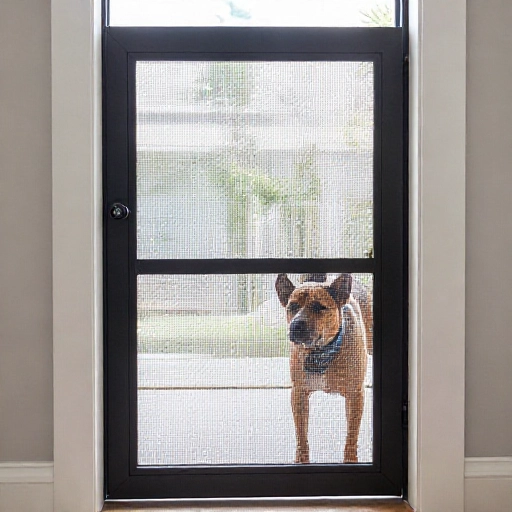
This is a brilliant idea for keeping pets out of specific rooms while still allowing airflow and visibility. Magnetic screen doors use weighted magnets in the middle that snap shut after you walk through. They’re usually used for patios, but they work great indoors too.
I use one to keep my dog out of the nursery. I can see inside, hear the baby, and walk through easily, but the dog knows he can’t get past the flimsy mesh. It’s a psychological barrier as much as a physical one.
Installation is just a few push pins or adhesive hooks. It’s super renter-friendly and leaves no marks.
Just be aware that determined dogs might try to push through the mesh, so this works best for polite pets or small animals.
7. Cushioned Foam Play Yards for Puppies
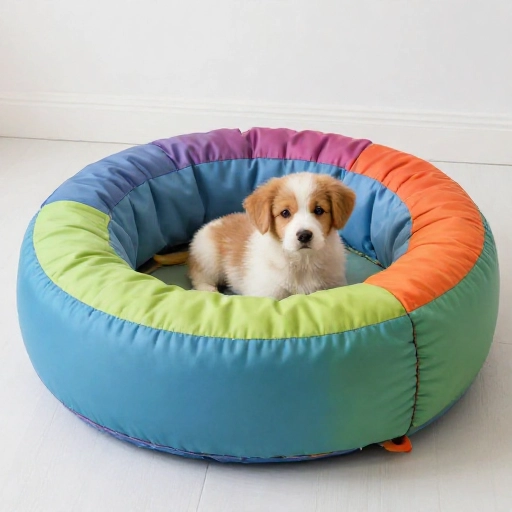
For puppies, a hard gate isn’t always the best option. They’re clumsy and can hurt themselves running into rigid barriers. A cushioned foam play yard is like a giant puzzle mat that you can configure into any shape. They’re soft, safe, and perfect for nap time zones.
These are amazing for keeping a puppy contained to a specific area of the living room while you’re watching TV. You can even attach them to the side of a crate to create a little “porch” area.
The foam is usually waterproof, which is a lifesaver during potty training. You can just wipe them down with a disinfectant wipe.
They fold flat for storage, so they aren’t a permanent eyesore. It’s a much gentler option for a baby animal.
8. Stair Gates with Auto-Close Hinges
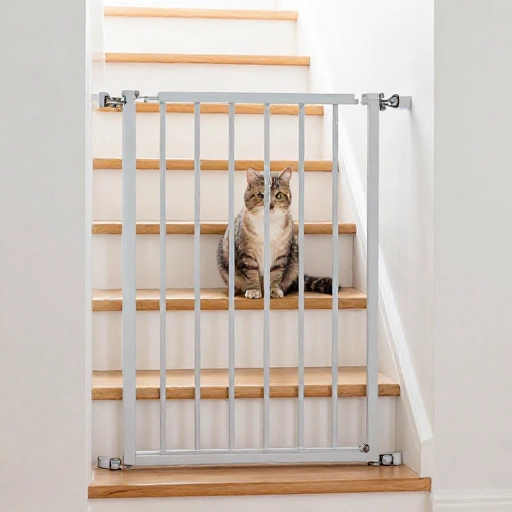
If you forget to close the gate half the time (guilty!), you need an auto-close hinge. These are specifically for staircases and they are non-negotiable for safety. The hinge mechanism ensures the gate swings shut behind you every single time.
I can’t tell you how many times this has saved my dog from taking a tumble. It’s one of those things you don’t think you need until you have it, and then you can’t live without it.
These gates are usually hardware-mounted, meaning you screw them into the wall. This is the most secure option for the top of the stairs, where a fall is the most dangerous.
It’s a small detail that makes a massive difference in daily safety.
9. Clear Acrylic Panels for Modern Safety
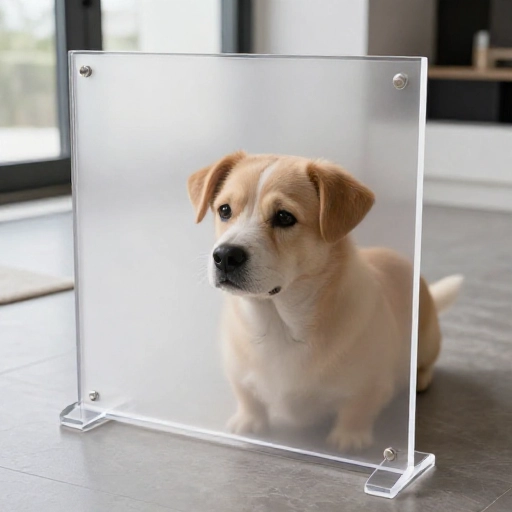
Who says safety can’t be stylish? Clear acrylic panels are a high-end look that keeps pets contained without blocking your view. They’re often used on balconies or to block off fireplaces, but they work great inside to create invisible boundaries.
These are perfect for areas where you want light to pass through and you don’t want to feel like you’re living in a cage. They’re sleek, modern, and easy to clean.
You can get them custom-cut to fit your exact measurements, and they mount flush against the wall. It’s a more expensive option, but it’s incredibly durable and long-lasting.
This is the best choice for people who want a permanent, elegant solution that doesn’t look like a pet product.
10. DIY Tension Rod Curtains for Budget-Friendly Zones
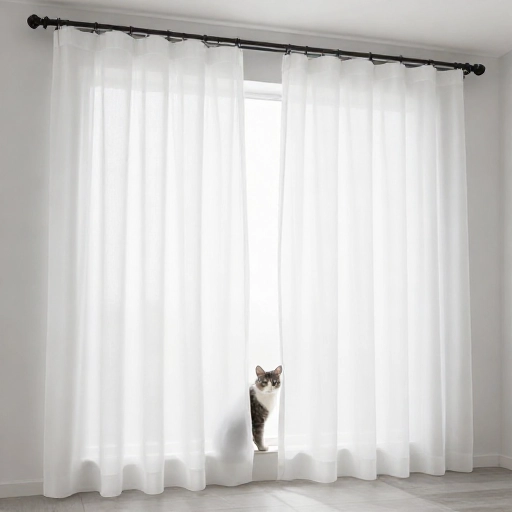
On a budget? Grab a tension rod and a cute curtain. This is the cheapest and easiest way to block off a space. You just wedge the rod between two walls and hang a curtain over it. It’s not for strong dogs, but it’s perfect for keeping cats out of houseplants or blocking off a hallway.
I did this in my laundry room to keep my cat away from the dryer vent. It looks like a boho decoration, but it works as a visual barrier.
The best part is you can change the curtain with the seasons or your decor. It’s a zero-commitment, zero-drill option.
Just test the tension on the rod—you want it tight enough that it doesn’t fall when your pet walks by.
11. The “Second Fence” Strategy for Yard Gates
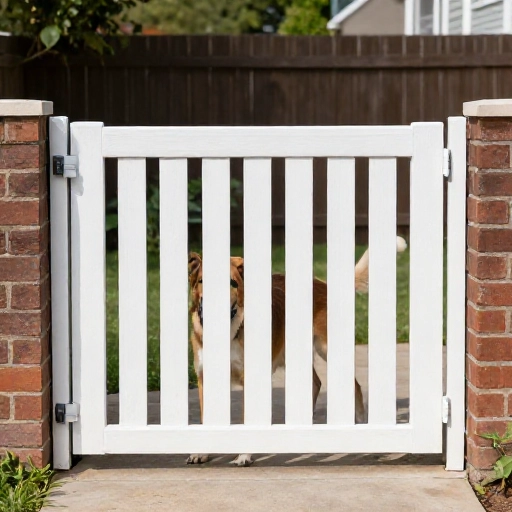
This one is for the backyard. If you have a dog that likes to dig under the fence or squeeze through the gate, you need a “second fence.” This is essentially a smaller, temporary fence set up a few feet inside your main fence line, creating a buffer zone.
I use a simple metal dog pen to create a “lobby” area around my main gate. Even if my dog gets out of the house, he’s still stuck in this second corral, which gives me time to catch him.
It’s also great for keeping kids from leaving the gate open. You can use decorative garden fencing or metal panels—anything that creates that extra layer.
This is the ultimate safety net for escape artists.
Wrapping It Up: Safety Meets Style
Finding the right pet barrier is all about understanding your pet’s personality and your home’s layout. There’s no one-size-fits-all solution, but with these ideas, you’re sure to find something that works for your specific situation. Whether you need a heavy-duty gate for a rambunctious puppy or a stylish screen for a curious cat, the goal is always the same: keep them safe and keep your sanity.
Don’t be afraid to mix and match these ideas. Use a tall gate for the stairs and a draft stopper for the bedroom door. The best setup is the one that makes your daily life easier and stress-free.
Frequently Asked Questions
1. How do I stop my dog from jumping over the gate?
You need to upgrade to an extra-tall gate (36 inches or taller) or stack two gates vertically. You can also add a “jump-free” attachment that extends the height of the gate, making it impossible for them to get the momentum to leap over.
2. What is the best barrier for a cat that climbs?
Cats are climbers, so a traditional gate won’t work. You need a barrier that has a solid surface, like an acrylic panel, or a mesh screen that they can’t grip onto. You can also use a door that you keep closed, but if that’s not an option, a ceiling-high tension screen is your best bet.
3. Are pressure-mounted gates safe for the top of the stairs?
No, it is strongly recommended to use hardware-mounted gates at the top of the stairs. Pressure gates can be knocked loose and cause a serious fall. Always screw a gate into the wall studs for stairway safety.
4. How do I keep my pet out of a room without closing the door?
You can use a baby gate, a magnetic screen door, or a freestanding room divider. For a less intrusive option, a tension rod with a curtain provides a soft visual boundary that many pets respect.
5. Will these barriers help with potty training?
Absolutely! Using a play yard or a gate to confine your puppy to a specific, easy-to-clean area (like the kitchen) helps with potty training. It limits their space, so they are less likely to have accidents in hidden corners, and it helps them learn to hold it until you take them out.