10 Indoor Games to Keep Your Dog Entertained
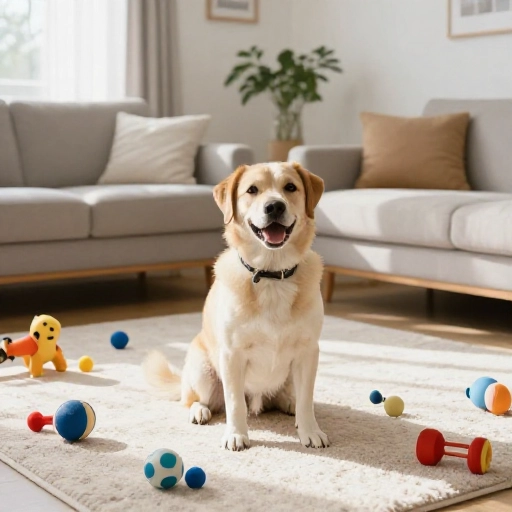
It’s raining outside, or maybe it’s just one of those days when a walk isn’t happening. But your dog is staring at you with those big eyes, tail wagging, clearly bored. We’ve all been there. A restless pup can lead to chewed shoes or a shredded couch cushion. The good news? You don’t need a backyard to burn off that energy.
I’ve tried dozens of indoor games with my own high-energy terrier mix. Some were hits, some were total flops. These ten ideas are the tried-and-true winners that actually work. They’re simple, use stuff you probably already have at home, and will keep your dog’s brain and body busy. Let’s get playing.
1. The Classic “Find the Treat” Game
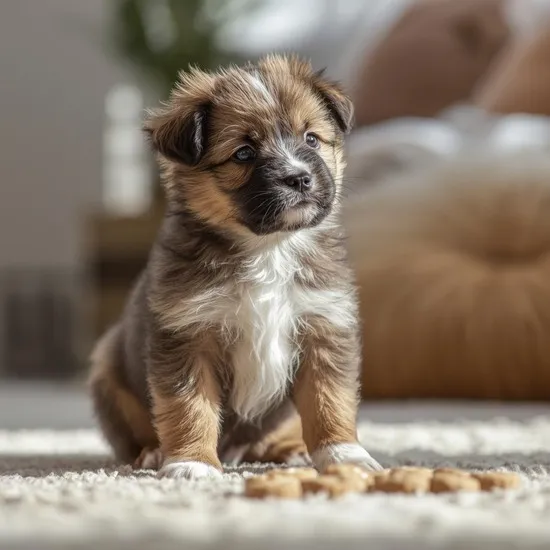
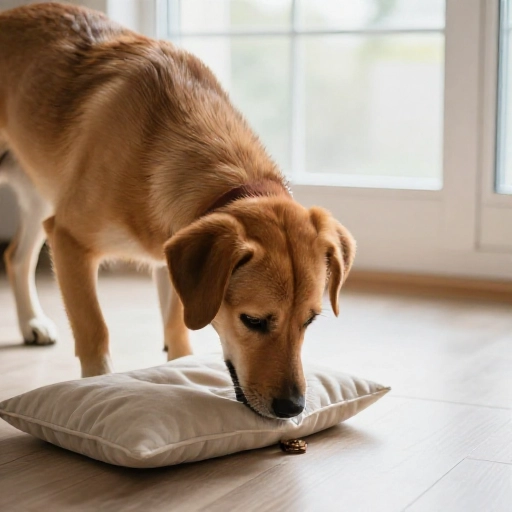
This one never gets old. Have your dog sit and stay, then hide a few small, smelly treats around the living room. Start easy—place them in plain sight. As your dog gets the hang of it, make it harder. Slip a treat under a cushion, behind a curtain, or on a low shelf.
It taps into their natural sniffing instincts. My dog spends a solid ten minutes sniffing out every last crumb. You can even use a specific word like “search” to cue the game. It’s mentally tiring in the best way.
2. DIY Obstacle Course with Household Items
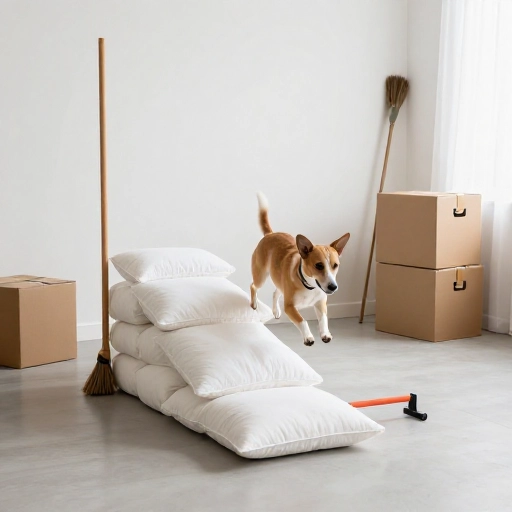
You don’t need fancy equipment. Lay a broomstick across two chairs for a low jump. Stack couch cushions for a climbing challenge. Use painter’s tape on the floor to create a zigzag path. Guide your dog through with a treat in your hand.
Keep it short and safe. No high jumps or slippery surfaces. The goal is fun, not acrobatics. Even five minutes of weaving and stepping keeps their body moving and their mind focused.
3. The Muffin Tin Puzzle
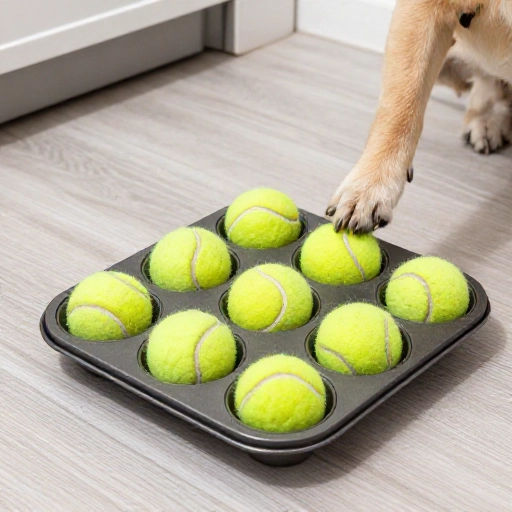
Grab a standard muffin tin. Drop a treat into a few of the cups. Cover every cup with a tennis ball. Your dog has to sniff out which cups have the goodies and push the balls away.
Some dogs get it right away. Others might need you to lift a ball or two to show them how it works. It’s a cheap, reusable puzzle that makes them think. Plus, it’s quiet—no squeaky toys driving you crazy.
4. Tug-of-War with Rules
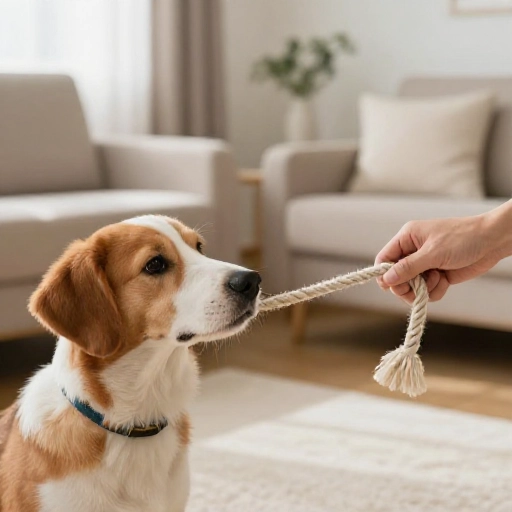
Tug-of-war gets a bad rap, but it’s perfectly fine when you set boundaries. Use a designated tug toy—not an old sock or shoe. Teach a solid “drop it” command before you start. Play for short bursts, then ask for a release.
It’s a great outlet for natural drive. My dog loves the back-and-forth pull, and it wears out his shoulders and jaw. Just keep it calm. If teeth touch skin, game over. That simple rule keeps play safe for everyone.
5. Snuffle Mat Fun
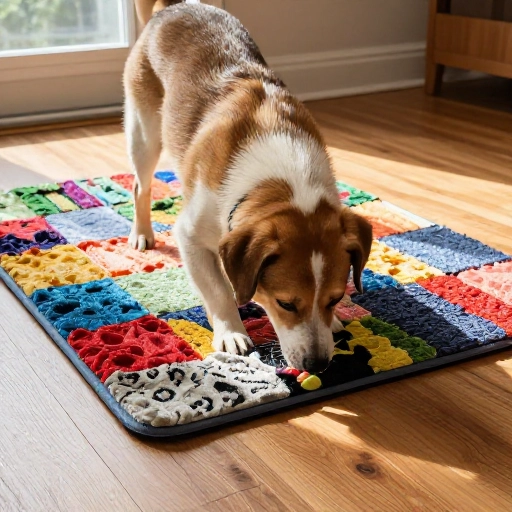
A snuffle mat is basically a fleece shag rug where you hide kibble or treats. Your dog snuffles and roots around to find the food. You can buy one or make it yourself by tying strips of fleece onto a rubber mat.
It mimics foraging in grass. Dogs love it because it’s instinctual and slow-paced. A single meal can take twenty minutes to find. Perfect for rainy afternoons when you need a calm activity.
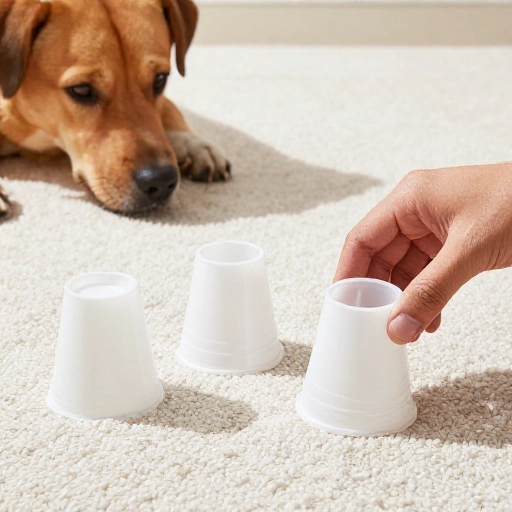
6. The Cup Game Shuffle
Take three plastic cups and place them upside down. Hide a treat under one cup while your dog watches. Shuffle them around slowly. Ask your dog to pick the right cup. They’ll nudge or paw at it.
Start with just two cups to build confidence. As they get better, add more cups or speed up the shuffle. It’s a fun brain teaser. My dog gets so focused, his tail goes stiff—pure concentration.
7. Indoor Fetch with a Twist
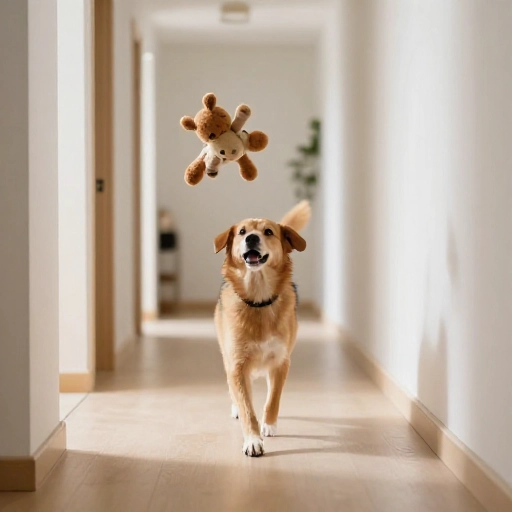
Fetch in a hallway or living room can work, but it gets boring fast. Try adding rules. Throw a soft toy and ask for a “down” before you throw again. Or have them sit at a specific spot before you release them.
You can also teach them to fetch specific toys by name. “Get the hedgehog!” That extra mental layer turns a simple game into a training session. Plus, it keeps them from just zooming around like a maniac.
8. The Box Destruction Derby
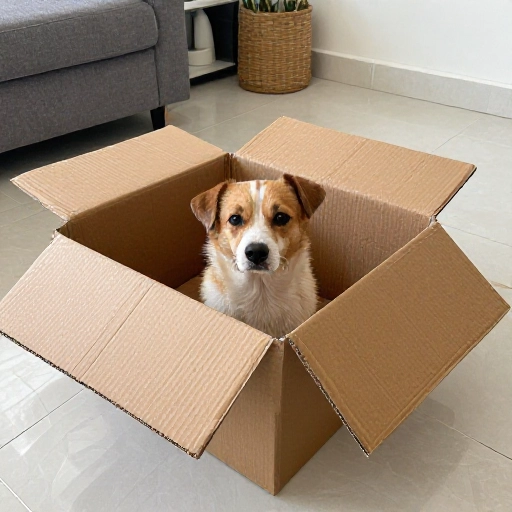
Got an empty cardboard box? Crumple up some paper, toss in a few treats, and close the flaps. Let your dog rip it open. Some dogs go wild, shredding and tossing paper everywhere.
It’s messy, yes. But it’s also incredibly satisfying for a dog who loves to destroy things. Just make sure there’s no tape or staples they could swallow. Supervise the whole thing, then sweep up the confetti. Trust me, the joy on their face is worth the cleanup.
9. Staircase Toss
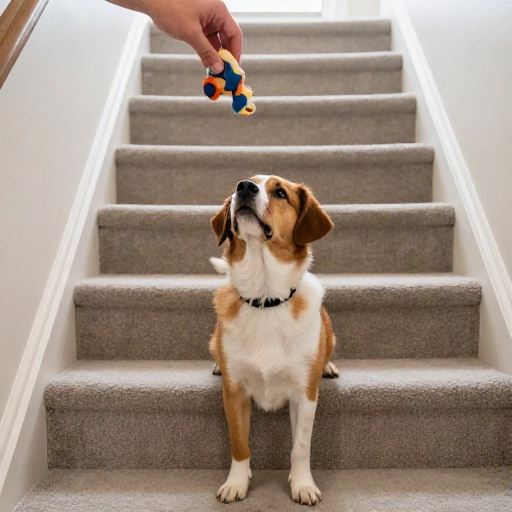
If you have stairs, this is gold. Sit at the bottom and toss a soft toy to the top of the stairs. Your dog races up, grabs it, and brings it back down. Repeat until they’re pooped.
It’s high-intensity but controlled. The stairs add resistance, working their leg muscles. Just be careful with older dogs or breeds prone to joint issues. For healthy pups, it’s an excellent indoor workout.
10. Simple Trick Training Session
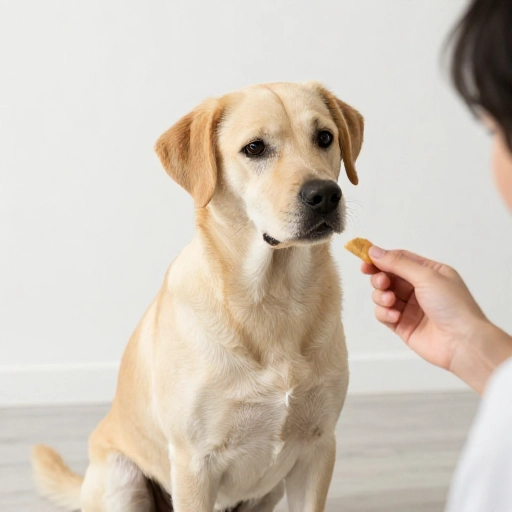
Sometimes the best game is learning something new. Pick a trick you’ve never taught—like “spin,” “play dead,” or “touch.” Use small, soft treats and keep sessions to five minutes. Break the trick into tiny steps.
Training is mentally exhausting for dogs. My dog once fell asleep right after a ten-minute “roll over” session. It’s also a great bonding activity. No toys needed, just you, your pup, and a handful of kibble.
Conclusion
Keeping your dog entertained indoors doesn’t have to be complicated. A little creativity with everyday items can turn a boring day into a playful adventure. The best part? These games strengthen your bond and tire out your pup without needing a big backyard.
Try one or two this week. See which ones your dog loves most. You might discover they actually enjoy rainy days just as much as sunny ones.
Frequently Asked Questions
How long should I play indoor games with my dog?
Most dogs do well with 10- to 20-minute sessions. Short bursts are better than one long play session. Watch for signs of tiredness like lying down or losing interest.
What if my dog doesn’t like puzzles?
Not every dog is a natural puzzle solver. Start with super easy games like treat scatters. Build up difficulty slowly. Some dogs prefer physical games like fetch or tug over mental puzzles.
Can these games replace a daily walk?
Not entirely. Walks provide different stimulation—smells, sights, potty breaks. But on days when walks aren’t possible, these games can meet a lot of their exercise and mental needs.
Are there any safety tips for indoor dog games?
Always supervise play. Avoid small objects that could be swallowed. Use soft toys for fetch indoors. Keep play areas free of sharp furniture edges. Stop if your dog seems stressed or overtired.
How do I keep my dog interested in the same games?
Rotate games every few days. Add new variations—change hiding spots, use different treats, or increase difficulty. Novelty keeps their brain engaged. A game played once a week stays exciting longer.