14 Jack Russell Terrier Training Tips That Actually Work

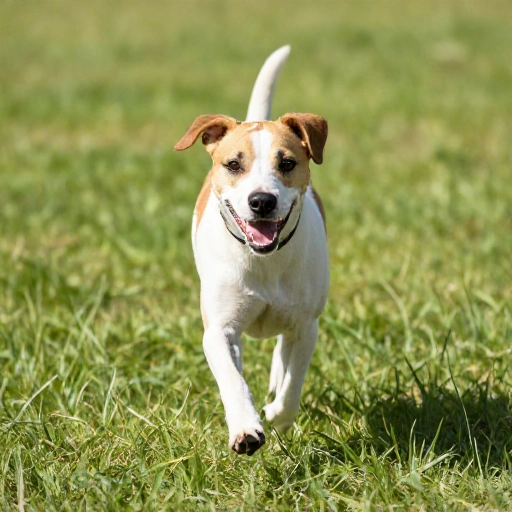
If you’ve ever lived with a Jack Russell Terrier, you know they’re not just dogs—they’re tiny tornadoes wrapped in fur. Smart, feisty, and endlessly energetic, these little dogs can be a handful if you don’t have a solid plan. But once you learn how to channel their energy, they become the most loyal and fun companions you’ll ever have.
I’ve trained my fair share of Jack Russells, and I’ll be honest—it takes patience, consistency, and a good sense of humor. These tips come straight from real experience, not just theory. Whether you’re a first-time JRT owner or looking for fresh ideas, this guide will help you build a strong bond with your dog while keeping your sanity intact.
Let’s dive into 14 tips that will transform your training sessions from frustrating to fantastic.
1. Start Training the Day You Bring Them Home
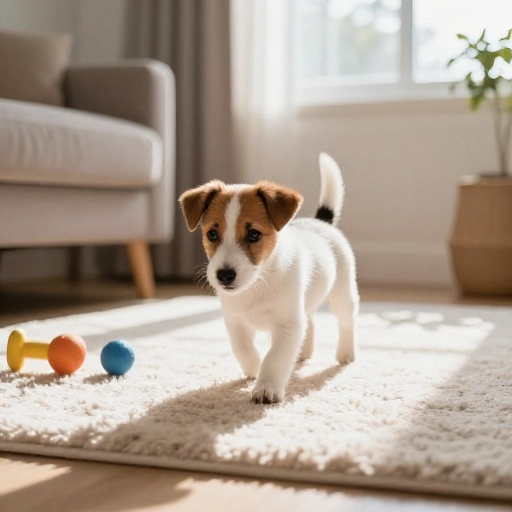
Jack Russells are incredibly smart, and they start learning from day one. Don’t wait until they’re “older” or “settled in.” Begin with simple rules like where to sleep and what not to chew. The sooner you set boundaries, the easier everything else becomes.
Puppies absorb routines fast, so use that to your advantage. Even a 10-minute session on day one sets the tone for the rest of their life.
2. Use High-Value Treats Every Time
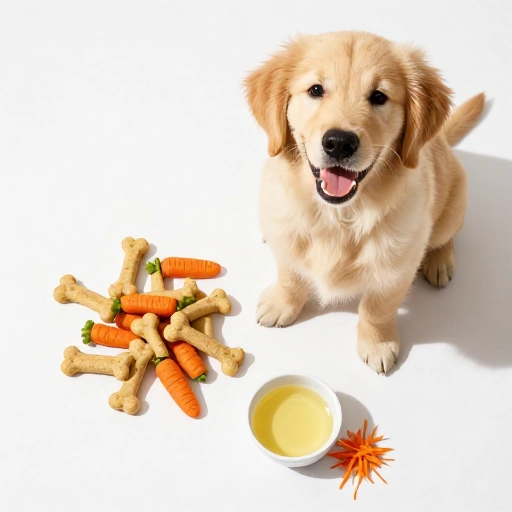
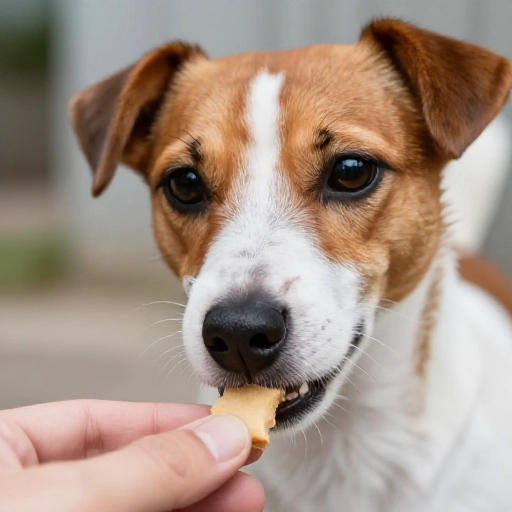
Jack Russells are food-motivated, but not all treats are created equal. Save the really good stuff—like tiny pieces of cheese, chicken, or freeze-dried liver—for training. If your dog knows you have something amazing, they’ll pay attention.
Cut treats into pea-sized pieces so you can reward often without overfeeding. A hungry JRT is a focused JRT.
3. Keep Sessions Short and Fun
These dogs have short attention spans, especially when they’re young. Aim for 5 to 10 minutes per session, two or three times a day. End on a positive note, even if it’s just a simple “sit” they already know.
If you push too long, they’ll get bored and start inventing their own fun—usually by digging up your garden.
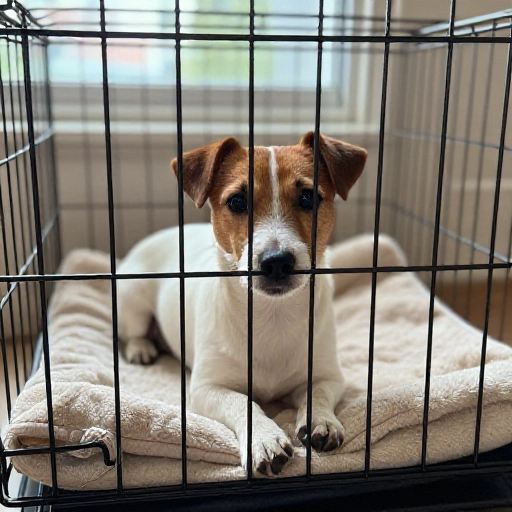
4. Crate Training Is Non-Negotiable
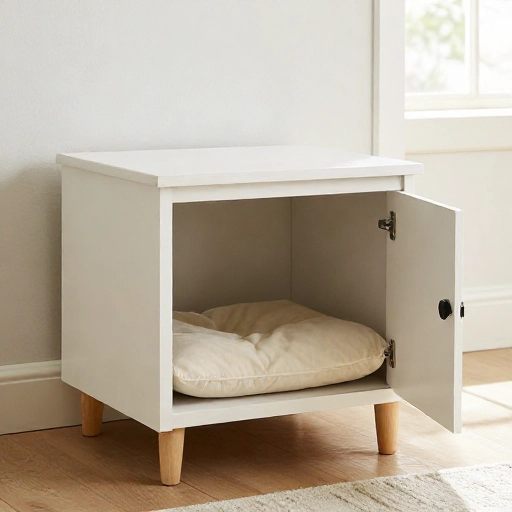
A crate gives your Jack Russell a safe space and helps with potty training, chewing, and settling down. Make it cozy with a soft bed and a toy, and never use it as punishment. Feed them in the crate so they associate it with good things.
Jack Russells can be stubborn about confinement, so go slow. Toss treats inside and let them explore at their own pace.
5. Teach “Leave It” Early
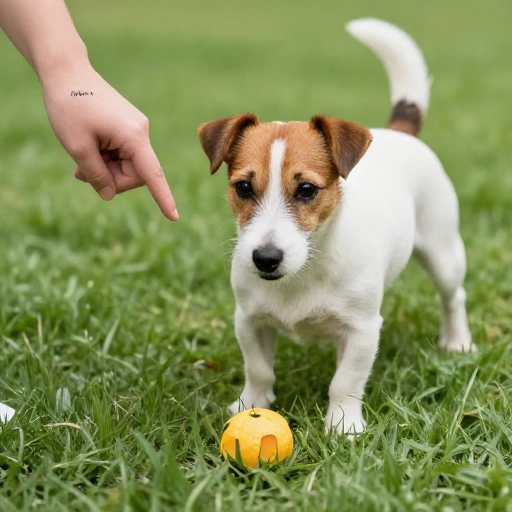
Jack Russells were bred to hunt, which means they chase anything that moves—squirrels, leaves, even your socks. Teaching “leave it” can save you a lot of headaches. Start by holding a treat in your closed fist and only opening it when they stop trying to get it.
Once they understand the concept, practice with more tempting items. This one command can prevent accidents and keep them safe.
6. Exercise First, Train Second
A tired Jack Russell is a trainable Jack Russell. Before a training session, take them for a brisk walk or play a game of fetch. Burning off some energy helps them focus and reduces frustrating behaviors like barking or nipping.
Even five minutes of intense play can make a difference. You’ll notice they listen much better after a good run.
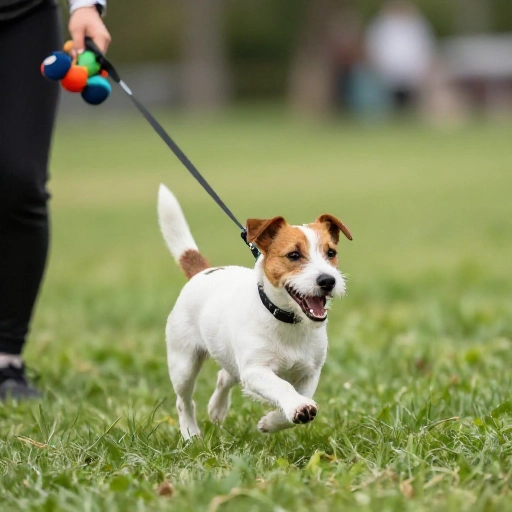
7. Be Consistent with Commands
Use the same words and hand signals every single time. If you say “down” to mean lie down one day and “off” the next, you’ll confuse your dog. Pick a set of commands and stick with them—everyone in the household should use the same words.
Jack Russells are clever enough to learn the difference, but consistency makes everything faster and less frustrating for both of you.

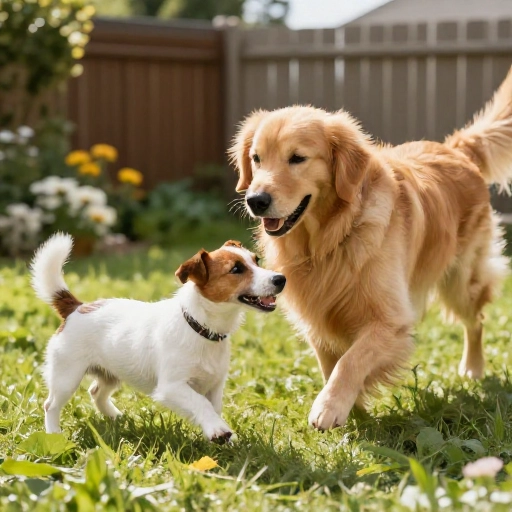
8. Socialize, Socialize, Socialize
Start socializing your Jack Russell as early as possible. Introduce them to different people, dogs, and environments. Puppy classes are great, but even walks around the neighborhood count. This helps prevent fear-based aggression and excessive barking.
Keep experiences positive. If your dog seems nervous, don’t force it—just take a step back and try again later. A well-socialized JRT is a joy to be around.
9. Use Their Hunting Instincts for Good
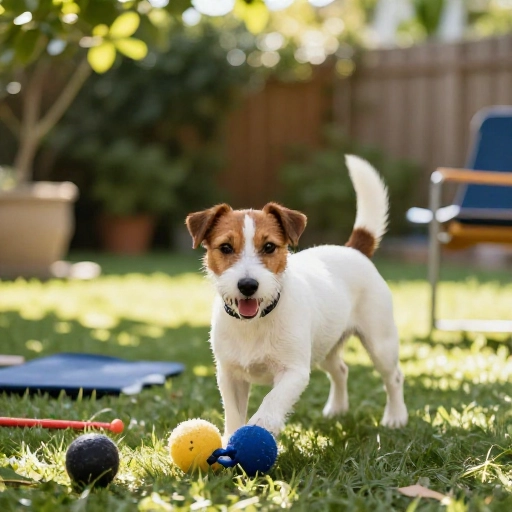
Instead of fighting their natural drive, use it. Hide treats around the house and let them “hunt” for them. Play games that involve chasing a toy or finding a hidden object. This taps into their instincts and keeps them mentally stimulated.
Mental exercise is just as important as physical exercise for Jack Russells. A bored JRT will find trouble—trust me on this.
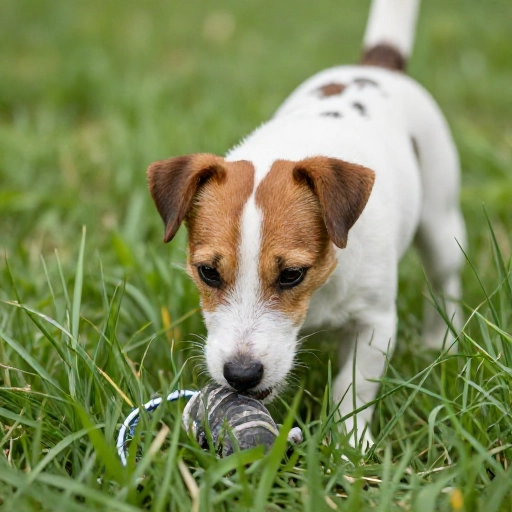
10. Say No to Negative Punishment
Yelling or hitting will only make a Jack Russell more stubborn or fearful. These dogs respond best to positive reinforcement. Ignore bad behaviors when possible and reward the good ones. If they’re jumping up, turn your back and only give attention when all four paws are on the floor.
They’re sensitive underneath that tough exterior. Kindness and patience go a long way.

11. Practice Recall Everywhere
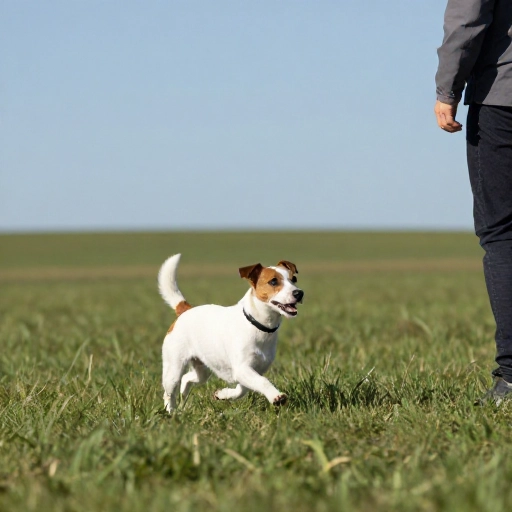
Jack Russells are notorious for ignoring their owners when they see something interesting. Practice recall in different environments—starting indoors, then moving to your yard, then to a quiet park. Use a long leash for safety and always reward with something amazing when they come back.
Never call them to you for something negative, like a bath or nail trim. You want “come” to always mean something good.
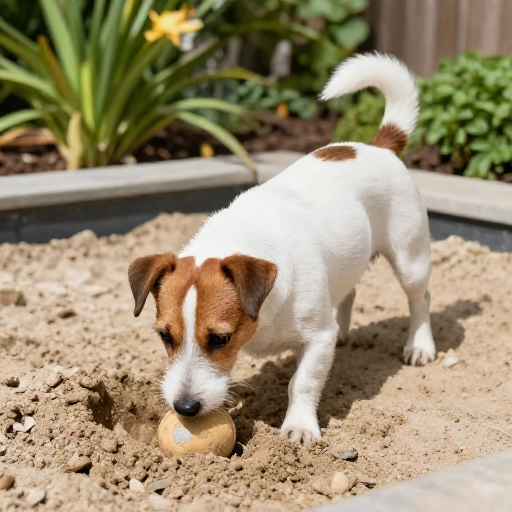
12. Manage Their Digging Urge
Digging is in their DNA. Instead of trying to stop it completely, give them a designated digging spot. A sandbox or a patch of dirt in your yard can save your flower beds. Bury toys and treats there to encourage them to dig in the right place.
If they dig elsewhere, calmly redirect them to their spot. With time, they’ll learn where digging is allowed.
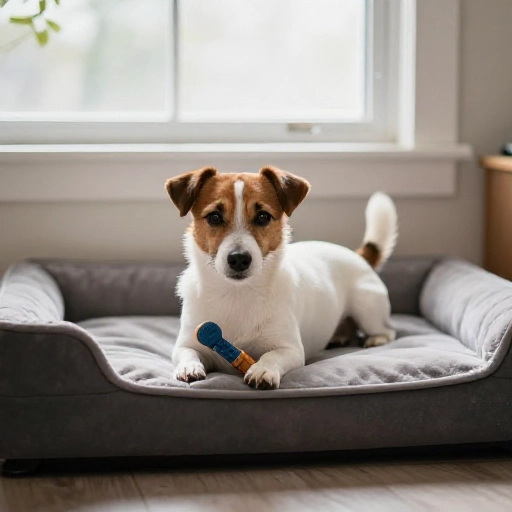
13. Teach Settle Down Time
Jack Russells don’t always know when to stop. Teaching a “settle” command helps them relax when it’s quiet time. Start by rewarding them for lying down calmly, then gradually increase the duration. Use a mat or bed as their special spot.
This is especially helpful if you work from home or have guests over. A dog that can settle on cue is a dream.
14. Don’t Skip the Basic Commands
Even if your Jack Russell seems advanced, keep practicing sit, stay, down, and heel. These basics build a foundation for everything else. Spend a few minutes each day reviewing them, even after your dog knows them well.
Repetition isn’t boring for them—it’s reassuring. Plus, it keeps their mind sharp and reinforces your role as the leader.
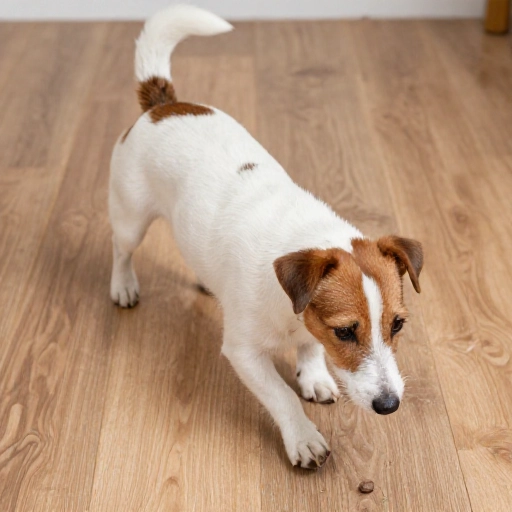
Training a Jack Russell Terrier is a journey, not a destination. There will be days when you want to pull your hair out, and other days when you’re amazed by how brilliant they are. Stick with it, stay consistent, and don’t forget to laugh at the chaos. These dogs are worth every bit of effort.
Remember, every small win counts. Celebrate the moments when they listen, forgive the moments when they don’t, and keep showing up. Before you know it, you’ll have a well-mannered terrier who’s still full of personality—just a little easier to live with.
Frequently Asked Questions
Are Jack Russell Terriers hard to train?
They can be, yes. Their intelligence and independence mean they need a patient, consistent trainer. But with the right approach, they learn quickly and love to please.
How much exercise does a Jack Russell need?
At least 30 to 60 minutes of active exercise daily. This can include walks, playtime, and mental games. A tired JRT is a happy JRT.
Can Jack Russells be left alone during the day?
They don’t do well alone for long hours. They need plenty of exercise and mental stimulation before you leave. Crate training and puzzle toys can help, but try not to leave them more than 4 to 6 hours.
Do Jack Russells get along with other dogs?
With early socialization, yes. But they can be territorial or bossy. Supervise introductions and go slow. Many JRTs do best as the only dog in the house.
What’s the best age to start training a Jack Russell?
Right away! Start basic training as soon as you bring them home, usually around 8 weeks old. Puppies are sponges for learning, so use that window wisely.