Pet Grooming Business Setup Made Simple: From Passion to Profit in 10 Easy Steps

Have you ever looked at a perfectly fluffed Bichon Frise and thought, “I could do that”? Starting a pet grooming business isn’t just about cute puppies and thank-you kisses (though those are definitely perks). It’s about turning a love for animals into a flexible, rewarding career where you’re the boss.
I remember my first day in my own salon—my hands were shaking as I clipped my first client. But honestly, the hardest part wasn’t the grooming; it was figuring out the business part. That’s why I put together this super simple, step-by-step guide. Whether you’re working out of a spare room or planning a brick-and-mortar shop, let’s get you set up for success without all the stress.
1. Start With a Small, Smart Plan (Skip the Fancy Stuff)
You don’t need a 50-page business plan. You just need a clear picture of your “why” and your “how.” Grab a notebook and jot down who you want to groom (doodles? cats? senior dogs?), what you’ll charge, and what your hours will look like.
Think about your start-up budget honestly. A pair of quality clippers, shears, a sturdy table, and a tub can get you going for less than you think. Don’t blow your savings on top-of-the-line equipment right away. Buy good, reliable tools and upgrade as you grow.
Make sure to check your local zoning laws and insurance requirements first. It sounds boring, but it’s the safety net that lets you sleep at night knowing you’re protected.
Finally, set a simple financial goal for the first six months. It doesn’t have to be huge—just enough to cover your costs and pay yourself a little something.
2. Master the Safety Basics Before You Even Open Your Doors
Safety is the heart of a good grooming business. It’s not just about avoiding nicks; it’s about the overall well-being of the pets in your care. Before you take on your first paying client, learn the basics of pet first aid and CPR.
Invest in a good pair of non-slip shoes and learn how to use a grooming loop properly. Never leave a dog unattended on the table, even for a second—that’s rule number one. Trust me, a wiggly pup can get into trouble faster than you can blink.
You also need to know the signs of heatstroke and stress in dogs. A happy, calm pet is a safe pet. If a dog is panting excessively or trying to hide, it’s time to take a break. Your goal is to make the experience as low-stress as possible.
Keep a well-stocked first-aid kit for pets. It’s one of those things you hope you never use, but you’ll be so glad it’s there if you need it.
3. Choose a Space That Works for You (And Your Back)
Are you going mobile, working from home, or renting a suite? Each option has its perks. A mobile van is great for convenience and low overhead, but you’ll spend time driving. Working from home saves money but can blur the lines between work and relaxation.
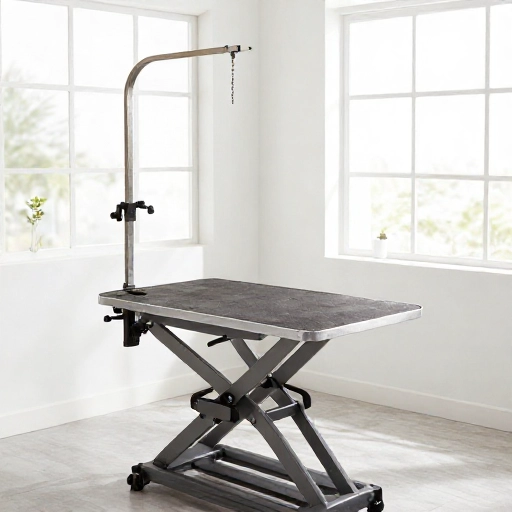
If you’re renting a space, look for good ventilation and natural light. Grooming is dusty work, and you’ll want fresh air. Make sure you have enough room to move around the table without bumping into walls. Your back will thank you for a table that adjusts to your height.
Think about the flow of your space. You need a washing area, a drying space, a grooming table, and a safe place for pets to wait. A simple “wet” zone and a “dry” zone will make your day go so much smoother.
Don’t forget about the floors. You’ll want something easy to clean, like vinyl or sealed concrete, not carpet. Trust me, you’ll be mopping up hair and water more times a day than you can count.
4. Pick the Right Tools (And Keep Them Sharp)
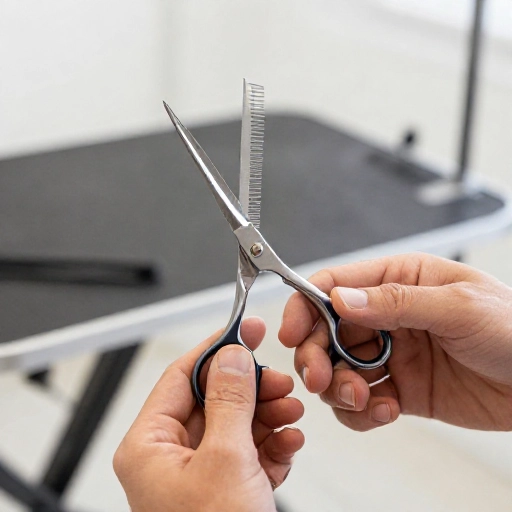
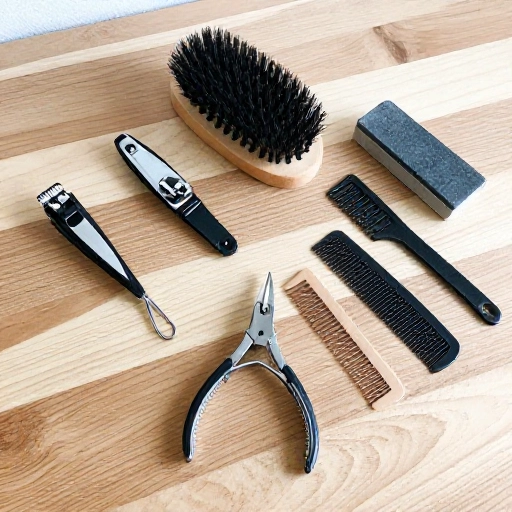
Your tools are your best friends. You don’t need a hundred different brushes, but you do need the right basics. Start with a high-quality pair of straight shears, a pair of curved shears, and some thinners. These three will handle most haircuts.
Invest in a good clipper that is quiet and doesn’t vibrate too much. A nervous dog can be spooked by loud noises. Keep your blades oiled and clean daily—it makes a huge difference in the quality of the cut and the comfort of the dog.
Don’t forget the small stuff: nail clippers, styptic powder, ear cleaner, and a good deshedding tool. These little items are what turn a good groom into a great one. You’ll quickly learn which tools are your “must-haves” and which ones just sit in the drawer.
As you get more clients, you’ll start to develop your own style. Maybe you’ll fall in love with a particular brand of brush or a specific type of comb. Just remember, you don’t need to buy everything at once. Build your kit as you go.
5. Set Your Prices With Confidence (Don’t Undersell Yourself)
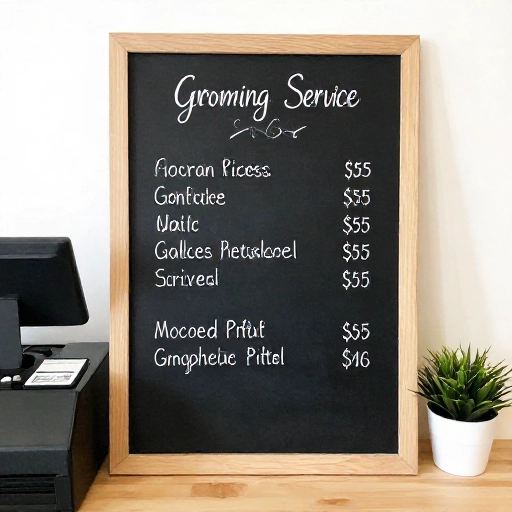
Pricing is tricky. You don’t want to scare people away, but you also don’t want to work for pennies. Look at what other groomers in your area are charging, but don’t just copy them. Factor in your time, your skill level, and the products you use.
Consider charging by the size of the dog and the condition of the coat. A matted, matted dog takes way more time and patience, so it’s fair to charge extra. Don’t be afraid to add a “de-matting” fee. Your time is valuable, and you should be paid for it.
It’s also a good idea to have a clear price list for add-ons like nail grinding, teeth brushing, or special puppy packages. These little extras can really boost your income. And remember, it’s easier to lower your prices later than it is to raise them, so start where you feel comfortable.
Don’t be afraid to charge a little more than you think you should. You are a professional, and you are providing a valuable service. Confidence in your pricing shows in your work.
6. Create a Simple Booking System That Saves Your Sanity
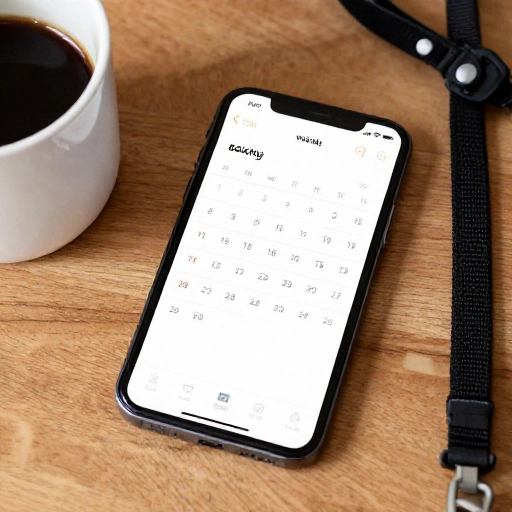
You can’t remember appointments in your head—trust me on this one. You need a system. Whether it’s a simple paper planner or a digital scheduling app, find something that works for you. I use a simple online booking system, but a calendar works just as well when you are starting out.
Make sure you have a clear cancellation policy. Life happens, but you need to protect your time. A 24-hour notice policy is standard and fair. You can even ask for a small deposit for new clients to avoid no-shows.
Send reminders to your clients via text or email. This reduces the “I completely forgot” calls and keeps your schedule full. A quick confirmation text is a lifesaver.
Keep detailed notes on each pet. I keep a little file on every dog—their likes, dislikes, any allergies, and the exact haircut they got last time. It makes each visit feel personal and professional.
7. Build a Brand That People Will Love and Remember
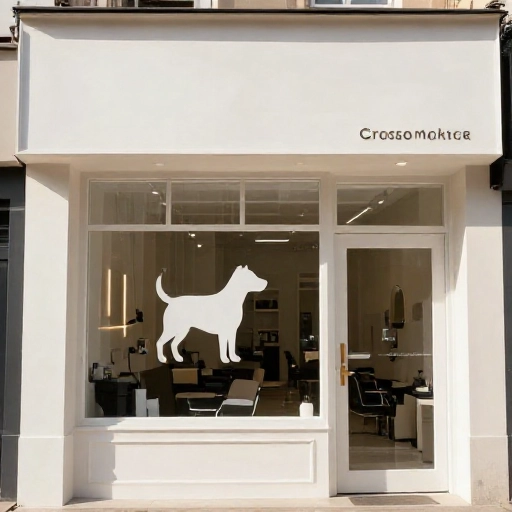
Your brand is more than just a logo. It’s the feeling people get when they think of you. Are you the calm, gentle groomer? The fun, quirky one? Let your personality shine through in your business name and your branding.
You don’t need to be a graphic designer to have a pretty logo. Use a simple design tool or hire a student to create something simple and clean. Pick two or three colors that you love and use them consistently on your business cards, signs, and social media.
Take good photos of your work. You don’t need a fancy camera—your phone is perfect. Natural light is your best friend. Before and after photos are always a hit, especially with dramatic transformations! These photos are your best marketing tool.
Make your brand feel personal. Share your story on your website or Instagram. People want to know who is taking care of their furry family members. Let them see your happy face and your love for animals.
8. Master the Art of the Gentle Introduction (Getting New Clients)
Your first few clients are your most important. They are the ones who will spread the word about you. Start by telling your friends and family. Offer them a small discount for their first visit in exchange for a review or a referral.
Get on social media. You don’t have to be on every platform, but pick one and be consistent. Post your grooms, share grooming tips, and show your personality. Use local hashtags to get discovered by pet parents in your area.
Consider teaming up with local businesses like vet clinics, dog walkers, or pet stores. You can leave your business cards with them, and they can recommend you to their clients. It’s a win-win relationship.
Word of mouth is gold in this industry. If you do a great job, people will talk. Be reliable, be kind, and be excellent at what you do. That is the best marketing you can ever buy.
9. Handle the Tough Stuff (Difficult Dogs and Tricky Clients)
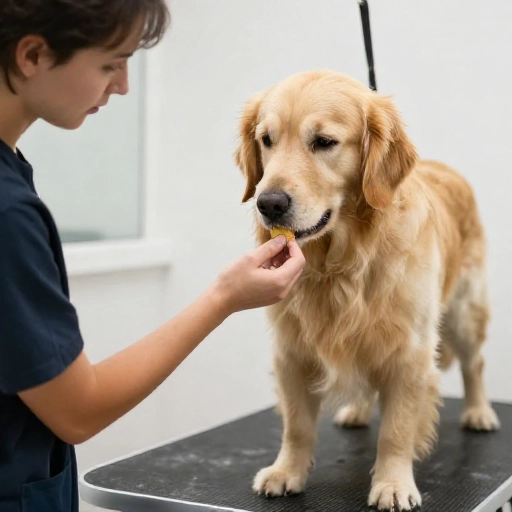
Not every dog is a happy, wiggly ball of fluff. Some are scared, some are grumpy, and some are just having a bad day. You need to be patient and read their body language. If a dog is showing signs of fear, slow down. It’s better to take longer than to force it.
Sometimes, a dog might be too stressed to have a full groom. It’s okay to stop and suggest that the owner comes back another day. Your safety and the dog’s well-being are more important than finishing the groom. It’s not a failure; it’s good judgment.
You’ll also have to deal with difficult humans. Be polite, but be clear. If a client is unhappy with the groom, listen to their concerns and offer a reasonable solution. You don’t have to be a doormat, but a little empathy goes a long way.
Always have a signed waiver. This protects you and sets clear expectations. It should state that you will not be held responsible for pre-existing conditions like matting or skin issues. It’s a simple piece of paper that saves a lot of headaches.
10. Keep Learning and Growing (The Fun Never Stops)
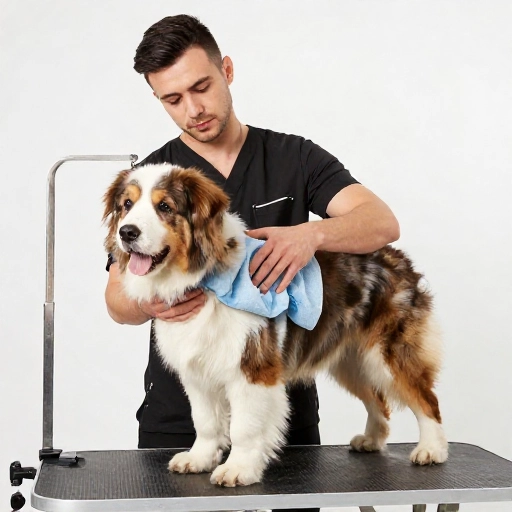
The grooming world is always changing. New styles, new tools, and new techniques are popping up all the time. Don’t be afraid to take a class or watch a tutorial online. There’s always something new to learn.
Follow other groomers on social media for inspiration. See how they handle different coat types or creative cuts. It’s a great way to get ideas and see what’s possible. You’ll be amazed at how much you can learn from just watching others work.
Ask your clients for feedback. Find out what they love and what they think you could improve. This helps you get better and shows them that you care about their experience.
Remember to take care of yourself, too. This is a physical job. Stretch, take breaks, and don’t overbook yourself. A happy, healthy groomer is a better groomer.
Final Thoughts: You’ve Got This!
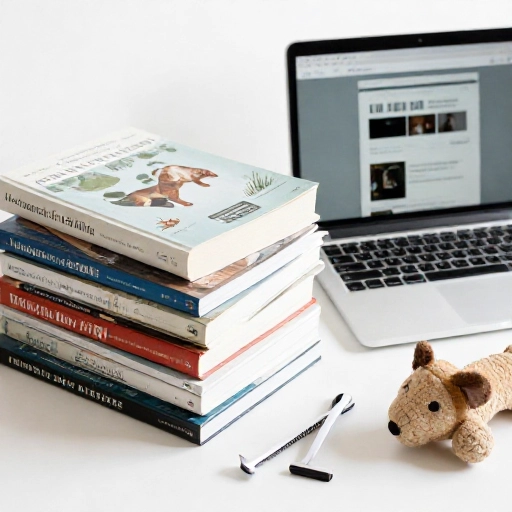
Starting a pet grooming business is a big step, but it’s also one of the most rewarding things you can do. It’s a journey filled with wagging tails, purring cats, and the deep satisfaction of a job well done. Remember, you don’t have to have everything perfect to start. You just have to start.
Be patient with yourself and your furry clients. Every groom is a learning experience. Embrace the mess, celebrate the wins, and always keep the love for animals at the center of your work. You’re not just making pets look good—you’re making them feel good, and that’s a beautiful thing.
Now, go get those clippers ready. Your future is waiting.
FAQ: Your Burning Questions Answered
Q1: Do I need a license to be a pet groomer?
A: It depends on where you live. Some states and cities have specific licensing or certification requirements, while others don’t. It’s always best to check with your local government or business licensing office to see what’s required in your area. Even if it’s not required, getting certified can boost your credibility and skills.
Q2: How much money do I need to start a mobile grooming business?
A: You can start small for around $1,000–$2,000 if you have a van and basic tools. However, a fully equipped, custom-built mobile grooming van can cost anywhere from $30,000 to $80,000. Starting with a simple setup in a clean, safe space is a great way to test the waters without a huge investment.
Q3: How long does a standard grooming appointment take?
A: It really depends on the size of the dog and the condition of its coat. A small dog with a simple trim might take about 1.5 hours, while a large, matted dog could take 3 hours or more. It’s important to build in buffer time between appointments so you don’t feel rushed.
Q4: What should I do if a dog gets injured during grooming?
A: Stay calm. Assess the injury. For minor nicks, you can use styptic powder. For anything more serious, seek veterinary care immediately. This is why having insurance is so important—it protects you and the pet. Always be honest with the owner about what happened.
Q5: How do I handle a dog that is very aggressive?
A: Safety first. Never put yourself at risk. You can use muzzles or other restraint tools, but only if you’ve been trained to use them properly. If a dog is too aggressive, it’s okay to refuse the groom and recommend a vet or a behaviorist. You are not obligated to groom every dog.