13 Easy Dog Grooming Tips Every Owner Should Know for a Cleaner, Calmer, Shed-Free Pup
When I got my first dog, I thought grooming meant a quick bath and a brush when I remembered. Then I found fur in my coffee, a tick behind an ear, and nails that clicked on the floor like tap shoes. Since then, I’ve learned that easy dog grooming is really about small habits—done often, with treats and patience.
You don’t need a salon setup or a closet full of fancy tools. You just need a simple routine that fits your dog’s coat, age, and comfort level. These 13 dog grooming tips are the ones I wish I’d known from day one.
Pin this guide for later, and use it as your at-home dog grooming checklist. Even five minutes a day can make a huge difference in how your pup looks, feels, and smells.
1. Start Grooming Early and Keep Sessions Short
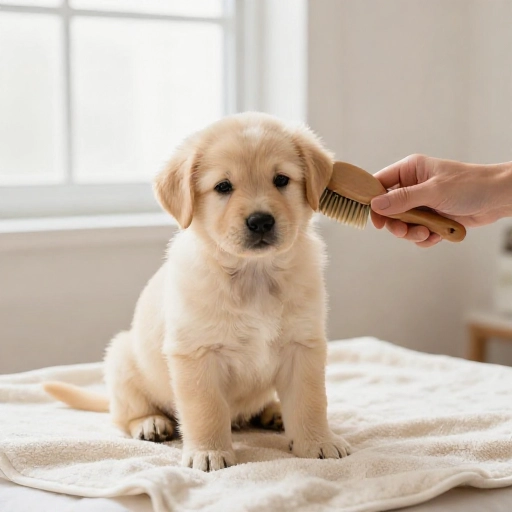
If your dog is a puppy, touch their paws, ears, and tail while they’re relaxed. I pair every touch with a tiny treat so grooming feels like a game, not a trap.
For adult dogs, start with two-minute sessions. Brush one side, then stop. Next time, do the other side. Short and sweet beats a long wrestling match every single time.
2. Match Your Brush to Your Dog’s Coat Type
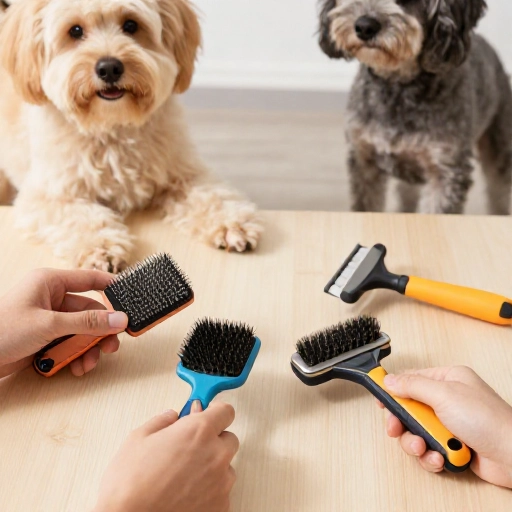
A brush that works on a poodle won’t work on a husky. I keep a slicker brush for my long-haired dog, a rubber curry for short coats, and a metal comb for tangles.
If you’re not sure, ask a groomer or vet tech for a quick recommendation. The right tool can cut shedding, prevent mats, and make your dog actually enjoy being brushed.
3. Brush Before Baths, Not After Mats
I always brush out tangles before water touches my dog’s coat. Once mats get wet, they tighten like little knots of steel. That’s painful and much harder to remove.
Use a comb after brushing to check for hidden mats behind the ears, under the collar, and near the tail. If you hit a knot, work it loose with your fingers and a detangler spray made for dogs.
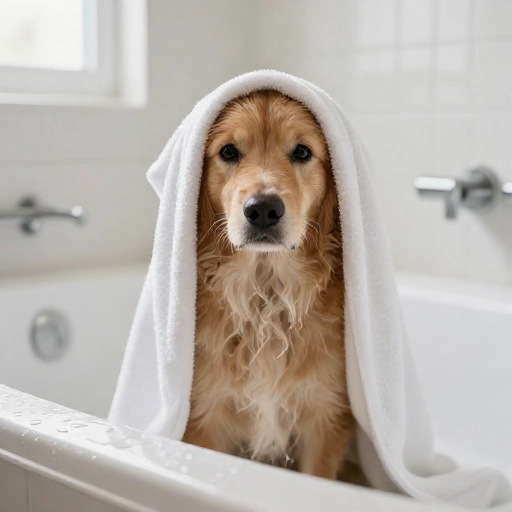
4. Bathe Less Often Than You Think
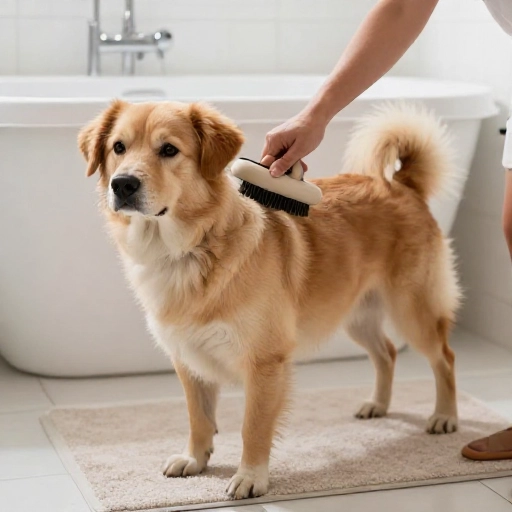
Most dogs don’t need a bath every week. I wash my dog every four to six weeks unless they roll in something truly awful. Too much bathing can dry out their skin and coat.
Always use a dog-specific shampoo. Human shampoo can upset their skin’s pH. Rinse, rinse, and rinse again—leftover soap is a common cause of itching and flakes.
5. Learn the Nail Trim Basics (or Use a Grinder)
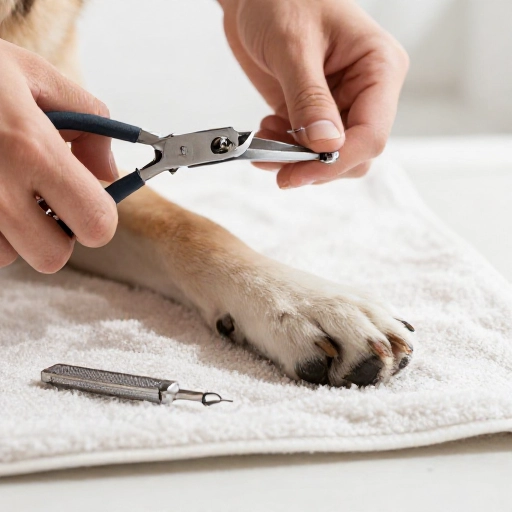
Long nails can change how your dog walks and even cause paw pain. I check nails every two weeks. If I hear clicking on the floor, it’s time for a trim.
The quick is the pink part inside the nail, and it has a blood supply. If you’re nervous, trim tiny bits at a time or use a nail grinder. Keep styptic powder nearby just in case.
If your dog hates nail trims, try one nail a day. That’s it. One nail, one treat, done. Over time, it becomes no big deal.
6. Clean Ears Gently—Never Stick Anything Deep Inside
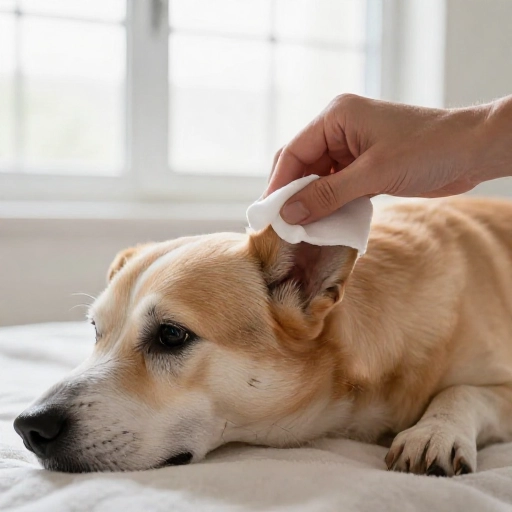
I check my dog’s ears once a week for redness, wax, or a bad smell. A little ear cleaner on a cotton ball around the outer flap is usually enough.
Don’t push cotton swabs into the ear canal. You can damage the ear or push debris deeper. If your dog shakes their head, scratches their ears, or has discharge, call your vet.
7. Brush Your Dog’s Teeth (Yes, Really)
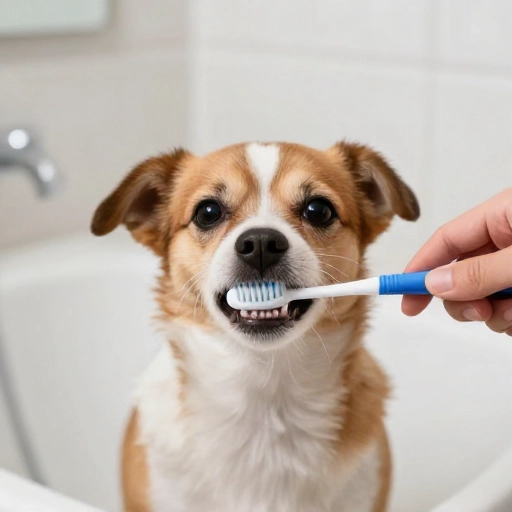
Dental disease is one of the most common issues I hear about from vets. I use dog toothpaste and a finger brush or soft pet toothbrush a few times a week.
Start by letting your dog lick the toothpaste. Then brush one tooth. Then two. Build up slowly, and never use human toothpaste—it can be toxic to dogs.
8. Trim the Sanitary Area and Paw Hair Safely
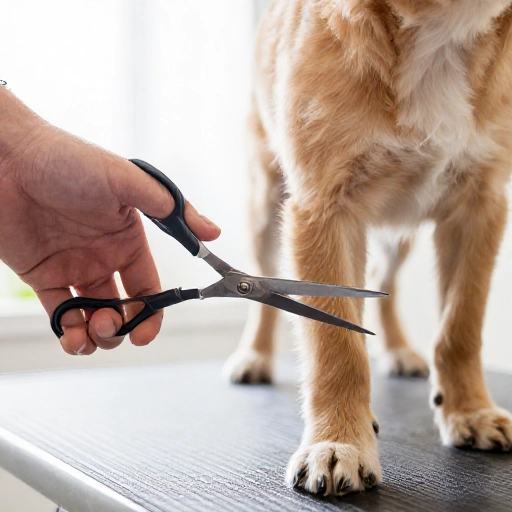
Hair around the potty area can trap debris, and long paw hair can collect mud and ice balls. I use blunt-tip grooming scissors and only trim what I can clearly see.
For paw pads, I comb the hair upward and trim carefully between the pads. If your dog won’t hold still, ask a groomer to show you the safest method first.
9. Handle Paws and Feet Every Single Day
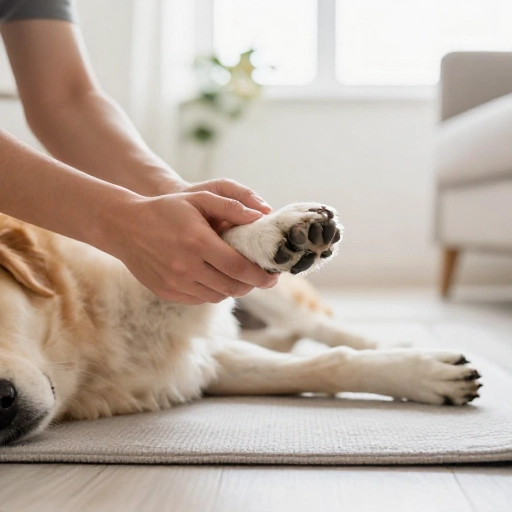
Paws are the most ticklish, sensitive part of grooming for many dogs. I gently hold each paw for a few seconds, press the pad, and give a treat.
Once your dog is comfortable, you can look for cracked pads, cuts, pebbles, or burrs. This tiny habit makes nail trims and vet visits so much easier.
10. Dry Thoroughly After Baths to Prevent Hot Spots
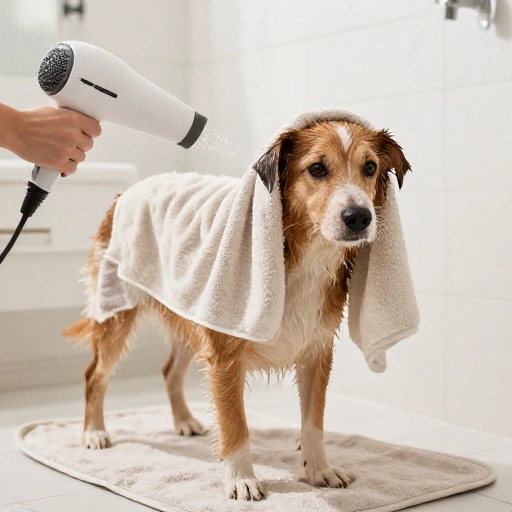
A damp coat, especially on thick-coated dogs, can lead to hot spots and skin infections. I towel dry first, then use a pet-safe blow dryer on the cool or low setting.
Pay extra attention to the armpits, belly, ears, and between the toes. If your dog is scared of the dryer, let them air dry in a warm room and keep them away from drafts.
11. Use Grooming Time as a Health Check
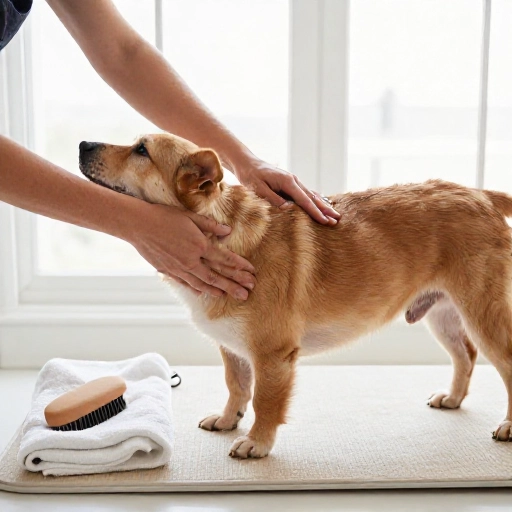
While I brush, I run my hands over my dog’s whole body. I’m looking for lumps, bumps, scabs, fleas, ticks, or tender spots. I once found a tick hiding right behind an ear.
Write down anything new or changing, and mention it at your next vet visit. Grooming isn’t just about looks—it’s a simple way to catch problems early.
12. Make Grooming Calm, Not Chaotic
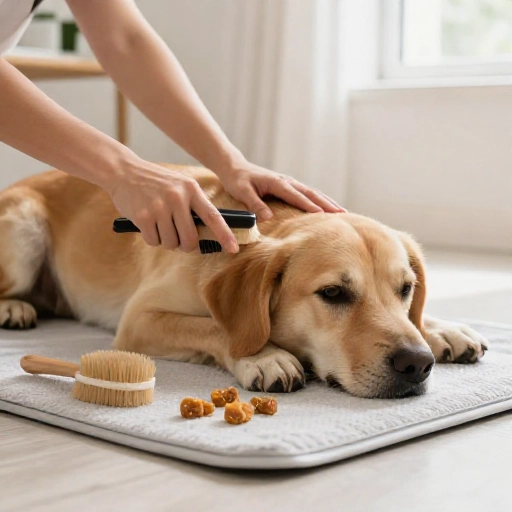
I keep the room quiet, use a non-slip mat, and speak in a soft voice. If my dog pulls away, I pause instead of forcing it. Forcing creates fear that lasts for years.
High-value treats like tiny pieces of chicken or cheese can change everything. I also end every session with praise and a little playtime, so grooming predicts good things.
13. Know When to Call a Professional Groomer or Vet
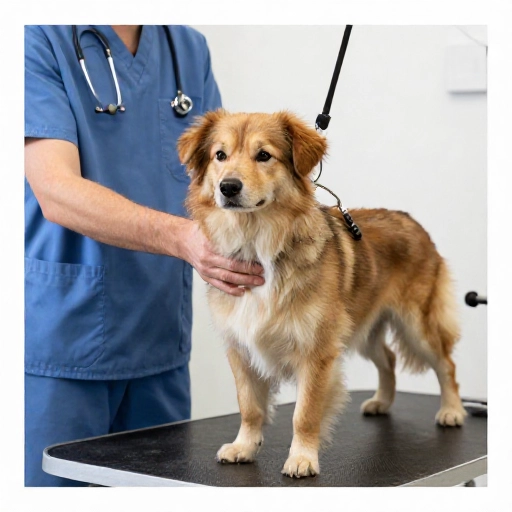
Some coats need professional help. Double coats, poodle mixes, and dogs with severe mats are often better off with a groomer who has the right tools and experience.
Call your vet if you see bleeding nails, ear infections, skin sores, or if your dog becomes aggressive or extremely stressed during grooming. There’s no shame in asking for help.
Final Thoughts on Easy Dog Grooming at Home
Easy dog grooming doesn’t have to be a weekend project. A few minutes of brushing, a quick paw check, and a calm bath routine can keep your dog comfortable, healthy, and looking their best.
Start with one tip from this list and build from there. Your dog will thank you with less shedding, fewer tangles, and maybe even a happy tail wag when the brush comes out.
Dog Grooming FAQ
Q: How often should I groom my dog?
A: It depends on the coat. Short-haired dogs may only need a weekly brush, while long-haired dogs often need brushing every day or every other day. Nails, ears, and teeth should be checked weekly.
Q: Can I use human shampoo on my dog?
A: No. Human shampoo can dry out or irritate a dog’s skin because their pH is different. Use a gentle dog-specific shampoo and rinse it out completely.
Q: What if my dog hates being brushed?
A: Start with very short sessions and lots of treats. Brush one small area, then stop. If your dog is truly panicked, ask a groomer or trainer for help.
Q: How do I know if my dog’s nails are too long?
A: If you hear clicking on hard floors, they’re probably too long. Long nails can also make the toes look spread out or cause your dog to walk differently.
Q: Is it okay to shave my dog in summer?
A: Not usually. A dog’s coat helps regulate temperature and protects their skin from sunburn. Ask your vet or groomer before shaving, especially for double-coated breeds.