13 Effective Tips to Stop Puppy Barking at Home

Bringing a new puppy home is pure joy—until the barking starts. I remember my own puppy’s first week, and honestly, I felt a little lost. The good news is that barking is normal, but it doesn’t have to take over your home.
Puppies bark to communicate, but with a few simple strategies, you can teach yours when it’s okay to be quiet. These tips are gentle, practical, and actually work. Let’s get started.
1. Understand Why Your Puppy Barks
Before you can stop the barking, you need to know why it’s happening. Puppies bark for all sorts of reasons: excitement, boredom, fear, or even just to say hello.
- Watch your puppy closely when they bark. Is it at a sound? A person? Another pet?
- Once you know the trigger, you can address the root cause instead of just the noise.
- This simple step makes everything else easier.
2. Give Them Plenty of Exercise
A tired puppy is a quiet puppy. I learned this early on. When my puppy had too much energy, barking was her way of letting it out.
- Take your puppy for a walk or play fetch until they seem calm.
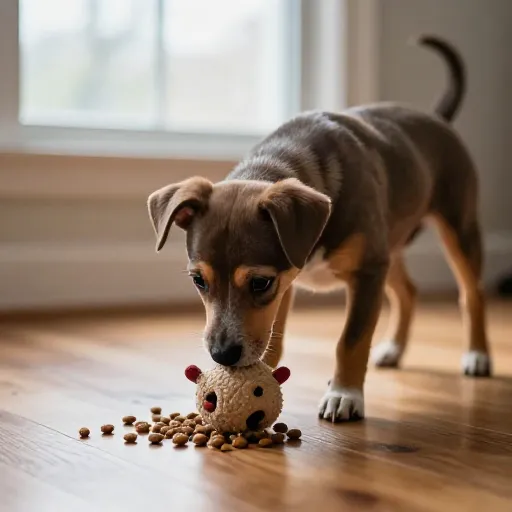
- Puppies need physical activity, but also mental stimulation. Try puzzle toys or hide-and-seek.
- A worn-out pup is much less likely to bark at every little thing.

3. Create a Quiet Zone
Sometimes puppies bark because they feel overwhelmed. Giving them a safe space can work wonders.
- Set up a cozy crate or a corner with their bed and favorite toys.
- When they start barking, gently guide them to this spot and let them settle.
- Make it a positive place—never use it as punishment.

4. Teach the “Quiet” Command
This one takes a little patience, but it’s so worth it. Start by waiting for a moment of silence.
- Say “quiet” in a calm voice, then immediately give a treat.
- Repeat this every time they stop barking, even for a second.
- Soon they’ll connect the word with the action of being quiet.

5. Use Positive Reinforcement
Punishing your puppy for barking can backfire. Instead, reward good behavior.
- When your puppy stays quiet in a situation where they normally bark, give them praise and a treat.
- This builds a habit of calmness over time.
- Positive reinforcement makes training feel like a game.

6. Avoid Yelling
I know it’s tempting, but yelling only adds to the chaos. Your puppy might think you’re barking too.
- Stay calm and use a low, steady voice.
- If you feel frustrated, step away for a minute.
- Dogs pick up on our energy, so keep yours peaceful.

7. Provide Mental Stimulation
Boredom barking is real. Puppies need to use their brains as much as their bodies.
- Try treat-dispensing toys, snuffle mats, or simple training games.
- Even 10 minutes of mental work can tire them out more than a long walk.
- A busy mind leaves less room for barking.
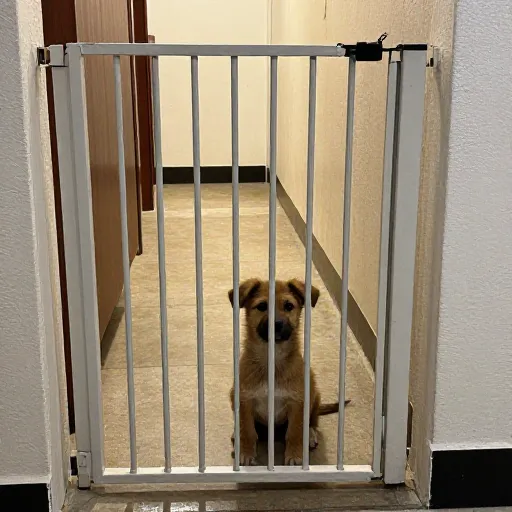
8. Manage the Environment
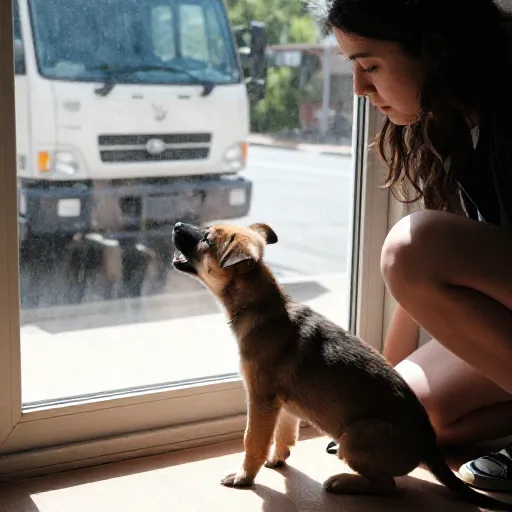
Sometimes you can prevent barking by changing what your puppy sees or hears.
- Close the curtains if they bark at people passing by.
- Leave a white noise machine on to mask outside sounds.
- Block their view of the front door or fence line.
9. Socialize Your Puppy Early
A well-socialized puppy is less likely to bark out of fear. Introduce them to new people, places, and pets slowly.
- Keep interactions positive and short.
- Let your puppy approach new things at their own pace.
- Confidence reduces nervous barking.

10. Stick to a Routine
Puppies thrive on predictability. A consistent schedule can lower anxiety and barking.
- Set regular times for meals, walks, play, and naps.
- When your puppy knows what to expect, they feel secure.
- Routine also helps with potty training—win-win.

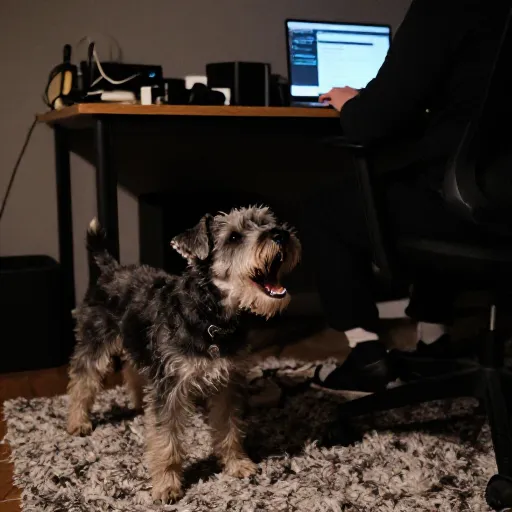
11. Ignore Attention-Seeking Barking
If your puppy barks to get your attention, giving in only encourages it. This was tough for me at first.
- Wait for a pause in the barking, then give them attention.
- Don’t look at them or speak while they’re barking.
- Consistency is key here. It works faster than you think.
12. Use Distraction Techniques
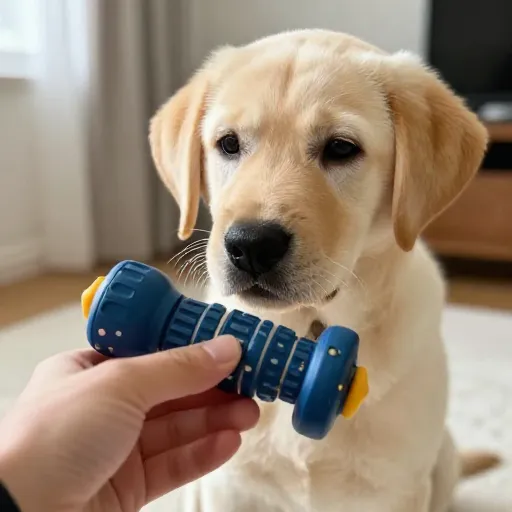
Sometimes a simple distraction can stop barking in its tracks. Have a few tricks ready.
- Toss a toy or start a game of tug when they start barking.
- Make a funny noise—like a kissy sound—to redirect their focus.
- Over time, they’ll learn that quiet leads to fun.
13. Be Patient and Consistent
No puppy learns overnight. I had days where I felt like giving up, but staying consistent paid off.
- Practice these tips daily, even when it feels slow.
- Celebrate small wins, like a few minutes of quiet.
- Remember, your puppy is learning a whole new language. Be kind to both of you.
Every puppy is different, but these tips have helped me and so many others. Start with one or two that feel right for your situation, and build from there. You’ve got this—and your home will feel peaceful again soon.
Frequently Asked Questions
Why does my puppy bark at nothing?
Puppies have sharp hearing. They might be reacting to a sound you can’t hear, like a distant car or a squirrel on the roof. It’s usually nothing to worry about.
How long does it take to stop puppy barking?
It depends on the puppy and how consistent you are. Most pups start improving within a week or two with daily practice. Some take a bit longer.
Should I use a bark collar on my puppy?
I don’t recommend them. They can cause fear and anxiety. Positive training methods are safer and build trust.
Is barking a sign of separation anxiety?
It can be, especially if it happens only when you leave. Look for other signs like destructive chewing or pacing. If you’re worried, talk to a vet or trainer.
Can I train an older puppy to stop barking?
Absolutely. Older puppies can learn new habits with patience. The same tips work—just give them a little more time to unlearn old patterns.