How to Build Trust With Your Dog Fast: A Practical Guide
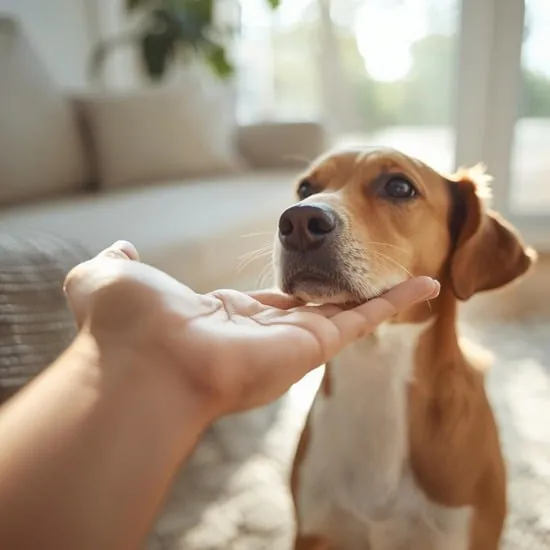
I remember bringing my rescue dog, Scout, home. He hid under the table for hours, his eyes wide with uncertainty. I wanted that deep, trusting bond I saw other people have with their dogs, and I wanted it now. I learned that trust isn’t just given; it’s built through consistent, thoughtful actions.
Building trust quickly is about creating a foundation of safety, respect, and clear communication. It’s not about one grand gesture, but a series of small, daily choices that tell your dog, “You are safe with me.” This guide is the practical roadmap I wish I’d had, filled with the steps that truly helped Scout learn to trust me.
1. Master the Art of Predictable Routines
Dogs thrive on knowing what comes next. A predictable schedule for meals, walks, and potty breaks reduces their anxiety and builds a sense of security. When your dog can anticipate the flow of the day, they stop worrying about the basics and start relaxing into your care.
Start simple. Try to feed, walk, and have play sessions around the same times each day. This consistency tells your dog the world is a stable, manageable place with you as their reliable guide.
2. Let Them Come to You (The Power of Choice)
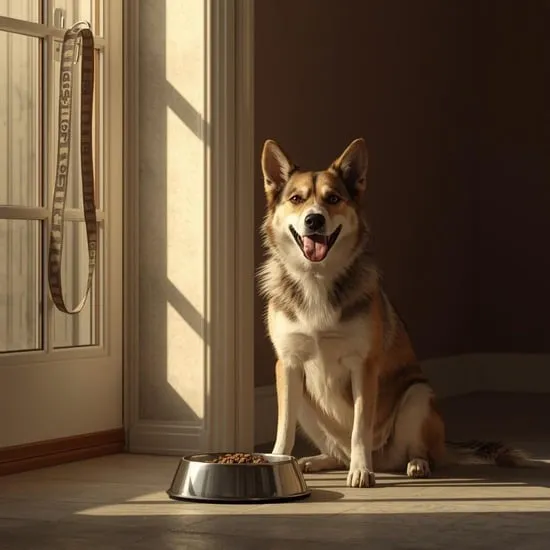
Forced affection can break trust. Instead of constantly calling or picking up your dog, invite them. Sit on the floor with some treats and let them approach. If they sniff and walk away, that’s okay! Respecting their choice to interact builds more confidence than any cuddle they feel trapped in.
This is especially crucial for shy or nervous dogs. Every time you let them choose to engage, you’re proving you’re not a threat. You become a safe harbor they can visit whenever they feel ready.
3. Become a Treat Dispenser, Not Just a Commander
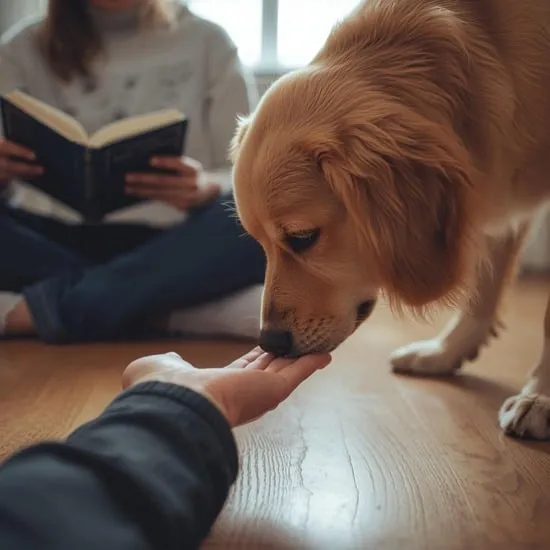
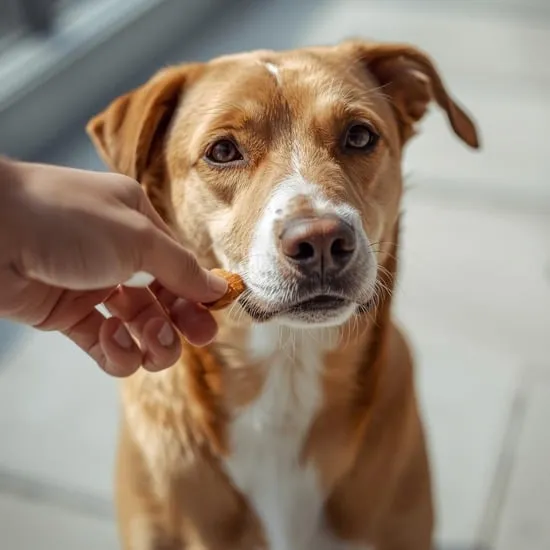
Carry small, high-value treats (like tiny bits of chicken or cheese) in your pocket for a few days. Randomly, without asking for anything, just give your dog a treat. Toss it near them if they’re unsure. This isn’t bribery; it’s positive association.
You are transforming yourself from a potential source of stress (“Will she make me do something?”) into a source of wonderful, unexpected good things. It’s the fastest way to make your presence something they actively seek out.
4. Speak Their Language: Understand Canine Body Signals
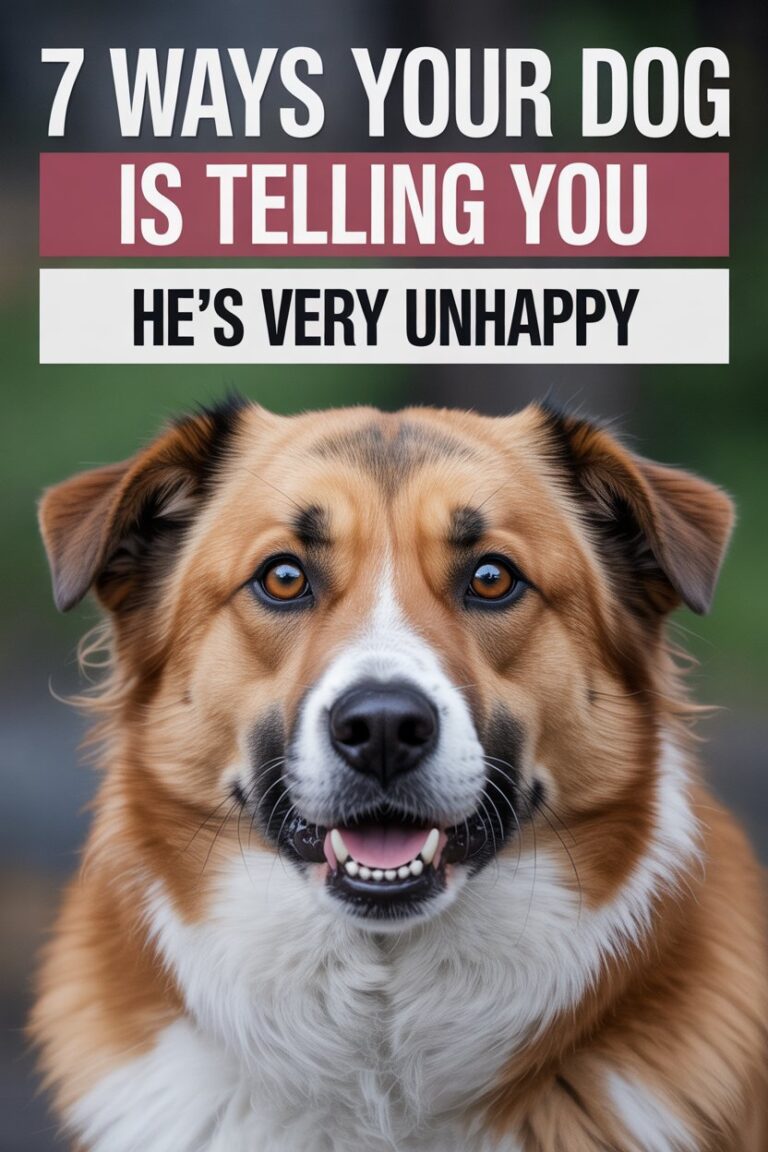
Trust is shattered when we ignore a dog’s “please stop” signals. Learn to read signs of stress: lip licking, yawning, turning away, whale eye (showing the whites of their eyes). If you see these, stop what you’re doing and give them space.
By acknowledging and respecting their communication, you show you’re listening. You become someone who understands them, which is the core of any trusting relationship.
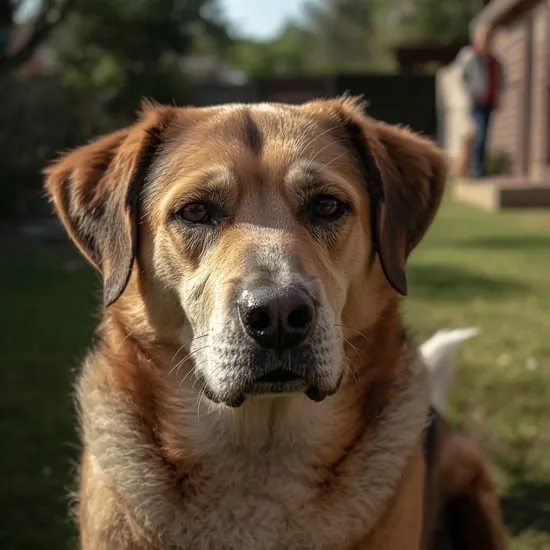
5. Keep Training Sessions Short, Sweet, and Successful
Forget hour-long drills. Aim for five-minute sessions where your dog wins. Use positive reinforcement to teach simple cues like “sit” or “touch.” End on a high note with a big reward and happy praise.
These mini-sessions build trust through teamwork. Your dog learns that working with you is fun, rewarding, and makes good things happen. They start to see you as a partner, not a dictator.
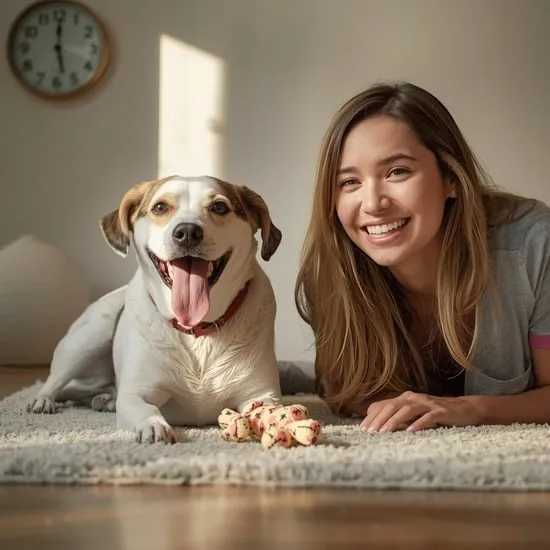
6. Protect Their Space, Especially During Rest
Never disturb a sleeping dog or bother them when they’re in their crate or bed. That space is their sanctuary. Teach children and guests this golden rule. Defending your dog’s need for downtime shows you are their advocate.
When your dog knows they can truly switch off without being startled or pestered, their trust in your guardianship deepens immensely. A rested dog is also a more resilient and trusting dog.
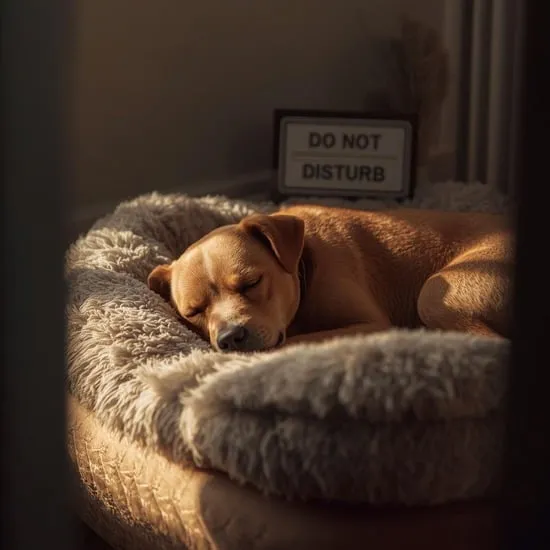
7. Walk *With* Them, Not Just Ahead of Them
The walk is a partnership, not a power struggle. Allow time for sniffing—it’s how they read the news! Use a loose leash and avoid constant jerking. If they seem nervous of something, create distance instead of forcing them past it.
Walking together in harmony shows you respect their needs and will keep them safe outdoors. It transforms the walk from a chore into a trusted, shared adventure.
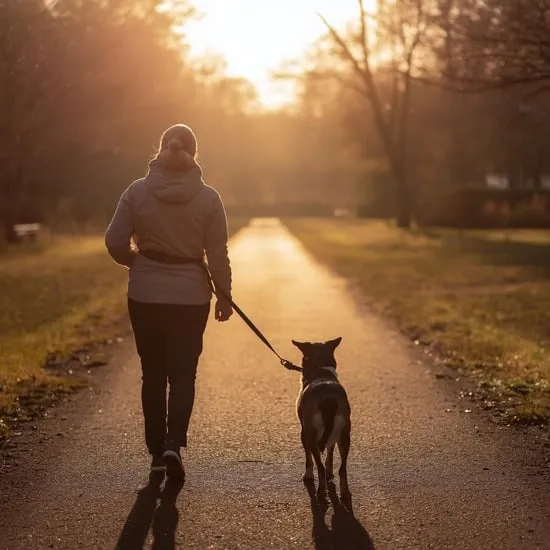
8. Handle With Care & Positive Association
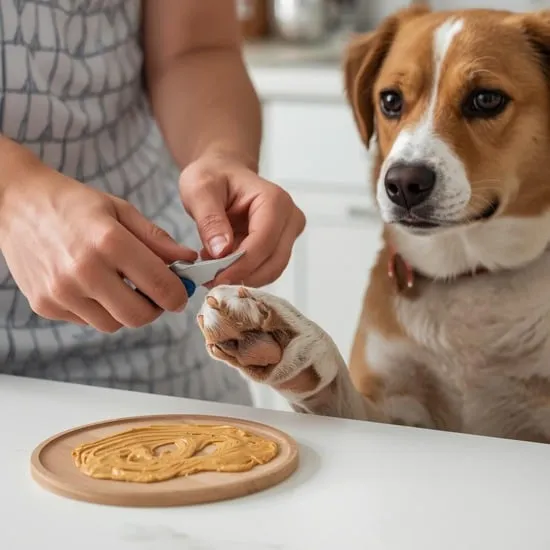
Gently handle your dog’s paws, ears, and mouth while giving treats. Go slowly. This conditions them to see handling as a positive experience, which is vital for vet visits and grooming.
If they pull away, pause and try again later. Forcing it breaks trust. Building it slowly means future nail trims or ear checks won’t be a battle, because they trust your touch.
9. Stay Calm, Especially When They’re Not
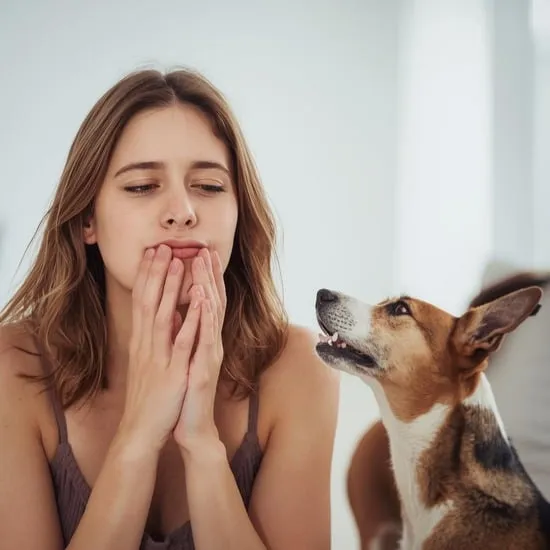
Dogs are emotional sponges. If you get frustrated, anxious, or loud, their stress skyrockets. When your dog is fearful or overexcited, your calm, steady energy is the anchor they need.
Take a deep breath, lower your voice, and move deliberately. By regulating your own emotions, you provide a safe container for theirs. They learn that when things are scary, you are their calm center.
10. Play By Their Rules Sometimes
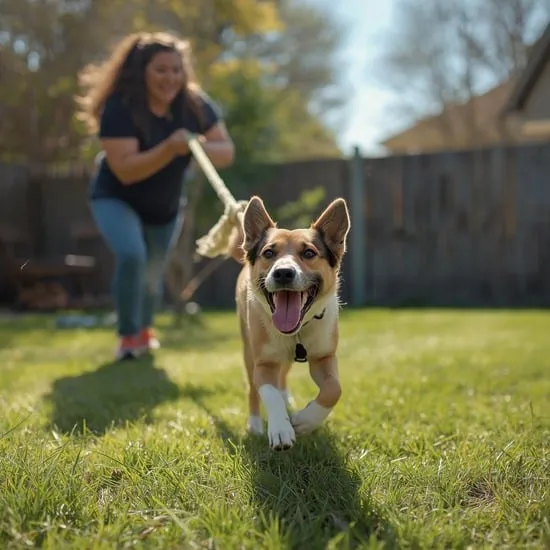
Engage in games *they* love. If they love to chase, play fetch. If they love to tug, have a gentle tug session (with clear rules). Let them win often! Play is a pure expression of joy and builds a powerful, positive bond.
When you enter their world of play without an agenda, you build a friendship. This fun-based connection is a huge pillar of trust. It says, “I enjoy just being with you.”
Conclusion: Patience is the Fastest Route
Building trust fast isn’t about shortcuts; it’s about being intensely consistent and mindful with every interaction. It’s the daily deposit of respect, safety, and kindness into your relationship bank. Start with just two or three of these ideas today. Be patient with yourself and your dog. That moment when they look at you with relaxed eyes and a soft wag—that’s trust being built, one choice at a time.
Quick Trust-Building FAQ
Q: My dog is scared of me. Where do I start?
A: Start with #2 and #3. Sit quietly, ignore them, and toss high-value treats near them. Let them learn your presence predicts good things, with zero pressure.
Q: How long does it take to build trust?
A>It varies. You may see small improvements in days, but deep trust can take weeks or months. Consistency is key—don’t give up after a few days.
Q: Will using treats make my dog only obey for food?
A>No. You’re using treats to build the initial positive association and teach language. Over time, your relationship and praise become the primary reward.
Q: What’s the biggest trust-breaking mistake?
A>Punishing fear or uncertainty. Yelling at or forcing a scared dog confirms their fear is justified. Always respond to fear with calm and space.
Q: My dog trusts one person but not me. What can I do?
A>Become the source of all good things—walks, food, fun training, treats. Have that person step back while you build your own one-on-one connection through positive activities.