14 Easy Ways to Transition a Kitten to Cat Food
When my little furball started growing out of her tiny kitten phase, I realized the big switch to adult cat food was coming. It felt a bit daunting at first. I worried about upsetting her tiny tummy or her just flat-out refusing to eat.
But I learned it doesn’t have to be a battle. With a little patience and a few simple tricks, you can make the change smooth for both of you. Here are 14 easy, practical ways I used to help my kitten become a happy, healthy cat-food eater.
Let’s get started on this next chapter together.
1. Go Slow with the Mix
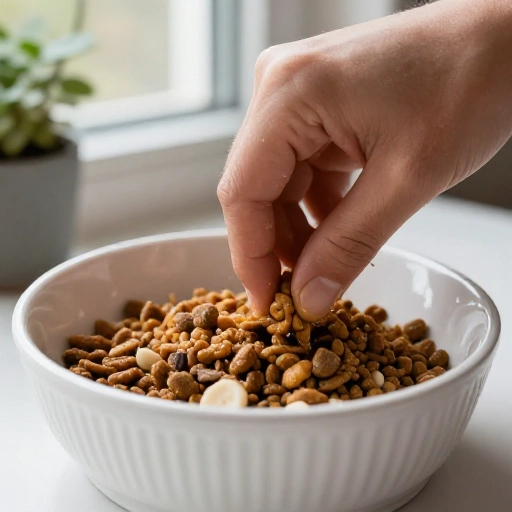
The golden rule is patience. Don’t just swap the bowls overnight. Start by mixing a tiny bit of adult food into their usual kitten kibble or wet food.
Think of it like this: 90% kitten food, 10% adult food for the first few days. Your kitten’s digestive system needs time to adjust to the new protein and fat levels.
Slow and steady wins this race, and it keeps their little belly happy.
2. Follow the Seven-Day Rule
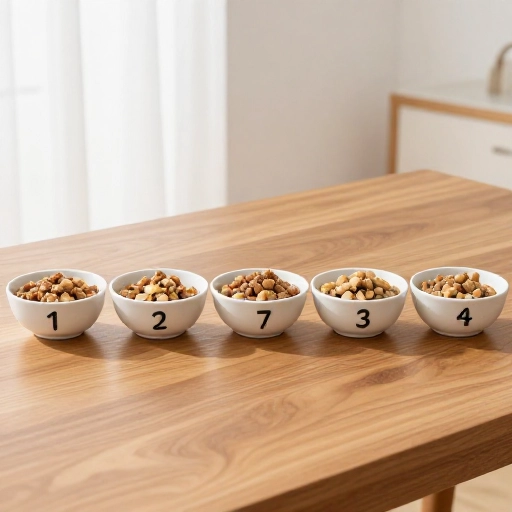
I found a simple schedule works best. Over seven to ten days, slowly increase the adult food while decreasing the kitten food. For example, days 1-2: 75% kitten, 25% adult. Days 3-4: 50/50.
Days 5-6: 25% kitten, 75% adult. By day seven, you can try 100% adult food. If you see any tummy trouble, just pause and stay at the current mix for an extra day.
It’s a gentle ramp, not a sudden leap.
3. Choose the Same Texture First
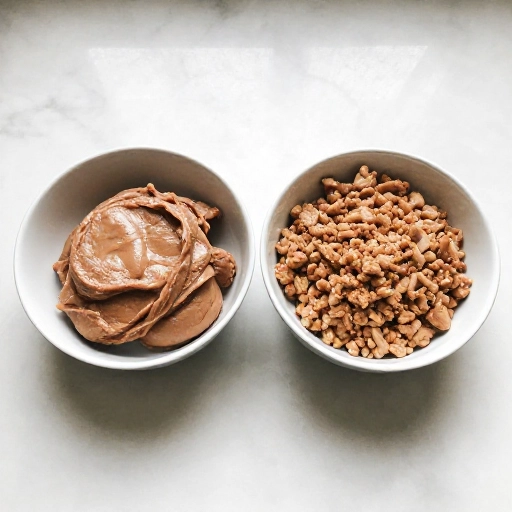
Kittens get used to specific textures. If your kitten loves pate-style wet food, start with a pate adult formula. If they crunch on tiny kibble, look for a small-kibble adult food.
Changing both the recipe and the texture at once can confuse them. Keep the texture familiar while you change the nutrition. It makes the new food feel less foreign.
Your kitten will barely notice the difference.
4. Warm Up the Wet Food
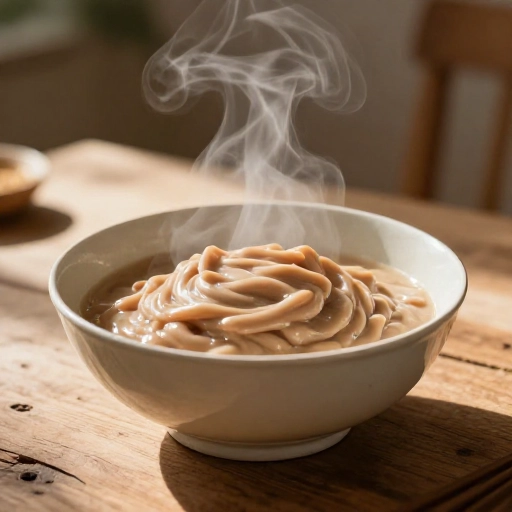
Adult wet food straight from the fridge can be unappealing. I always warm my cat’s food slightly—just ten seconds in the microwave on a low setting. Stir it well to avoid hot spots.
The warmth releases the aroma, making it smell more like a fresh meal. This is a huge trick for picky eaters. It feels like a special treat, not a scary new dish.
A little warmth goes a long way.
5. Add a Splash of Warm Water
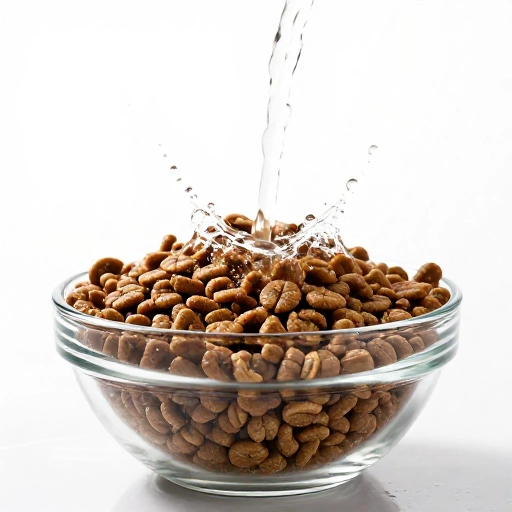
If your kitten is used to soupy kitten gruel, adult food can seem dry. I add a tablespoon of warm water to the adult kibble or wet food. It softens the texture and makes a little gravy.
This is perfect for kittens who are still learning to chew bigger pieces. It also encourages them to drink more water, which is always a good thing.
It turns a plain meal into a comforting bowl.
6. Use the Same Bowl
Kittens are creatures of habit. When I switched foods, I kept using her favorite shallow bowl. The familiar shape and scent helped her feel safe.
A new bowl plus new food can be too much change at once. Stick with the bowl they love. It’s a small comfort that makes the new food feel less intimidating.
Familiar surroundings make new tastes easier.
7. Keep Meal Times Consistent
Don’t change the feeding schedule during the transition. If you fed your kitten three times a day, keep doing that. A hungry kitten is more willing to try new food.
Consistency builds trust. They know food will come at the same time, so they are less anxious about what’s in the bowl. A regular routine helps their digestion adjust too.
Predictable meals = happy kitten.
8. Try a Tiny Topper
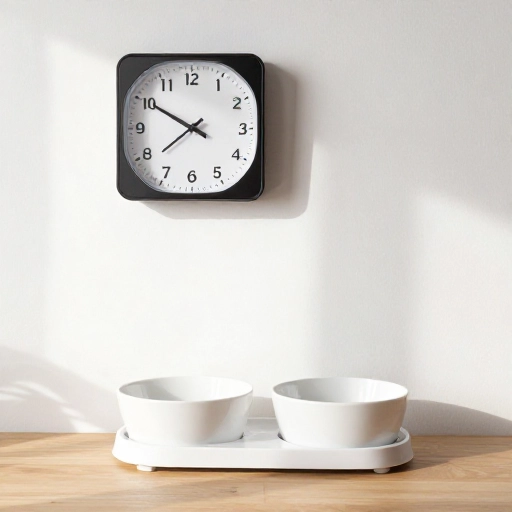
When my kitten hesitated, I used a tiny topper. I crumbled a small piece of freeze-dried chicken or a sprinkle of their old kitten kibble over the adult food.
Just a pinch is enough. It gives a familiar taste and texture without ruining the nutritional balance. It’s like a little welcome mat for the new food.
A small familiar taste opens the door.
9. Make It a Game
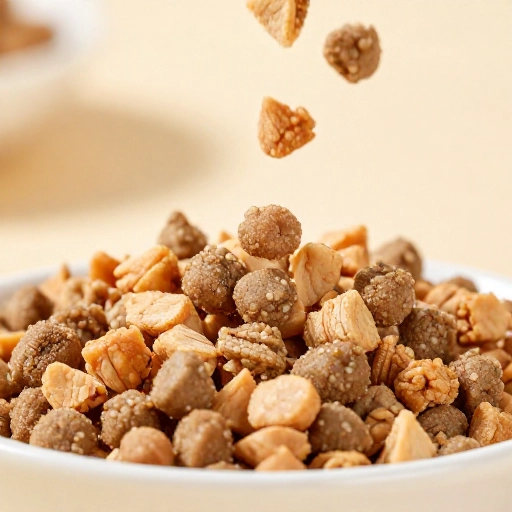
Sometimes kittens need a little fun. I scattered a few pieces of adult kibble on the floor or in a puzzle toy. Chasing and batting at the food makes it exciting.
They forget they are trying something new. The playfulness overrides any pickiness. It turns meal time into a positive, engaging experience.
Play first, eat second.
10. Offer Choices (But Not Too Many)
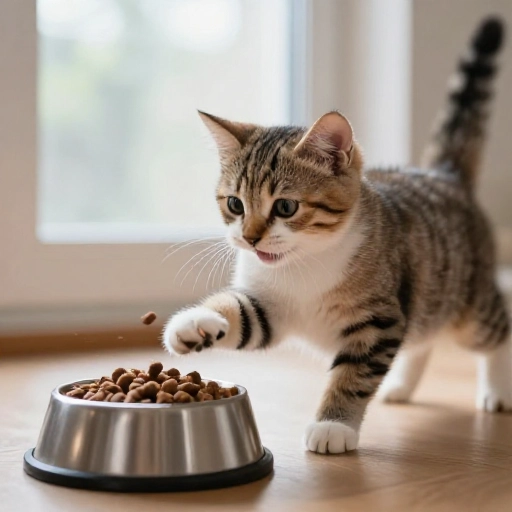
I put out two small bowls side-by-side. One had her usual kitten food, the other had the adult food mixed with a little kitten food. She could sniff and explore.
Giving a choice reduces pressure. Most kittens will curiously try the new bowl. Just don’t leave both out all day. Offer the choice at meal times for 15 minutes, then remove.
A little control goes a long way.
11. Watch for Stomach Upset
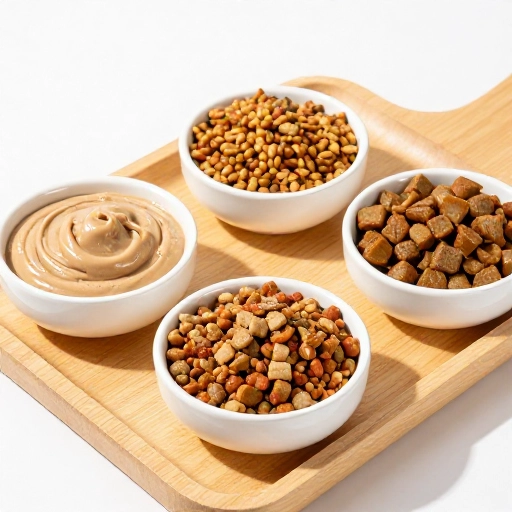
I kept a close eye on her litter box. Soft stools or vomiting means you are going too fast. If that happens, go back one step in your mixing ratio.
Stay there for a couple of days until things firm up. It’s not a failure; it’s listening to your kitten’s body. A healthy gut is more important than a quick switch.
Patience protects their digestion.

12. Don’t Free-Feed Adult Food
Kittens often eat whenever they want. Adult cats usually do better with scheduled meals. When transitioning, I stopped leaving food out all day.
I served measured meals at set times. This helps them learn the new routine and ensures they are hungry enough to try the adult food. It also prevents overeating.
Meal times create structure and success.
13. Use a Bit of Tuna Water
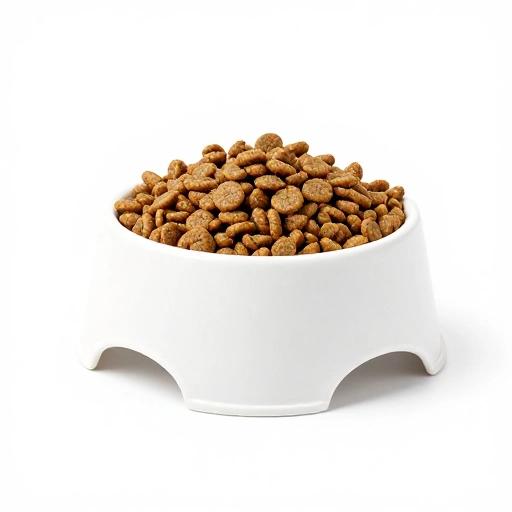
A tiny trick that worked wonders was adding a teaspoon of water from a can of tuna (packed in water, no salt added). I drizzled it over the adult food.
The strong, fishy smell is irresistible to most cats. It masks the new flavor. Use it sparingly, just as a temporary bridge. It’s not a long-term solution, but a great helper.
A little fishy magic eases the transition.
14. Be Patient and Positive
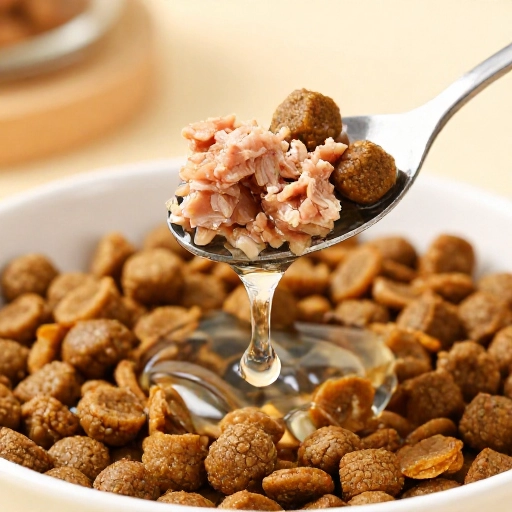
Above all, I stayed calm. If she walked away, I didn’t force it. I just picked up the bowl and tried again at the next meal. Stress makes picky eating worse.
Praise her for any sniff or taste. A gentle voice and a positive attitude make her feel safe. This is a new chapter, and your calm confidence guides her through it.
Your patience is the best ingredient.
Conclusion
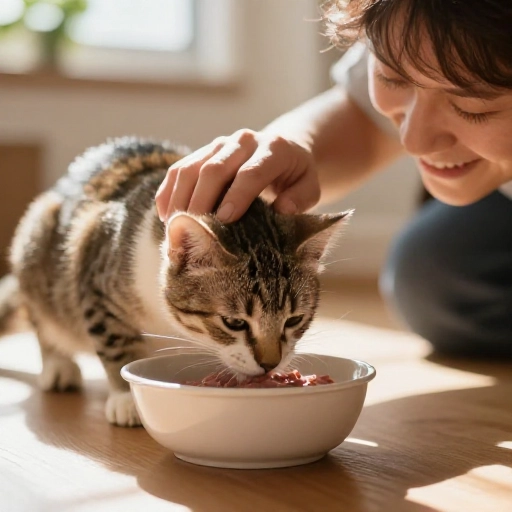
Transitioning your kitten to adult cat food is a gentle journey, not a race. I found that mixing patience with small, thoughtful tricks made all the difference. Every kitten is different, so trust your instincts.
Watch their cues, celebrate small wins, and don’t stress over a skipped meal. Before you know it, your little one will be happily eating their new food, healthy and thriving. You’ve got this.
Frequently Asked Questions
Q1: When should I start transitioning my kitten to adult food?
Most kittens are ready around 12 months old. Larger breeds might need kitten food until 18 months. Always check with your vet for the best timing for your specific cat.
Q2: What if my kitten refuses to eat the adult food?
Don’t panic. Go back to a 50/50 mix for a few more days. Try warming the food or adding a tiny topper. Sometimes a little more time and patience is all they need.
Q3: Can I switch from wet kitten food to dry adult food?
Yes, but do it very slowly. Mix a small amount of dry adult food into their wet kitten food. Gradually increase the dry pieces over two weeks. The texture change takes extra adjustment.
Q4: Is it okay to mix different brands of cat food?
It can be, but it’s safer to stick with one brand during the transition. Different brands have different nutrient levels. A sudden mix of two new foods can upset their stomach. Keep it simple.
Q5: What are signs my kitten is not tolerating the new food?
Look for soft stools, vomiting, gas, or a loss of appetite. If you see these, slow down the transition. If symptoms continue for more than two days, consult your veterinarian for advice.