16 Backyard Dog Run Fence Ideas That Are Safe, Stylish, and Surprisingly Easy to Build
If your dog treats the backyard like a racetrack, you already know a good dog run fence can save your garden, your sanity, and maybe even your relationship with the neighbor whose cat keeps wandering by. I’ve tried everything from cheap wire to fancy cedar, and the right fence really comes down to your dog’s personality, your budget, and how pretty you want it to look from the kitchen window.
These backyard dog run fence ideas range from simple weekend builds to polished designs that blend right into your landscaping. I’m sharing the ones that actually work for real dogs — jumpers, diggers, and tiny escape artists included.
Pick one idea, mix a few together, and don’t forget a sturdy gate. A dog run is only as good as its weakest corner.
1. Classic Chain-Link Dog Run with Privacy Slats
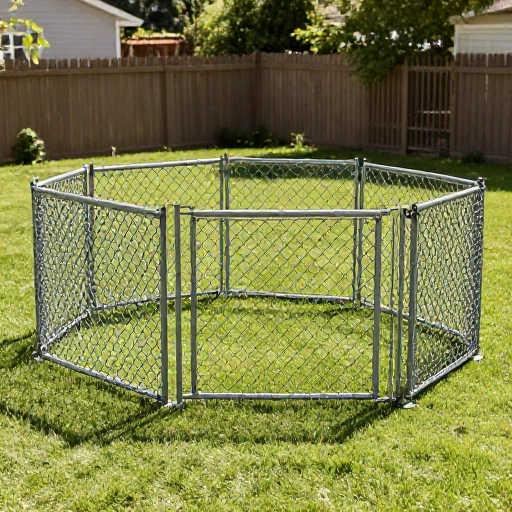
Chain-link is the practical workhorse of dog runs. It’s affordable, see-through, and tough enough for most dogs. I like adding privacy slats because they cut down on barking triggers and make the run look more intentional.
Choose a height that matches your dog’s jump. For most medium dogs, 4 feet works. For jumpers, go 6 feet. Add a tension wire along the bottom so nobody nose-dives under it.
Privacy slats come in colors like green, black, and tan. They also give you a little windbreak, which is nice in chilly months. Just leave the top few inches open so your dog can still peek out and feel part of the action.
2. Wooden Picket Fence Dog Run with a Gate
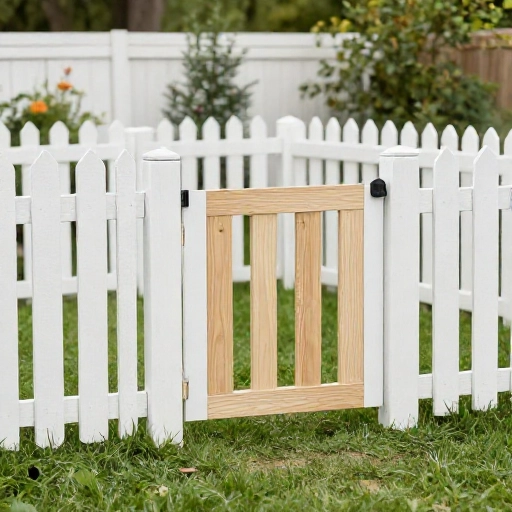
A wooden picket fence gives a dog run that storybook backyard feel. It’s charming, paintable, and easy to repair if one board gets chewed or warped.
I recommend pickets spaced no more than 2 inches apart for small dogs, and 3 inches max for larger breeds. A self-closing gate is a game changer when your hands are full of dog bowls.
Seal the wood every couple of years. It takes an afternoon, but it keeps the fence from turning gray and splintering. A crisp white or deep charcoal stain makes the whole yard look more polished.
3. Split-Rail Fence for a Rustic Backyard Look
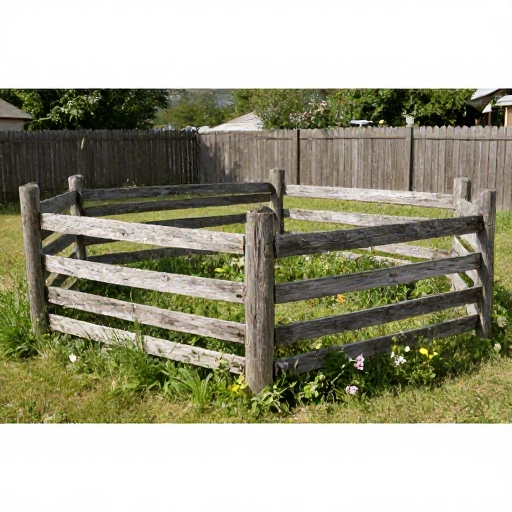
Split-rail fencing looks like it belongs on a farm, and that’s exactly why I love it. It’s open enough to see the whole yard, but you’ll need to add wire mesh between the rails for most dogs.
Use heavy welded wire, not chicken wire, if your dog likes to lean or push. Attach it to the back side of the rails so the front stays clean and rustic.
This style works best on larger properties or sloped yards. It follows the land naturally and doesn’t feel like a cage.
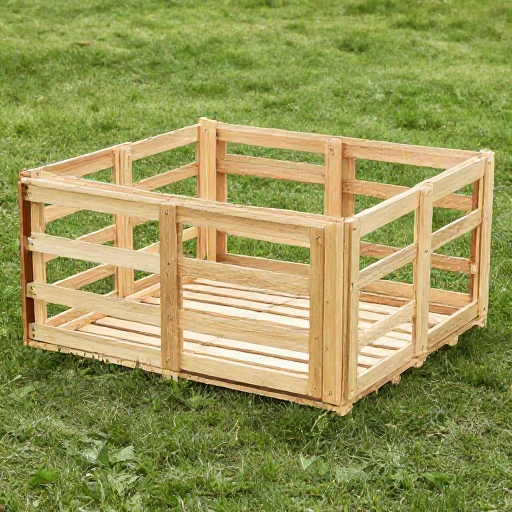
4. DIY Pallet Wood Dog Run Fence
Pallet wood is my go-to for a budget dog run that still looks custom. You can often find pallets free or cheap, then sand, seal, and arrange them vertically for a modern-rustic vibe.
Check every board for nails, splinters, and cracks. I learned that one the hard way. Once it’s smooth, a coat of outdoor sealant makes it last through rain and sun.
Keep gaps tight enough that paws can’t slip through. If your dog is a chewer, line the inside with a layer of wire mesh before you attach the pallet boards.
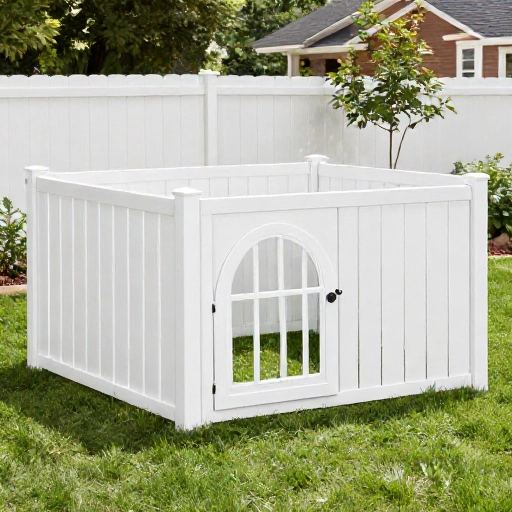
5. Vinyl Privacy Fence with a Dog Window
Vinyl fences are low-maintenance, easy to hose down, and they never need painting. That makes them a great choice for busy dog parents who want a clean look without weekend chores.
I love adding a small dog window — a framed opening with a clear panel or metal grate. It lets your dog watch the world without barking at every leaf that moves.
Make sure the panels are reinforced at the bottom. Some vinyl fences can crack if a large dog body-slams them. A concrete footing or steel post every few feet solves that fast.
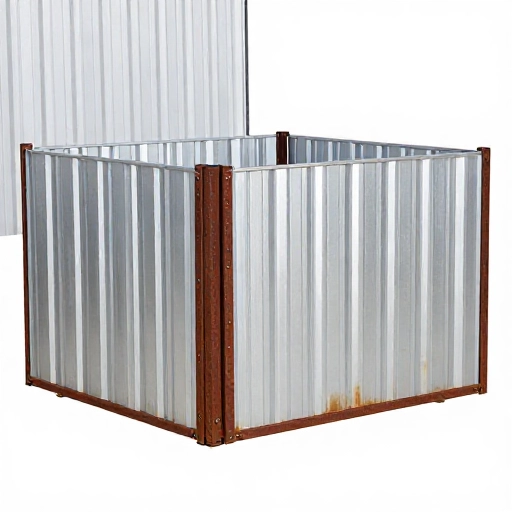
6. Corrugated Metal Panel Dog Run
Corrugated metal gives a dog run a modern, industrial edge. It’s sturdy, private, and great at blocking noise from nearby streets.
Use rust-resistant coated panels and frame them with wood or steel posts. The metal should sit inside the frame, not just screwed to the surface, so it can’t be pushed out.
This fence gets hot in direct sun, so plant shade-friendly vines or add a shade sail nearby. Your dog will thank you on summer afternoons.
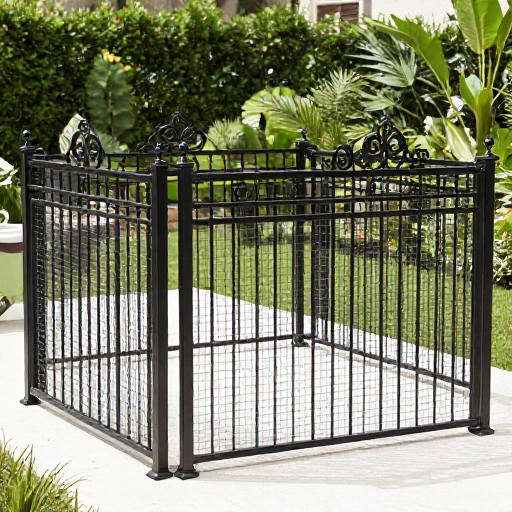
7. Wrought-Iron Style Fence with Mesh
Wrought-iron style fencing looks elegant and lets air flow through. On its own, though, the gaps are usually too wide for dogs. That’s why I add black welded mesh behind it.
The result is a fence that looks expensive but functions like a secure dog run. Paint the mesh to match the iron so it disappears from a few feet away.
This is a good pick for front-facing dog runs or anywhere you want curb appeal. Add a matching gate with a self-latching lock.
8. Horizontal Cedar Slat Fence
Horizontal cedar slats are clean, contemporary, and surprisingly dog-friendly. Cedar naturally resists rot and insects, so it holds up well in wet climates.
Leave a small gap between slats for airflow, but not so much that a curious nose gets stuck. I like 1/2-inch gaps for most dogs.
Stain it with a clear sealer or a warm tone to bring out the grain. This fence looks amazing with string lights and a few potted plants along the run.
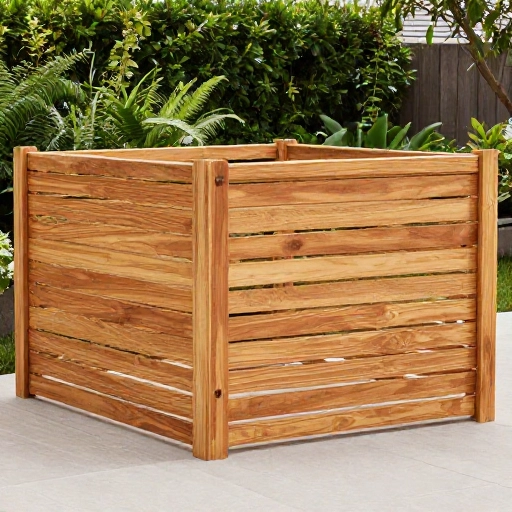
9. Gabion Wall Dog Run Fence
Gabion walls are wire cages filled with rocks. They’re heavy, sturdy, and almost impossible for most dogs to dig under or push through.
They double as landscaping features. I’ve seen them used as low walls with a metal fence panel on top, which looks modern and feels fortress-solid.
This idea costs more and takes more labor, but it lasts forever. Just make sure the wire is thick and the stones are packed tight so little paws can’t work them loose.
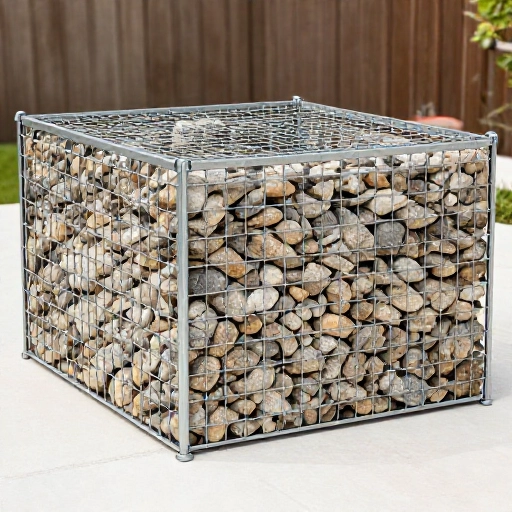
10. Living Willow or Hedgerow Fence
A living fence is magical in a cottage-style yard. Willow, privet, or boxwood can be trained into a dense hedge that dogs can’t easily see through or jump.
Start with young plants and train them early. It takes a couple of years to fill in, so use temporary wire fencing until the hedge is thick.
Trim it regularly to keep the height and shape you want. The bonus? It gives your dog natural shade and smells absolutely amazing after rain.
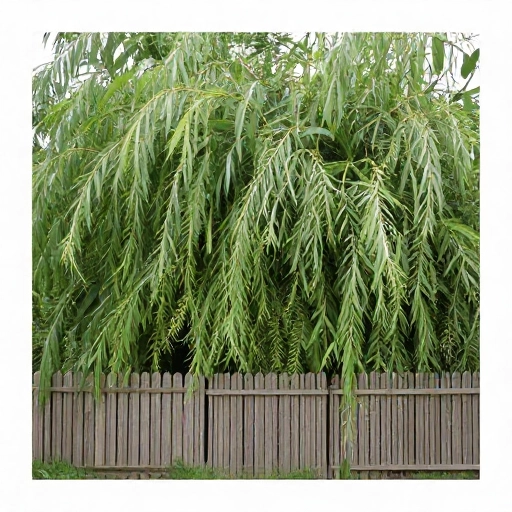
11. Bamboo Fence Dog Run
Bamboo fencing is fast, affordable, and gives a tropical privacy screen. Rolled bamboo panels are easy to attach to existing posts or a simple frame.
Line the bottom with a sturdy wire mesh. Bamboo alone can be pushed aside by a determined dog. The mesh keeps things secure without ruining the look.
Seal the bamboo to slow fading and cracking. It won’t last as long as cedar or vinyl, but it’s a great budget-friendly option for a renter or a temporary run.
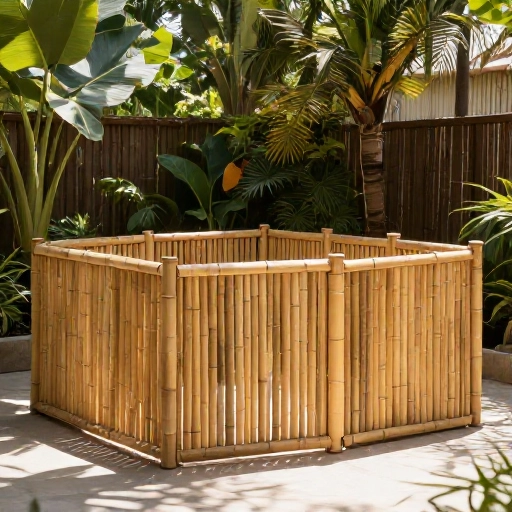
12. Modular Dog Run Panels
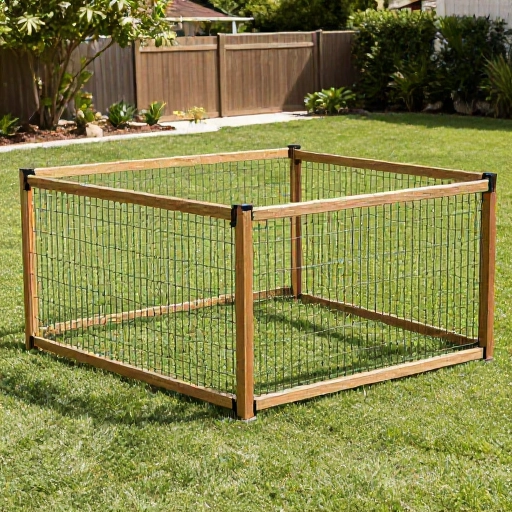
Modular panels are basically fence pieces you can move, rearrange, and expand. They’re perfect for renters or anyone who likes to change the yard layout every season.
I’ve used metal modular panels for a quick puppy pen and wooden ones for a permanent run. They click or bolt together and often come with a gate panel.
Look for panels with tight bar spacing and no sharp edges. Add ground stakes at the corners so your dog can’t push the whole thing out of shape.
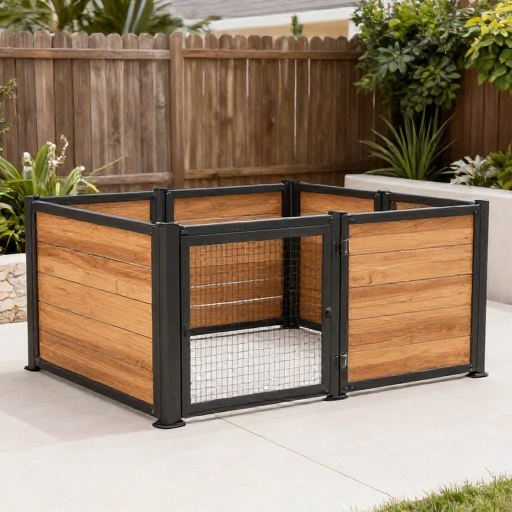
13. Dig-Proof Apron Fence
If your dog digs, a standard fence won’t stop them for long. The fix is an apron: a strip of wire mesh buried just under the ground along the fence line.
I bend the mesh into an L-shape, attach it to the bottom of the fence, and cover it with soil or gravel. When your dog digs, they hit wire and give up.
This works with almost any fence style. It’s invisible from above, so your yard still looks tidy. Just use galvanized wire so it doesn’t rust away.
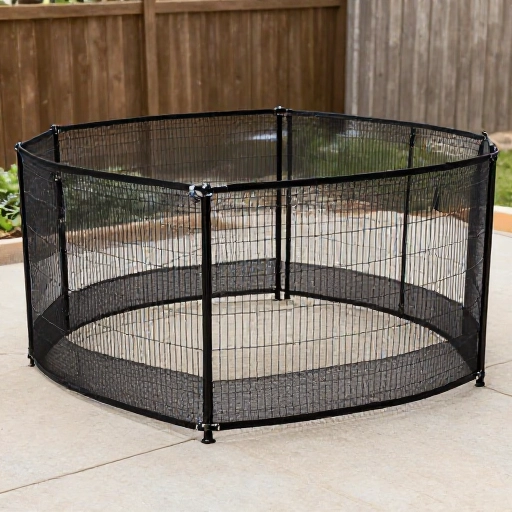
14. Tall Privacy Fence with Lattice Top
A tall privacy fence gives your dog a calm, secure space and blocks views from the street. Adding a lattice top extends the height without making the fence feel like a solid wall.
Lattice also lets breezes through, which keeps the run from turning into a hot box. Just avoid lattice that’s easy to climb. Choose a tight, flat lattice pattern or add a smooth top rail.
This is a great choice for reactive dogs who need fewer visual triggers. Stain it dark to blend into the landscape or paint it bright for a playful Pinterest look.
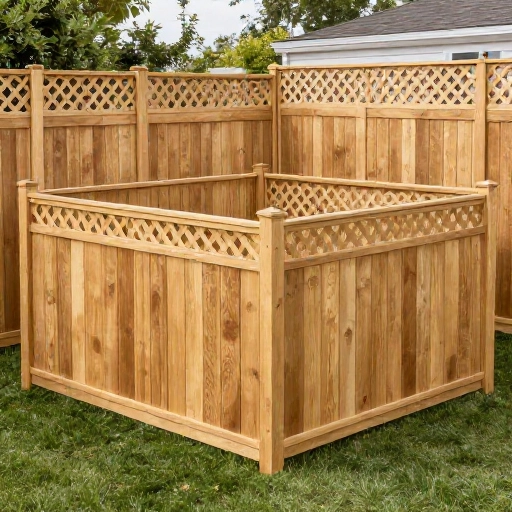
15. Garden Bed Border Dog Run Fence
Sometimes the dog run is really a garden protection zone. A low border fence around flower beds or vegetable patches keeps your dog from trampling your tomatoes.
I like short picket or wire border fences with a small gate. They look intentional and cost very little compared to a full-height fence.
Use this inside a larger fenced yard to create a “no-dig” garden zone. Your dog still gets room to run, and your plants finally get a break.
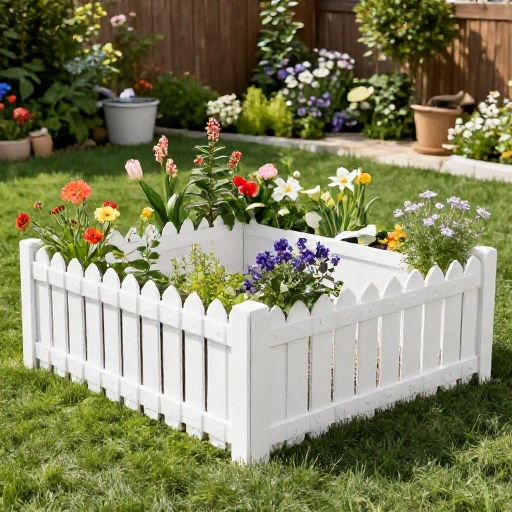
16. Climb-Proof Fence with an Angled Top
For dogs who climb, a regular tall fence might not be enough. An angled top section tilts inward or outward and makes it hard to get a paw over the edge.
You can buy fence toppers or build them with metal mesh and brackets. The angle should be at least 45 degrees for the best results.
Pair this with a solid bottom and a self-latching gate. It’s the closest thing to a dog-proof fence I’ve found for athletic escape artists.
Final Thoughts on Backyard Dog Run Fence Ideas
The best backyard dog run fence is the one that fits your dog’s habits and your daily life. A pretty fence that your dog can jump over isn’t helpful, and a fortress that makes your yard feel gloomy isn’t fun either.
Start with height, dig-proofing, and gate security. Then add style with wood, vinyl, bamboo, metal, or living plants. Even a simple chain-link run can look great with slats and a little landscaping.
Measure twice, check local fence rules once, and build with your dog’s personality in mind. You’ll end up with a safe space they love and a backyard you actually enjoy looking at.
FAQ: Backyard Dog Run Fence Ideas
How tall should a dog run fence be?
For most small to medium dogs, 4 feet is fine. If your dog jumps or climbs, go 6 feet or higher. Giant breeds and serious escape artists may need 6 to 8 feet with an angled top.
What is the cheapest fence for a dog run?
Chain-link with privacy slats or DIY pallet wood are usually the most budget-friendly. Bamboo rolls are also affordable, but they need wire reinforcement at the bottom.
Can I use chicken wire for a dog run?
Chicken wire is too flimsy for most dogs. Use welded wire or galvanized mesh instead. It costs a little more but holds up to pushing, chewing, and digging.
Do I need a permit for a dog run fence?
It depends on your city and fence height. Many places allow fences up to 4 or 6 feet without a permit. Always check local rules before you dig post holes.
How do I stop my dog from digging under the fence?
Add a buried wire apron along the fence line. Bend the wire into an L-shape, attach it to the bottom of the fence, and cover it with soil or gravel. Your dog hits the wire and stops digging.