15 Brain Games for Cats That Will Keep Your Feline Sharp and Happy
We all know that a tired cat is a good cat, but I’m not just talking about physical exercise. A bored cat can get into trouble—scratching furniture, knocking things off counters, or waking you up at 3 AM. The secret to a calm, happy kitty is mental stimulation.
Think of it like this: cats are natural hunters. Their brains are wired to solve problems, stalk prey, and figure things out. When they don’t get that mental workout, they get frustrated. That’s where brain games come in. These aren’t just silly tricks—they’re essential for your cat’s wellbeing.
I’ve gathered 15 of my favorite brain games that are simple, fun, and actually work. You probably have most of the supplies at home already. Let’s get those whiskers twitching!
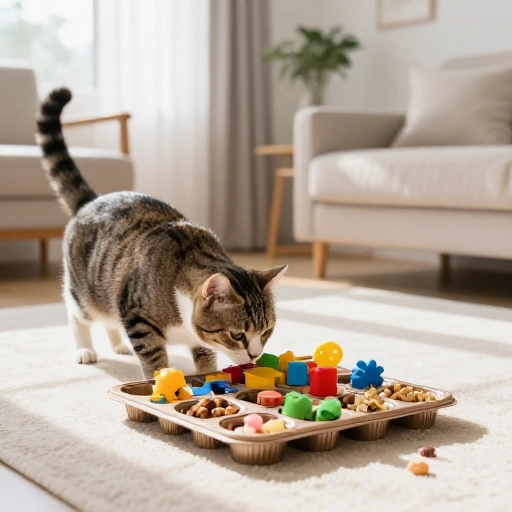
1. The Classic Muffin Tin Puzzle
Grab a standard muffin tin and a few of your cat’s favorite treats or kibble. Drop one treat into each cup. Now, cover each cup with a small ball, a ping pong ball, or even a crumpled piece of paper.
Your cat has to figure out how to bat the object away to get the prize. It’s simple but it really gets their brain working. Some cats use their paws, others use their nose. It’s fascinating to watch.
Start with just a few cups covered so they don’t get overwhelmed. You can add more as they get the hang of it.
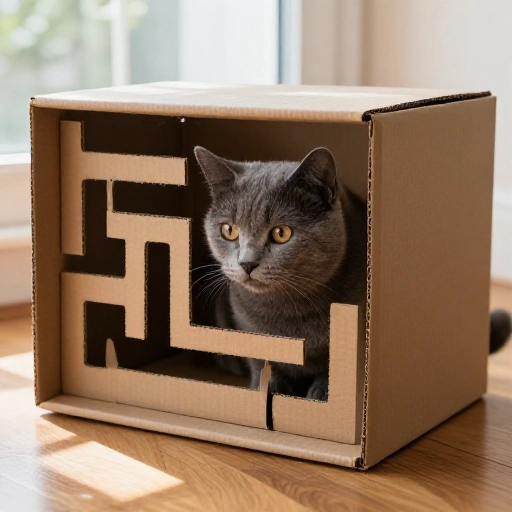
2. The Cardboard Box Maze
Before you recycle that Amazon box, think twice! Cut a few holes in the sides of different sized boxes. Tape them together to make a little maze or tunnel system.
Hide treats or a favorite toy inside one of the chambers. Your cat will have to navigate the maze, using their nose and memory, to find the reward. It’s like a tiny adventure park for your living room.
Change the layout every few days to keep it challenging. Cats love the element of surprise.
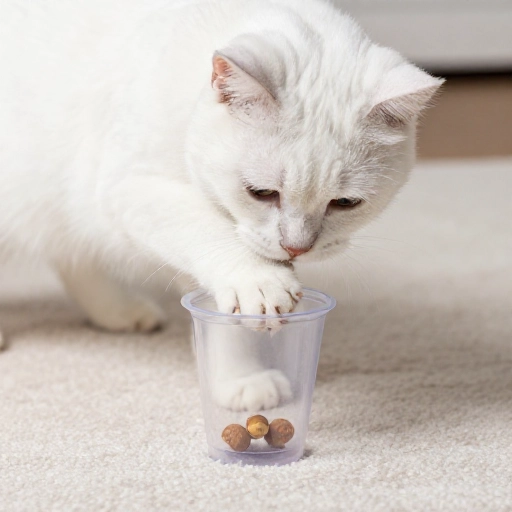
3. The “Treat Under the Cup” Game
This is the classic shell game, but for cats. Show your cat a treat, then place it under one of three plastic cups. Slowly shuffle the cups around. Let your cat tap the cup they think the treat is under.
If they get it right, lift the cup and let them have it. If they get it wrong, just show them where it is and try again. It’s a great way to build memory and focus.
Some cats get this very quickly. Others take a few tries. The key is to go slow and keep it positive.
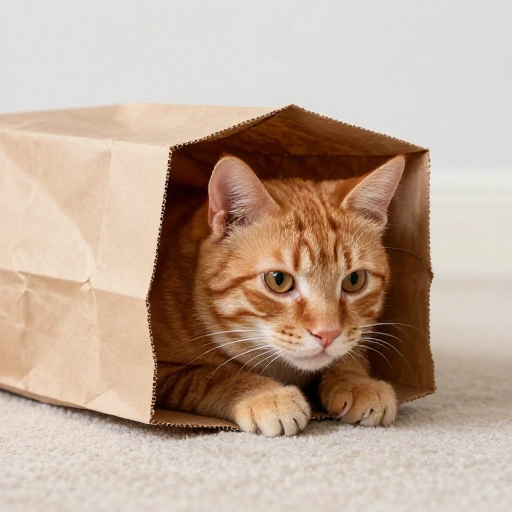
4. The Paper Bag Hide and Seek
Take a plain brown paper bag (no handles, please) and lay it on its side. Crumple up some paper inside and hide a few treats. Your cat will love the crinkly noise and the mystery of what’s inside.
You can also just toss a toy in there. The act of digging, sniffing, and pawing is incredibly satisfying for them. It mimics the feeling of searching for prey in a burrow.
Always supervise with paper bags to make sure they don’t start eating the paper. Just a little play session is plenty.
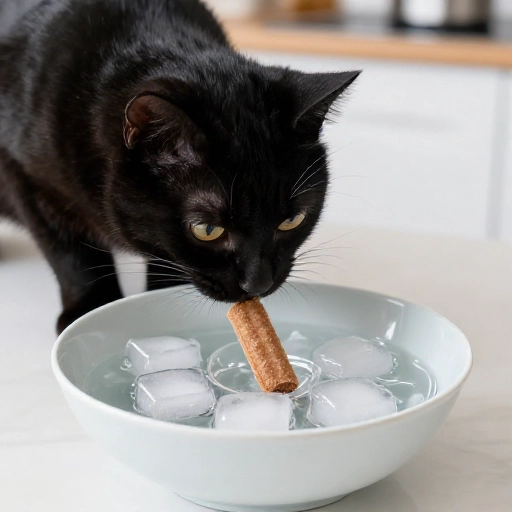
5. The Ice Cube Fishing Challenge
Drop a few ice cubes into a shallow dish or a baking pan. Add a little water so they float. Now, drop a small treat or a piece of tuna on top of an ice cube.
Your cat will have to figure out how to get the treat off the melting cube. Some cats even start playing with the ice cubes themselves, batting them around the kitchen floor.
This is great for hot days, but make sure the water is clean and fresh. It’s a fun, wet, and cold puzzle.
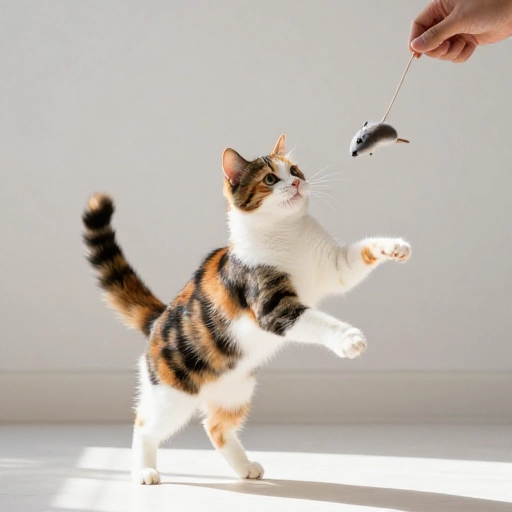
6. The “Toy on a String” Temptation
This isn’t just about dragging a toy around. Make it a puzzle. Tie a small toy to a long string. Hide behind a sofa or a chair, and move the toy slowly, like a mouse sneaking through tall grass.
Pause, wiggle it, then move it fast. The unpredictability makes your cat think like a real hunter. They have to calculate the pounce.
Let them “catch” it every now and then. The reward of the capture is the whole point.
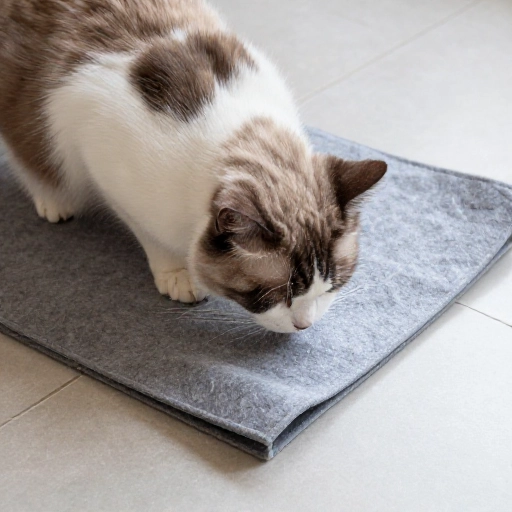
7. The Snuffle Mat for Cats
You can buy a snuffle mat designed for cats, or make one by tying fleece strips onto a rubber mat. Sprinkle dry kibble or treats deep into the fabric.
Your cat will have to use their nose and paws to forage for the food. It mimics the natural behavior of searching for food in grass or leaves.
It’s incredibly calming for anxious cats. The focused sniffing lowers their heart rate and makes them feel accomplished.
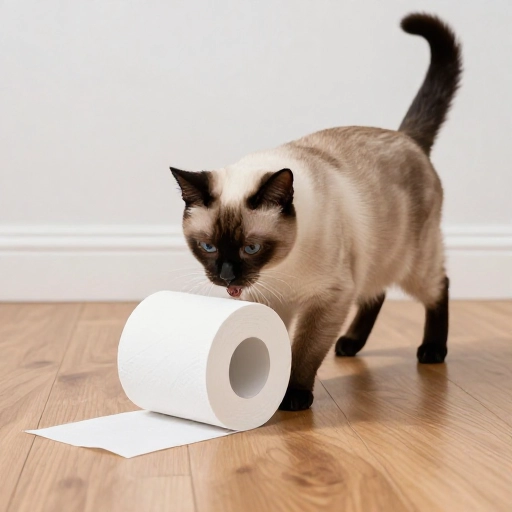
8. The Toilet Paper Roll Puzzle
Save your empty toilet paper rolls! Fold one end shut, drop a treat inside, and then fold the other end shut. Give it to your cat. They will have to bat it around, bite it, and figure out how to open it.
You can make it harder by using multiple rolls taped together in a pyramid shape. The sound of the roll rolling on the floor is half the fun.
Just watch for paper shredding. Some cats are very destructive, and that’s okay—just clean up the mess!
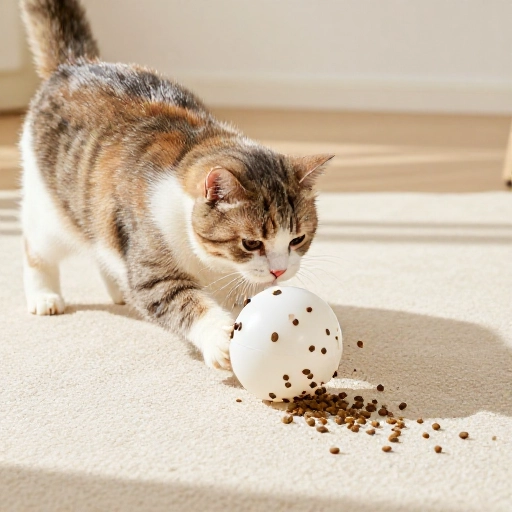
9. The “Feeder Toy” Challenge
You can buy these, but you can also make one at home. Take a plastic bottle (like a small water bottle), clean it, and cut a few small holes in the side. Fill it with dry kibble.
Your cat has to roll the bottle around to get the food to fall out. It turns a boring meal into a fun activity. It slows down fast eaters and gives them a job to do.
Start with larger holes so they don’t get frustrated. As they get better, make the holes smaller.
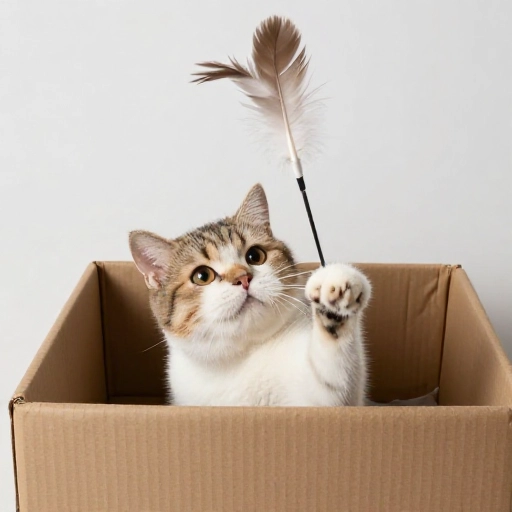
10. The Feather Wand “In the Box” Game
Take a cardboard box and cut a few small holes in the sides. Use a feather wand and stick it through one hole, moving it around inside the box. Your cat will try to catch it through the other holes.
This is a game of strategy. They have to anticipate where the feather will appear next. It’s like a game of whack-a-mole for cats.
It’s a great way to play without them getting tangled in the wand.
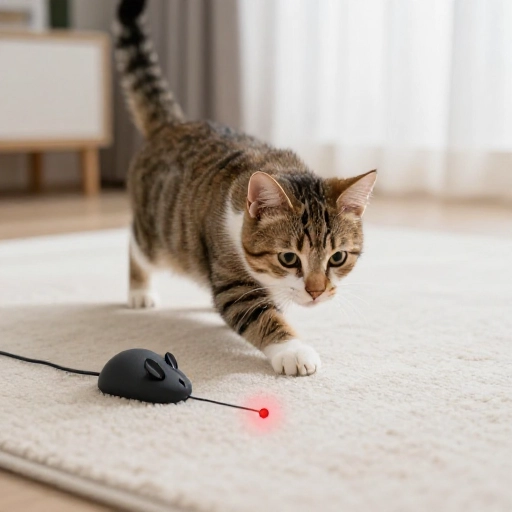
11. The Laser Pointer “End Game”
Laser pointers are fun, but they can be frustrating for cats because they never “catch” the dot. The trick is to always end the game on a real reward. Shine the laser on a treat or a physical toy.
Let them pounce on the laser, and then “turn it off” so it disappears right where the treat is. They will feel like they caught it.
This prevents obsessive behavior and turns a simple chase into a satisfying puzzle.
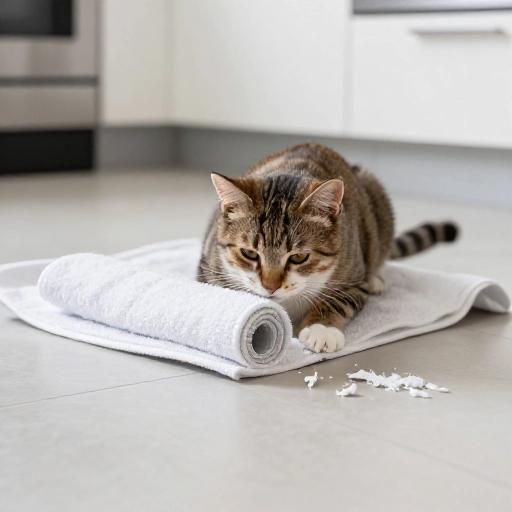
12. The “Towel Roll” Snack
Lay a small hand towel flat on the floor. Sprinkle a line of treats or kibble down the middle. Roll the towel up tightly, like a cinnamon roll.
Your cat will have to unroll the towel with their paws and nose to get the treats out. The fabric texture is interesting to them, and the act of unrolling is a fine motor skill challenge.
It’s a quiet, focused game perfect for a rainy afternoon.
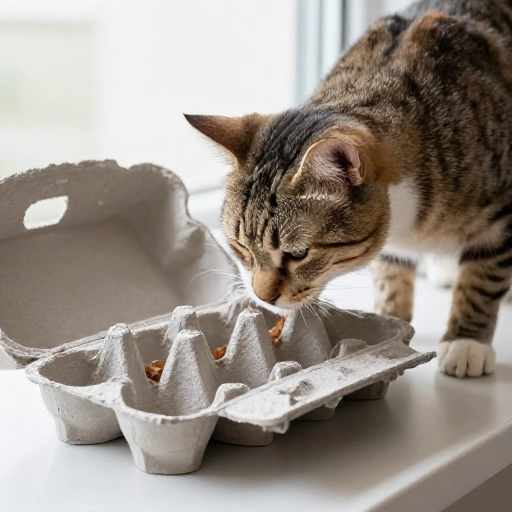
13. The “Egg Carton” Treasure Hunt
Take an empty cardboard egg carton. Place a single treat in a few of the cups. Close the lid. Your cat has to open the lid to get the treat.
For an extra challenge, put a small toy or a crumpled paper ball on top of the lid so they have to move it first. It’s a multi-step puzzle that really makes them think.
Some cats will just flip the whole carton over. That’s fine! It’s still a win.
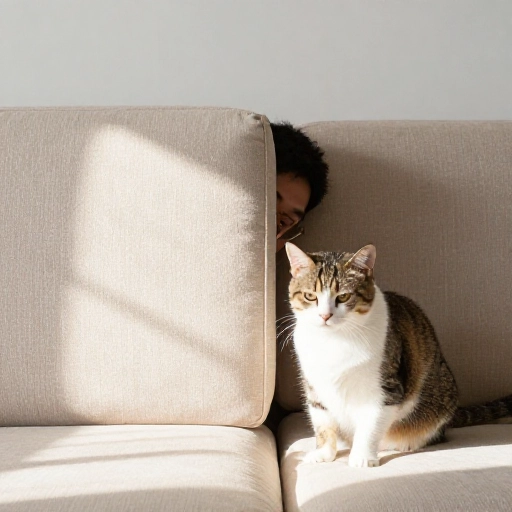
14. The “Hide and Seek” with You
This is a personal favorite. Go hide in a closet, behind a door, or under a blanket. Call your cat’s name in a happy voice. When they find you, give them a treat and lots of praise.
It’s a game of memory and sound. They have to use their ears and nose to locate you. It also builds a fun bond between you and your cat.
Start with easy hiding spots so they get the idea. Then make it harder.
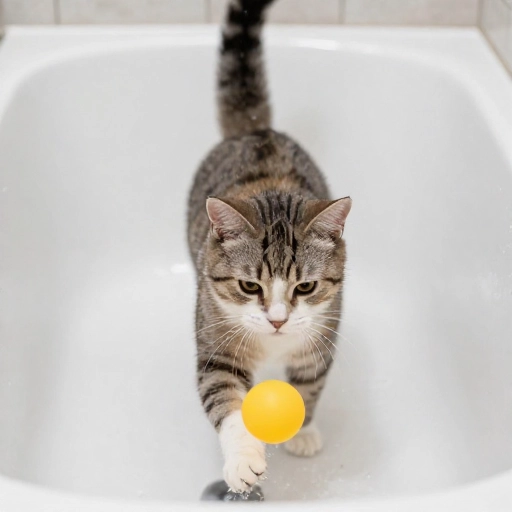
15. The “Ping Pong Ball” Bathtub Game
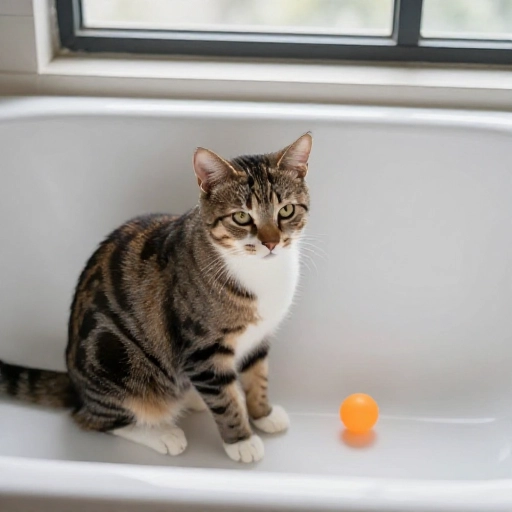
Drop a few ping pong balls into an empty bathtub. The smooth, slippery surface makes them bounce and roll in unpredictable ways. Your cat will have a blast batting them around.
The tub is a contained space, so the balls don’t roll under the couch. It’s loud, fun, and completely safe. Just make sure the tub is dry so they don’t slip.
This is a great game for high-energy cats who need an outlet.
Conclusion: Keep Their Minds Busy
Brain games are not just about keeping your cat entertained—they’re about keeping them happy and healthy. A mentally stimulated cat is less likely to develop behavioral issues like aggression or anxiety. Plus, it’s a wonderful way to spend quality time together.
Don’t worry if your cat doesn’t get a game right away. Every cat is different. Some are natural puzzle solvers, while others prefer the simple things. The key is to be patient, keep it fun, and always reward their effort. Your cat will thank you with purrs and a calmer demeanor.
Frequently Asked Questions
How often should I play brain games with my cat?
Aim for about 10 to 15 minutes a day. You can break it up into two shorter sessions. The goal is quality over quantity. Even a few minutes of focused play makes a big difference.
My cat ignores the puzzles. What should I do?
Start with the easiest game possible. Use their favorite high-value treat, like tiny pieces of chicken or tuna. Sometimes you have to show them how to do it by moving the treat with your hand. Patience is key.
Are store-bought puzzle toys better than homemade ones?
Not at all! Homemade toys are often more interesting because they have different textures and smells. Cardboard boxes and paper bags are fantastic. Store-bought toys are convenient, but homemade ones are just as effective.
Can brain games help with a cat that is overweight?
Absolutely. Using a puzzle feeder or a snuffle mat for their regular meals slows down their eating and burns mental energy. It turns mealtime into a workout for their brain, which can help reduce boredom eating.
Is it safe to leave my cat alone with a puzzle toy?
It depends on the toy. Never leave them alone with string, yarn, or small plastic pieces they could swallow. Cardboard and paper are generally safe, but always supervise the first few times to see how they play.