Male vs Female Cat Anatomy Explained with Love and Care

Male vs Female Cat Anatomy Explained with Love and Care
When I first adopted my two cats—a playful boy named Leo and a sweet girl named Misty—I never realized how different they would be beyond their personalities. It wasn’t just their behavior that set them apart; their anatomy and physical traits told their own fascinating stories. Understanding the male vs female cat anatomy isn’t just about biology—it’s about getting to know your furry companion on a deeper level and caring for them in the way they need most.
Each detail, from their body structure to their health tendencies, offers insights into their unique needs. Here’s everything I’ve learned through experience, research, and a whole lot of love.

Understanding the Basic Differences
At first glance, male and female cats might look quite similar—especially when they’re kittens. But as they grow, certain physical and behavioral differences start to stand out. These distinctions aren’t just about reproduction; they affect their size, muscle tone, temperament, and even grooming habits.
Male cats, for instance, usually develop broader heads and more muscular bodies, while females tend to stay leaner and more graceful. I used to joke that Leo looked like a mini lion, while Misty was my little ballerina—strong and elegant in her own way.
Male Cat Anatomy: Built for Strength and Territory
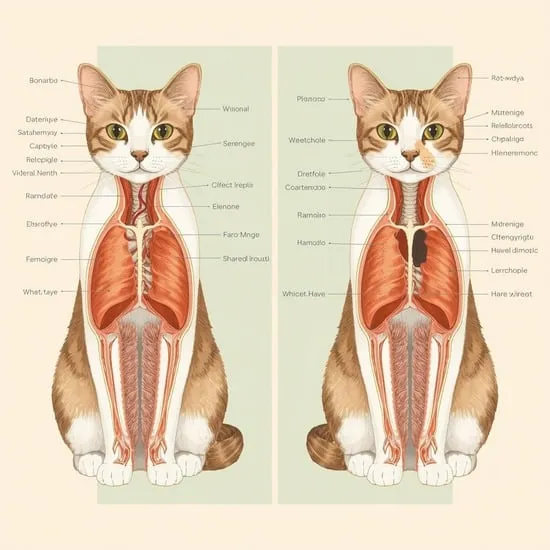
Male cats often have distinct physical traits that make them easy to identify. Once they reach maturity, intact males (those who haven’t been neutered) develop larger, rounder faces and more muscular shoulders. This is due to testosterone, which encourages growth and muscle development. They may also have thicker necks, which gives them that “tomcat” look we often recognize.
The most obvious anatomical difference, of course, is in their reproductive organs. Male cats have testicles located below the anus and a penis that remains hidden most of the time. If your male cat has been neutered, the testicles are removed through a small surgical procedure, which helps prevent unwanted behaviors like marking territory or aggression.
Female Cat Anatomy: Graceful and Nurturing by Nature
Female cats are usually smaller in size, with slender bodies and more delicate facial features. They tend to move with a certain grace that always reminds me of quiet confidence. Anatomically, female cats have their genital opening just below the anus, forming an appearance often compared to an upside-down exclamation mark.
What’s most remarkable about female cat anatomy is its design for motherhood. Their reproductive system includes ovaries, fallopian tubes, and a uterus. When unspayed, they go through heat cycles—periods of hormonal activity where they may become vocal, affectionate, or restless. After I had Misty spayed, she became calmer and even cuddlier, as if she finally found her peace.
Behavioral Traits Tied to Anatomy
Anatomy plays a big role in behavior. Male cats, driven by testosterone, tend to be more territorial and adventurous. Even neutered males often show playful dominance, like Leo does when he tries to “guard” the window from neighborhood birds. Female cats, meanwhile, usually show stronger maternal instincts. They can be protective, intuitive, and incredibly nurturing—even toward their humans or other pets.
These tendencies aren’t strict rules, though. Every cat has its own personality, and I’ve met plenty of affectionate males and bold, fearless females. Still, understanding how their anatomy shapes behavior helps you meet their emotional and physical needs better.
Health Considerations in Male vs Female Cats
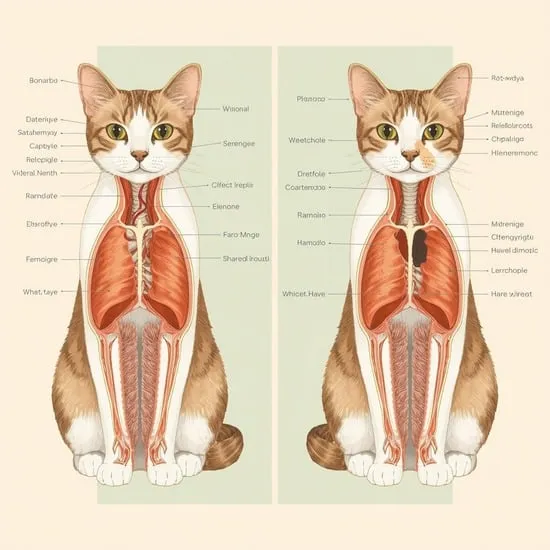
Knowing the difference in anatomy also helps you watch for specific health concerns. Male cats are more prone to urinary blockages because their urethra is narrower and longer. This makes it easier for crystals or blockages to form—a condition that can become serious quickly. It’s why I always make sure Leo drinks enough water and eats wet food regularly.
Female cats, on the other hand, can face reproductive issues if they’re not spayed, such as uterine infections (pyometra) or ovarian cysts. Spaying not only prevents these but also reduces the risk of certain cancers. I learned this firsthand with Misty—after her spay, she became healthier and more playful, as if she could finally just focus on being a happy cat.
How to Tell a Cat’s Gender
For new cat parents, identifying a kitten’s gender can be tricky! Gently lift the tail and look at the spacing between the anus and genital opening. Male kittens usually have a greater space between the two, while in females, the openings are closer together. It’s subtle, but once you’ve seen both, it becomes easier to tell.
If you’re unsure, it’s always best to ask your vet during your kitten’s first check-up. They can confirm the gender and guide you through what to expect in terms of growth, behavior, and health.
Final Thoughts: Loving Them for Who They Are
Whether your cat is male or female, their anatomy is just one small part of what makes them who they are. Each whisker, each purr, and each little stretch tells a story about their individuality. What truly matters is the bond you share—the trust, the laughter, and those quiet moments when they curl up next to you and remind you what unconditional love feels like.
Leo and Misty may be different in many ways, but they both fill my home with warmth. Understanding their anatomy helped me care for them better, but loving them taught me everything else I needed to know.