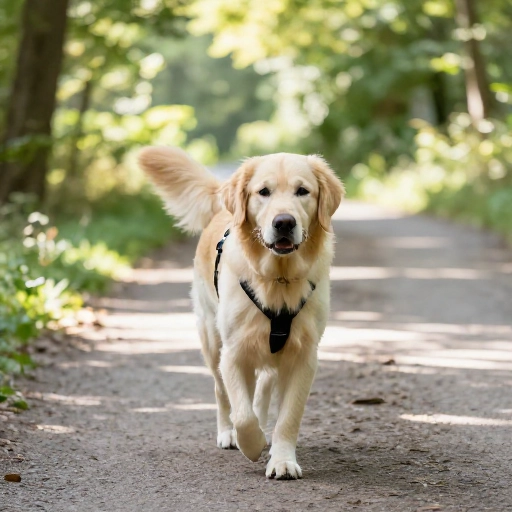
16 Stunning Pet-Friendly Landscaping Ideas Your Dog Will Actually Love
Let me be honest—when I first started planning my backyard, I thought I had to choose between a beautiful garden and a safe space for my golden retriever, Milo. I was wrong. After a few muddy disasters and some chewed-up hostas, I learned exactly what works for both pups and plants.
Creating a yard that looks good and lets your pet run wild doesn’t have to be complicated. You just need the right materials, smart plant choices, and a little bit of planning. Here are 16 landscaping ideas that will make your four-legged friend wag their tail—and keep your outdoor space looking polished.
1. Build a Digging Pit (So They Stop Digging Your Flowers)
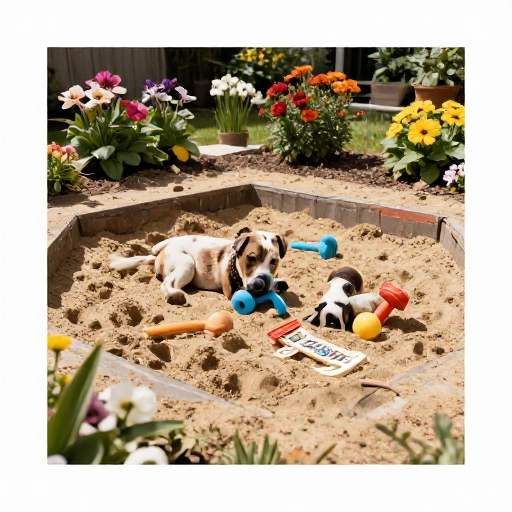
Dogs dig. It’s in their DNA. Instead of fighting it, give them their own designated spot. I built a simple 4×4-foot sandbox in a corner of my yard, and Milo uses it every single day.
Use play sand (not construction sand, which can be dusty) and bury a few toys or treats just under the surface. This keeps them entertained and your flower beds intact. Bonus: it’s super easy to rinse off sand compared to mud.
Make the edges with untreated lumber or landscape timbers so it feels intentional—not like a random hole in the ground.
2. Choose “Stepping Stone” Paths Over Solid Concrete
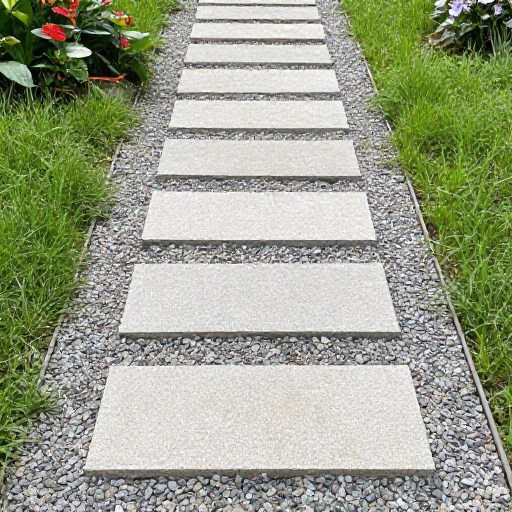
Solid concrete gets scorching hot in summer, which can burn your dog’s paw pads. I switched to a flagstone path with creeping thyme growing between the stones. It stays cool, smells amazing, and feels soft under their paws.
The gaps allow water to drain naturally, so no puddles form. Plus, the thyme releases a gentle scent when you step on it—both you and your pup will enjoy it.
Just make sure the stones are level and not wobbly. A loose stone can scare a dog or hurt their joints.
3. Plant Clover Instead of Grass
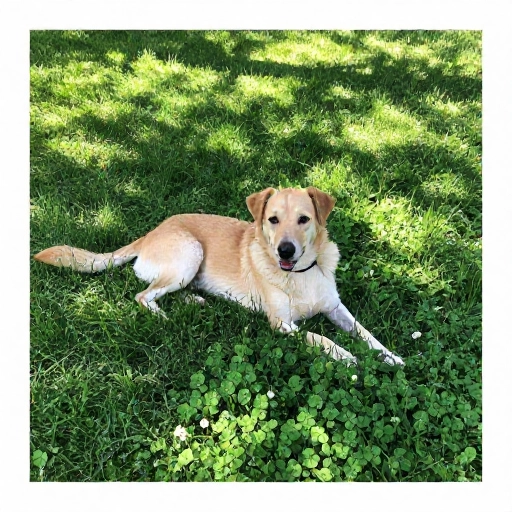
Traditional grass lawns are high-maintenance and easily ruined by dog urine. Clover, on the other hand, is tough, stays green, and actually thrives with a little nitrogen from your pet. I swapped half my lawn last spring, and it looks fuller than ever.
Clover also stays short, doesn’t need much water, and feels soft on bare paws. It’s also bee-friendly—just be mindful if your dog likes to snap at flying bugs.
Micro-clover is the best variety for yards. It blends well with existing grass if you don’t want a full replacement.
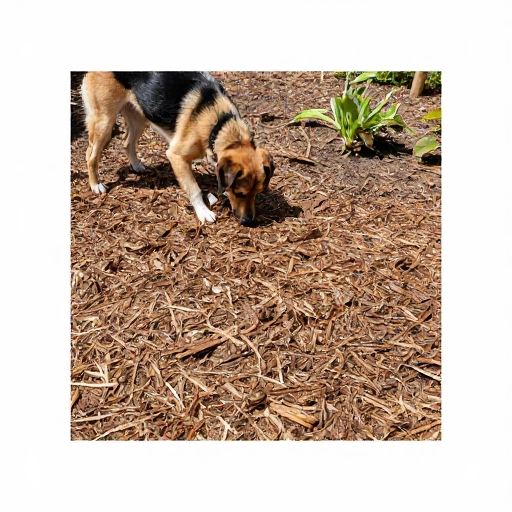
4. Install a Pet-Friendly Mulch (Skip the Cocoa Stuff)
Not all mulches are safe. Cocoa bean mulch smells like chocolate but is toxic to dogs if ingested. I learned this the hard way after Milo tried a nibble. Now I use shredded pine bark or cedar mulch—it’s soft, smells good, and won’t hurt them.
Avoid rubber mulch too. It doesn’t decompose, gets hot in sunlight, and some dogs chew on it. Stick with natural, untreated wood chips.
Apply a 2-inch layer around flower beds and trees. It suppresses weeds and gives your yard a clean, finished look.
5. Add a Shade Zone (Even If You Have a Small Yard)
Dogs can overheat quickly, especially in summer. I added a simple shade sail over a corner of my patio. It cost about $40 and took 20 minutes to install. Now Milo has a cool spot to nap outdoors.
If you prefer a natural look, plant a fast-growing tree like a red maple or a dogwood. Or hang a large outdoor curtain on a pergola. The key is to create a spot where the sun doesn’t hit directly from midday to late afternoon.
Add a water bowl under the shade, and you’ve got the perfect relaxation zone for your furry friend.
6. Use Artificial Turf for High-Traffic Areas
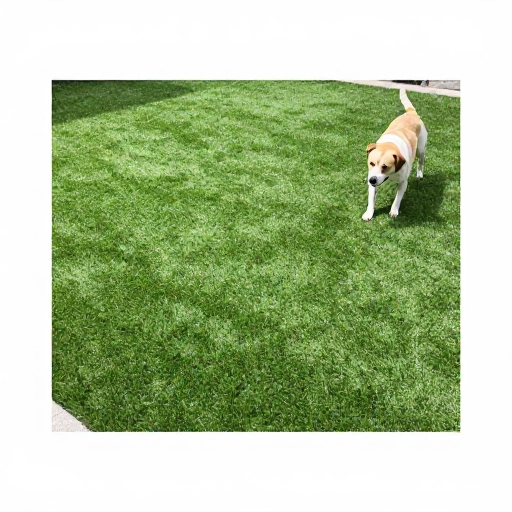
I was skeptical about fake grass until I tried it. For a small patch near the back door, artificial turf is a game-changer. It drains fast, never gets muddy, and you don’t have to worry about dead spots from urine.
Look for turf with a “pet-friendly” infill made from sand or cork. It helps neutralize odors and keeps the surface cool. Rinse it with a hose once a week, and it stays fresh.
It’s not for the whole yard, but for a potty zone or play area, it’s unbeatable.
7. Create a Low-Water “Pee Patch” with Sedum
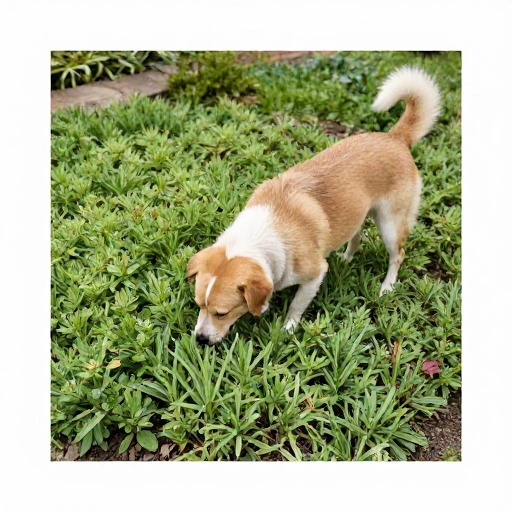
If you have a female dog (they tend to leave larger patches of urine), a dedicated pee patch can save your lawn. I planted a small area with sedum—a succulent that handles urine surprisingly well. It stays green, doesn’t burn, and requires almost no water.
Sedum also grows low to the ground, so it won’t block your view. Use a few varieties for texture—’Dragon’s Blood’ turns red in fall, which looks beautiful.
Train your dog to use this spot by leading them there on a leash at potty time. Treats help reinforce the habit.
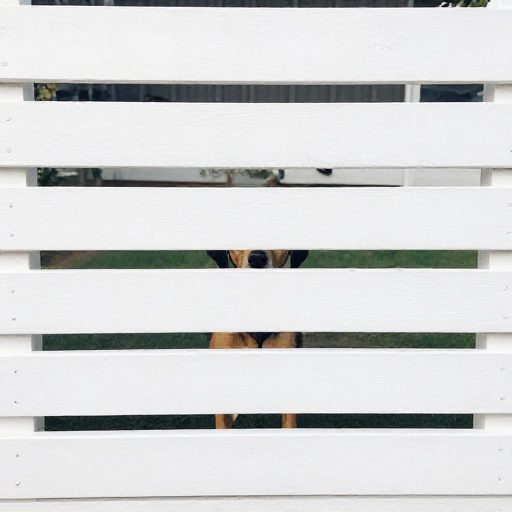
8. Fence with Visibility (So Your Dog Can See Out)
Dogs love to know what’s happening on the other side of the fence. A solid wood fence can make them anxious because they can’t see. I installed a metal mesh fence with a wooden frame—it’s sturdy, safe, and lets Milo watch the squirrels.
If you already have a solid fence, add a small window cutout with a clear acrylic panel. It gives your dog a view without compromising security.
Make sure the fence is tall enough (at least 5 feet for most dogs) and has no gaps where a paw could get stuck.
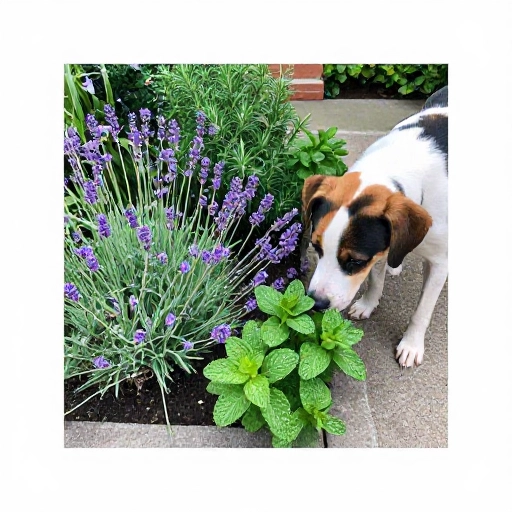
9. Plant Fragrant Herbs They Can Sniff (Safely)
Dogs experience the world through their nose. Planting dog-safe herbs like rosemary, mint, basil, and lavender gives them a sensory playground. Milo loves rolling in the mint patch—it’s hilarious to watch.
These herbs are also useful for cooking, so you get a double benefit. Plant them in raised beds or containers to keep them from getting trampled.
Avoid essential oil plants like pennyroyal or tea tree—they can be toxic. Stick with common culinary herbs and always double-check before planting.
10. Build a Splash Zone with a Shallow Basin
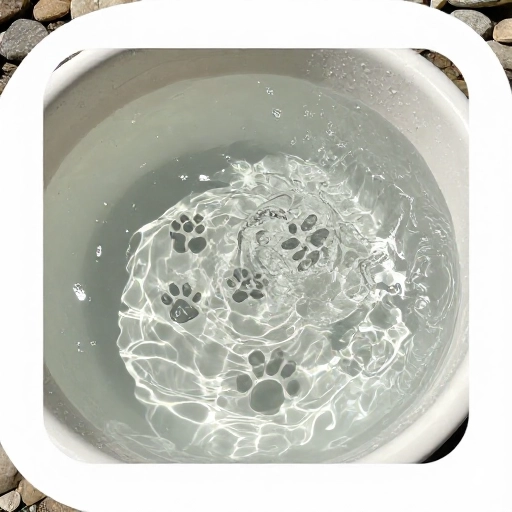
On hot days, a shallow water feature is pure joy for a dog. I bought a large, low ceramic basin (about 18 inches wide) and placed it on the patio. Milo splashes around and cools off without me having to fill a kiddie pool every day.
Make sure the basin is shallow—no more than 6 inches deep. Place it on a flat surface with good drainage so it doesn’t create a mud pit.
Change the water daily to keep it clean. In winter, store it indoors to prevent cracking.
11. Use Edible Landscape Plants (Safe for Nibblers)
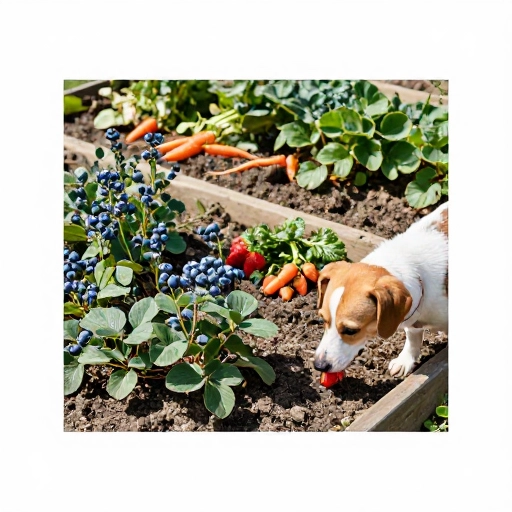
Some dogs like to taste-test the garden. Instead of planting toxic flowers like lilies or tulips, go with edible options. I planted strawberries, blueberries, and pumpkin vines along my fence line. Milo picks the low-hanging strawberries himself.
Other safe choices include snap peas, carrots, and sunflowers (the seeds are a treat). Avoid onions, garlic, grapes, and rhubarb—they’re toxic to dogs.
Keep a small patch of wheatgrass or oat grass for your dog to munch on. It’s easy to grow and helps with digestion.
12. Create a “Zoomie” Path Around the Yard
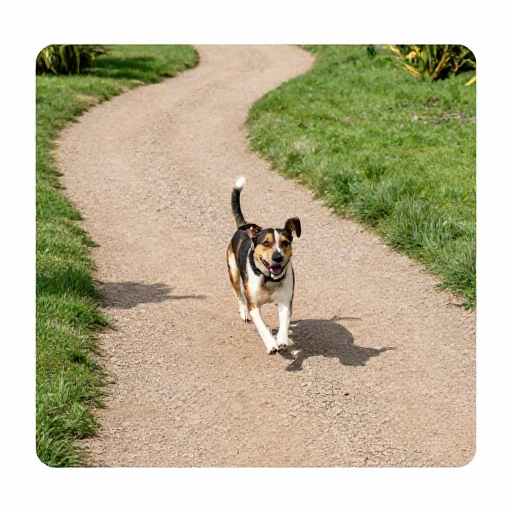
Dogs love to run in circles—it’s called the zoomies. I designed a simple path around my yard using stepping stones and low edging. Milo follows it naturally when he’s excited, and it keeps him from crashing into flower beds.
Make the path at least 3 feet wide so they have room to turn. Use soft ground cover like bark or pea gravel to cushion their paws.
You can even add a slight curve or two. Dogs prefer curved paths over straight lines—it feels more playful to them.
13. Install a Pet-Washing Station Near the Door
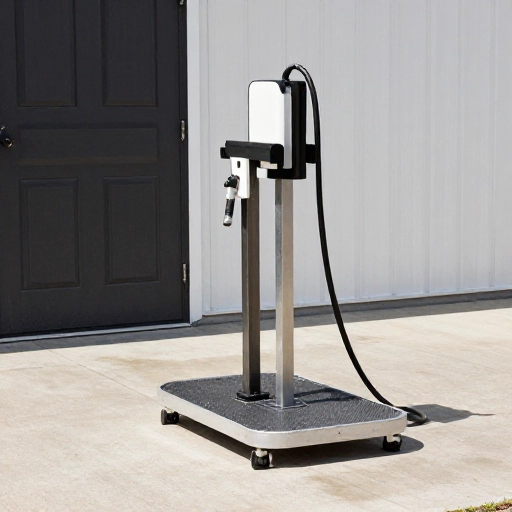
Muddy paws are the enemy of clean floors. I built a simple washing station with a low faucet and a concrete pad near my back door. A quick spray with the hose, and Milo’s paws are clean before he comes inside.
If that sounds like too much work, a large outdoor mat with a textured surface works too. Place it right outside the door and train your dog to stop there.
Add a hook for a towel and a small bucket for soaking dirty paws. It makes a huge difference in daily cleanup.
14. Plant a “Sniff Garden” with Different Textures
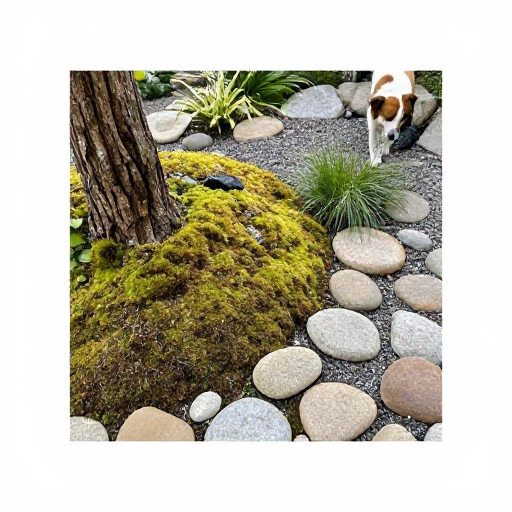
Dogs explore with their nose and paws. I created a small garden bed with plants of different textures: soft lamb’s ear, crinkly ferns, fuzzy sage, and sturdy ornamental grasses. Milo loves walking through it, sniffing each one.
This is also a great way to add visual interest to your yard. Use a mix of heights and colors to make it look intentional.
Stick to non-toxic plants. Avoid anything with sharp thorns or sticky sap. The goal is a safe, sensory experience.
15. Use Non-Toxic Pest Control (Skip the Chemicals)
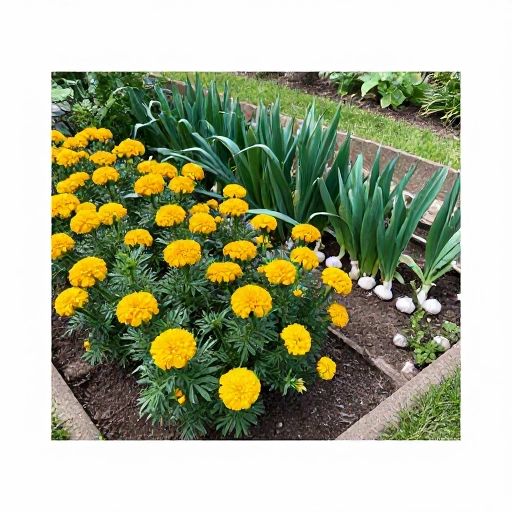
Chemical pesticides and herbicides can harm your dog. I switched to diatomaceous earth for fleas and ants, and I use neem oil spray for plant pests. Both are safe for pets once dry.
For weeds, I pull them by hand or use a vinegar-and-water solution. It’s a little more work, but I never worry about Milo licking something toxic.
Check all products before using them. If it says “keep pets away until dry,” it’s probably not ideal for a dog who runs through the yard immediately.
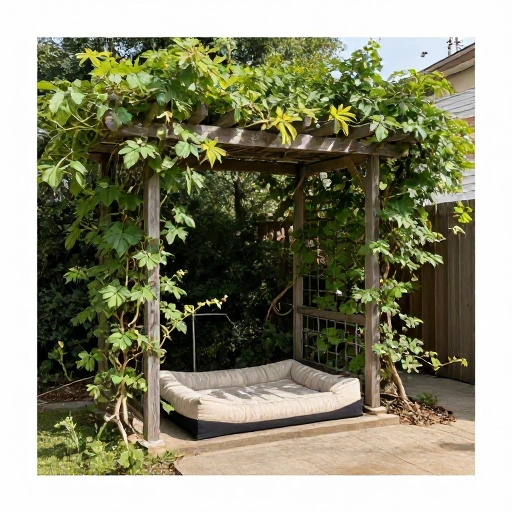
16. Add a Cozy “Den” Spot Under a Tree or Deck
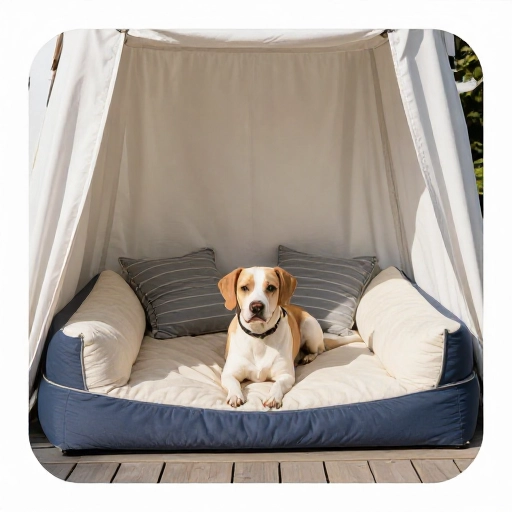
Dogs love having a safe, enclosed space to retreat to. I placed a large dog bed under a low-branched tree in the corner of my yard. Milo goes there when he wants a break from the sun or from playing with guests.
If you don’t have a tree, use a small wooden crate or a covered patio corner. Add a soft blanket and a chew toy, and it becomes their private hangout.
Make sure the spot is shaded and has good airflow. It should feel like a little cave—cozy, but not stuffy.
Conclusion
Building a pet-friendly yard isn’t about sacrificing style—it’s about designing with your dog in mind. Every change I made, from the digging pit to the clover lawn, made my life easier and Milo happier. Your yard can be both beautiful and functional. Start with one or two ideas, and build from there. Your pup will thank you (probably with a sloppy kiss and a happy zoomie).
Frequently Asked Questions
1. What ground cover is safest for dogs?
Clover, artificial turf, and shredded bark mulch are all safe options. Avoid cocoa mulch, rubber mulch, and gravel with sharp edges. Soft, non-toxic materials are best for paws and digestion.
2. Can I have a vegetable garden if I have a dog?
Yes, but use raised beds or fencing to protect your plants. Some vegetables like tomatoes and potatoes (the green parts) can be toxic, so supervise your dog. Stick with dog-safe edibles like strawberries, blueberries, and carrots.
3. How do I stop my dog from digging up my plants?
Give them a dedicated digging pit filled with sand or loose soil. Bury toys or treats to encourage use. Also, make sure they get enough exercise—bored dogs dig more. Consistent redirection works best.
4. What plants should I avoid in a pet-friendly yard?
Avoid lilies, tulips, azaleas, sago palm, oleander, and rhubarb leaves. Also skip cocoa mulch and any plant treated with chemical pesticides. Always check with the ASPCA list before planting something new.
5. Is artificial turf safe for dogs?
Yes, when installed properly. Choose pet-specific turf with drainage holes and non-toxic infill. Rinse it weekly to prevent odor buildup. It’s a great option for small potty areas or high-traffic zones.