Rescue Dog Training: First 30 Days to a Calm, Confident, Happy Best Friend
Bringing home a rescue dog is one of the most rewarding things I’ve ever done. But let me be honest: the first 30 days can feel like a beautiful, messy whirlwind. Your new dog isn’t just learning your rules—they’re learning whether they can trust you.
I’ve fostered and adopted several rescue dogs, and the biggest lesson I’ve learned is that slow is fast. You don’t need to train everything at once. You need a simple plan that builds safety, routine, and connection.
This guide walks you through the first 30 days of rescue dog training, one small win at a time. Pin it now, because you’ll want to come back to it on the tough days.
1. Set Up a Calm Space Before Your Rescue Dog Comes Home
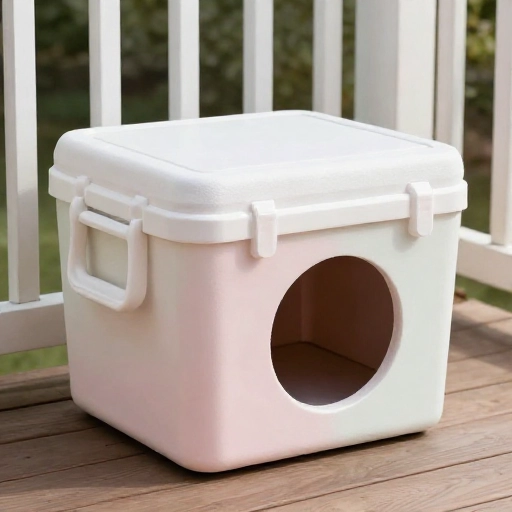
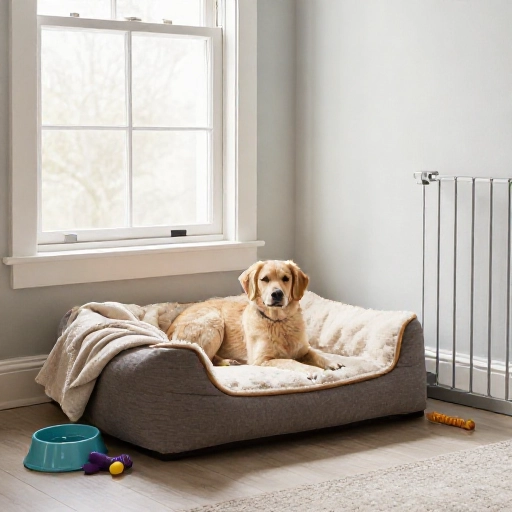
Before your dog walks through the door, create a quiet “safe zone.” This can be a corner of your living room, a spare bedroom, or a crate with the door open. Add a soft bed, a water bowl, and a few chew toys.
The goal isn’t to make it fancy. The goal is to give your dog a place where they can decompress without being stared at or touched.
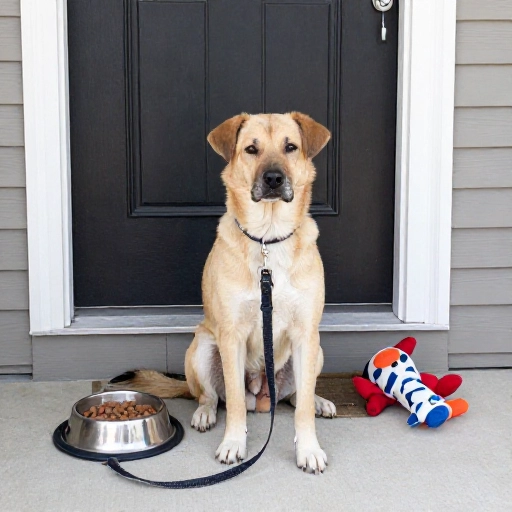
I also keep a leash, treats, and poop bags right by the door. Trust me, you don’t want to be searching for those when your new dog is pacing and nervous.
2. The First 24 Hours: Less Is More
When your rescue dog first arrives, resist the urge to throw a welcome party. No big introductions, no loud kids, no dozens of photos with flash. Keep it boring and calm.
Take them out for a short potty break on a leash, then bring them straight to their safe zone. Sit nearby and talk softly. Let them come to you.
I usually keep the first day almost silent. I feed small meals, offer water, and let the dog sniff around at their own pace. That’s it.

3. Name Recognition: Make It a Happy Word
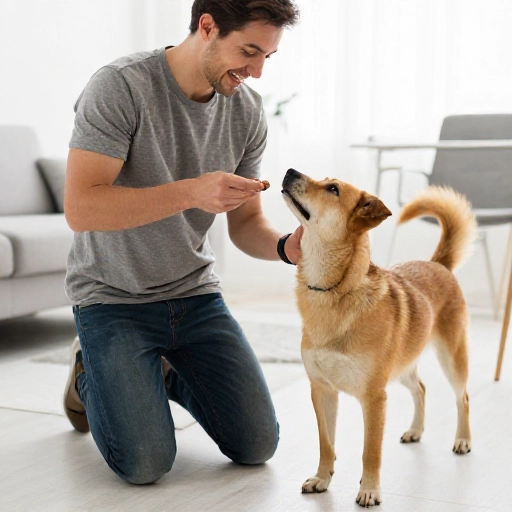
Your dog might not know their new name yet. That’s okay. Say it once, then immediately give a tiny treat. Repeat this five times in a row, a few times a day.
Don’t use their name for corrections. You want them to hear “Buddy!” and think, “Yes! Good things happen!”
If they look at you when you say it, mark that moment with a calm “yes” and a treat. That’s the beginning of real communication.
4. Potty Training Reset: Go Back to Basics
Even if your rescue dog was supposedly potty trained, assume they need a refresh. New smells, new schedule, and stress can cause accidents.
Take them out every hour or two, especially after waking up, eating, drinking, and playing. Go to the same spot every time. Stand still and wait.
When they go, quietly praise and give a treat right after they finish. If they have an accident inside, clean it with an enzyme cleaner and don’t scold. Just take them out sooner next time.
5. Crate Training Without Fear
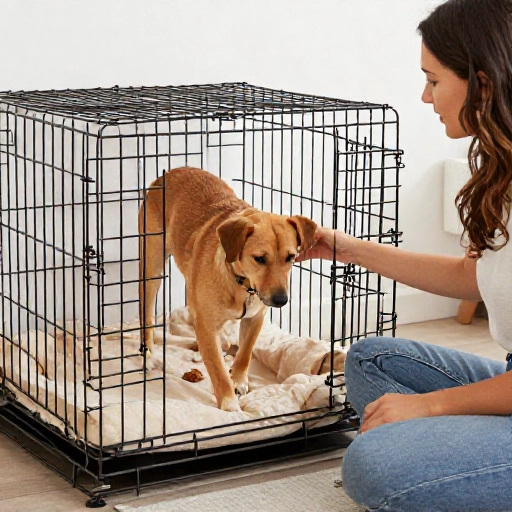
A crate can be a lifesaver, but only if your dog sees it as a happy place. Start by feeding every meal inside the crate with the door open.
Toss treats in randomly during the day. Let your dog walk in and out freely. Never push them in or close the door too fast.
Once they’re comfortable, close the door for just a few seconds while they eat, then open it. Build up to five minutes, then ten. Slow and boring wins this game.
6. Leash Manners Start Indoors
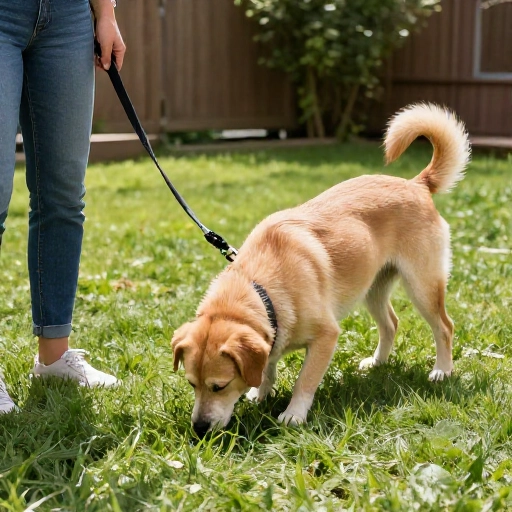
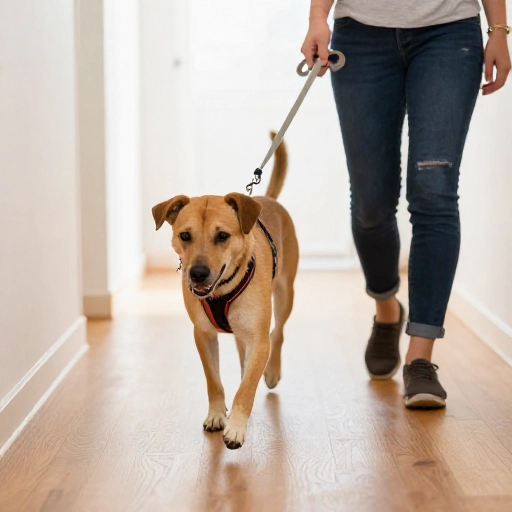
Don’t wait until you’re outside to teach loose leash walking. Put the leash on inside your home and just walk around.
Reward your dog for staying near you. If they pull, stop moving. Wait for the leash to slack, then walk again.
I practice this in my hallway for five minutes a day. By the time we hit the sidewalk, my dog already knows that pulling gets us nowhere.
7. The 3-3-3 Rule: What It Really Looks Like
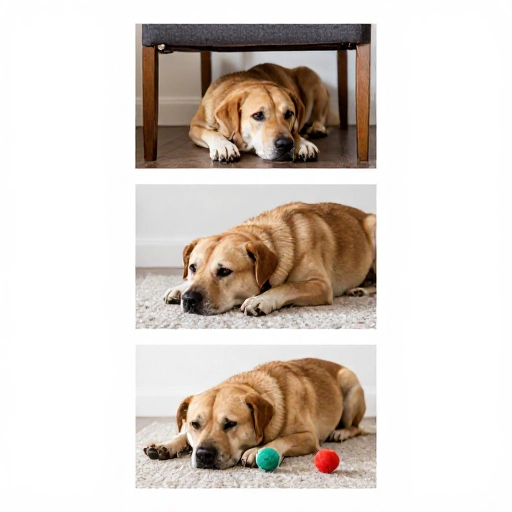
You’ve probably heard about the 3-3-3 rule: three days to decompress, three weeks to learn your routine, three months to feel at home. It’s a helpful guide, not a strict law.
In the first three days, expect your dog to be shut down, scared, or overly clingy. Don’t take it personally.
By week three, you might see their real personality peek out—sometimes with zoomies or testy behavior. That’s normal. Keep your routine steady.
8. Build Trust With Hand Feeding
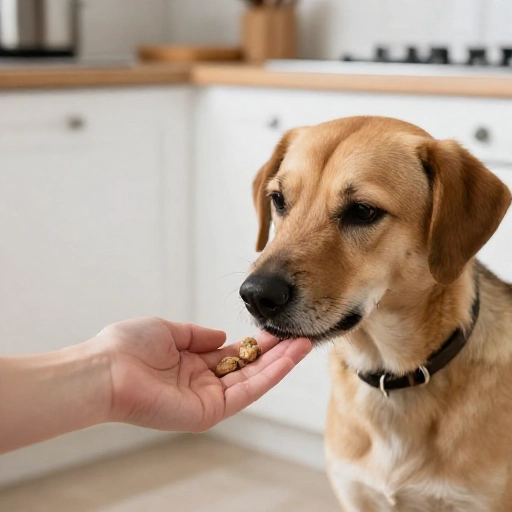
One of my favorite rescue dog training tricks is hand feeding. Instead of putting food in a bowl, offer it from your hand, a few kibbles at a time.
This teaches your dog that good things come from you. It also slows down fast eaters and creates a gentle bond.
If your dog is too nervous to eat from your hand, just sit on the floor and toss a kibble near your feet. Gradually toss it closer.
9. Teach “Look at Me” for Attention
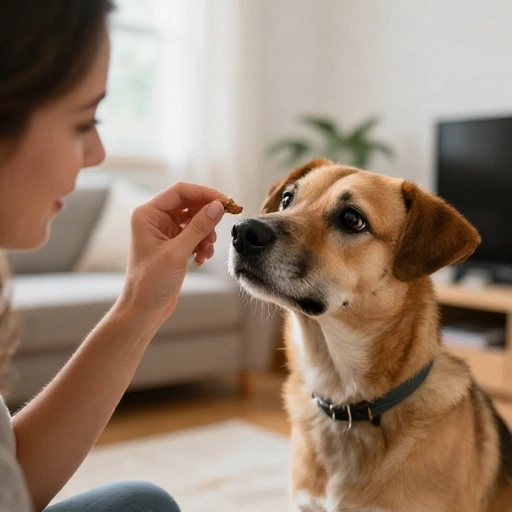
“Look at me” is a simple but powerful cue. Hold a treat near your eyes, say your dog’s name, and when they make eye contact, say “yes” and treat.
Practice for one minute at a time. Soon you can use it when you’re outside and another dog walks by.
This one cue helps your rescue dog check in with you instead of reacting to everything around them.
10. Social Distancing: Don’t Overwhelm With Visitors
Your friends and family will want to meet your new dog. But in the first week or two, keep visitors to a minimum.
If someone must come over, ask them to ignore the dog completely. No eye contact, no petting, no talking. Let the dog approach first.
I usually have guests toss a treat on the floor without looking at the dog. That builds positive associations without pressure.

11. Introduce Other Pets Slowly
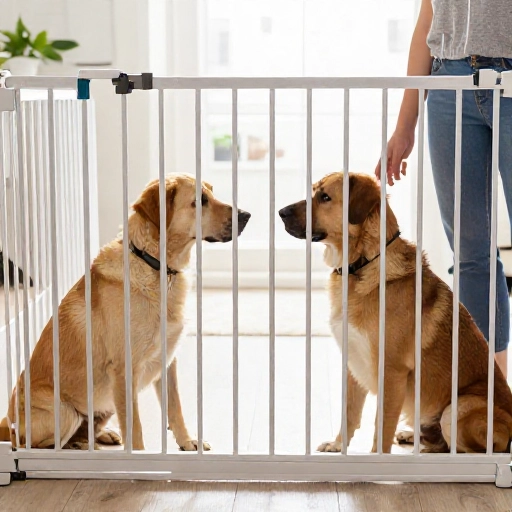
If you have resident pets, don’t just let them mingle and hope for the best. Use baby gates, crates, or leashes to keep everyone safe.
Start with scent swaps. Rub a towel on one pet, then let the other sniff it. Do this for a few days.
Then do side-by-side walks with both pets on leash, at a distance. Gradually decrease the distance over a week. Keep sessions short and calm.
12. Manage Resource Guarding Early
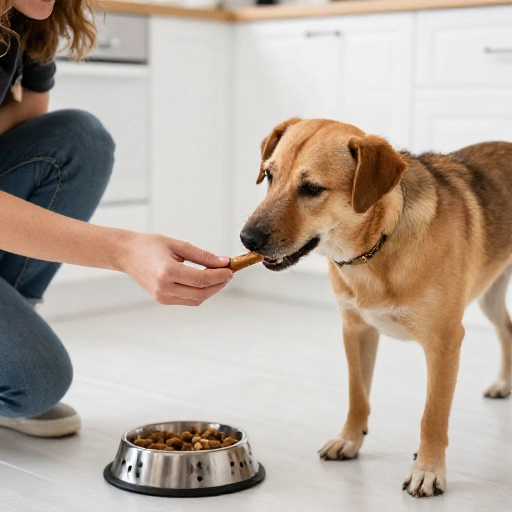
Some rescue dogs guard food, toys, or high-value chews. Watch for stiff body language, growling, or freezing when you come near.
Don’t punish growling. Growling is communication. Instead, trade up: offer a better treat and take the item away gently.
I also feed my dogs in separate rooms and pick up bowls after meals. Management prevents a lot of problems while you build trust.
13. Create a Daily Routine They Can Count On
Rescue dogs thrive on predictability. Same wake-up time, same potty breaks, same meal times, same walk route for the first few weeks.
Write your routine on a whiteboard or your phone. Stick to it even on weekends.
When your dog knows what’s coming next, they relax. And a relaxed dog is a trainable dog.
14. Use High-Value Treats for Hard Moments
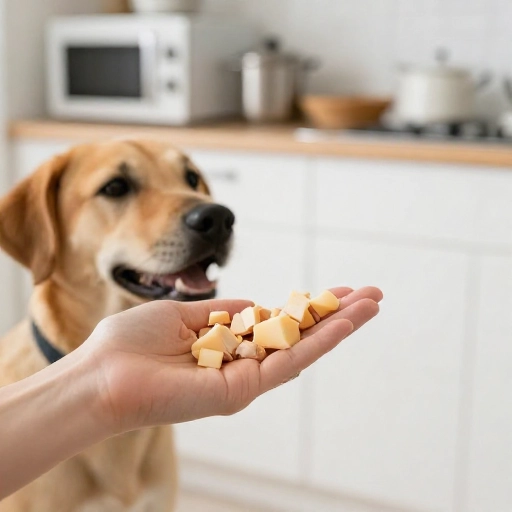
Not all treats are equal. For tough situations—like seeing another dog or hearing a loud noise—use the good stuff. Think tiny bits of cheese, chicken, or hot dog.
Keep these special treats only for training breakthroughs. If your dog only gets them when they’re brave, they’ll start offering brave behavior.
I always carry a small pouch of “emergency chicken” on walks. It has saved me from many meltdowns.
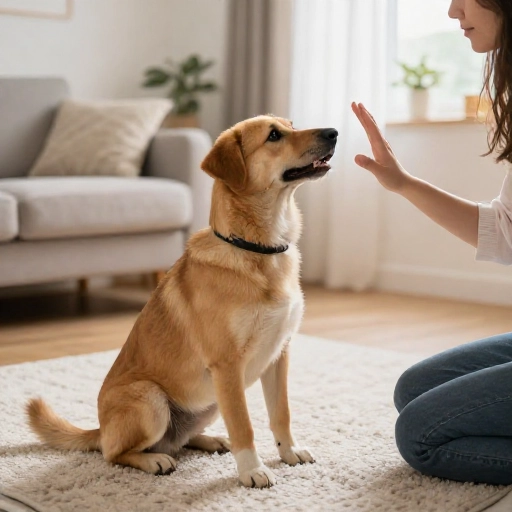
15. Master “Sit” and “Down” as Calmness Tools
Sit and down aren’t just tricks. They’re ways to ask your dog to pause and reset. I use them when my dog gets overexcited.
Lure a sit with a treat over their nose, then reward. For down, lure from a sit down to the floor. Keep sessions under two minutes.
Once your dog knows these cues, ask for a sit before meals, before going out the door, and before getting on the couch.
16. Leash Walking: Start With Baby Steps
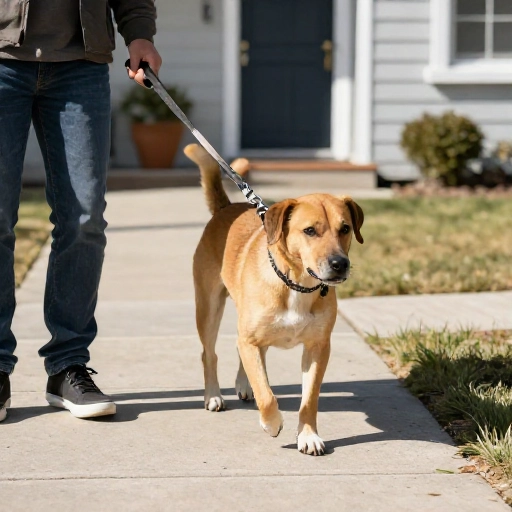
Your first walks won’t be majestic strolls. They’ll be sniff-fests and stop-and-go practice. That’s perfect.
Let your dog sniff for the first five minutes. Sniffing lowers stress and tires them out mentally.
Then practice a few steps of loose leash walking. Reward when the leash is loose. If they pull, stop and wait. Repeat.
17. Handle Separation Anxiety Gently
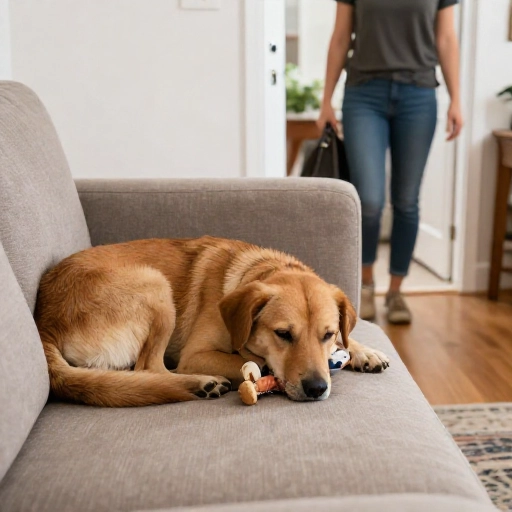
Some rescue dogs panic when you leave. Don’t force long absences right away. Start with one-second departures.
Step out the door, come right back, and act boring. Do this ten times a day. Then try five seconds, then thirty.
Leave a frozen stuffed toy or a chew before you go. And never make a big deal out of leaving or returning. Calm is the goal.
18. Desensitize to Sounds and Surprises
City noises, doorbells, and vacuum cleaners can scare a rescue dog. Instead of avoiding them, pair them with treats at a low volume.
Play a sound at a whisper while giving treats. Gradually increase the volume over days. If your dog stops eating, you went too fast.
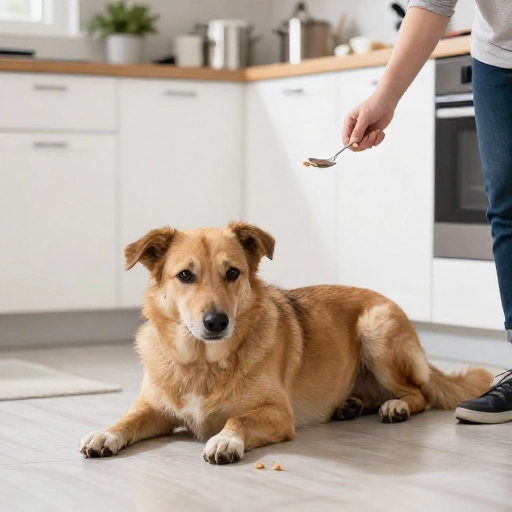
I also drop a metal spoon during meals to teach that sudden sounds predict good things.
19. Grooming and Handling Practice
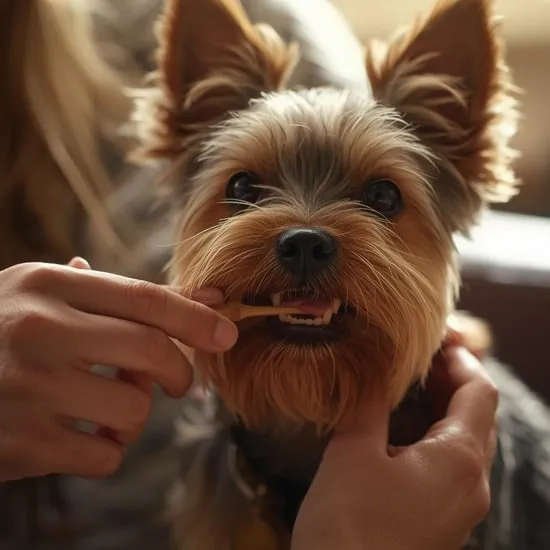
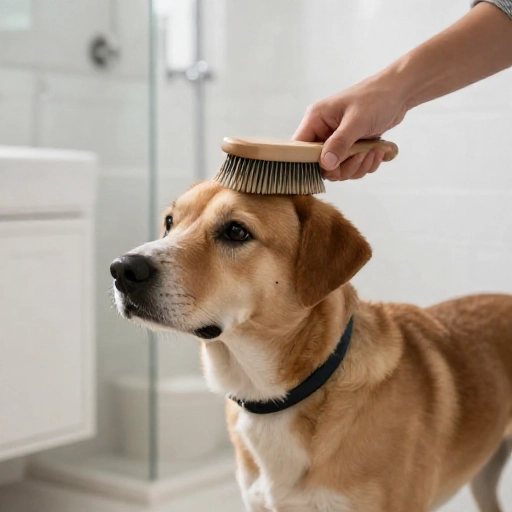
Touch your dog’s paws, ears, and tail for one second, then treat. Do this daily. It prevents future vet and grooming stress.
Use a soft brush for ten seconds, then treat. Keep sessions happy and short.
If your dog pulls away, don’t chase. Just go slower and use better treats. Handling should feel like a game, not a trap.
20. Vet Visit Prep Without Stress
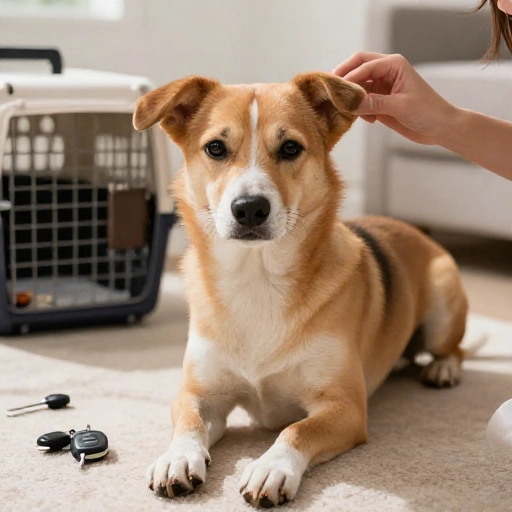
Before the actual vet appointment, practice getting in and out of the car. Turn the engine on, give treats, turn it off.
Visit the vet’s parking lot and just hang out. Give treats, walk around, and leave. Do this twice before the real visit.
Bring high-value treats and ask the staff to give your dog a few. A happy vet visit builds confidence for years.
21. Teach a Solid “Come” in the House
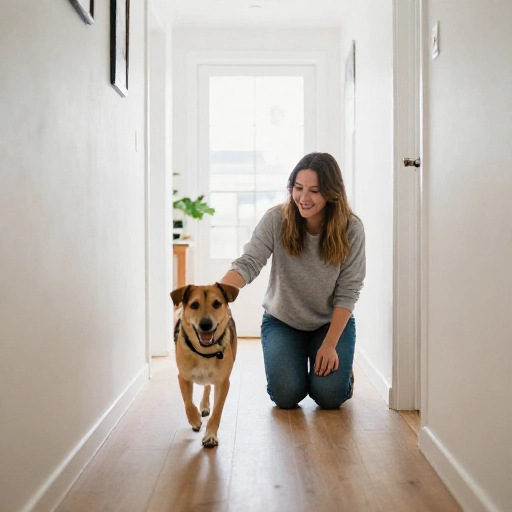
Never call your dog to do something unpleasant. “Come” should always mean good things. Start in a hallway with no distractions.
Say your dog’s name, then “come,” and reward big when they reach you. Toss a treat away, then repeat.
Practice five times a day. Once they’re reliable inside, try in a fenced yard or on a long line.
22. Set Boundaries With Furniture and Space
Decide your house rules before your dog arrives. Are they allowed on the couch? In your bed? On the rug?
Whatever you choose, be consistent. If you don’t want them on the furniture, block it with baby gates or train a “place” cue.
I love using a dog bed as a “place” where my dog can relax while I cook or work. It gives them a job and keeps the peace.

23. Read Body Language: Stress Signals
Rescue dogs can’t say “I’m overwhelmed.” They show it with lip licking, yawning, whale eye, tucked tail, or freezing.
When you see these signs, stop what you’re doing and add distance. Don’t push your dog to “get over it.”
I keep a mental checklist: ears back? tense body? turning away? That’s my cue to take a break.

24. Enrichment: A Tired Dog Is a Good Dog
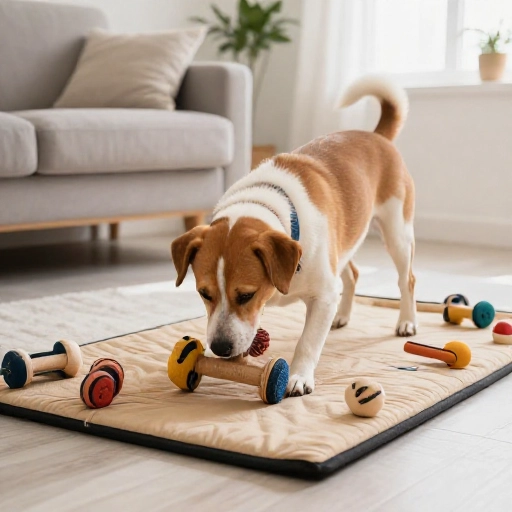
Training is great, but enrichment is magic. Snuffle mats, frozen Kongs, cardboard boxes with treats, and scatter feeding all burn mental energy.
Ten minutes of sniffing work can tire your dog out more than a long walk. And it builds confidence.
I give my rescue dog one enrichment activity every afternoon. It prevents boredom barking and destructive chewing.
25. Celebrate Tiny Wins and Track Progress
Your rescue dog might not learn “stay” in 30 days. That’s fine. Did they stop hiding under the bed? That’s a win. Did they take a treat from your hand? Huge.
Keep a simple note on your phone. Write down one good thing each day. On hard days, read it back.
Progress isn’t a straight line. It’s a zigzag of trust, patience, and tiny victories. You’re building a relationship, not a robot.

Conclusion: The First 30 Days Are Just the Beginning
Rescue dog training in the first 30 days isn’t about perfection. It’s about safety, routine, and showing up calmly every day.
You’ll make mistakes. Your dog will too. That’s okay. The goal is to become the person your dog can finally trust.
Keep sessions short, treats tiny, and expectations realistic. The dog who hides today might be your shadow in three months. Pin this guide and take it one day at a time.
FAQ: Rescue Dog Training First 30 Days
How long should training sessions be?
Keep them under five minutes, two or three times a day. Short and sweet beats long and frustrating.
What if my rescue dog won’t eat treats?
Try higher-value food like chicken or cheese. If they still won’t eat, they’re likely too stressed. Give them space and try again later.
Should I let my dog sleep in my bed during the first month?
That’s a personal choice. Many trainers suggest waiting until your dog is house-trained and calm. But if it helps them settle and you’re okay with it, go for it.
How do I stop my rescue dog from barking at everything?
First, manage the environment—close blinds, use white noise. Then reward calm behavior. Don’t yell, as that can increase anxiety.
When should I start formal obedience classes?
Wait until your dog has had a vet check and is comfortable in your home, usually after two to four weeks. Look for positive-reinforcement classes.