How to Build a Year-Round Preventive Care Calendar for Your Dog (Month-by-Month Guide)
I used to be the dog mom who only called the vet when something was wrong. Then my senior beagle had a dental emergency that could have been prevented. That wake-up call made me build a simple, year-round preventive care calendar. Now I want to share how you can do the same.
A good calendar isn’t about being perfect. It’s about having a rhythm. You’ll know what to do each month, from parasite prevention to nail trims, without scrambling. This plan works for puppies, adults, and senior dogs. You just adjust the details.
Below, I’ll walk you through 10 building blocks. Pick what fits your dog’s age, breed, and health. Then write it down, set reminders, and breathe easier.
1. Start With Your Vet’s Baseline: Annual Exam & Core Vaccines
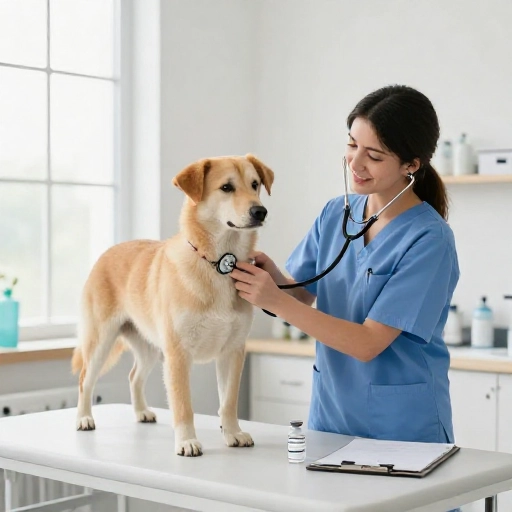
Every solid calendar starts with a vet visit. I book my dog’s annual wellness exam on the same week every year—right after his birthday. That way, I never forget.
During this visit, your vet will check teeth, eyes, ears, heart, lungs, and weight. They’ll also update core vaccines like rabies, distemper, and parvovirus. Ask about lifestyle vaccines if your dog goes to daycare or hikes.
I write down the exact date of the next exam on a wall calendar and set a phone reminder for one month before. That reminder is my cue to start a checklist of any new behaviors or lumps I’ve noticed.
2. Map Out Monthly Parasite Prevention (Flea, Tick, Heartworm)
Parasites don’t take seasons off. In many places, fleas and ticks are active year-round. Heartworm is spread by mosquitoes, so it’s a risk whenever those buzz around.
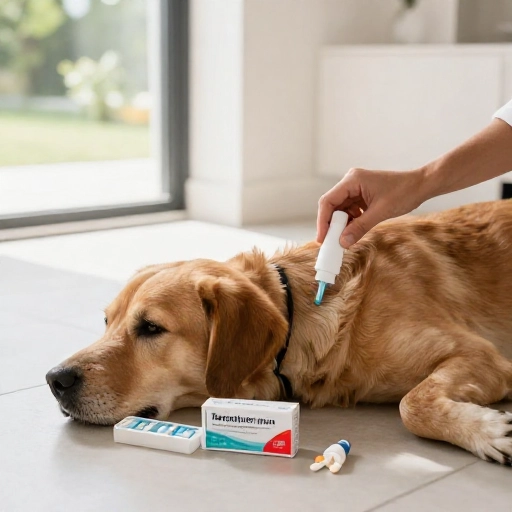
I use a monthly chewable for heartworm and a topical or oral flea/tick preventive. I mark the first day of each month as “prevention day.” My dog gets his pill with a spoonful of peanut butter, and I log it in my phone.
If you live in a cold climate, your vet might say you can skip winter months. But with climate changes, I’d rather be safe. Always ask your vet what’s best for your region.
3. Schedule Dental Care: More Than Just Fresh Breath
Dental disease is one of the most common issues I see in dogs. It causes pain, infections, and even heart problems. Brushing is ideal, but let’s be real—not every dog tolerates it.
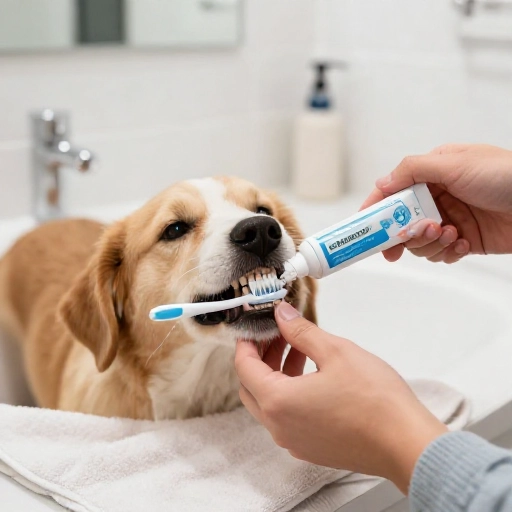
I aim for three brushings a week with dog-safe toothpaste. On other days, I give dental chews or add a water additive. Every six months, I check for red gums, bad breath, or brown tartar.
Once a year, I ask my vet if a professional cleaning is needed. For my dog, it’s every 18 months. Putting it on the calendar makes it feel less like a scary surprise.
4. Plan Grooming & Skin Checks Month by Month
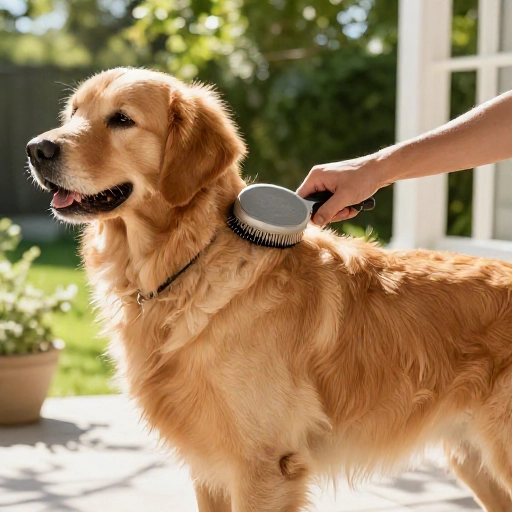
Grooming isn’t just about looks. It’s my monthly excuse to run my hands over every inch of my dog. I feel for lumps, bumps, scabs, or tender spots.
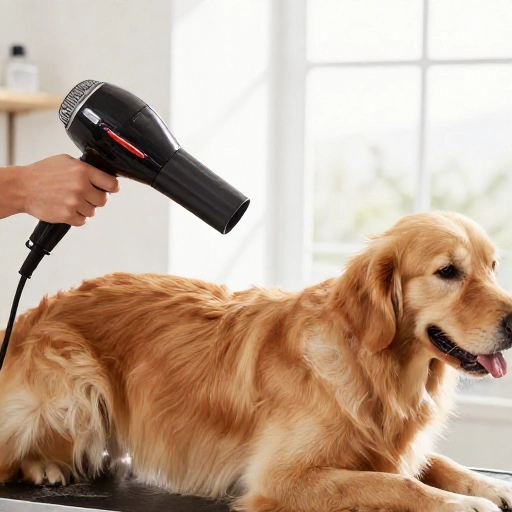
I schedule a bath every 4–6 weeks depending on his coat. After each bath, I do a full skin check. I part the fur and look for fleas, dry patches, or hot spots.
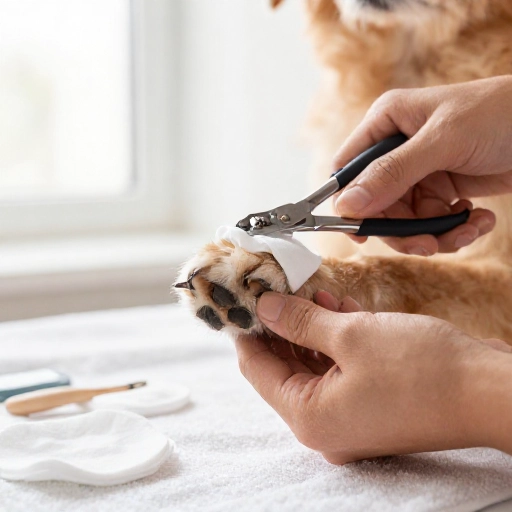
Nail trims happen every 3–4 weeks. I write it on the calendar because if I wait until I hear clicking on the floor, it’s been too long.
5. Track Weight & Nutrition Adjustments Seasonally
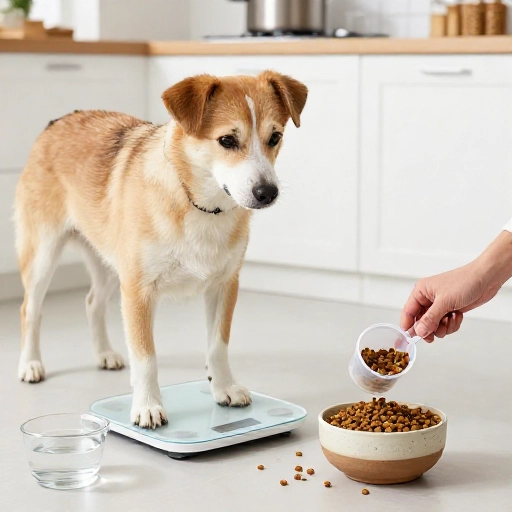
Weight creep is sneaky. A pound or two on a small dog is a big deal. I weigh my dog at home every month using a baby scale or by stepping on the scale with him.
I record the number in a notes app. If I see a trend up or down, I adjust his food portions or treats. In winter, he moves less, so I cut back slightly. In summer, we hike more, so I add a little.
Every season change, I review his food label and treat calories. I also check with my vet before switching foods. Sudden changes can upset his stomach.
6. Don’t Forget Nail Trims, Ear Cleaning & Eye Wipes
These small tasks add up. Overgrown nails can cause pain and even deform paws. Dirty ears can lead to infections. Eye discharge can be a sign of allergies.
I do a quick ear check every Sunday. I use a vet-approved ear cleaner on a cotton ball—never a Q-tip inside the canal. For eyes, I wipe with a damp cloth if I see gunk.
I put nail trims on the calendar every three weeks. If I skip, I schedule a groomer. It’s okay to outsource. The goal is consistency, not perfection.
7. Build in Joint & Mobility Checkpoints (Especially for Seniors)
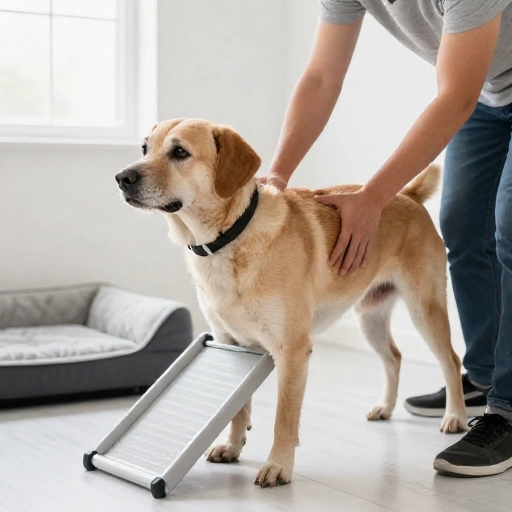
Joint issues creep up slowly. One day your dog hesitates on the stairs, and you realize it’s been happening for weeks. I now do a monthly mobility check.
I watch him walk, trot, and climb. I gently flex each leg. I look for stiffness, limping, or reluctance to jump. For senior dogs, I add a joint supplement after talking to my vet.
I also note slippery floors. I put down rugs on tile or wood. Small changes make a big difference in how my dog moves day to day.
8. Add Mental Enrichment & Training Refreshers
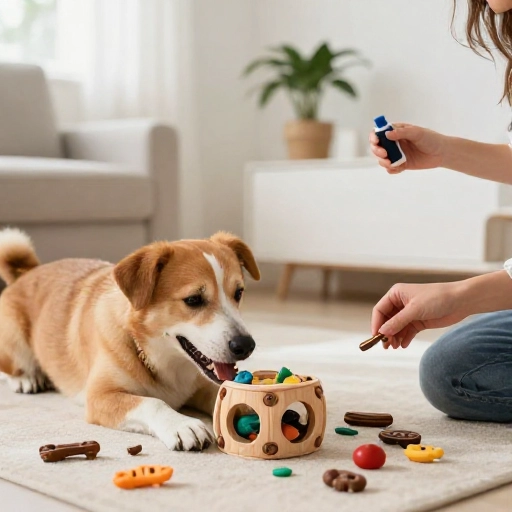
Preventive care isn’t just physical. A bored dog can develop anxiety, destructive habits, and even depression. I schedule 10 minutes of training or puzzle play every day.
I rotate toys to keep things new. I teach one new trick each month. It’s fun for both of us and keeps his brain sharp. Plus, it tires him out better than a walk sometimes.
I also use mealtime for enrichment. A snuffle mat or frozen Kong turns dinner into a game. It’s a simple habit that pays off in calm behavior.
9. Prepare for Seasonal Hazards: Heat, Cold, Allergies, Pests
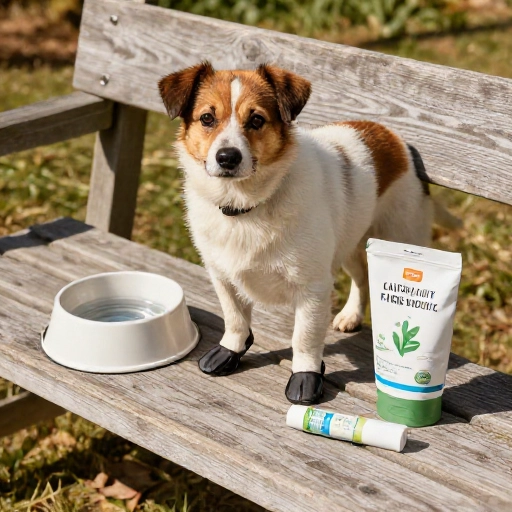
Each season brings its own risks. Summer means hot pavement, heatstroke, and foxtails. Winter means ice melt, antifreeze, and frozen paws. Spring and fall mean allergies and tick surges.
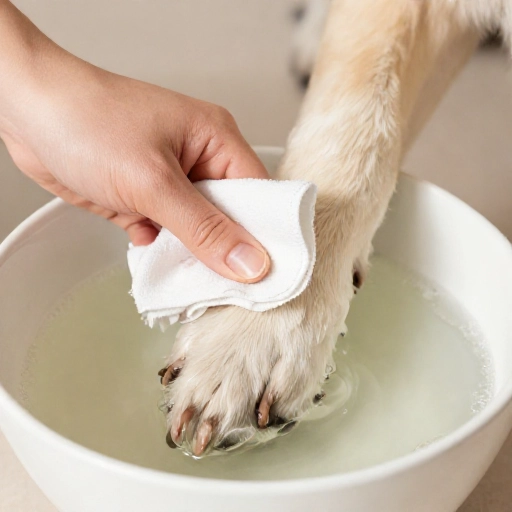
I keep a seasonal checklist. In spring, I start allergy wipes after walks. In summer, I walk early morning and test pavement with my hand. In fall, I check for ticks after hikes. In winter, I rinse paws after walks.
I also stock a small emergency kit for each season. It includes paw balm, a tick key, Benadryl (with vet approval), and a cooling mat. Having it ready saves panic.
10. Keep a Dog Health Journal + Emergency Kit Refresh
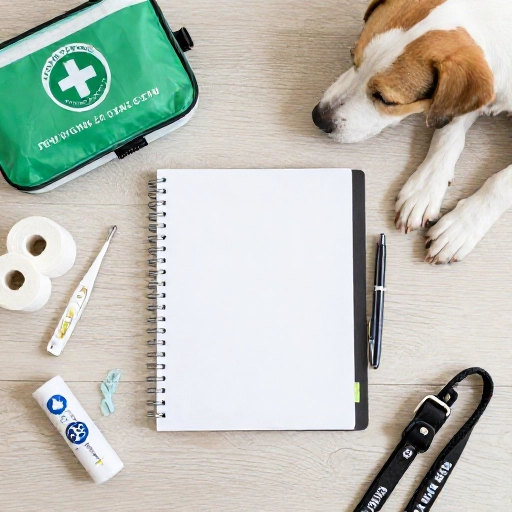
A simple notebook or phone note is my secret weapon. I log every vet visit, vaccine, medication, and weird symptom. When my vet asks, “When did this start?” I have an answer.
I also review my emergency kit every three months. I check expiration dates on medications, replace old bandages, and make sure I have a current photo of my dog and his microchip number.
This journal also helps me spot patterns. For example, I noticed my dog’s itching flared every August. Now I start allergy support in July. That’s preventive care in action.
Conclusion
Building a year-round preventive care calendar doesn’t have to be complicated. Start with your vet’s baseline, then layer in monthly prevention, dental care, grooming, weight checks, and seasonal prep.
Write it down. Set reminders. Adjust as your dog ages. The goal is not a perfect schedule—it’s a consistent one. Your dog can’t tell you what’s coming, but your calendar can help you stay one step ahead.
FAQ
How often should I take my dog to the vet for preventive care?
Most healthy adult dogs need a wellness exam once a year. Puppies, seniors, and dogs with chronic conditions may need twice a year or more. Your vet will tell you what’s best.
Can I use the same preventive care calendar for a puppy and a senior dog?
The framework is the same, but the details change. Puppies need more vaccine boosters and socializing. Seniors need more joint checks, blood work, and dental care. Adjust the frequency.
What if I miss a month of flea and tick prevention?
Don’t panic. Give the next dose as soon as you remember, then restart your monthly schedule. If you miss more than a month, call your vet—they may recommend a heartworm test before restarting.
How do I remember all these tasks without feeling overwhelmed?
I use phone reminders and a paper wall calendar. I also group tasks: first of the month for prevention, Sunday for ear checks, and the 15th for nail trims. Find a rhythm that fits your life.
Is professional dental cleaning really necessary if I brush my dog’s teeth?
Sometimes, yes. Brushing helps a lot, but tartar under the gumline can still form. Your vet can tell during an exam. I get my dog’s teeth checked yearly and clean professionally only when needed.