Reward Your Dog’s Quiet Before Barking: 10 Calm-Dog Tricks That Finally Stuck
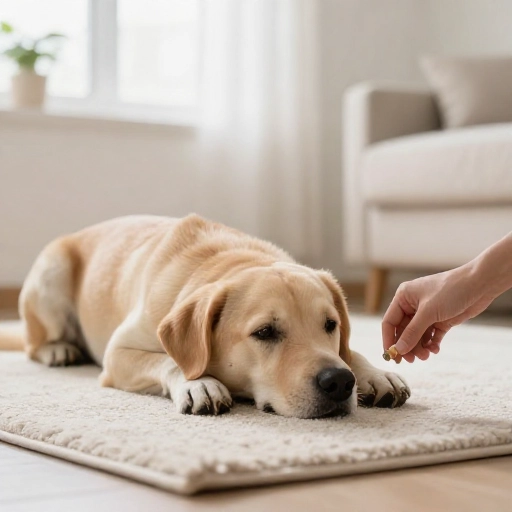
I used to be the person who waited for the first woof, then rushed over with a treat and a “shhh.” Looking back, I was basically paying my dog for barking. Once I flipped the script and started rewarding the quiet moments before the noise, everything changed.
Now I watch for tiny signals: a head tilt, a pause, a glance at me instead of the window. That’s the gold I want to reward. It’s simple, but it takes timing, patience, and a whole lot of cheese.
Here are 10 practical ways I reward my dog’s quiet before barking. Try one at a time, keep sessions short, and celebrate the small stuff.
1. Start With the Quiet You Already Have
You don’t need a silent dog to begin. You need a split second of quiet. Maybe your dog hears a noise and looks at you instead of exploding. Maybe they open one eye when the neighbor walks by and stay on the couch.
That’s the moment. I say “yes” softly and toss a treat. I’m not waiting for a full bark-free hour. I’m building a trail of tiny wins.
At first, reward any pause in the noise. Then, slowly, you can ask for a little more quiet before the treat arrives.
2. Mark the Calm, Not the Chaos
Timing is everything. If I mark after my dog barks, I’m teaching “bark, then get paid.” If I mark in the quiet gap, I’m teaching “quiet is what gets the good stuff.”
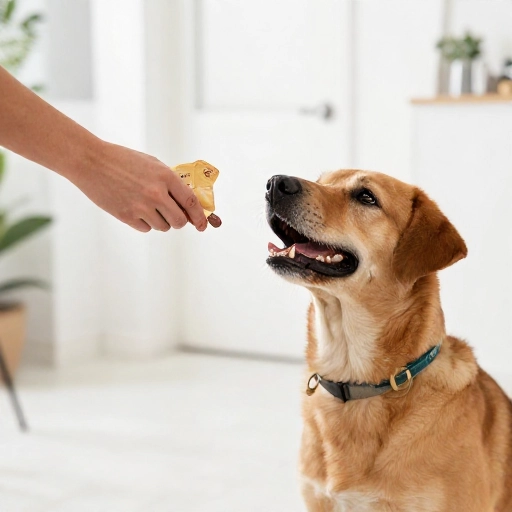
I use a calm marker word like “yes” or a soft click. The second my dog is quiet—even mid-thought—I mark and reward. No loud praise, no party. Just calm, clear feedback.
If a bark already happened, I wait for the next pause. That pause is the rewardable behavior. It’s never too late to catch the quiet.
3. Reward Before the Trigger Hits Full Volume
Most barking starts below 100. The trigger is far away, quiet, or quick. That’s where I want to work. If I wait until my dog is lunging and screaming, I’m already late.
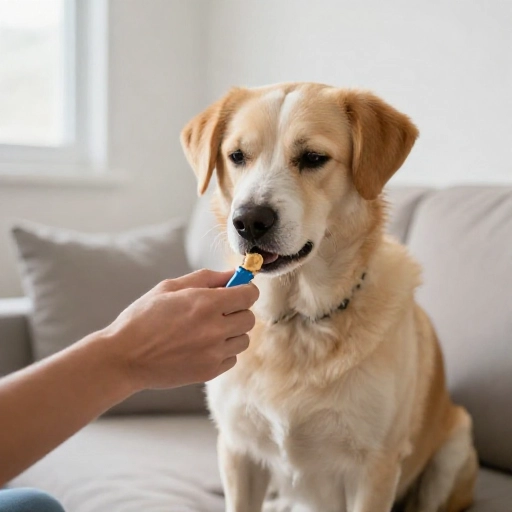
For doorbell training, I play the sound at a whisper. Before my dog even thinks about barking, I mark and treat. Then I turn it off. Short, easy, successful.
Over time, I increase the volume or move closer. The goal is to stay in the “I notice, but I’m still quiet” zone. That’s the sweet spot for learning.
4. Use High-Value Treats for Hard Moments
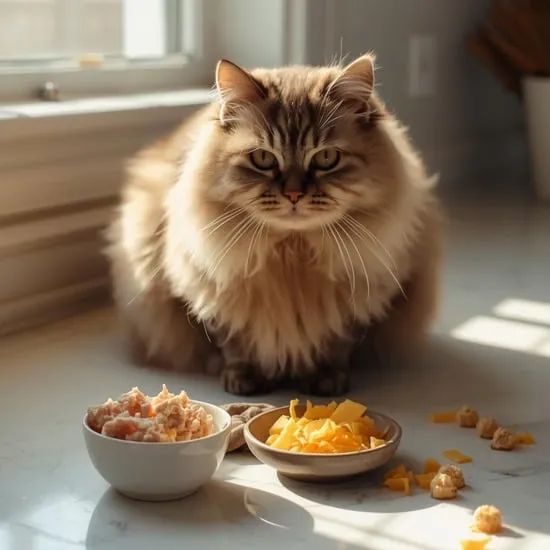
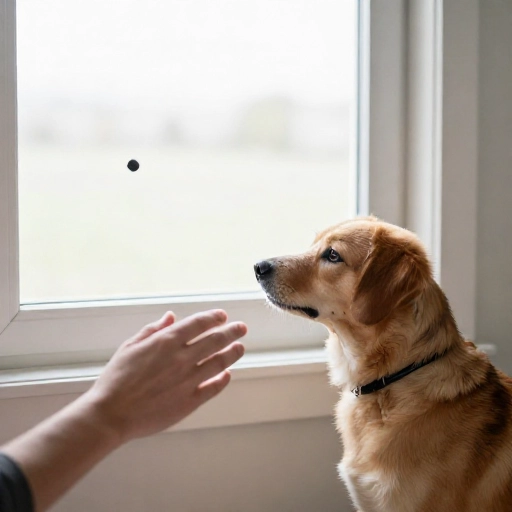
Kibble is fine for easy quiet. But when the mail carrier walks by, I bring out the chicken. Tiny pieces, fast delivery. I want my dog to think, “Whoa, quiet pays better than barking.”
I keep treats in a few spots: by the door, on the couch, in my pocket. If I have to dig for a treat, the moment is gone. Preparation makes the reward feel instant.
Later, I mix in praise, toys, and real-life rewards like going outside. But for new or scary triggers, high-value food does the heavy lifting.
5. Create a “Quiet Zone” Routine
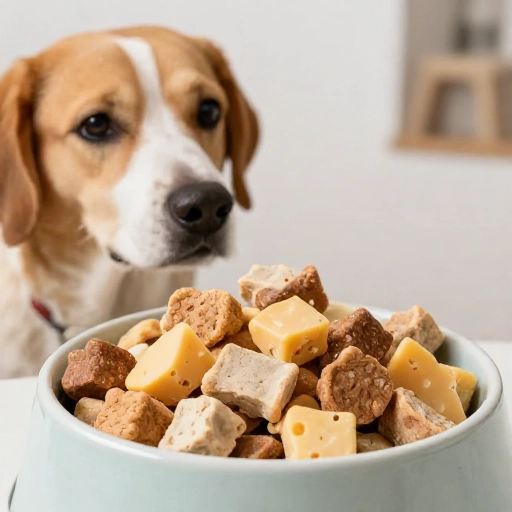
My dog has a mat by the window. It’s not magic, but it helps. When they settle there, I reward quiet. The mat becomes a cue for calm, not a cage for containment.
I start when nothing is happening. I toss a treat on the mat, reward lying down, and reward any relaxed sigh. Then I add small distractions: a knock on the table, a quiet doorbell video, a toy dropping.
If my dog stays quiet, they get paid. If they pop up, I lower the distraction and make it easier. The mat is where quiet gets reinforced before barking ever starts.
6. Practice “Look at That” Without the Woof
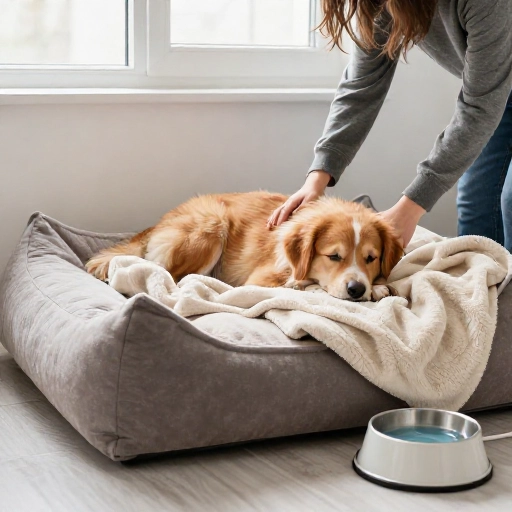
“Look at that” is a simple game. My dog sees a trigger, then looks back at me. I mark and treat. It teaches them that seeing something weird predicts good things, not a barking spree.
I start far away from the trigger. A dog across the park, a person down the street. The second my dog notices and turns to me, I reward. If they stare and stiffen, we’re too close.
The quiet look-back is the behavior I want. I’m not waiting for a bark to correct. I’m rewarding the calm check-in before the bark has a chance.
7. Turn Doorbell and Knocking Into a Treat Signal
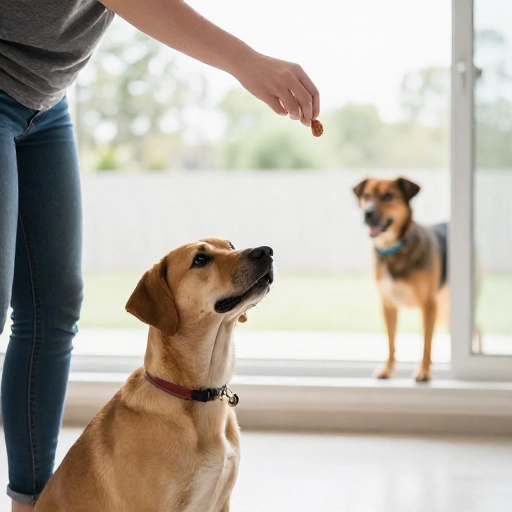
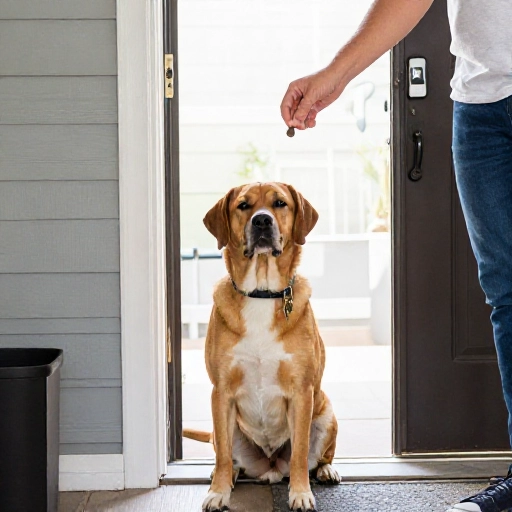
My old routine: doorbell rings, dog barks, I yell, dog barks more. New routine: doorbell rings, dog gets a treat before the first bark. It sounds backwards, but it works.
I record the doorbell at low volume. I play it, then immediately feed. My dog learns that the sound predicts snacks, not intruders. I do this for knocks, texts, and the oven timer too.
When I’m ready for the real door, I have a friend help. One ring, one treat, before the bark. If my dog barks, the helper leaves and we make it easier next time.
8. Capture Quiet on Walks Before the Lunge-Bark
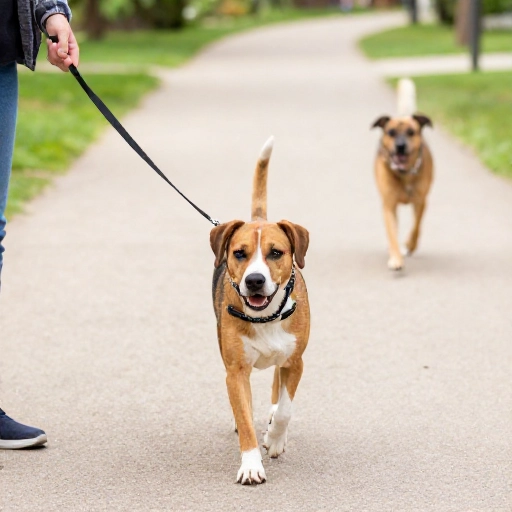
Walks are full of triggers. Another dog, a squirrel, a garbage truck. I watch my dog’s body: ears forward, tail stiff, eyes locked. That’s my cue to create distance and reward quiet.
I reward check-ins, loose leash, and any moment my dog chooses to look at me instead of exploding. I keep treats in a pouch and reward while we’re still moving. Quiet doesn’t have to mean sitting.
If my dog barks, I don’t yank or scold. I move away, get space, and wait for the next quiet moment. Then I reward that. Walks get easier when quiet pays.
9. Keep Your Rewards Random and Surprising
Once my dog understands the quiet game, I don’t want them to think they only get paid if I have treats. So I randomize. Sometimes one treat, sometimes three, sometimes just a happy “yes” and a scratch.
Surprise rewards make the behavior stronger. It’s like a slot machine, but for calm. My dog keeps offering quiet because they never know when the jackpot hits.
For brand-new triggers, I still pay well every time. Random rewards are for skills my dog already knows. Easy quiet can be a lottery. Hard quiet gets a guaranteed payout.
10. Track Your Wins and Adjust the Distance
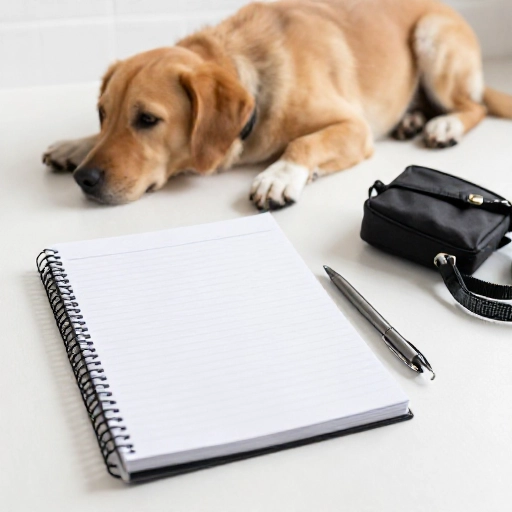
I keep a simple note on my phone. Trigger, distance, reaction, reward. Dog across the street: quiet, chicken. Doorbell at 3/10: quiet, cheese. Doorbell at 7/10: one bark, too hard.
That log tells me where my dog can succeed. If they bark, I’m not bad at training. I’m just too close, too fast, or too loud. I make it easier and reward quiet again.
Progress isn’t a straight line. Some days my dog is a zen monk. Other days, everything is a threat. I celebrate the quiet reps and adjust the plan. Rewarding before barking is a practice, not a perfect performance.
Conclusion: Pay the Quiet, Not the Bark
Rewarding your dog’s quiet before barking is a mindset shift. You’re not waiting for the problem and then reacting. You’re hunting for calm and making it worth your dog’s while.
Start small. Pick one trigger, one quiet moment, one treat. Mark it, feed it, repeat. Over time, your dog learns that silence is the fastest way to get what they want.
And honestly? It’s a lot more peaceful than yelling “quiet!” at a dog who’s already lost the plot. Pay the quiet. The barking has less room to grow.
FAQ
What if my dog already barked?
Wait for the next quiet pause, then mark and reward that. Don’t reward the bark itself. You’re teaching that the quiet gap is what earns the treat.
Should I use a “quiet” cue?
Yes, but teach it by saying “quiet” when your dog is already quiet, then reward. Don’t yell it over barking. The word should predict treats, not stress.
How long until I see results?
It depends on the dog and the trigger. Some dogs catch on in a few days. Others need weeks of short sessions. Consistency beats marathon training.
Can I use treats every time?
At first, yes—especially for hard triggers. Once your dog understands, switch to random rewards. Keep some high-value treats for surprise moments and new challenges.
What if my dog won’t take treats?
They’re probably over threshold. Move farther away, lower the intensity, or try a higher-value food. If they still won’t eat, take a break and try an easier setup later.