How to Create a Dog Sensory Garden That Will Enrich Your Pup’s Life
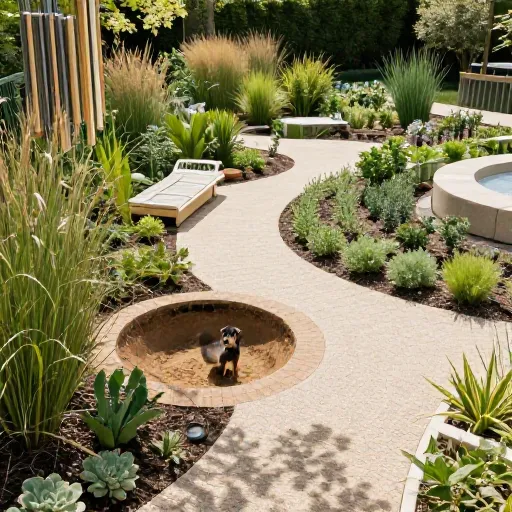
I’ve always believed that our dogs deserve more than just a backyard to run in. They need a space that truly engages their senses—a place where they can sniff, dig, explore, and relax. That’s exactly why I decided to build a dog sensory garden for my own pup, and it completely transformed our outdoor time together.
A sensory garden is designed to stimulate all of your dog’s senses: smell, sight, sound, touch, and even taste. It’s not just a pretty garden; it’s a playground for their mind. Whether you have a tiny balcony or a sprawling yard, you can create a space that reduces anxiety, encourages natural behaviors, and deepens your bond with your furry best friend.
In this article, I’ll walk you through 10 simple and practical ideas to build a sensory garden that will enrich your pup’s life in ways you never imagined. Let’s dig in!
1. Create a Sniffing Trail with Herbs
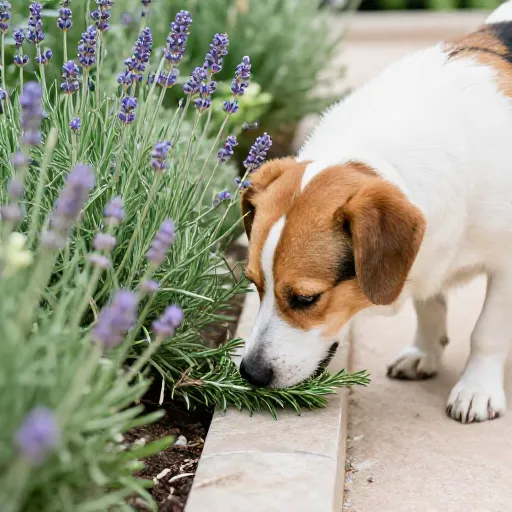
Dogs experience the world through their noses, so a dedicated sniffing trail is a must. I planted low-growing herbs like lavender, rosemary, mint, and thyme along a winding path in my garden. These plants release wonderful scents when brushed against, and my dog loves taking his time to sniff each one.
You can use raised beds, containers, or even a simple strip of soil. Make sure the herbs are safe for dogs—avoid toxic plants like tulips or daffodils. The best part? You’ll get to enjoy the calming aromas too.
- Choose non-toxic, dog-safe herbs
- Plant in a winding path for exploration
- Let your dog sniff at their own pace
2. Add a Digging Pit for Buried Treasures
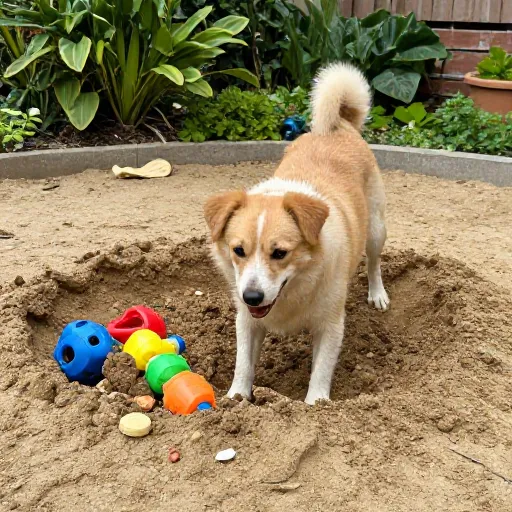
Does your dog love to dig? Instead of scolding them, give them a designated digging pit. I filled a shallow wooden sandbox with soft play sand and buried a few of my dog’s favorite toys and treats inside. Now, he knows exactly where to go when he feels the urge to dig.
This pit satisfies their natural instinct without ruining your flower beds. You can even hide a few scented items to make it a treasure hunt. Just keep the sand clean and refresh the buried goodies every few days to keep it exciting.
- Use a child’s sandbox or build your own
- Fill with clean play sand
- Bury toys, treats, or scented rags
3. Include a Water Feature for Splashes and Sounds
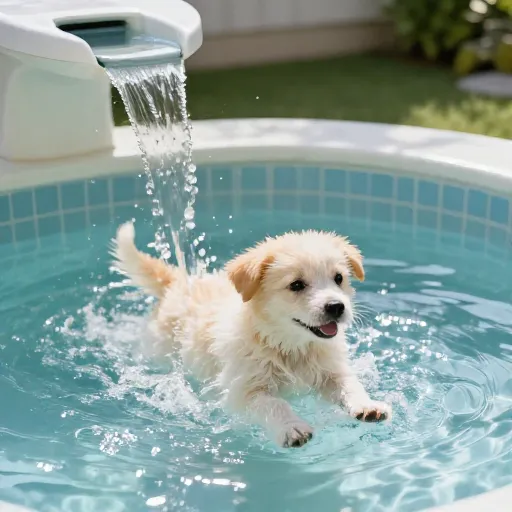
Water is incredibly stimulating for dogs. I added a small, shallow fountain in my garden—just deep enough for my pup to dip his paws and drink. The gentle sound of running water calms him instantly, and on hot days, he loves to splash around.
You don’t need a huge pond. A simple birdbath, a recirculating fountain, or even a shallow kiddie pool works perfectly. Just make sure the water is clean and safe, and always supervise your dog around water features.
- Choose a shallow, safe water source
- Add a fountain for soothing sounds
- Keep water fresh and clean
4. Plant Tall Grasses for Hiding and Peeking
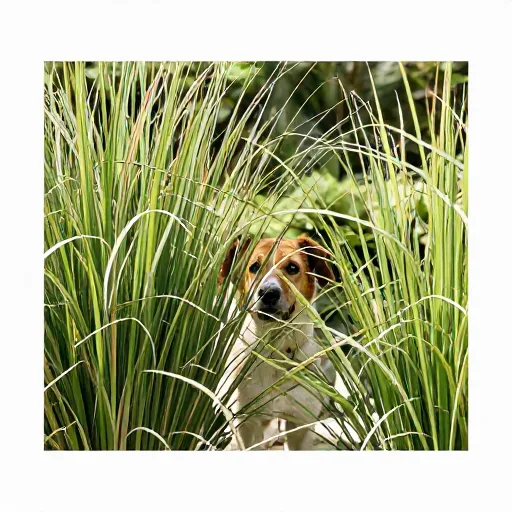
Dogs love to feel like they’re on an adventure. I planted a patch of tall ornamental grasses like pampas grass or fountain grass in a corner of my garden. My dog loves to weave through them, hide behind them, and peek out at me. It’s like his own little jungle.
These grasses also add beautiful texture and movement to your garden. Just choose non-toxic varieties and trim any sharp edges. The rustling sound of the leaves adds another layer of sensory fun.
- Use non-toxic ornamental grasses
- Create a small “jungle” area
- Let your dog explore and hide
5. Set Up a Sunbathing Spot with Soft Ground
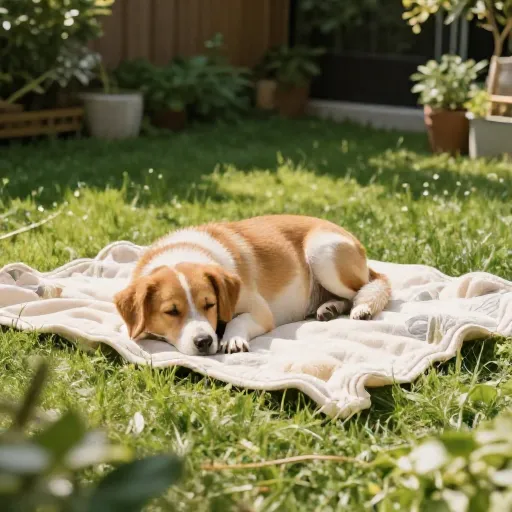
Every dog needs a cozy place to soak up the sun. I created a sunbathing spot with soft, artificial turf and a few plush outdoor pillows. My dog loves to stretch out there after a play session, feeling the warmth on his fur and the soft texture under his paws.
You can use natural grass, but artificial turf stays green and mud-free. Add a shaded area nearby for when the sun gets too strong. This spot becomes their personal relaxation zone.
- Choose soft, safe ground covering
- Add pillows or a dog bed
- Provide both sun and shade
6. Introduce Textured Pathways with Different Materials
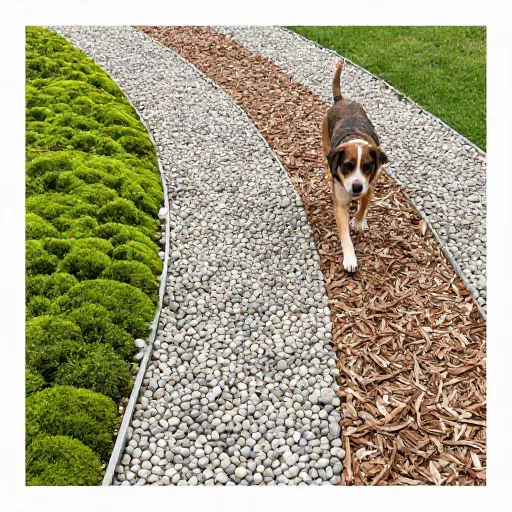
Walking on different surfaces is a great way to stimulate your dog’s paws and mind. I created a short pathway using flat stones, smooth pebbles, soft wood chips, and cool sand. My dog loves to switch between textures as he walks, and it’s also good for his paw health.
You can make a simple loop or a straight path. Just ensure all materials are safe and non-slip. The variety keeps each walk through the garden fresh and interesting.
- Use stones, pebbles, wood chips, and sand
- Create a loop for repeated exploration
- Check for sharp edges or hazards
7. Hang Wind Chimes for Gentle Sounds
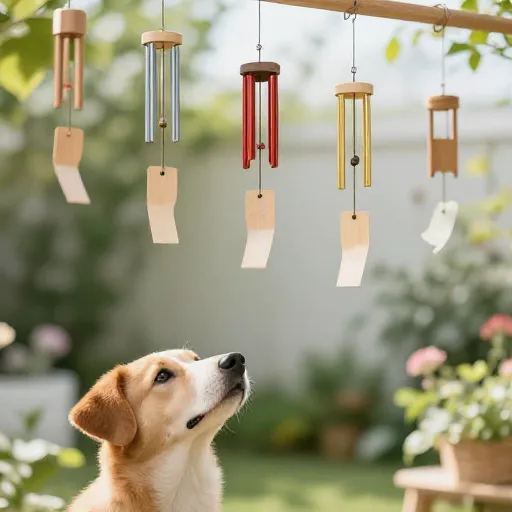
Sound is often overlooked in dog gardens, but it’s a powerful sense. I hung a set of soft, wooden wind chimes near my dog’s favorite resting spot. The gentle, unpredictable tones intrigue him without startling him. He often tilts his head and listens carefully.
Choose chimes made from safe materials like bamboo or metal. Avoid anything too loud or harsh. The sound adds a magical, calming atmosphere to your garden that both you and your dog will enjoy.
- Use soft, gentle wind chimes
- Place them near resting areas
- Keep volume low and soothing
8. Offer Safe, Edible Plants for Tasting
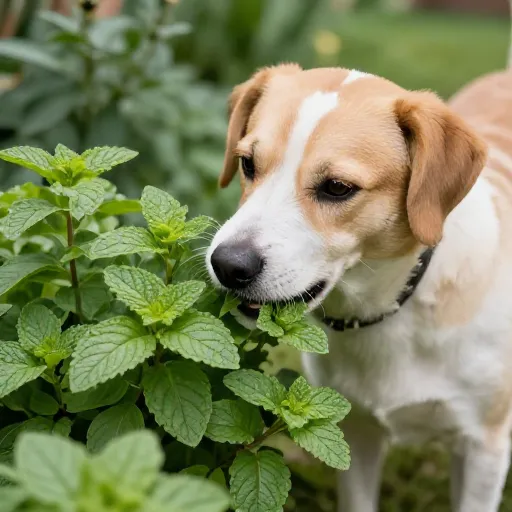
Some dogs love to nibble on plants, so I made sure to include a few safe, tasty options. I planted a small patch of dog-friendly herbs like parsley, basil, and wheatgrass. My dog occasionally takes a bite, and I feel good knowing it’s safe for him.
Always research before planting anything—avoid onions, garlic, and other toxic plants. This little edible garden adds a fun, interactive element to your sensory space.
- Plant dog-safe herbs and grasses
- Avoid all toxic plants
- Let your dog explore with their mouth
9. Build a Low Platform for Perching and Watching
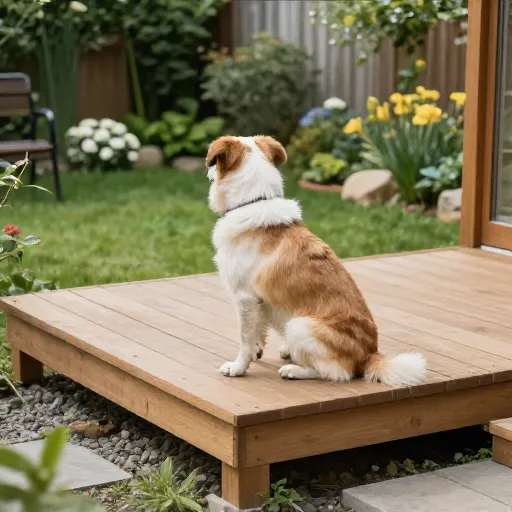
Dogs love to have a vantage point. I built a sturdy, low wooden platform in a quiet corner of my garden. My dog loves to climb up, sit, and watch the world go by—birds, squirrels, and even the neighbors. It gives him a sense of control and confidence.
You can use a flat rock, a sturdy bench, or a custom-built platform. Make sure it’s stable and has a non-slip surface. This becomes their throne in the garden.
- Build a low, stable platform
- Place it in a quiet, safe spot
- Let your dog use it as a lookout
10. Add a Scent Garden with Different Aromas
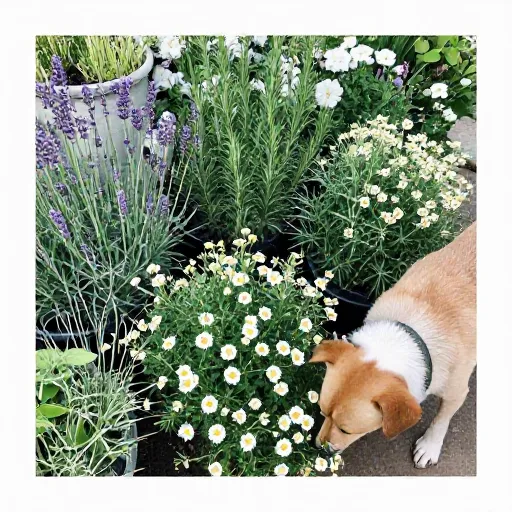
Finally, I dedicated a small area to a variety of dog-safe scents. I planted mint, chamomile, lemon balm, and even a little patch of catnip (yes, dogs can enjoy it too!). Each plant offers a different aroma, and my dog loves to sniff and roll around in them.
Arrange the plants in clusters so your dog can explore each scent individually. This area becomes a sensory buffet for their nose. Rotate the plants seasonally to keep things fresh.
- Plant a variety of dog-safe scented plants
- Arrange in separate clusters
- Refresh plants for new smells
Conclusion
Creating a dog sensory garden has been one of the most rewarding projects I’ve ever done. It’s not just about keeping my dog busy—it’s about giving him a space that makes him truly happy, relaxed, and engaged. Every time I see him sniffing the herbs, splashing in the water, or sunbathing on his soft spot, I know it was worth every effort.
You don’t need a huge budget or a massive yard to start. Pick one or two ideas that resonate with your dog’s personality and build from there. The best part is watching your pup discover and love their very own sensory garden.
[[IMG:IMG12]]
Frequently Asked Questions
What plants are safe for a dog sensory garden?
Safe plants include lavender, rosemary, mint, thyme, parsley, basil, wheatgrass, and catnip. Always avoid toxic plants like tulips, daffodils, onions, and garlic. Check with your vet if you’re unsure.
Can I create a sensory garden on a small balcony?
Absolutely! Use containers and raised beds to create a mini sensory space. You can add a small sniffing tray, a few herbs, a water dish, and even a tiny digging box. Every inch counts.
How do I keep my dog from destroying the garden?
Start with durable plants and sturdy structures. Supervise your dog during initial exploration. Use positive reinforcement when they use designated areas like the digging pit. Over time, they’ll learn the rules.
How often should I change the sensory elements?
Rotate toys, treats, and scents every few days to keep things exciting. Refresh water daily and check plants regularly. Seasonal changes are a great opportunity to introduce new smells and textures.
Is a sensory garden suitable for all dog breeds?
Yes! Sensory gardens can be adapted for any breed, age, or energy level. Adjust the size of the features and the intensity of the stimuli to match your dog’s personality. Senior dogs and puppies can benefit too with gentler elements.