Avoid This Plant Creating a Dog Friendly Garden
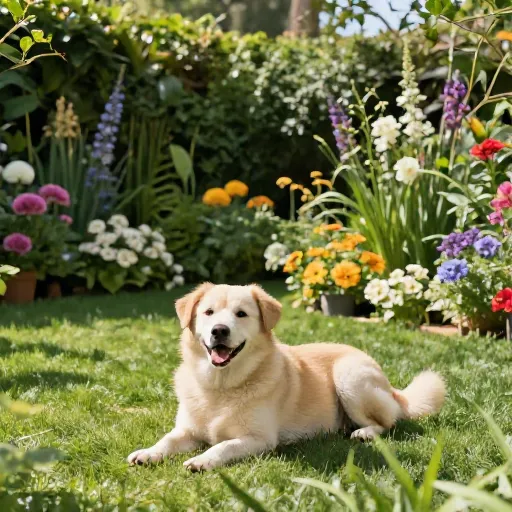
I love my garden almost as much as I love my dog. But when I first started planting, I made a huge mistake. I put in a beautiful shrub that I later learned could make my pup very sick. That was the day I realized that creating a dog friendly garden means knowing exactly what not to plant.
Every dog owner wants a backyard that’s safe for exploring, digging, and lazy afternoon naps. But some popular plants can cause anything from an upset tummy to serious health emergencies. I’ve learned the hard way, and now I’m sharing what I wish I’d known from the start.
The good news is you don’t have to give up on a gorgeous garden. You just need to avoid a few key troublemakers. Let’s walk through the number one plant to skip and the other nine you should think twice about before bringing home.
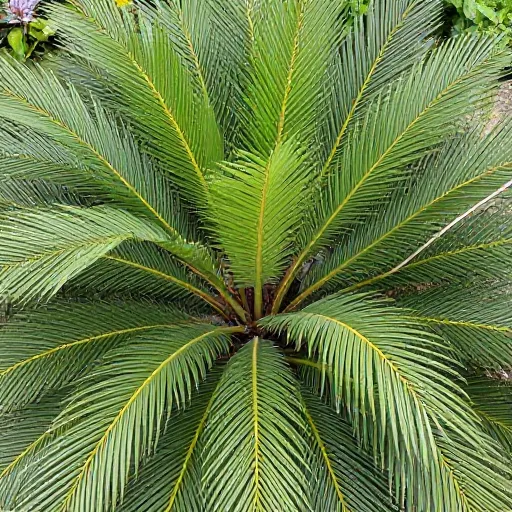
1. Sago Palm – The Sneaky Danger
This plant is the biggest culprit in my book. Sago palms look like little palm trees and are incredibly popular in landscaping. But every single part of this plant is toxic to dogs. The seeds are the most dangerous part, and they can drop without you noticing.
If your dog chews on a leaf or eats a seed, it can cause vomiting, liver failure, and even death. I’ve seen too many emergency vet visits over this one plant. It’s just not worth the risk.
Instead of sago palm, try a real palm like the Areca or a ponytail palm. Both are safe and still give you that tropical vibe.
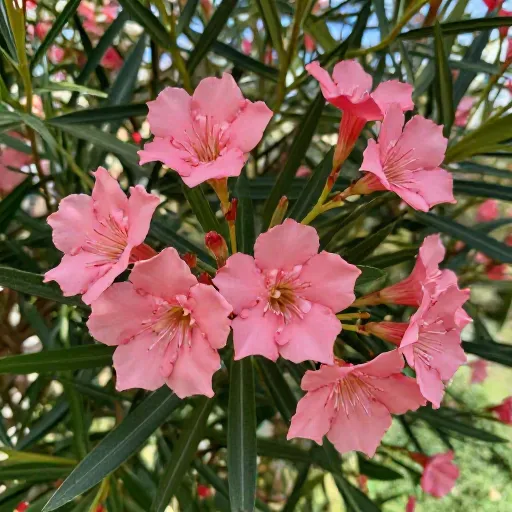
2. Oleander – Pretty but Poisonous
Oleander has gorgeous flowers that bloom all summer long. It’s a common choice for hedges and borders. But this plant is highly toxic to dogs. Even a small bite can cause serious heart problems.
I once had a neighbor whose dog got sick just from drinking water that had oleander leaves in it. That scared me straight. The symptoms include drooling, stomach pain, and an irregular heartbeat.
Safe alternatives include rose bushes or hibiscus. They give you beautiful flowers without the worry.
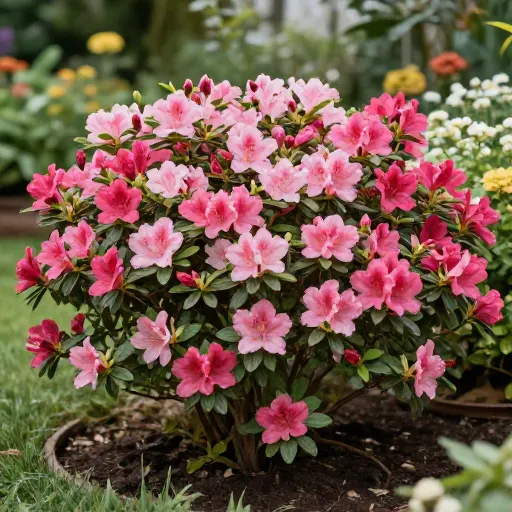
3. Azalea – A Garden Classic That’s a No-Go
Azaleas are everywhere in spring, with their bright pink and purple blooms. They look innocent, but they contain a toxin called grayanotoxin. This can cause vomiting, weakness, and even a coma in dogs.
I used to have azaleas lining my front walkway. After my dog started sniffing them too closely, I dug them all up. It wasn’t worth the anxiety every time she went outside.
Try camellias or gardenias instead. They have similar lush flowers and are completely dog safe.
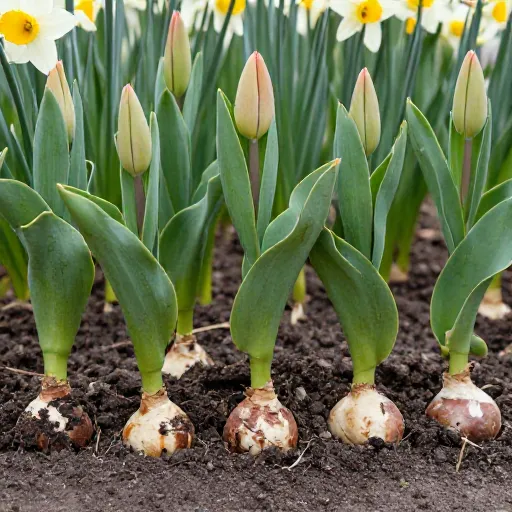
4. Tulip and Daffodil Bulbs – Hidden Underground Danger
These spring bulbs are some of the first signs of warmer weather. But the bulbs themselves are the most toxic part. Dogs love to dig, and if they find a bulb, they might chew on it.
The toxins can cause intense stomach upset, drooling, and even heart issues. Daffodils are especially dangerous. I learned to plant these only in raised beds that my dog can’t reach.
For a safer spring garden, plant snapdragons or violas. They bloom just as beautifully and won’t hurt your pup.
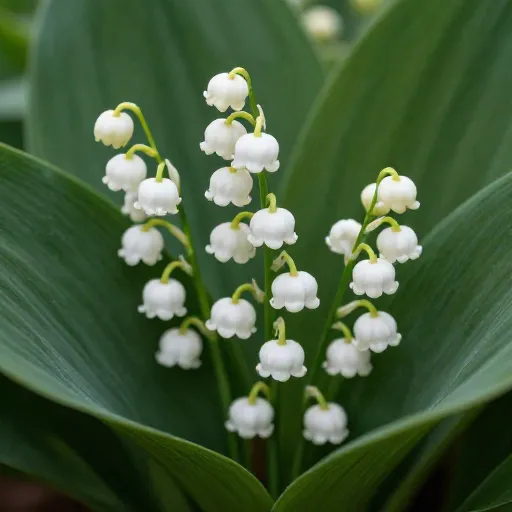
5. Lily of the Valley – Small but Mighty Toxic
This plant has tiny, bell-shaped flowers that smell amazing. But it contains cardiac glycosides, which can cause an irregular heartbeat and seizures. Even a small amount can be dangerous.
I once had a friend whose dog nibbled on a few leaves and ended up at the vet for two days. It’s a plant that looks delicate but packs a serious punch. Keep it far away from your garden.
Instead, try ferns or hostas. They offer similar shade-loving greenery without the risk.
6. English Ivy – A Ground Cover to Avoid
English ivy is popular for covering walls and filling shady spots. But it can cause vomiting, diarrhea, and excessive drooling in dogs. The leaves and berries are both toxic.
I had ivy growing along my fence for years. My dog never showed interest, but I still worried. One day, a neighbor’s dog got sick after chewing on the vines. That was my sign to remove it.
For a safe ground cover, try creeping thyme or sweet woodruff. Both are low maintenance and dog friendly.

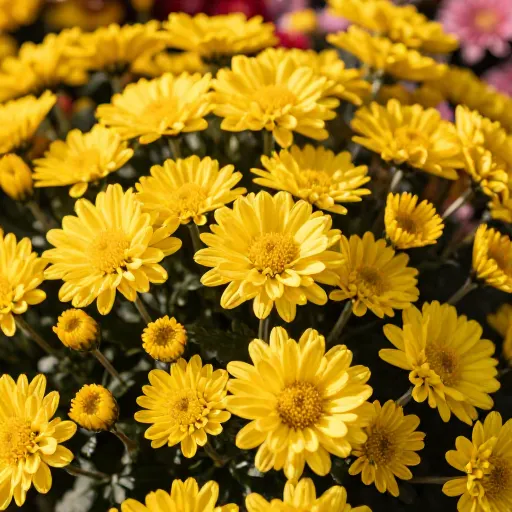
7. Chrysanthemums – The Fall Favorite That’s Risky
Mums are everywhere in autumn, with their cheerful colors. But they contain pyrethrins, which can cause vomiting, diarrhea, and skin rashes in dogs. Some dogs are more sensitive than others.
I love the look of mums in pots on my porch. But I learned to keep them up high where my dog can’t reach them. If you have a curious sniffer, it’s better to skip them entirely.
Try marigolds or zinnias instead. They offer bright fall colors and are completely safe for your pup.
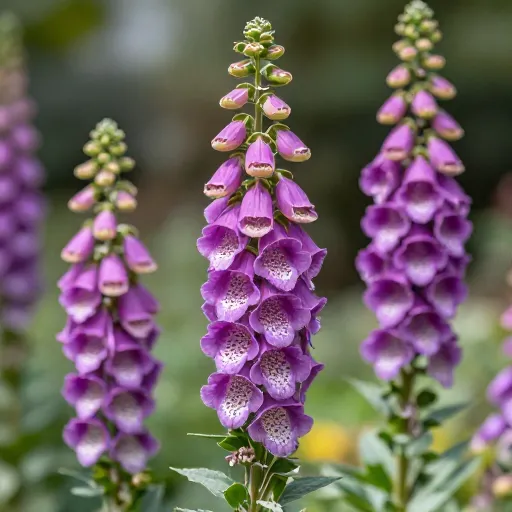
8. Foxglove – Tall and Tempting but Deadly
Foxglove has tall spikes of purple or pink flowers that are stunning. But it contains digitalis, which affects the heart. Eating any part of this plant can be fatal to dogs.
I remember seeing foxglove in a friend’s garden and thinking it was beautiful. Then she told me her dog had to be rushed to the vet after chewing a leaf. Now I avoid it completely.
Safe tall plants include hollyhocks or delphiniums. They give you height and color without the danger.
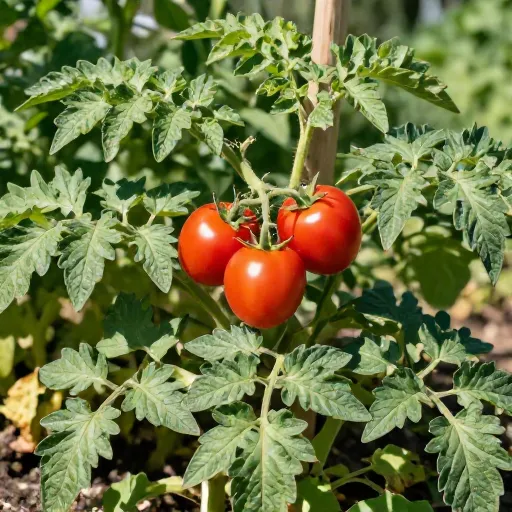
9. Tomato Plants – The Green Parts Are the Problem
Ripe tomatoes are fine for dogs in small amounts. But the green parts of the plant, including the stems and leaves, contain solanine. This can cause stomach upset and weakness.
I grow tomatoes in my vegetable garden, but I always fence off that area. My dog loves to explore, so I make sure she can’t reach the plants. It’s an easy fix that keeps everyone safe.
If you want a dog safe vegetable patch, stick to carrots, green beans, or cucumbers. They are all safe and fun to grow together.
10. Aloe Vera – Not Just for Sunburns
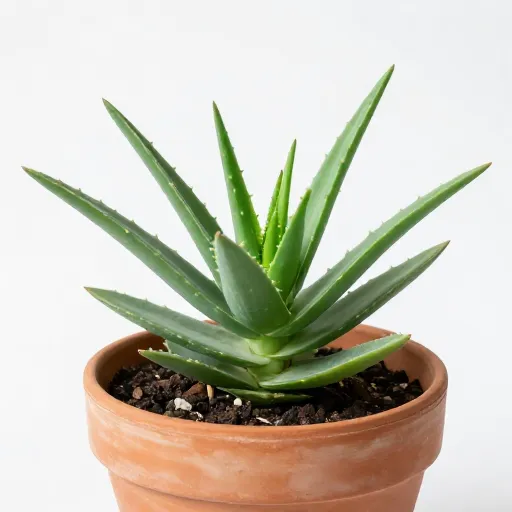
Aloe vera is a popular houseplant and garden succulent. It’s great for human skin, but it’s toxic to dogs. The sap inside the leaves can cause vomiting, diarrhea, and lethargy.
I used to keep aloe on my kitchen windowsill. My dog never bothered it, but I moved it to a high shelf just to be safe. Better safe than sorry with any plant.
Try a spider plant or a Boston fern instead. Both are safe and easy to care for indoors or out.
Conclusion
Creating a dog friendly garden doesn’t mean you have to give up on beauty. It just means being smart about what you plant. I’ve swapped out dangerous plants for safe ones, and my garden is still my happy place.
Start by checking every plant before you buy it. Your dog will thank you with tail wags and peaceful naps in the sun. A safe garden is a happy garden for everyone.
FAQ
What is the most dangerous plant for dogs in a garden?
Sago palm is one of the most dangerous. All parts are toxic, and it can cause liver failure. Avoid it at all costs.
Can dogs be around tomato plants?
Yes, but only if they can’t reach the green stems and leaves. Ripe tomatoes are safe, but the green parts are toxic. Fence off your tomato patch.
Are there any safe flowering plants for dog gardens?
Yes! Roses, hibiscus, marigolds, and snapdragons are all safe. They add color without the worry.
What should I do if my dog eats a toxic plant?
Call your vet immediately. Bring a sample of the plant if you can. Quick action makes a big difference.
How can I make my garden completely dog safe?
Research every plant before you buy it. Remove any known toxic plants. Use raised beds or fences to keep your dog away from risky areas.