12 Best Dog Nutrition and Feeding Schedule Tips
When I brought home my first rescue pup, I quickly realized that feeding a dog isn’t just about pouring kibble into a bowl. It’s about understanding their unique needs, their energy levels, and those little signals they give us every day. After years of trial and error (and plenty of vet visits), I’ve gathered the most practical tips that actually work for real-life dog parents.
Whether you’re raising a bouncy puppy or caring for a senior dog, these twelve tips will help you build a feeding routine that supports their health, keeps their tail wagging, and saves you from common feeding mistakes. Let’s dive into what I’ve learned along the way.
Remember, every dog is different, so listen to yours. These tips are a starting point for creating a plan that feels right for both of you.
1. Choose a High-Quality Protein First
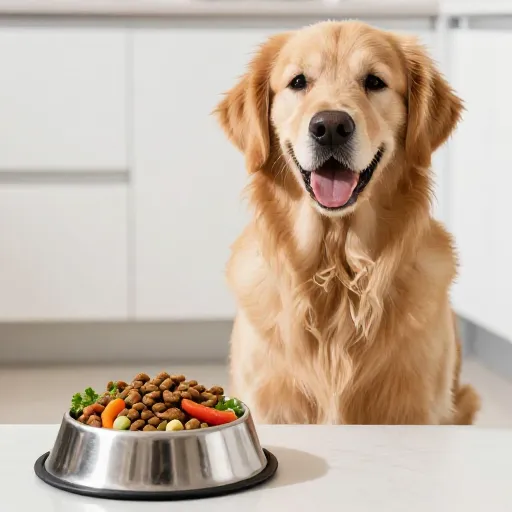
I always check the first ingredient on the bag. It should be a named protein source like chicken, beef, or salmon. Avoid generic terms like “meat meal” or “animal by-products.”
Dogs thrive on real meat. It gives them energy for walks, playtime, and cuddles. I noticed a huge difference in my dog’s coat shine when I switched to a food with named meat as the first ingredient.
Don’t be fooled by fancy marketing. Look for simple, recognizable ingredients.
2. Stick to a Consistent Feeding Schedule
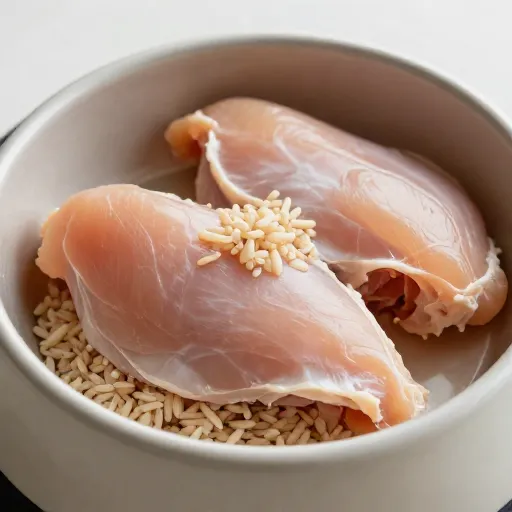
Dogs love routine. It helps their digestion and tells them when to expect food. I feed my dog twice a day, once in the morning and once in the evening, at the same times.
This consistency also makes potty training easier. You’ll know when they need to go out. Plus, it prevents begging because they learn food isn’t coming until the next scheduled meal.
Try setting alarms on your phone for the first week. Your dog will remind you after that!
3. Measure Every Portion
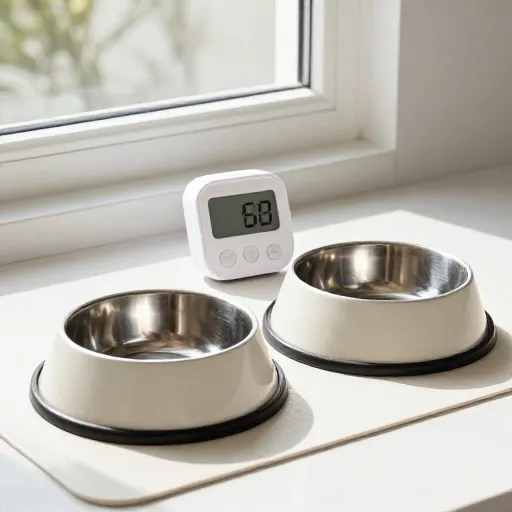
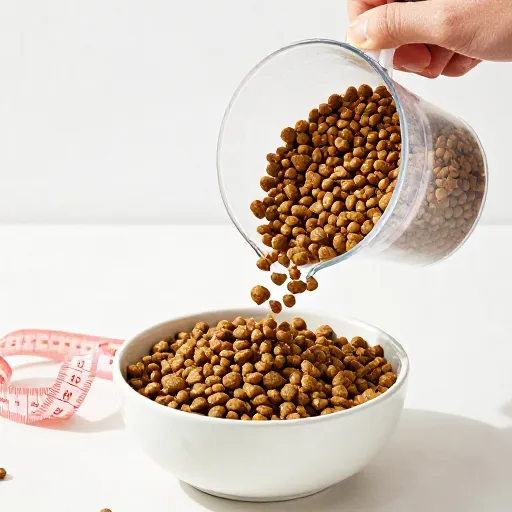
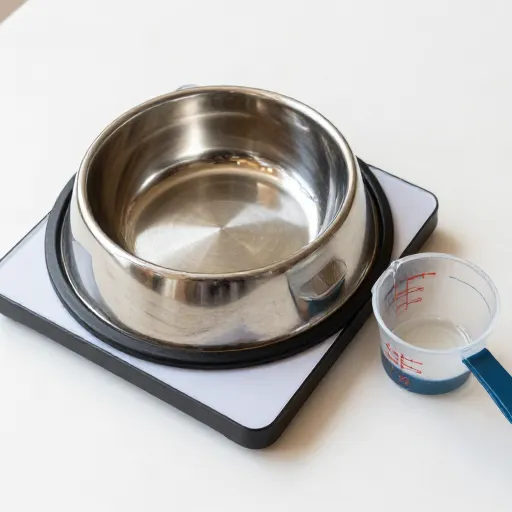
I used to guess portions, and my dog gained weight fast. Now I use a measuring cup or a kitchen scale. It’s the easiest way to avoid overfeeding.
Check the feeding guide on your food bag, but remember it’s just a starting point. Adjust based on your dog’s activity level and body condition. You should be able to feel their ribs without pressing hard.
Treats count too. I subtract a little from meals if we’ve had extra training treats that day.
4. Introduce New Food Slowly
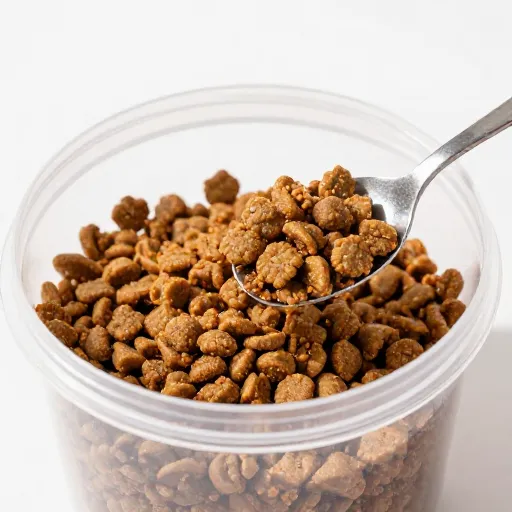
Switching food overnight gave my dog an upset stomach. Now I take at least a week to transition. I mix a little new food with the old, increasing the new food gradually.
Day one is 25% new food, 75% old. By day seven, it’s 100% new. This gives their gut time to adjust.
Watch for loose stools or vomiting. If that happens, slow down even more.
5. Match Food to Life Stage
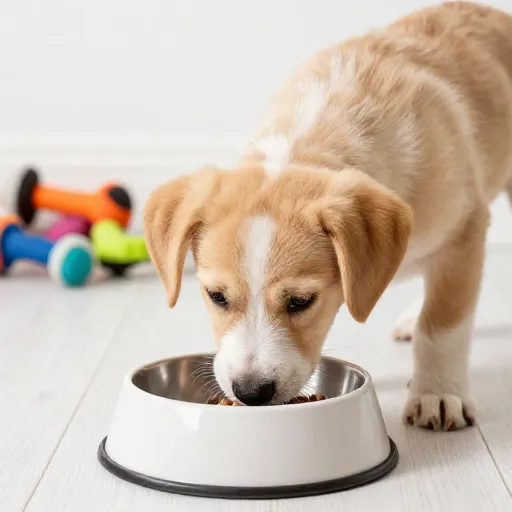
Puppy food has different nutrients than adult or senior formulas. I learned this the hard way when my adult dog kept stealing the puppy’s food. Puppies need more calories and calcium for growth.
Senior dogs often need fewer calories but more joint support. Always pick a food designed for your dog’s age. It makes a big difference in their energy and long-term health.
Ask your vet when it’s time to switch life stages.
6. Keep Fresh Water Available Always
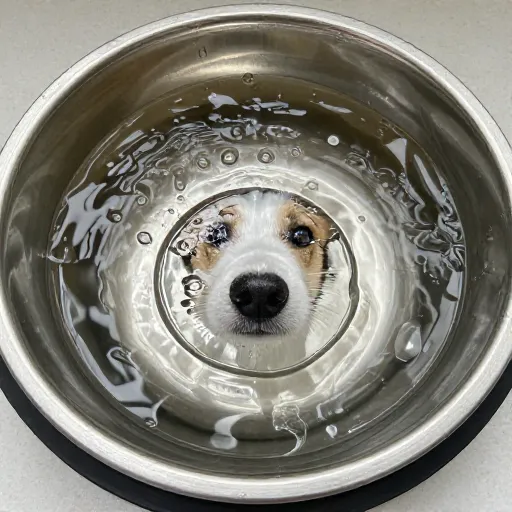
This sounds basic, but I see many dogs with dirty or empty bowls. I change my dog’s water at least twice a day and wash the bowl daily. Stagnant water grows bacteria.
Some dogs love drinking from a fountain-style bowl. It keeps water moving and encourages them to drink more. Hydration is key for digestion and kidney health.
If your dog suddenly drinks less or more, check with your vet.
7. Add Healthy Toppers for Variety
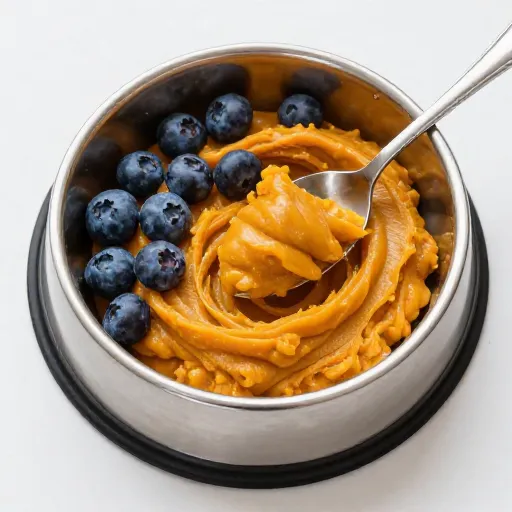
Plain kibble can get boring. I add a spoonful of plain pumpkin, a splash of bone broth, or some steamed green beans. These add moisture and nutrients without extra calories.
Pumpkin is great for digestion. Blueberries are a tasty antioxidant treat. Just avoid anything with added salt, sugar, or seasonings.
Start with one topper at a time to see how your dog reacts.
8. Watch for Food Allergies
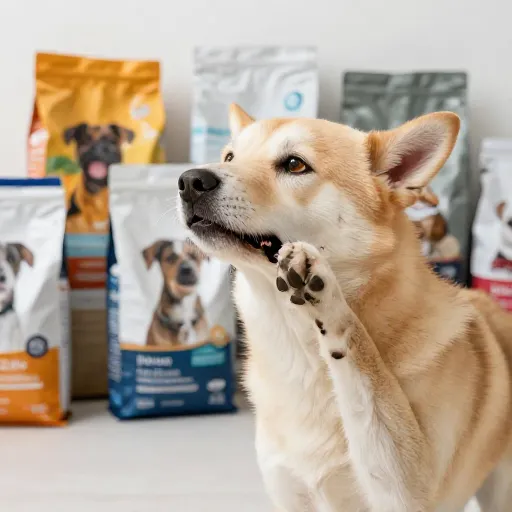
My dog started scratching a lot and had red ears. Turns out, he was allergic to chicken. I switched to a novel protein like duck or fish, and the symptoms cleared up.
Common signs include itchy skin, ear infections, and loose stools. If you notice these, try an elimination diet with your vet’s help. It takes patience but is worth it.
Don’t assume grain-free is better. Many dogs are actually allergic to specific proteins, not grains.
9. Don’t Free-Feed
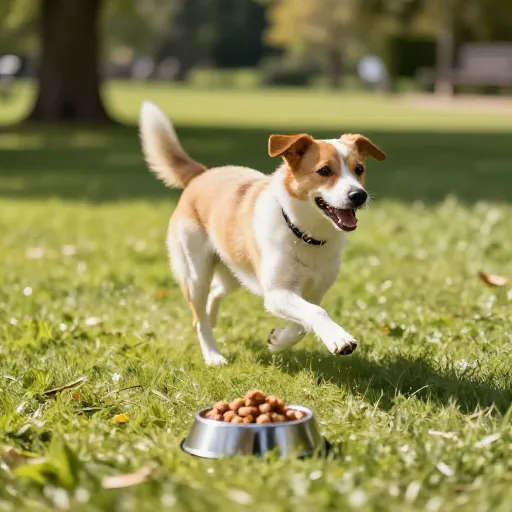
Leaving food out all day seems convenient, but it often leads to obesity and picky eating. I used to do this, and my dog would nibble all day. Now he eats his meals in 15 minutes.
Free-feeding also makes it hard to notice if your dog loses their appetite, which can be a sign of illness. Scheduled meals help you monitor their health.
Pick up the bowl after 20 minutes, even if they haven’t finished.
10. Adjust Portions for Activity Level
A couch potato needs fewer calories than a hiking buddy. I reduce my dog’s portions on lazy days and increase them after long walks or play sessions. It keeps his weight steady.
Pay attention to body condition. If your dog looks too thin or too round, adjust accordingly. Your vet can help you find the right balance.
Seasonal changes matter too. In winter, my dog is less active, so I feed a little less.
11. Treats Should Be Part of the Plan
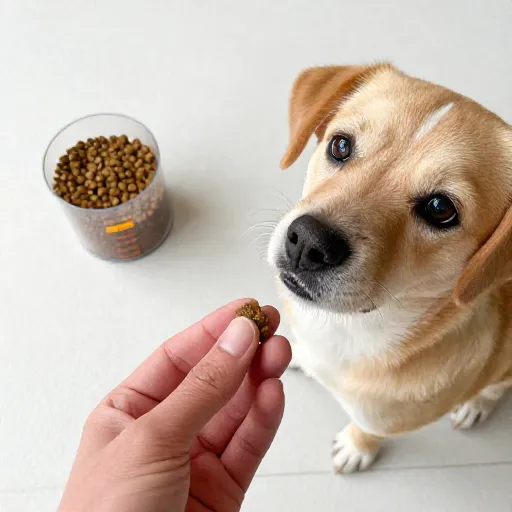
Treats are great for training, but they add up. I use small, low-calorie treats and break them into tiny pieces. My dog doesn’t care about size, only taste.
I also use some of his kibble as treats during training. This way, I don’t exceed his daily calorie goal. Carrot sticks and apple slices work too.
Keep treats to no more than 10% of their daily calories.
12. Listen to Your Dog’s Cues
No two dogs are the same. My first dog was a fast eater who needed a slow feeder bowl. My current dog eats slowly and sometimes leaves food for later. I respect his pace.
Watch for signs like leaving food behind, eating too fast, or showing disinterest. These tell you something about their health or preferences. Adjust as needed.
You know your dog best. Trust your gut.
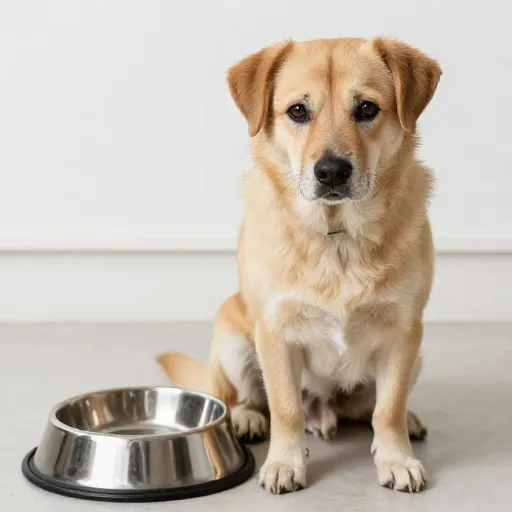
Feeding your dog well isn’t about perfection. It’s about paying attention, making small adjustments, and enjoying the process. The best routine is one that keeps your dog healthy, happy, and excited for mealtime. Start with one or two tips from this list, and build from there. Your dog will thank you with sloppy kisses and wagging tail.
Frequently Asked Questions
1. How many times a day should I feed my adult dog?
Most adult dogs do well with two meals a day, about 12 hours apart. Puppies may need three to four smaller meals.
2. Can I mix wet and dry dog food?
Yes, mixing them can add moisture and flavor. Just adjust portions to avoid overfeeding. Both should be nutritionally balanced.
3. What human foods are safe for dogs?
Plain cooked chicken, carrots, green beans, apples (no seeds), and plain pumpkin are safe. Avoid grapes, onions, garlic, and chocolate.
4. How do I know if my dog is overweight?
You should be able to feel their ribs without pressing hard. They should have a visible waist when viewed from above. Your vet can confirm.
5. Should I give my dog supplements?
Only if your vet recommends them. Most complete dog foods have all necessary nutrients. Supplements can sometimes cause imbalances.