11 Common Dog Health Problems Every Pet Parent Should Know

As a dog mom who has spent countless late nights Googling symptoms and rushing to the vet, I know how scary it can be when your pup isn’t feeling like themselves. Our furry friends can’t tell us what’s wrong, so it’s up to us to spot the signs early.
Whether you have a bouncy puppy or a senior snoozer, knowing the most common health issues can save you worry, money, and maybe even your dog’s life. Let’s walk through eleven problems I’ve seen (and dealt with) so you know exactly what to watch for.
1. Ear Infections
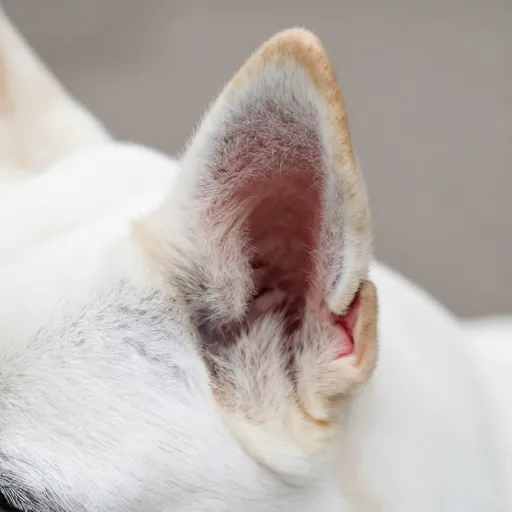
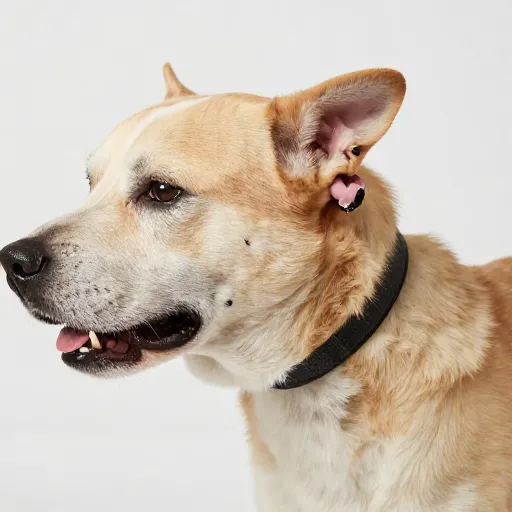
If your dog is shaking their head like they’re trying to fling something off, or you catch that funky corn chip smell, it’s probably an ear infection. Floppy-eared breeds like Cocker Spaniels and Labradors get these a lot, but any dog can suffer.
Moisture, allergies, or just a little too much earwax can create the perfect breeding ground for yeast and bacteria. I wipe my dog’s ears weekly with a vet-approved cleaner, and it makes a huge difference.
Signs to notice: redness inside the ear, scratching, tilting the head, or whining when you touch their ears. Never stick a Q-tip in there — leave that to the pros.
2. Skin Allergies
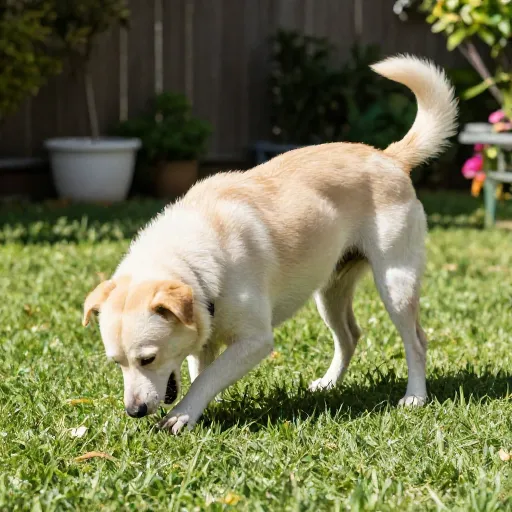
Itching is the number one reason dogs visit the vet, and most of the time it’s allergies. Your dog could be reacting to grass, pollen, dust mites, or even their food. My own pup gets red, itchy paws every spring, and I know the struggle well.
You might see them licking their feet, rubbing their face on the carpet, or developing hot spots — those raw, angry patches of skin. It’s heartbreaking to watch.
Simple changes like wiping their paws after walks, switching to a limited-ingredient diet, or adding omega-3 supplements can bring so much relief. Always check with your vet before starting anything new.
3. Dental Disease
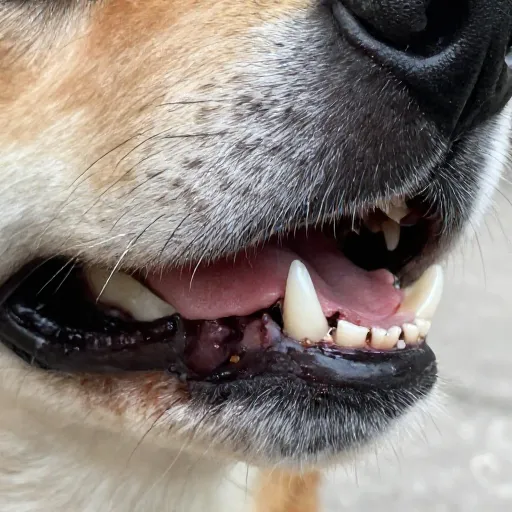
Bad breath isn’t just unpleasant — it’s a red flag. By age three, most dogs have some form of dental disease. Plaque builds up, gums get inflamed, and bacteria can even travel to their heart and kidneys.
I used to skip brushing because my dog hated it, but now I use dental chews and a finger brush with enzymatic toothpaste. It takes two minutes, and honestly, it’s worth the wiggling.
Look for yellow-brown tartar, bleeding gums, or drooling more than usual. Regular cleanings at the vet are a must, especially for small breeds with crowded teeth.
4. Obesity
Extra weight is a silent thief. It leads to joint pain, diabetes, breathing trouble, and a shorter lifespan. I know how hard it is to resist those begging eyes, but those extra treats add up fast.
Your dog’s ribs should be easy to feel without pressing hard, and they should have a visible waist when you look from above. If you can’t tell where their ribs are, it’s time to adjust their food and exercise.
Swap high-calorie treats for baby carrots, green beans, or frozen blueberries. And please, measure their kibble — guessing is how the pounds creep on. A few small changes can add years to their life.

5. Arthritis and Joint Pain
Watching your best friend struggle to get up or climb stairs is one of the hardest things. Arthritis is common in older dogs, especially large breeds like Golden Retrievers and German Shepherds, but it can start as early as middle age.
You might notice stiffness after naps, limping, or them being less excited for walks. They’re not lazy — they’re hurting. Keep them warm with orthopedic beds and consider joint supplements with glucosamine and chondroitin.
Gentle, regular exercise actually helps more than total rest. Shorter, more frequent walks keep the joints moving without overdoing it. And never let them jump off furniture if they already have sore hips.

6. Diarrhea and Vomiting
Upset stomachs happen to every dog at some point. Maybe they ate something from the trash, or they’re stressed, or they just have a sensitive gut. A single bout isn’t usually a big deal.
But if it goes on for more than 24 hours, or if there’s blood, it’s vet time. Puppies and senior dogs dehydrate fast, so don’t wait too long. I always keep plain canned pumpkin and unflavored Pedialyte on hand for mild cases.
Withhold food for 12 hours to let their stomach settle, then offer small amounts of boiled chicken and white rice. If they keep that down, you’re in the clear. If not, call your vet immediately.
7. Urinary Tract Infections (UTIs)
If your house-trained dog suddenly starts having accidents inside, or they’re squatting with nothing coming out, a UTI is likely. Female dogs get them more often, but males can too.
You might see blood in their urine, or they’ll lick their private area obsessively. The good news is that UTIs are very treatable with antibiotics. The bad news is they can turn into kidney infections if ignored.
Make sure your dog always has fresh water and plenty of potty breaks. Holding it for too long can create problems. And if you see any of these signs, get a urine sample to your vet.

8. Kennel Cough
That loud, honking cough that sounds like your dog has something stuck in their throat? That’s kennel cough. It’s super contagious and spreads fast at dog parks, boarding kennels, and puppy classes.
Most cases clear up on their own, but it can be miserable for your pup. Keep them away from other dogs for a couple of weeks, and use a harness instead of a collar so you’re not pulling on their sore throat.
Honey can soothe their cough — a teaspoon for large dogs, half for small. But if they’re lethargic or have a fever, a vet visit is necessary to rule out pneumonia.

9. Bloat (GDV)
This one scares me more than any other because it can kill a dog in hours. Bloat happens when the stomach fills with gas and twists on itself. Deep-chested breeds like Great Danes, Boxers, and Dobermans are most at risk.
Signs include a distended belly, unproductive retching (trying to vomit but nothing comes out), restlessness, and drooling. If you see these, drop everything and rush to the emergency vet. Time is literally everything.
Feed your dog two smaller meals instead of one big one, and don’t let them run or play hard right after eating. Some vets recommend a preventive surgery called gastropexy for high-risk breeds.

10. Eye Problems
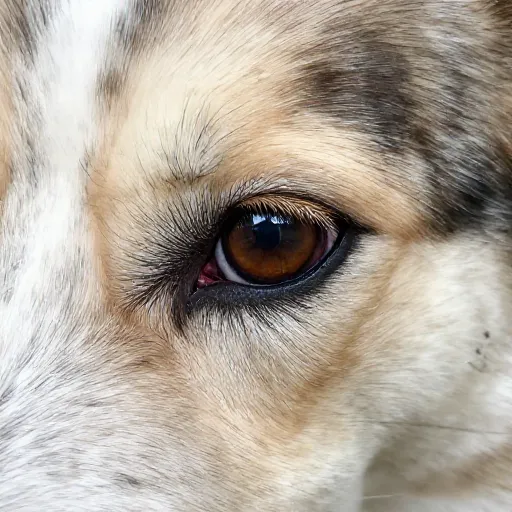
Squinting, redness, or a goopy discharge usually means something is wrong with your dog’s eye. Conjunctivitis, dry eye, and corneal scratches are all common. My own dog once got a grass seed stuck under his eyelid, and I felt so guilty for not noticing sooner.
Dogs with bulging eyes, like Pugs and Shih Tzus, are especially prone to injuries. Never use human eye drops — they can make things worse. A simple saline rinse can help flush out debris, but anything that lasts more than a few hours needs a vet.
Cloudiness in the eyes can also be a sign of cataracts or glaucoma, both of which are serious. Regular checkups catch these early.
11. Parasites (Fleas, Ticks, and Worms)
Fleas are the tiny vampires of the dog world — they cause itching, allergies, and even tapeworms. Ticks can carry Lyme disease and other nasty infections. And intestinal worms like roundworms and hookworms are super common, especially in puppies.
Year-round prevention is non-negotiable where I live. I use a monthly chewable that covers fleas, ticks, heartworm, and most worms. It’s one less thing to worry about, and it costs way less than treating an infestation.
Check your dog’s skin during grooming, especially after hikes. And if you see tiny rice-like segments near their rear end, that’s tapeworm segments — time for a dewormer from the vet.
Final Thoughts
Being a dog parent means being their advocate. You don’t need to be a vet, but knowing these common problems helps you act fast when something feels off. Trust your gut — if you think your dog isn’t right, you’re probably correct.
Keep a good relationship with your veterinarian, and don’t skip those annual checkups. A little prevention goes a long way. And most importantly, give your pup extra cuddles today. They deserve it.
Frequently Asked Questions
How can I tell if my dog is in pain?
Dogs hide pain well. Look for subtle changes like limping, panting more than usual, not wanting to be touched, or acting withdrawn. Restlessness and changes in appetite are also big clues.
How often should I take my dog to the vet?
At least once a year for a checkup and vaccines. Senior dogs and those with chronic conditions should go every six months. Puppies need several visits in their first year for shots and deworming.
Can I give my dog human medicine for pain?
Never give your dog ibuprofen, acetaminophen, or aspirin without a vet’s okay. These can cause severe liver or kidney damage. Always use medications made specifically for dogs.
What are the first signs of a serious health problem?
Sudden lethargy, not eating for more than 24 hours, vomiting or diarrhea with blood, difficulty breathing, seizures, or an inability to pee are all emergencies. When in doubt, call your vet.
How can I prevent most dog health issues?
Feed a balanced diet, keep them at a healthy weight, stay current on vaccinations and parasite prevention, brush their teeth, and give them regular exercise. Love and attention also go a long way — you’ll notice changes faster when you’re paying close attention.