Homemade Probiotics for Dogs: 6 Fun & Easy Gut-Healthy Recipes Your Pup Will Love
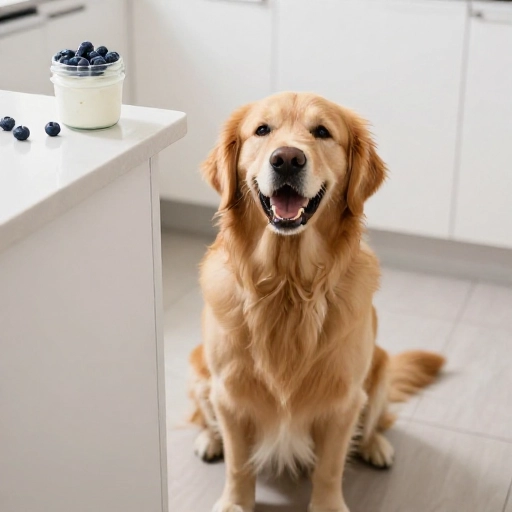
If your dog has been dealing with a sensitive tummy, dull coat, or just seems a little low on energy, their gut might be asking for some help. I started making homemade probiotics for my own dog after a round of antibiotics left her digestion all out of whack, and honestly, the change was night and day. Not only are these recipes super simple to whip up, but they’re also a fun way to spoil your pup with something that actually makes them feel great from the inside out.
Probiotics are those friendly little bacteria that keep the digestive system running smoothly. Store-bought supplements can be pricey and full of fillers, but making your own at home is budget-friendly, totally natural, and lets you control exactly what goes into your dog’s bowl. Let’s get into six easy, tail-waggingly good recipes your dog will go wild for.
Why Probiotics Are a Game-Changer for Your Dog
Think of your dog’s gut as the headquarters for their overall health. When the good bacteria are outnumbered by the bad, it can lead to everything from gas and loose stools to itchy skin and a weak immune system. By adding homemade probiotics to their diet, you’re giving their digestive system a little team of helpers that break down food, absorb nutrients, and keep things moving smoothly.
I noticed my own dog stopped having those random bouts of diarrhea, her breath got fresher, and she just seemed happier after meals. Plus, fermented foods are packed with enzymes that make it easier for older dogs to digest their food. It’s a small change that can make a huge difference, and the best part is that your dog will think it’s just a tasty treat.
Tools You’ll Need for These Recipes
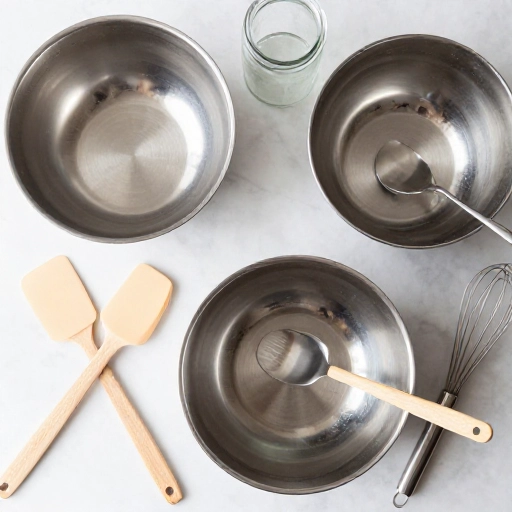
Before we dive into the recipes, let’s get your kitchen ready. You don’t need anything fancy, just a few basic items you probably already have. Grab a clean glass jar (a mason jar works perfectly), a wooden spoon or spatula, and a cutting board. For the fermented recipes, you’ll also want a cheesecloth or a loose-fitting lid to let the air escape while keeping bugs out.
Make sure everything is squeaky clean. We’re growing good bacteria here, and we don’t want any unwanted germs crashing the party. A quick wash with hot soapy water is all you need. Now, let’s get cooking!
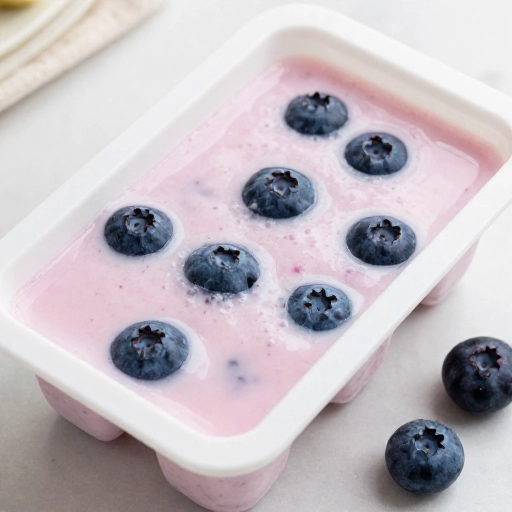
Recipe 1: Simple Kefir & Blueberry Pupsicles
This is the easiest recipe on the list and perfect for a hot day. Plain, unsweetened kefir is a probiotic powerhouse, and blueberries add antioxidants and a pop of flavor. Your dog will think they’re getting a special frozen treat, but you’ll know they’re getting a gut health boost.
Ingredients: 1 cup plain, unsweetened kefir (goat milk kefir is gentler on sensitive stomachs), ½ cup fresh or frozen blueberries.
Instructions: Simply blend the kefir and blueberries together until smooth. Pour the mixture into a silicone ice cube tray or small silicone molds. Pop them in the freezer for at least 4 hours, or until solid. Give your dog one pupsicle as a refreshing snack. They last for months in a freezer bag!

Recipe 2: Fermented Pumpkin Gut Paste
Pumpkin is already a go-to for doggy digestion, but fermenting it makes it even more powerful. This paste is thick, savory, and dogs absolutely love the tangy taste. It’s perfect for mixing into their regular meals or using as a topper when they’re feeling a little off.
Ingredients: 1 cup canned pure pumpkin (not pumpkin pie filling), 2 tablespoons plain kefir or whey (from straining yogurt), ¼ teaspoon sea salt (optional, but helps fermentation).
Instructions: In a clean bowl, mix the pumpkin, kefir (or whey), and salt until well combined. Spoon the mixture into a clean glass jar, pressing it down to remove air bubbles. Leave about an inch of space at the top. Cover the jar with a cheesecloth and secure it with a rubber band. Let it sit at room temperature for 2–3 days. You’ll see tiny bubbles forming, that’s the good bacteria working! Once it smells pleasantly tangy, screw on the lid and store it in the fridge. It will keep for up to a month. Serve 1 teaspoon per 20 pounds of body weight daily.
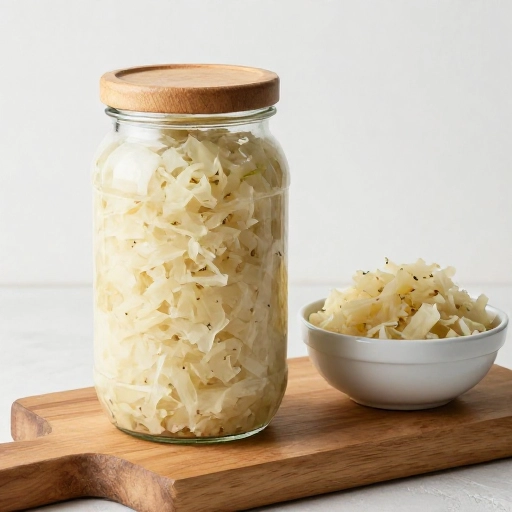
Recipe 3: Sauerkraut for Spaniels (and All Breeds!)
Homemade sauerkraut is one of the most potent probiotic foods out there, and it’s incredibly cheap to make. We’re leaving out the salt-heavy brine and making a dog-safe version that’s crunchy and delicious. Cabbage is full of fiber and vitamins, making this a fantastic gut healer.
Ingredients: ½ head of green or purple cabbage, 1 tablespoon plain kefir (or whey), ½ cup filtered water.
Instructions: Shred the cabbage finely using a knife or food processor. In a bowl, massage the kefir and water into the cabbage for about 2 minutes until it starts releasing liquid. Pack the cabbage tightly into a clean glass jar, pressing it down until the liquid rises above the cabbage. Leave an inch of headspace. Cover with a cheesecloth and let it ferment at room temperature for 3–5 days. Taste it daily – when it’s pleasantly sour, it’s done. Move it to the fridge. Rinse a small portion before serving to reduce sodium. Start with 1 teaspoon per day for small dogs.
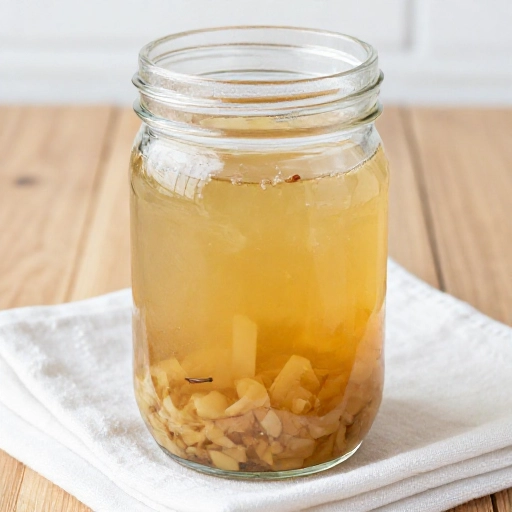
Recipe 4: Bone Broth & Fermented Veggie Mix
This recipe combines the collagen-rich goodness of bone broth with the probiotic punch of fermented veggies. It’s a liquid gold that’s incredibly soothing for dogs with sensitive stomachs or joint issues. I make a big batch of this on Sunday and use it all week.
Ingredients: 2 cups homemade or store-bought unsalted bone broth (cooled), ¼ cup finely chopped fermented carrots (from a previous batch or store-bought raw sauerkraut), 1 tablespoon plain yogurt.
Instructions: Simply whisk the bone broth, chopped fermented veggies, and yogurt together until combined. Pour the mixture into ice cube trays and freeze. You can also serve it fresh as a meal topper. These broth cubes are amazing for adding moisture to dry kibble. Give one cube per 20 pounds of body weight daily.
[[IMG:IMG07]]
Recipe 5: Yogurt & Banana Gut Bombs
These little frozen treats are like probiotic protein balls for your pup. Greek yogurt is loaded with live cultures, and bananas provide potassium and natural sweetness. They’re perfect for training treats or a quick, healthy snack when you’re on the go.
Ingredients: 1 cup plain Greek yogurt (full-fat is best for probiotics), 1 ripe banana, 2 tablespoons unsweetened peanut butter (make sure it has no xylitol).
Instructions: Mash the banana in a bowl, then mix in the yogurt and peanut butter until smooth. Spoon the mixture into a silicone mold or drop small spoonfuls onto a parchment-lined baking sheet. Freeze for 2–3 hours until solid. Store in a freezer bag. These are super portable and won’t melt in your pocket during a walk. Give one or two per day as a reward.
[[IMG:IMG08]]
Recipe 6: Fermented Apple & Ginger Tonic
Apples and ginger make a refreshing, gut-healing combo that’s great for dogs who get car sick or have occasional nausea. This tonic is a liquid probiotic that you can drizzle over food or serve by the spoonful. Ginger is a natural anti-inflammatory, and apples provide pectin, a prebiotic that feeds the good bacteria.
Ingredients: 1 apple (cored and chopped, skin on), 1-inch piece of fresh ginger (peeled and sliced), 2 cups filtered water, 2 tablespoons kefir or whey.
Instructions: Place the apple and ginger in a clean jar. Mix the water and kefir together and pour over the fruit until it’s fully submerged. Weigh down the fruit with a small glass or fermentation weight if needed. Cover with a cheesecloth and let it sit at room temperature for 2–3 days. You’ll see bubbles forming. Once it smells fruity and slightly tangy, strain out the solids and pour the liquid into a clean bottle. Store in the fridge for up to 2 weeks. Serve 1 teaspoon per 15 pounds of body weight daily.
[[IMG:IMG09]]
How to Introduce Probiotics to Your Dog’s Diet
When you start giving your dog any new food, especially fermented ones, slow and steady is the name of the game. Their gut needs time to adjust to the influx of new bacteria. Start with a tiny amount – think a quarter teaspoon for small dogs and half a teaspoon for larger breeds – mixed into their regular meal.
Watch for any signs of digestive upset like gas or loose stools. If everything looks good after a few days, you can slowly increase the amount. Most dogs do well with 1–3 teaspoons per day, depending on their size. And remember, these are supplements, not meal replacements. Keep offering their regular, balanced diet alongside these probiotic goodies.
[[IMG:IMG10]]
Conclusion
Making homemade probiotics for your dog is one of the simplest and most loving things you can do for their health. These six recipes are easy, affordable, and packed with the good bacteria that keep your pup feeling their best. From frozen pupsicles to tangy ferments, there’s something here for even the pickiest eaters.
I’ve seen firsthand how a healthy gut can transform a dog’s energy, coat, and mood. So grab a jar, pick a recipe, and give your furry friend the gift of a happy, healthy belly. They’ll thank you with extra tail wags and sloppy kisses.
[[IMG:IMG11]]
Frequently Asked Questions
Can I use store-bought yogurt for these recipes?
Absolutely! Just make sure it’s plain, unsweetened, and contains live active cultures. Greek yogurt is usually the best choice because it’s thicker and has more protein.
How long do these homemade probiotics last in the fridge?
Fermented recipes like the pumpkin paste and sauerkraut will last about 3–4 weeks when stored in an airtight container in the fridge. Frozen treats like the pupsicles and gut bombs will keep for several months in the freezer.
My dog has a sensitive stomach, which recipe should I start with?
I’d recommend starting with the Bone Broth & Fermented Veggie Mix or the Yogurt & Banana Gut Bombs. They’re milder and less tangy than the sauerkraut. Always start with a tiny amount and see how your dog reacts.
Can I use these recipes for puppies?
Yes, but with caution. Puppies have developing immune systems, so start with even smaller amounts – just a lick or two of the kefir or yogurt. Stick to the simpler recipes and avoid anything too fermented until they’re at least six months old. When in doubt, ask your vet.
Do I need to use organic ingredients?
It’s not strictly necessary, but it’s always a good idea to go organic when you can, especially for the fruits and veggies that go into ferments. Since we’re not cooking these ingredients, you want to avoid any pesticide residues. If organic isn’t an option, just wash everything really well.
[[IMG:IMG12]]