10 Space-Saving Side Yard Dog Enclosures That Actually Look Good (And Work)
If you have a skinny side yard, you know the struggle. It’s that awkward strip of grass that’s too narrow for a patio set but too wide to ignore. And if you have a dog, it’s prime real estate for a potty break or a quick zoomie session.
But let’s be real—most dog enclosures are bulky and ugly. They eat up precious square footage and make your yard feel like a kennel. I’ve spent hours researching designs that maximize every inch without sacrificing style or safety. Here are ten space-saving side yard dog enclosures that actually work for narrow spaces.
1. The Sliding Gate Enclosure
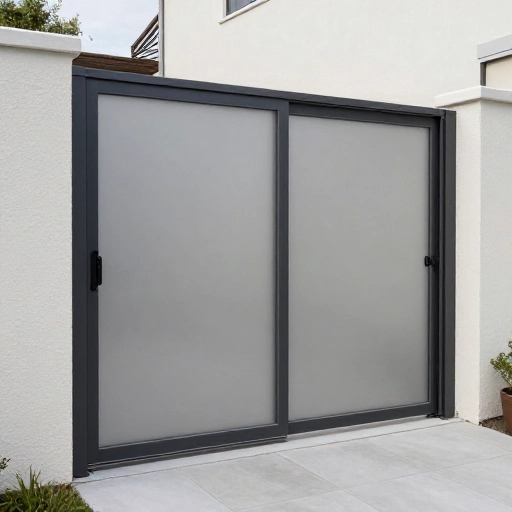
This is my top pick for ultra-narrow side yards (think 3 to 4 feet wide). Instead of a swinging gate that eats into your walkway, you install a sliding gate that runs along the fence line. It opens horizontally, so you don’t lose any floor space.
Pair it with a simple metal frame and wire mesh. You can even mount a lock on the inside for security. The best part? The gate glides silently, so it won’t spook a nervous pup.
- Works best on concrete or gravel bases
- Sliding hardware must be weather-resistant
- Great for small to medium dogs
2. The Fold-Down Panel System
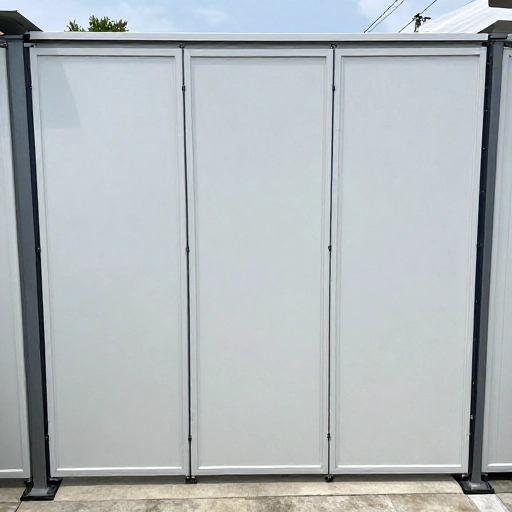
Think of this like a Murphy bed for your dog. You attach hinged panels to your house wall or fence. When your dog needs to go out, you fold them down to create a temporary pen. When not in use, they fold flat against the wall.
This is genius for renters or anyone who wants flexibility. You can make the panels from cedar or pressure-treated wood for durability. Just add a latch system to keep them secure when upright.
- Folds completely flat—zero footprint when stored
- Customize height based on your dog’s jumping ability
- Easy to paint or stain to match your home
3. The Vertical Lattice Enclosure
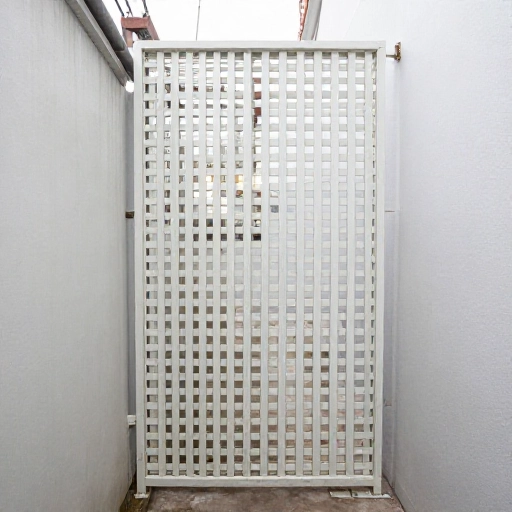
Narrow doesn’t have to mean boring. Use a tall lattice panel (6 to 8 feet high) as the main wall of your enclosure. Train climbing vines like jasmine or clematis along the lattice. It turns a functional space into a green living wall.
Your dog gets a shaded, private area. The lattice also reduces noise from the street. Just make sure the gaps are small enough that your pup can’t stick their head through.
- Great for privacy and aesthetics
- Vines provide natural cooling in summer
- Choose dog-safe plants only
4. The Under-Stairs Nook Enclosure
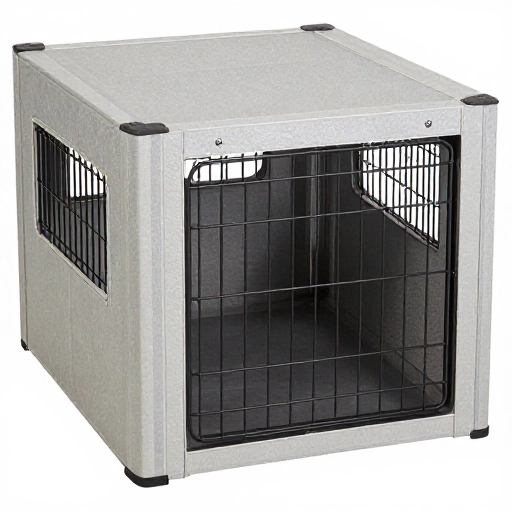
Got an exterior staircase or a deck with a storage area underneath? That dead space is perfect for a side yard dog enclosure. Frame in the area with wire mesh or wooden slats. Add a small door that matches your stairs.
This enclosure uses vertical space you already have. It keeps your dog sheltered from rain and sun. Plus, it’s hidden from view, so your yard stays clean and uncluttered.
- Requires measuring the exact footprint under stairs
- Add a gravel or artificial turf floor for drainage
- Ideal for shy dogs who like a cozy den
5. The Roll-Out Dog Run
This is the ultimate space-saver. You install a heavy-duty roll-out mat (like a commercial-grade artificial turf strip) that stays flat on the ground. Instead of a permanent fence, you use lightweight, portable panels that you can move aside.
When your dog needs to go, you roll out the mat and set up the panels in seconds. Done? Roll it back up and stash it against the wall. It’s perfect for side yards that double as storage or walkways.
- Mat should be at least 4 feet wide for comfort
- Panels can be PVC or aluminum for easy handling
- Best for small dogs who don’t need a full sprint
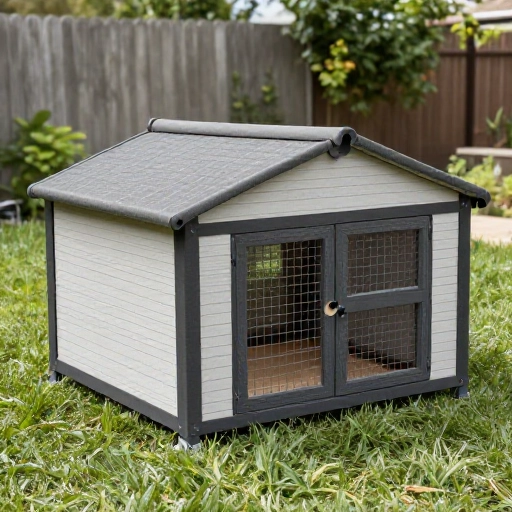
6. The Wall-Mounted Tether Station
Not every enclosure needs four walls. If your side yard is just a narrow corridor, install a wall-mounted tether system. Attach a strong cable or chain to a secure anchor on your house wall. Then, clip your dog’s harness to a trolley that slides along the cable.
This gives your dog a full range of motion without any fencing. It’s cheap, takes zero floor space, and can be removed in minutes. Use a padded harness to prevent chafing.
- Never use a collar with tethers—always a harness
- Check cable tension regularly
- Best for supervised outdoor time only
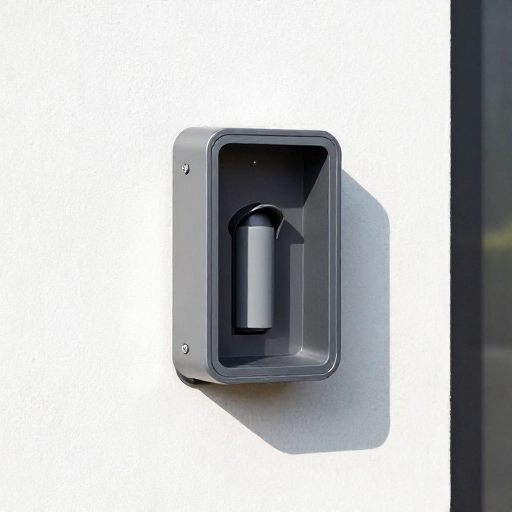
7. The Corner Pop-Up Pen
Most side yards have a corner where two fences meet. That corner is wasted space. Put a foldable metal pop-up pen right in that corner. It fits snugly, and the triangular shape uses the existing fences as two sides.
These pens are lightweight, portable, and affordable. You can move them around as needed. For a permanent look, paint the pen to match your fence.
- Measure the corner angle before buying
- Secure the pen with stakes or weights
- Great for puppies or temporary confinement
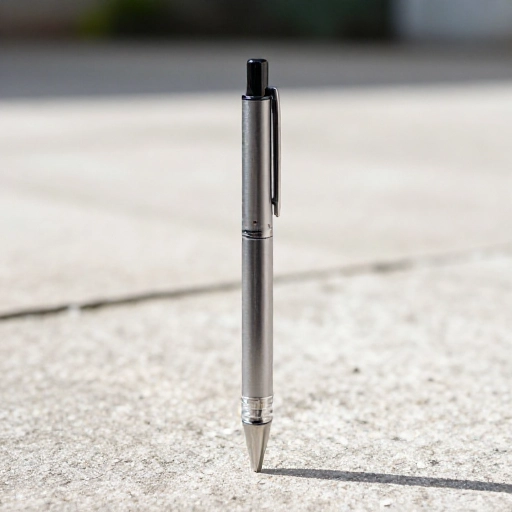
8. The Raised Deck Enclosure
If your side yard is sloped or uneven, build a raised deck platform. The enclosure sits on top, level and stable. You can make the platform from composite decking or treated lumber. The space underneath becomes dry storage for gardening tools.
Add a low fence around the platform’s edge. Your dog gets a clean, dry surface that’s easy to hose off. The raised design also discourages digging.
- Platform height should be 6 to 12 inches off the ground
- Use non-slip material on the deck surface
- Ideal for rainy climates
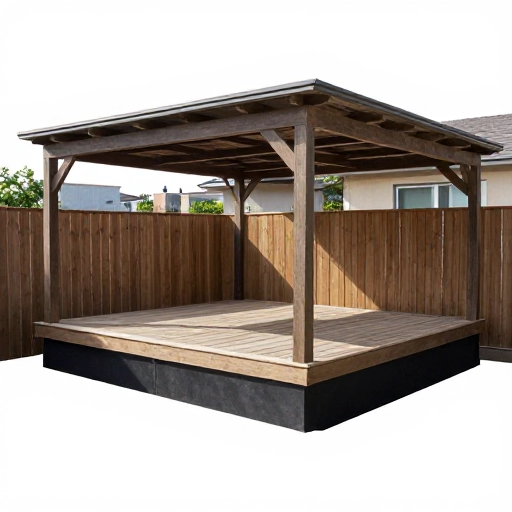
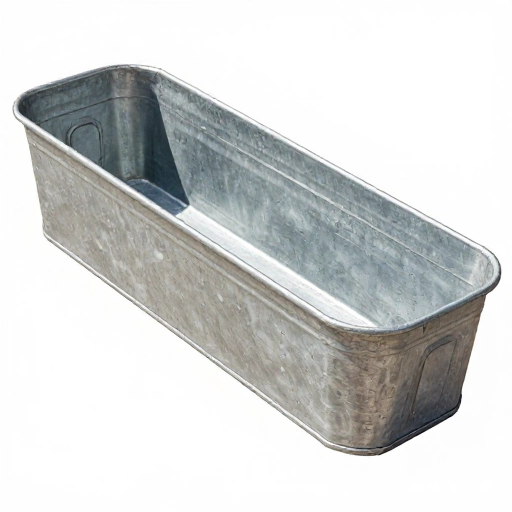
9. The Narrow Galvanized Trough Planter Enclosure
Here’s a creative one: use a long, narrow galvanized steel trough (like a livestock waterer) as the base of your enclosure. Fill it with soil and plant dog-safe grass or herbs. Then, attach a short wire fence around the rim.
The trough acts as a raised garden bed and a containment barrier. Your dog can sniff and explore without trampling your actual garden. It’s a dual-purpose solution that looks intentional.
- Drill drainage holes in the trough
- Choose hardy plants like wheatgrass or mint
- Works best for small breeds
10. The Magnetic Mesh Screen Enclosure
Last but not least: a DIY enclosure using heavy-duty magnetic mesh screens. Attach one screen to your house door and another to the opposite fence. The mesh creates a soft, see-through barrier that lets air flow freely.
Use magnetic strips along the edges so your dog can push through a small flap to enter. This is low-cost and removes easily for winter storage. It’s not chew-proof, so supervise your dog at first.
- Choose pet-grade mesh with reinforced edges
- Install tension rods for extra stability
- Perfect for mild weather only
Conclusion
Your side yard doesn’t have to be a dead zone. With a little creativity, you can turn that narrow strip into a safe, stylish space your dog will love. Start with the option that fits your budget and skill level. Even a small change makes a big difference for both you and your pup.
Frequently Asked Questions
1. What is the best flooring for a side yard dog enclosure?
Artificial turf or pea gravel are top choices. They drain well, are easy to clean, and stay cool in summer. Avoid loose dirt or mud that turns into a mess.
2. How do I keep my dog from jumping over a low enclosure?
Increase the height to at least 4 feet for small dogs and 6 feet for large breeds. You can also add an angled extension at the top (called a coyote roller) to prevent climbing.
3. Can I build a side yard enclosure without permanent fencing?
Yes. Use portable pop-up pens, fold-down panels, or wall-mounted tethers. These are great for rentals or temporary setups.
4. How do I make the enclosure safe in hot weather?
Provide shade with a canopy or tall lattice with vines. Use a cooling mat and always have fresh water. Avoid metal surfaces that heat up quickly.
5. What is the cheapest space-saving option?
The magnetic mesh screen enclosure or the wall-mounted tether station. Both cost under $50 and take almost no space when not in use.