12 Daily Dog Care Routine Steps I Swear By
If you’re like me, you want your dog to feel loved, healthy, and happy every single day. But life gets busy, and it’s easy to forget the little things that make a big difference. That’s why I put together this simple daily dog care routine.
This isn’t about being perfect. It’s about building small, consistent habits that keep your pup’s tail wagging. I’ve broken it down into 12 easy steps that I follow with my own dog. Trust me, once you start, it becomes second nature.
Let’s dive into the routine that changed everything for us.
1. Morning Potty Break and Fresh Air
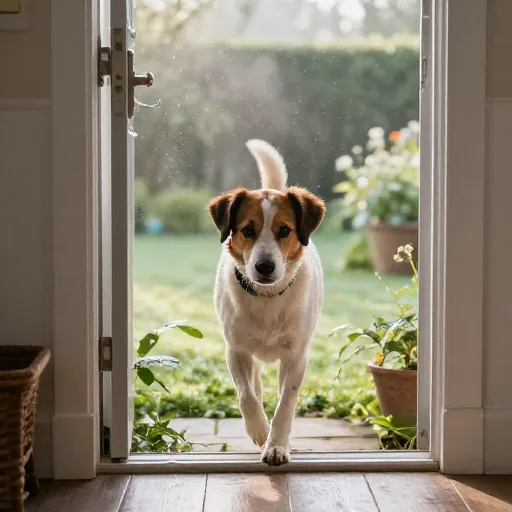
The first thing I do every morning is take my dog outside. This isn’t just about bathroom needs. It’s about letting them sniff the world and wake up slowly. A quick five minutes in the yard or a short walk around the block sets a calm tone for the day.
I always give a happy “good morning” and a gentle scratch behind the ears. This small moment of connection tells them they are safe and loved. It also helps prevent accidents inside the house later.
Don’t rush this step. Let them take their time. A relaxed start makes for a relaxed dog.
2. Fresh Water Check and Breakfast Time
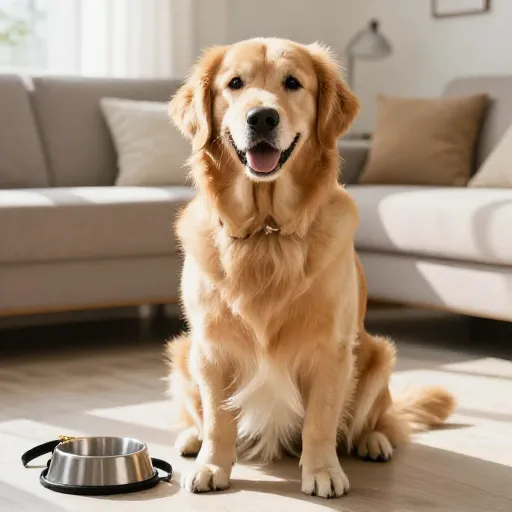
After the potty break, I refill their water bowl with cool, clean water. I make sure it’s not sitting in the sun or near their food bowl. Fresh water is so important for their energy and health.
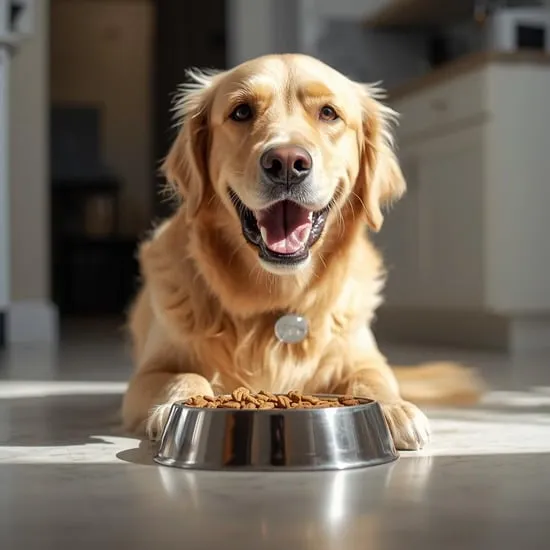
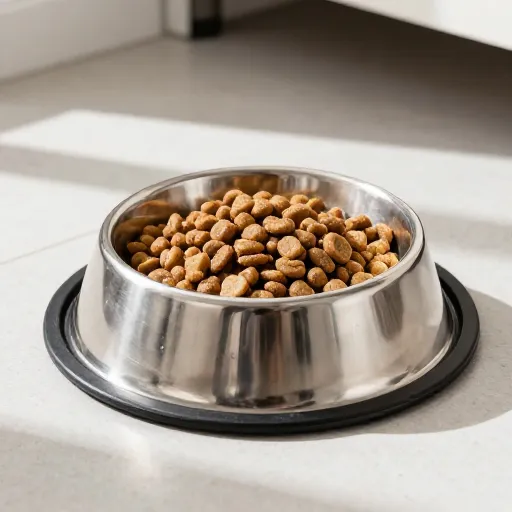
Then comes breakfast. I measure their food using a cup or scale – no guessing. I follow the feeding guide on the bag, but I adjust based on my dog’s activity level. I also add a spoonful of plain pumpkin or a few green beans for extra fiber.
I let them eat in a quiet spot without distractions. It makes mealtime peaceful and helps with digestion.
3. Morning Walk or Play Session
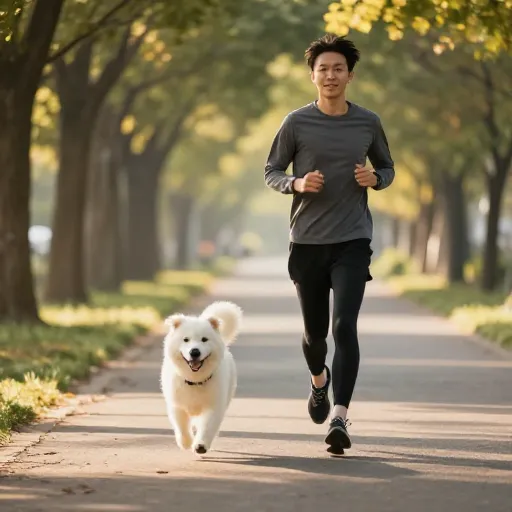
About 30 minutes after breakfast, we go for our real morning walk. This is our time to explore. We walk different routes each day so my dog gets new smells and sights. It’s great mental exercise.
If the weather is bad, we play fetch in the hallway or do a quick game of tug-of-war. The goal is to get their heart pumping and burn off that early morning energy. A tired dog is a happy dog.
I always bring poop bags and clean up right away. It’s a small act of kindness for our neighbors and our community.
4. Mid-Morning Training or Brain Games
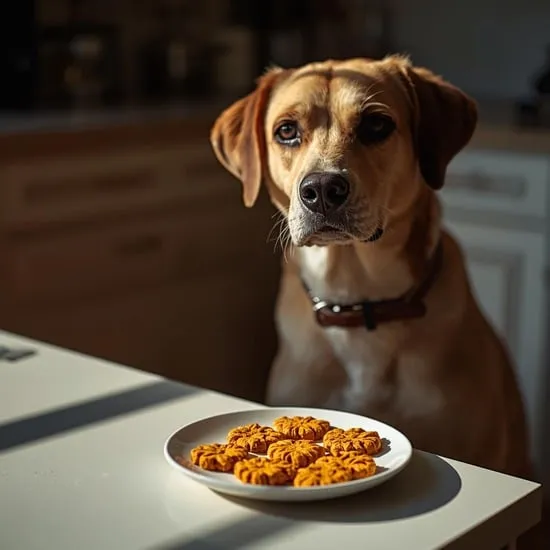
After our walk, my dog is usually ready for a nap. But before that, I spend five minutes on training. We practice basic commands like sit, stay, and come. Sometimes I teach a new trick, like spin or paw.
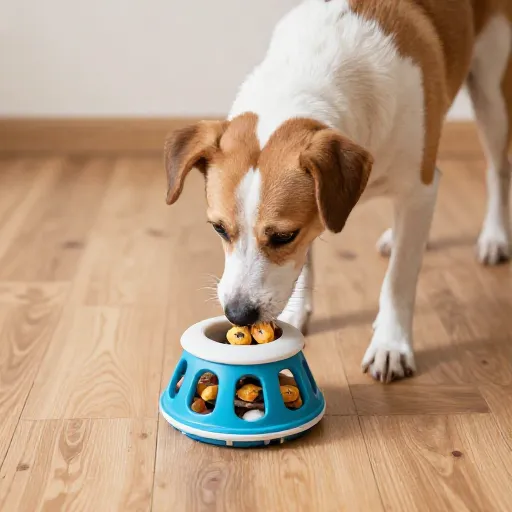
I use small, soft treats and keep sessions short. The key is to end on a positive note. If my dog seems distracted, I stop and try again later. Brain games like hiding treats under cups or using a puzzle toy also work wonders.
This keeps their mind sharp and strengthens our bond. Plus, it’s a fun way to spend a few minutes together.
5. Midday Potty Break and Stretch
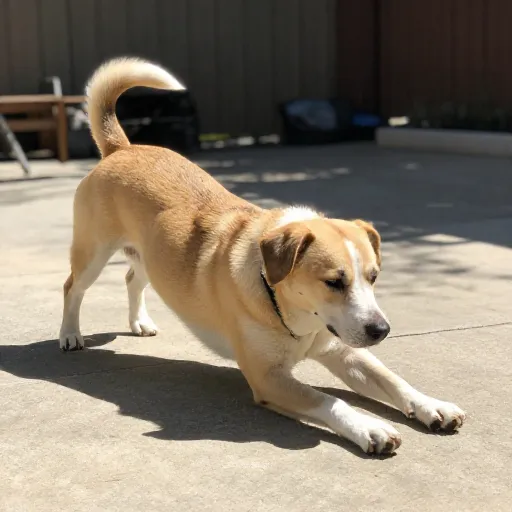
Around midday, I take my dog out again. Even if they don’t need to go, a quick walk around the block or some stretching in the yard helps. Dogs need to move their bodies regularly, just like us.
I let them sniff and explore for a few minutes. This is also a good time to check for any signs of discomfort, like limping or scratching. A quick once-over keeps small issues from becoming big problems.
If I’m at work, I ask a friend or neighbor to help. A midday break is a game-changer for their mood.
6. Afternoon Nap and Quiet Time
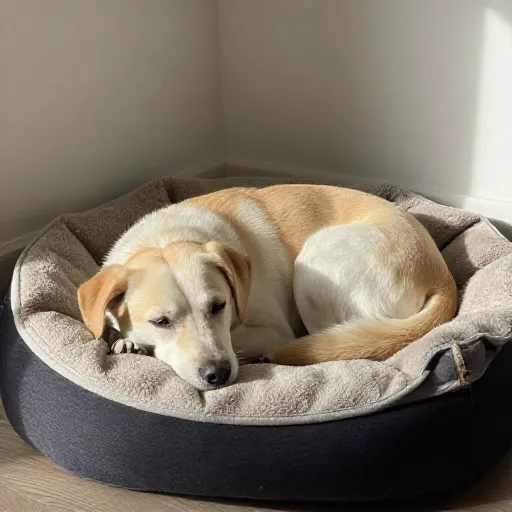
Dogs need a lot of sleep, especially puppies and seniors. After lunch, I make sure my dog has a cozy, quiet spot to nap. I dim the lights and close the curtains if needed. A soft blanket or their favorite bed works perfectly.
I don’t disturb them during this time. Letting them rest helps them recharge for the evening. If they seem restless, a short chew toy or a frozen Kong can keep them occupied quietly.
This is my time to do chores or work, knowing my dog is getting the rest they need.
7. Afternoon Grooming Check
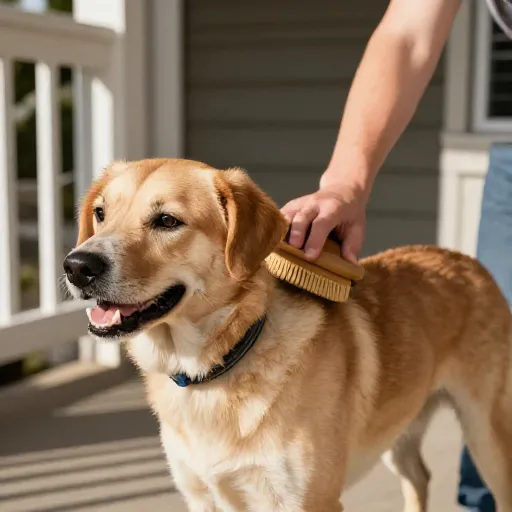
In the late afternoon, I do a quick grooming check. I brush their coat for a few minutes, especially if they have longer hair. This removes loose fur and prevents mats. It’s also a great way to bond.
I check their ears for dirt or redness, and I look at their paws for any cracks or debris. I gently wipe their eyes with a damp cloth if needed. These small checks catch problems early.
I make it a positive experience with treats and praise. My dog actually looks forward to this time now.
8. Evening Walk or Adventure
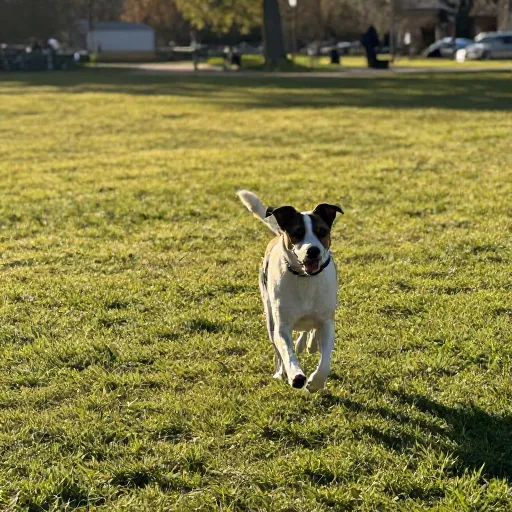
Evening walks are my favorite. The air is cooler, and the neighborhood is quieter. We take a longer walk, maybe 20 to 30 minutes. I let my dog lead the way sometimes, following their nose.
This is their time to explore and decompress from the day. I let them sniff as much as they want. Sniffing is like reading the news for dogs – it’s mentally tiring and satisfying.
I always bring a flashlight if it’s dark, and I stay aware of our surroundings. Safety first, fun second.
9. Dinner Time and Food Puzzles
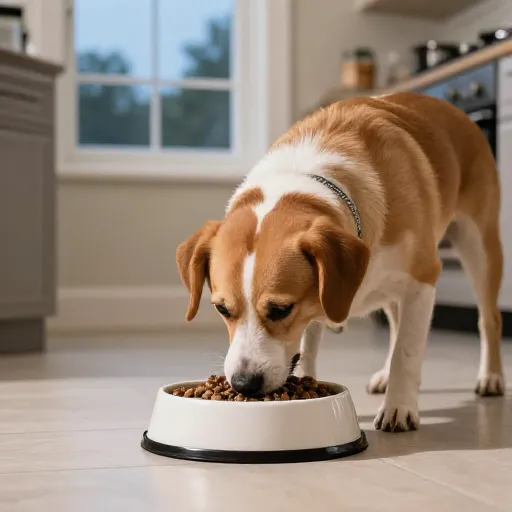
Dinner time is about more than just filling the bowl. I use a slow feeder bowl or a food puzzle to make mealtime last longer. This slows down eating and gives them a mental challenge.
I feed them at the same time every day. Dogs thrive on routine. I also check their weight regularly to make sure they’re not overfed or underfed. A healthy weight is key to a long life.
After dinner, I let them rest for at least 30 minutes before any active play. This prevents bloat and tummy troubles.
10. Evening Play and Cuddle Time
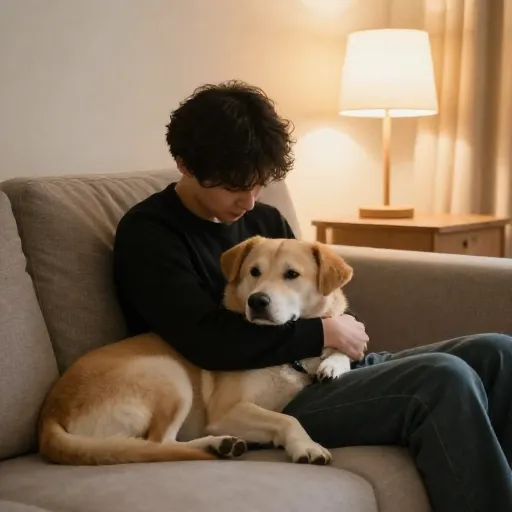
After dinner, we have our cuddle and play time. This is when I sit on the floor and let my dog climb into my lap. We watch TV together, or I read a book while they rest their head on my leg.
Sometimes we play a gentle game of fetch or hide-and-seek with a toy. The key is to keep it low-key. No roughhousing before bed – we want them calm.
This is the most precious part of my day. It’s pure connection and joy.
11. Last Potty Break and Wind Down
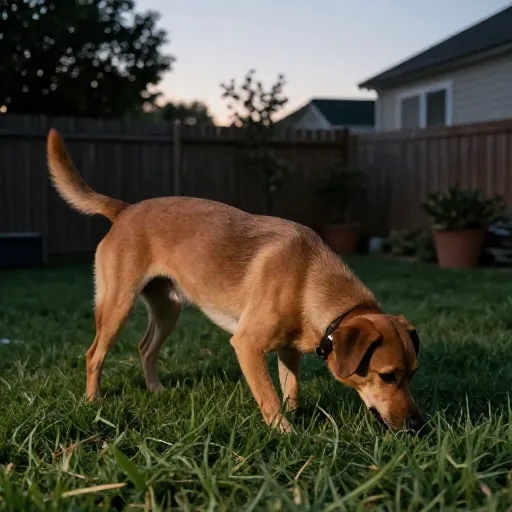
Right before bed, I take my dog out for one last potty break. I keep it short and boring – no exciting walks or play. Just a quick trip outside to do their business.
I use a calm voice and give them a gentle pat. This signals that the day is ending. I also check their water bowl and make sure they have a clean bed for the night.
If they seem anxious, I leave a nightlight on or play soft music. A calm bedtime routine helps everyone sleep better.
12. Nighttime Crate or Bedtime Routine
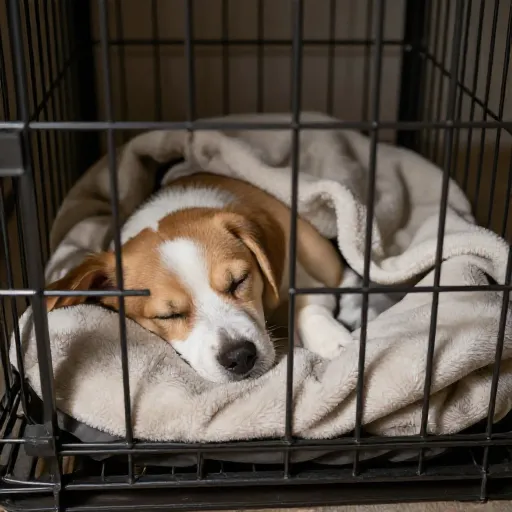
Finally, I lead my dog to their crate or bed. I give them a special bedtime treat, like a small dental chew or a frozen carrot. This ends the day on a positive note.
I cover their crate with a light blanket to make it cozy. I say “goodnight” in a soft voice and leave the room. They know it’s time to sleep.
Consistency is everything. After a few nights, my dog started going to their crate on their own. It’s their safe space now.
Conclusion
This daily routine didn’t happen overnight. I built it step by step, watching my dog’s cues and adjusting. Some days we skip a walk or have a lazy afternoon, and that’s okay. The goal isn’t perfection – it’s connection.
When I stick to this routine, my dog is calmer, happier, and healthier. And honestly, so am I. Give it a try, and tweak it to fit your life. Your dog will thank you with extra tail wags.
Remember, every dog is different. Listen to yours, and you’ll build the perfect routine together.
[[IMG:IMG14]]
Frequently Asked Questions
1. How long does a daily dog care routine take?
It usually takes about 1 to 2 hours total spread throughout the day. The morning and evening walks take the most time, but the rest is quick. You can adjust based on your schedule.
2. Can I skip a day if I’m busy?
Yes, life happens. But try not to skip more than one day in a row. Dogs thrive on consistency. If you’re short on time, focus on the potty breaks and a short walk.
3. What if my dog doesn’t like walks?
Some dogs are homebodies. Try shorter walks, use treats to encourage them, or switch to indoor play and puzzle toys. Always respect your dog’s comfort level.
4. Should I feed my dog twice a day?
Most adult dogs do well with two meals a day. Puppies and small breeds may need three. Always follow your vet’s advice and the feeding guide on your dog’s food.
5. How do I know if my routine is working?
You’ll see signs like a calm demeanor, good appetite, healthy poops, and a wagging tail. If your dog seems stressed or restless, try adjusting the timing or activities. Every dog is unique.