Dog Training Schedule: The Ultimate Command Training Guide for a Well-Behaved Pup
Let’s be real—teaching your dog to sit is easy. Teaching them to actually listen when the mailman walks by? That takes a plan. If you’ve been feeling like your training sessions are all over the place, you’re not alone. A solid dog training schedule is the secret sauce to turning a chaotic puppy brain into a focused, happy companion.
I’ve been through the chewed-up shoes and the selective hearing phases, and I promise you, structure changes everything. This isn’t about drilling your dog for hours. It’s about smart, short bursts of learning that fit into your daily flow. Think of this guide as your roadmap to a calmer household and a dog who actually thinks you’re the coolest person alive.
Why a Daily Schedule Beats Spontaneous Training Sessions
Dogs are creatures of habit. When you train at random times, your dog never knows when to be “on.” A schedule sets the expectation. It’s like having a little clock in their head that says, “Okay, it’s learning time, I should pay attention.”
More importantly, a routine reduces anxiety. When your dog knows what’s coming next, they are less stressed and more receptive to learning. You’ll find that a predictable rhythm makes them calmer overall, not just during training blocks.
Finally, consistency is how you build muscle memory. For you and your dog. The more regular your practice, the faster those neural pathways fire, and the quicker your dog nails that down-stay.
Morning Focus: High Energy, High Reward Basics
Mornings are prime time for training. Your dog is fresh out of a full night’s sleep, and their energy is usually at a peak. Use this window for the commands that require the most focus, like “heel” or a solid “stay” while you make coffee.
Keep this session to about five minutes. Ask for two or three known behaviors first to warm up, then introduce one new thing. Because their tummy is empty, breakfast kibble is a killer high-value reward right now.
Don’t overdo it. You want to end the session while your dog is still begging for more, not when they’re exhausted and frustrated. A quick win in the morning sets a positive tone for the whole day.
The Midday Reset: Breaking Up the Boredom
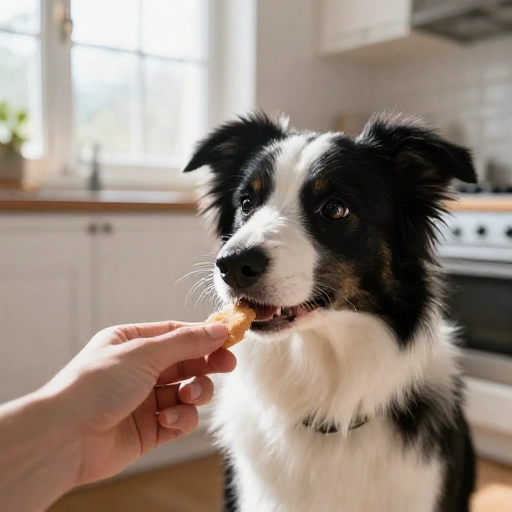
If you work from home or come back for lunch, this is your golden opportunity. The midday slump can hit dogs as hard as it hits us. A three-minute training session is the perfect mental pick-me-up that doesn’t require a long walk.
This is a great slot for impulse control games. Practice “leave it” with a treat on your hand, or work on a relaxed “place” command. You are teaching your dog to settle, which is just as important as teaching them to fetch.
Keep the energy low and calm. This isn’t the time for tug-of-war. You want to reinforce that good behavior happens even when you’re half-awake and just trying to eat your sandwich.
Evening Wind-Down: Solidifying the Day’s Lessons
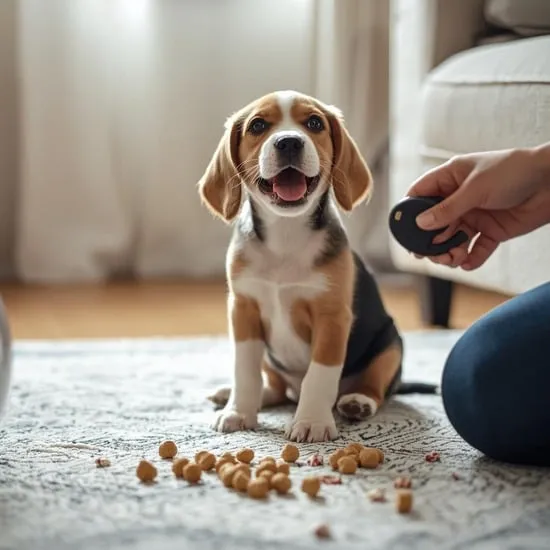
Evenings are for review. Before you settle in for Netflix, grab the training pouch one more time. This is when you practice the commands you worked on in the morning, but in a more relaxed environment.
Dim the lights and lower your voice. Ask for a sit, a down, and a stand. This sequence is a fantastic way to check in on their body awareness. It’s slow, deliberate, and calming for a dog with a busy day.
Don’t introduce new concepts here. Just polish the old ones. Use this time to reward them for listening even when the house is getting quiet and they’d rather be chewing on a bone.
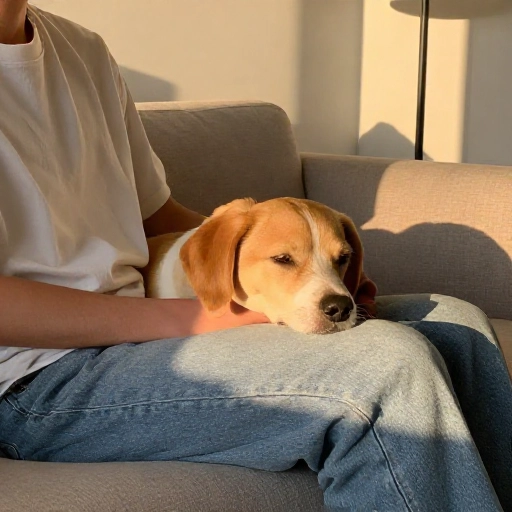
Capturing Calm: The “Settle” Command You Didn’t Know You Needed
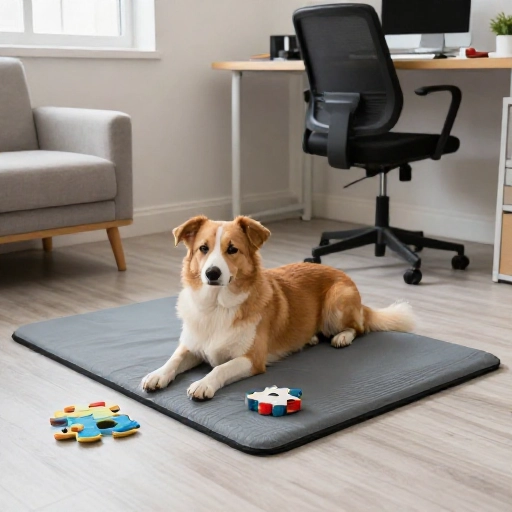
We often focus on the fun tricks, but “settle” is the unsung hero of dog training. It’s the command that tells your dog to chill out on their mat, not just lie down. It’s a game-changer for hyperactive pups.
Start by rewarding your dog any time they choose to lie down on their own. Toss a treat on their bed when they are already relaxed. Say “yes” and then “settle” as they are in the position. You are labeling the behavior, not asking for it yet.
Once they associate the word with the state, you can start using it before they lie down. This is a lifelong skill that makes dinner parties and zoom calls infinitely more peaceful.
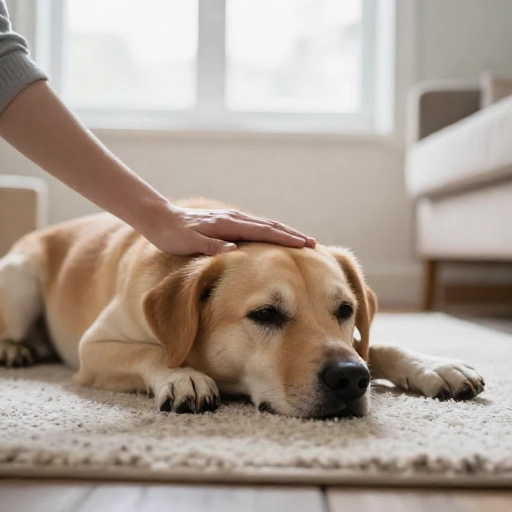
Distraction Training: Proofing Commands in the Real World
Your dog might be a star in the living room, but the moment a squirrel appears, you lose them. That is why we need distraction training. This is about practicing the basics in places with mild chaos.
Start in your backyard, then move to the sidewalk, then to a quiet park. Each environment adds a new level of difficulty. The command is the same, but the distractions are higher.
Lower your criteria when you increase the distractions. If they can sit for ten seconds at home, only ask for two seconds outside. You are building success slowly, and you want them to win every single time.
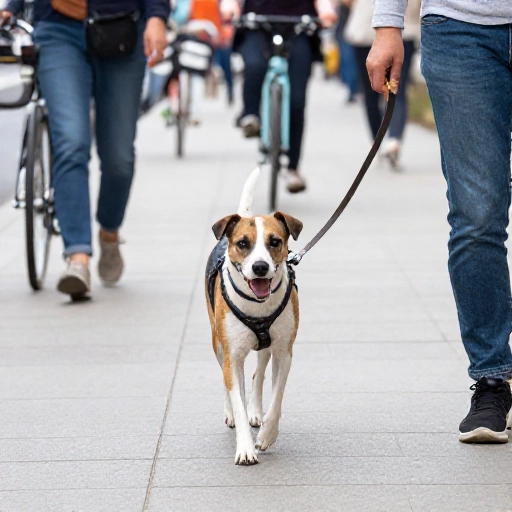
Hand Signals: The Silent Communication Upgrade
Have you ever been in a situation where your dog is looking at you, but you don’t want to yell the command across the park? Hand signals are the answer. They are often clearer to dogs than verbal cues because they rely on visual processing.
Pair your verbal command with a hand signal from day one. For “sit,” use an upward palm. For “down,” point to the floor. Dogs pick up on the physical cue much faster than the word.
Practice using just the signal, without speaking. It’s a great mental workout for them. Plus, it looks incredibly impressive when your dog responds to a simple glance or gesture.
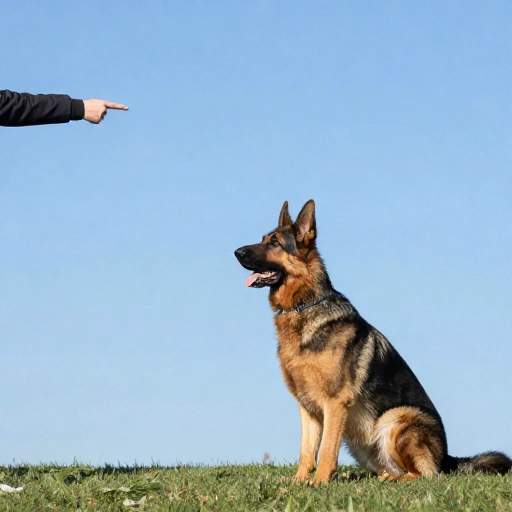
The Art of the “Leave It”: A Lifesaving Skill
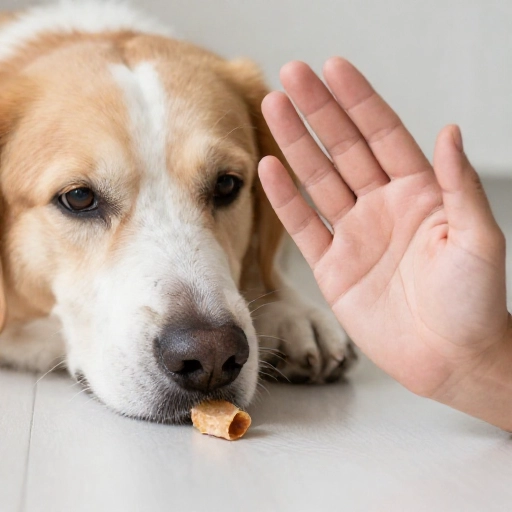
This command is non-negotiable in my house. “Leave it” can stop your dog from eating something toxic off the sidewalk or chasing a cat. It’s about teaching them self-control and that looking at you is more rewarding than the temptation.
Start with a treat in your closed fist. Let them sniff, lick, and paw at it. The second they pull back, even for a millisecond, say “yes” and give them a treat from the other hand. You are teaching them that backing off earns the reward.
Gradually open your hand, then place the treat on the floor, and eventually use it for items they love. This command requires patience, but it is worth its weight in gold.
Loose Leash Walking: Turning Walks into a Team Activity
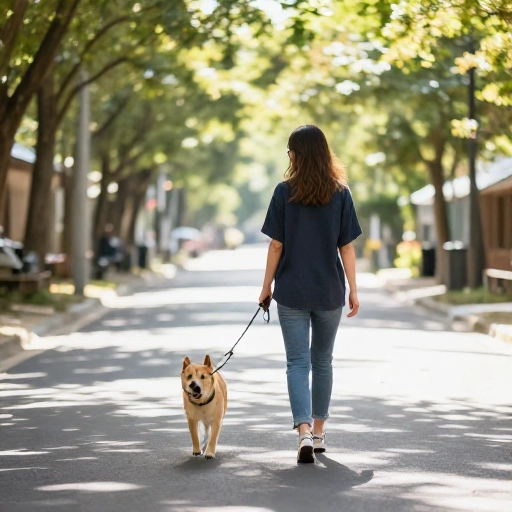
Stop the tug-of-war. Loose leash walking isn’t about heeling perfectly at your side; it’s about walking without tension on the leash. It’s a conversation between you and your dog.
When your dog pulls, stop walking. Don’t say anything. Just become a tree. The second the leash goes slack, treat and move forward. You are teaching them that pulling makes the fun stop, and slack makes the fun continue.
Use a high-value treat every few steps at first. Keep the sessions short and positive. You are trying to change their emotional reaction to the leash, not force them into a rigid position.
Nightly Review: The Five-Minute Recall Drill
Recall (coming when called) is the most important safety command. It’s also one of the easiest to ruin by calling your dog only when it’s time to go home. You want your dog to think coming to you is the best game ever.
Play a game of hide-and-seek in the house. Call your dog, and when they find you, throw a huge party. This makes recall a fun hunt, not a chore. Do this for just a few minutes before bed.
Never call your dog to you to punish them. If you do, they will stop coming. Always make your recall cue the promise of something amazing, whether it’s a treat, a toy, or just your undivided attention.
Conclusion: Consistency Beats Intensity Every Time
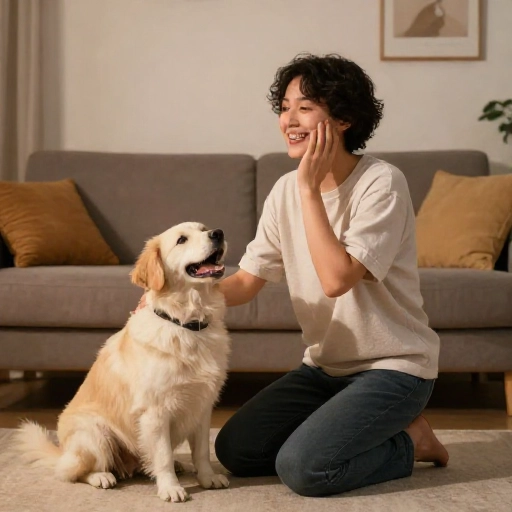
You don’t need a perfect hour-long training block to have a well-mannered dog. You need a consistent schedule that weaves training into the fabric of your day. Five minutes here and there, done with intention, will always trump a sporadic hour of drilling.
Celebrate the small wins. If your dog held a stay for five seconds longer today, that’s progress. If they looked at you when the doorbell rang, that’s a victory. Keep your sessions positive, keep them short, and keep showing up.
Frequently Asked Questions
How long should a dog training session be?
For most adult dogs, 5 to 10 minutes is perfect. Puppies have even shorter attention spans, so aim for 2 to 3 minutes at a time. Short and frequent always beats long and exhausting.
What is the best time of day to train a dog?
Training when your dog is energetic but not overly excited is best. Mornings are usually great because they are rested. Right after exercise is also good, as they are tired enough to focus but still eager to work.
How many commands should I teach at once?
Stick to one new command at a time. Mix in known commands to keep the session fun, but introduce only one new concept. This prevents confusion and helps your dog learn faster.
What if my dog gets bored with the training schedule?
Shake it up! Change the location, use higher-value treats, or switch to a toy reward. If your dog seems disengaged, end the session early and do something fun like playing tug or going for a sniff walk.
Should I use a clicker for command training?
You can, but it’s not required. A clicker is a great tool for marking the exact moment of success. However, using a consistent marker word like “yes” works just as well if you are consistent with your timing.