10 Best Training Collars for Your Dog: Find the Perfect Fit for Your Pup (2025 Guide)
Picking the right training collar can feel overwhelming. I get it—there are so many options these days, from simple martingales to high-tech GPS trackers. But here’s the thing: the perfect collar isn’t about the most expensive or the most popular one. It’s about what clicks with your dog’s unique personality, size, and specific training needs.
I’ve spent years working with dogs of all breeds, from stubborn huskies to sensitive little terriers. Through trial and error (and some chewed-up leashes!), I’ve learned that the right tool can completely change the game. It’s not about control—it’s about clear communication. Let’s break down the best training collars out there so you can make the smartest, kindest choice for your furry best friend.
1. The Classic Flat Collar: Best for Everyday Basics
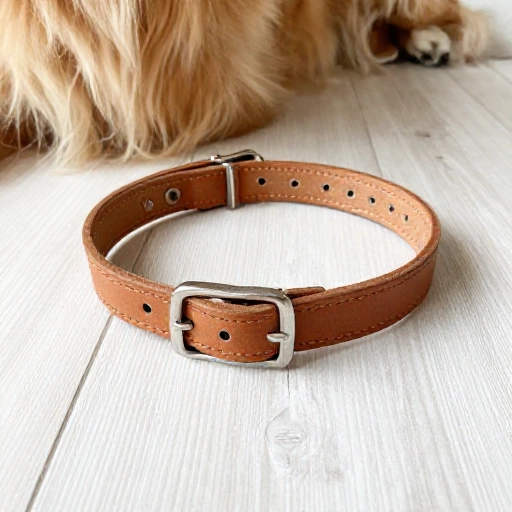
Let’s start with the simplest tool in the box. A well-fitted flat collar is perfect for puppies and adult dogs who are already polite on the leash. It’s the best place to start because it’s comfortable for all-day wear and holds your dog’s ID tags safely.
This isn’t really a “training” tool in the strictest sense, but it’s the foundation. I always recommend starting here. If your dog pulls, you’ll need to move up, but for a relaxed walk, nothing beats a sturdy nylon or leather flat collar. It’s safe, comfortable, and does the job without fuss.
Remember, you want a collar that’s snug but not tight—you should be able to slide two fingers easily between the collar and your dog’s neck. This is the gold standard for comfort, and it’s what I use for my own pup when we’re just hanging out in the yard.
2. The Martingale Collar: The Escape Artist’s Best Friend
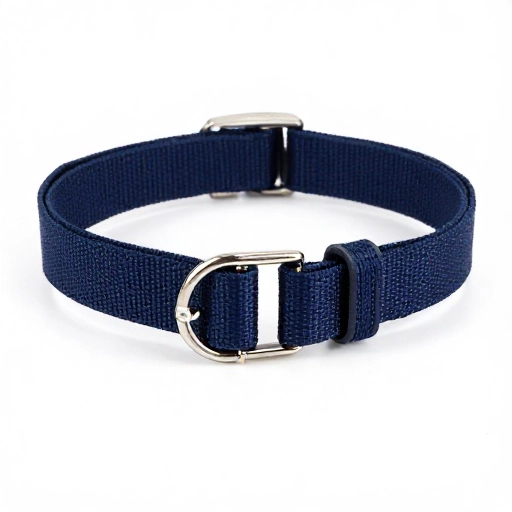
Does your dog back out of their flat collar the second they see a squirrel? If so, the martingale is your hero. These collars are designed with a limited-slip loop that tightens just a little when your dog pulls, preventing them from slipping out without choking them.
I love martingales for breeds with narrow heads like Greyhounds, Whippets, and even dogs with thick necks like Huskies. The gentle, even pressure is a much better alternative to a choke chain. It’s a brilliant middle ground between a flat collar and a head halter.
Think of the martingale as a safety net. It gives you peace of mind during walks, and it actually teaches your dog that pulling doesn’t lead anywhere. The pressure is subtle but noticeable, which makes your dog more likely to check in with you.
3. The Front-Clip Harness: A Game Changer for Pullers
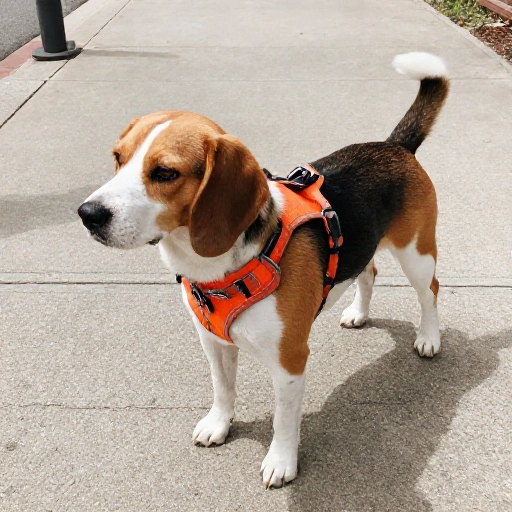
If your dog is a chronic puller, you might be tempted to give up on walks altogether. Don’t! A front-clip harness is the tool that saved my sanity. The leash attaches at the dog’s chest, so when they pull, the harness gently turns them back toward you. It’s physically impossible for them to pull you down the street with full force.
This is a brilliant solution for powerful breeds like Labradors or energetic pit bulls. It doesn’t hurt your dog at all; it just redirects their momentum. It’s like steering a shopping cart—when you push it from the front, it turns, but when you pull it from behind, it goes straight.
I recommend a front-clip harness for any dog that needs to learn leash manners. It’s the most humane way to stop pulling, and it prevents damage to their trachea. Plus, it distributes pressure across their chest and shoulders, making walks much more comfortable for them.
4. The Head Halter: Gentle Control for Strong Dogs
Imagine a gentle halter that guides a horse—that’s exactly what a head halter does for your dog. It fits around their snout and behind their ears. When they pull, the halter turns their head toward you, which instantly stops the forward momentum. It’s not a muzzle, so your dog can still pant, drink, and even take treats.
This is my absolute go-to for highly reactive or super strong dogs. It gives you a surprising amount of control without any pain or pressure on the neck. It takes a little getting used to, but once your dog accepts it, walks become much more enjoyable.
The key with a head halter is acclimation. Don’t just strap it on and go. Let your dog sniff it, reward them for wearing it around the house, and then graduate to short walks. It’s a training tool, not a magic fix, but it can be a lifesaver for big, excited dogs.
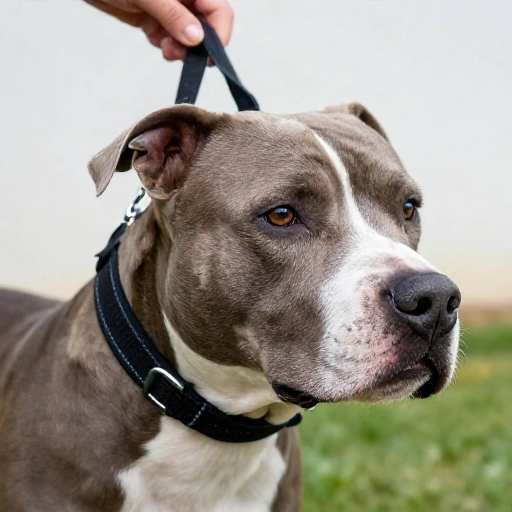
5. The Slip Lead: The Professional’s Choice
You see these in every dog trainer’s hands. A slip lead is a simple loop of rope that goes over the dog’s head and tightens when pulled. It’s the ultimate tool for training in controlled environments because it’s lightweight and gives instant feedback.
I use slip leads mostly for training sessions, not for casual walks. They are amazing for teaching “heel” or “sit” because the correction is immediate and subtle. You can feel every slight shift in your dog’s weight, which allows for better communication.
However, this is not a collar for a novice. If used incorrectly, it can harm your dog’s neck. I only recommend a slip lead if you are working with a professional trainer or have done your homework on proper usage. It’s a precision tool, not an everyday walker.

6. The Vibrating E-Collar: Modern Tech Without the Shock
Many people get nervous at the mention of e-collars, but the modern ones are changing the game. Instead of relying on static shock, many new models use a gentle vibration to get your dog’s attention. It’s like a silent “hey, look at me” tap on the shoulder.
I find vibration collars incredibly effective for deaf dogs or dogs that get so focused on a scent they ignore everything else. The vibration is a neutral signal that breaks their focus, allowing you to redirect them. It’s a fantastic way to communicate across a distance during off-leash training.
This is a gentle tool that relies on positive reinforcement. You pair the vibration with a treat or a command, and your dog learns that the buzz means “come back to me.” It’s a high-tech way to bridge the communication gap, and it’s a far cry from the harsh collars of the past.
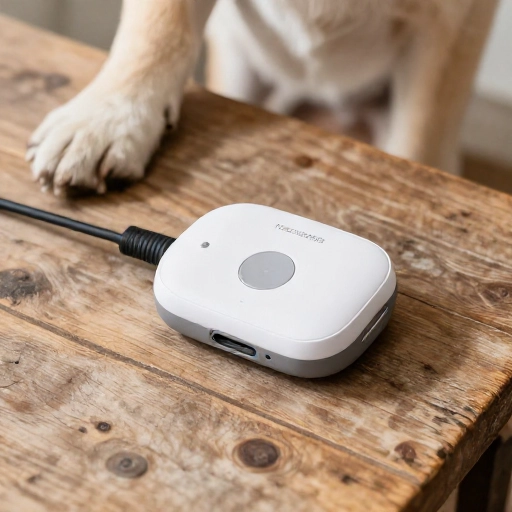
7. The Prong Collar: A Controversial, Yet Sometimes Necessary Tool
Let’s address the elephant in the room—the prong collar. It looks scary, but when fitted and used correctly, it mimics the natural correction a mother dog gives her pups. The prongs apply even pressure around the neck, which is gentler on the trachea than a flat collar or a choke chain.
I have to be honest here: this is a tool for specific, difficult cases. I only recommend it for large, stubborn breeds that are pulling so hard they are a danger to themselves and others. It should never be used for aggressive behavior, and it should always be introduced by a professional.
If you are using a prong collar, it must fit snugly—right behind the ears. A loose prong collar is a disaster waiting to happen. If you feel uncomfortable using it, trust that instinct. There are often kinder alternatives, but for some hard-headed dogs, this is the only thing that gets through.
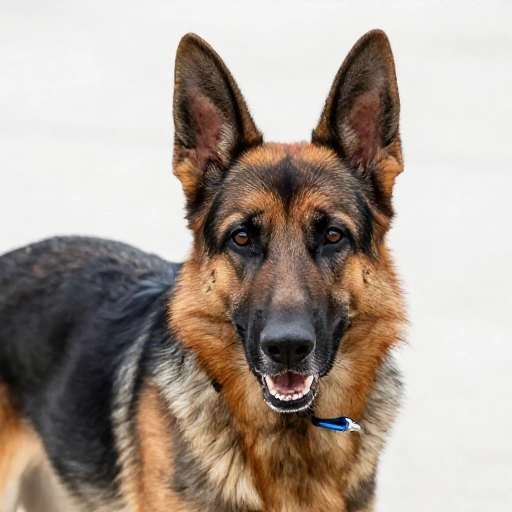
8. The No-Pull Harness: A Comfortable All-Rounder
The no-pull harness is like the front-clip harness but with a twist. It usually has a martingale-style loop around the chest that tightens gently when your dog pulls. It’s designed to wrap around the dog’s body, not the neck, which is super safe and comfortable.
This is a great choice for breeds prone to breathing issues, like pugs or French bulldogs. It distributes the pressure across the chest and back, preventing any strain on their sensitive necks. It’s also fantastic for puppies who are just learning to walk on a leash.
Why do I like these? They are foolproof. There is no wrong way to put them on, and they are incredibly effective at stopping pulling. They give you control without much effort, making walks with your dog a breeze, even if you’re a smaller person with a big dog.
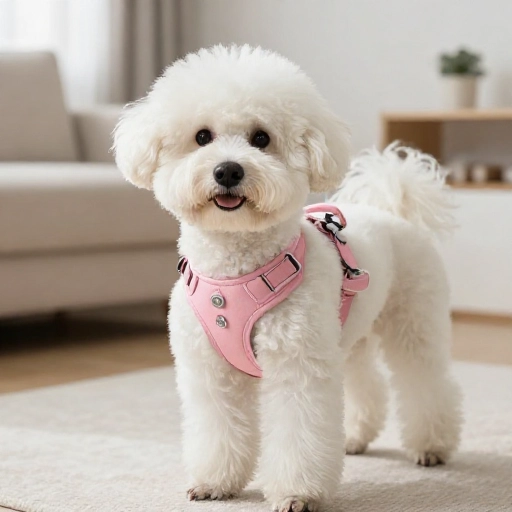
9. The GPS Tracking Collar: Freedom with Peace of Mind
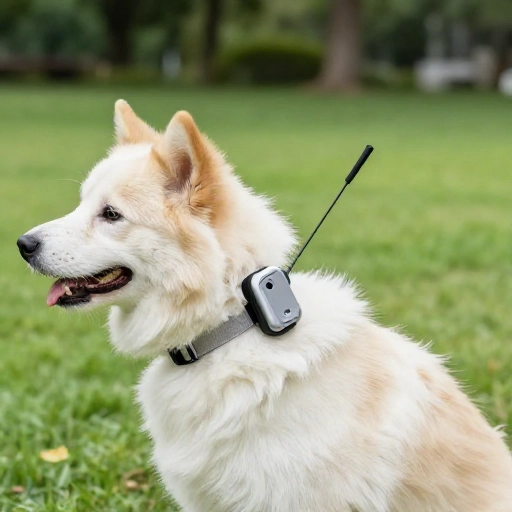
Do you have a Houdini on your hands? A GPS tracking collar is the ultimate peace-of-mind tool. It doesn’t train your dog, but it ensures you can always find them. If you have a fenced yard or love hiking, this is a non-negotiable safety device for me.
These collars come with a monthly subscription, but they are worth their weight in gold. You can set up “safe zones” and get alerts the second your dog leaves the property. The live tracking is perfect for those dogs who love to chase a deer into the woods.
While it’s not a training collar per se, it gives you the freedom to use off-leash training techniques without the fear of losing your dog. It’s the best investment for an adventurous dog owner who wants to give their pup maximum freedom while keeping them safe.
10. The Bark Collar: A Tool for Excessive Barking
Let’s be clear: I don’t recommend bark collars for dogs that bark out of anxiety or boredom. But for a dog that barks compulsively, a vibration or spray bark collar can be a helpful tool. These collars detect the vibration in the vocal cords and release a spray of citronella or a vibration as a distraction.
I prefer the citronella spray collars because they are harmless and the smell is a gentle deterrent. The dog learns that barking leads to a “pffft” sound and a scent, which breaks the cycle of barking. It’s a tool to help you, the owner, manage the behavior while you work on the root cause.
Before you use a bark collar, please consult a veterinarian to rule out medical issues. But if you have a dog that barks at the mailman all day, this can give you and your neighbors some sanity. It’s a temporary solution that can help break a bad habit.
Time to Make Your Choice
Choosing the right training collar is a journey, not a destination. You might find that your puppy starts with a flat collar, moves to a front-clip harness during their “wild teen” phase, and then returns to a flat collar once they mature. That’s completely normal.
The best collar is the one that fits well, feels comfortable, and helps you communicate effectively with your dog. Always prioritize positive reinforcement alongside your training tool. Your dog isn’t trying to be naughty; they are just trying to understand what you want. The right collar makes that conversation much easier for both of you.
Frequently Asked Questions
1. What is the safest training collar for a puppy?
A well-fitted flat collar or a front-clip harness is the safest for puppies. Their necks and tracheas are still developing, so you want to avoid any pressure on their throat. A harness is great for teaching leash manners without risking injury.
2. Are e-collars cruel?
Modern e-collars with vibration and sound settings are not cruel when used correctly. They are communication tools, not punishment devices. The key is to introduce them slowly and pair them with positive reinforcement. Always avoid collars with high static levels unless directed by a professional.
3. How do I know my dog’s collar is too tight?
You should be able to fit two fingers snugly between the collar and your dog’s neck. If you can’t, it’s too tight. If you can fit more than two fingers, it’s too loose and could slip off or cause chafing. Check the fit regularly, especially for growing puppies.
4. Can my dog wear a collar all day?
I recommend taking the collar off at night and during crate time. This gives your dog’s fur and skin a chance to breathe and prevents any pressure sores. It’s also safer for them to wear a breakaway collar if they are left alone in a crate.
5. What is the best collar for a dog that pulls on walks?
Hands down, a front-clip harness is the best solution for pulling. It physically redirects your dog’s body back toward you when they pull, making it impossible for them to drag you. It’s humane, effective, and easy to use.