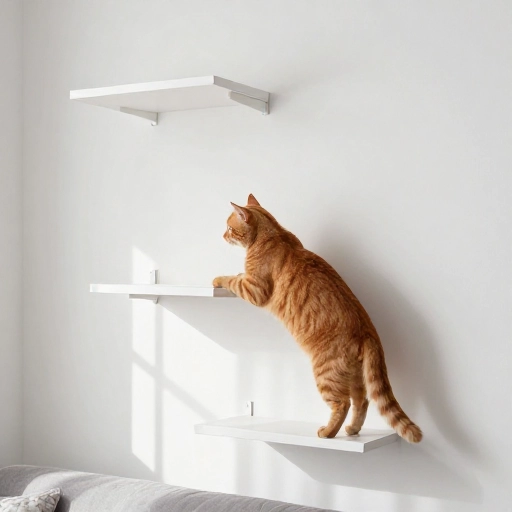
Are Cats Ticklish? Discover the Truth About Feline Sensitivity
Are Cats Ticklish? Discover the Truth About Feline Sensitivity
Have you ever gently scratched your cat’s belly or under their chin, only to see them twitch, kick, or make a funny face? The first time I noticed my cat, Luna, do that, I couldn’t help but laugh—and then I wondered, are cats ticklish? It turns out, the answer is both adorable and fascinating. Cats may not be ticklish in the same way humans are, but they definitely have sensitive spots that can cause them to react in cute, quirky ways.
Understanding your cat’s ticklishness isn’t just fun—it helps you connect with them better and learn what touches they love (and which ones to avoid). Let’s dive into what science and experience tell us about ticklish cats.
Do Cats Actually Feel Ticklish?
In humans, ticklishness usually triggers laughter or squirming, but in cats, it’s a bit different. While cats don’t laugh, they do respond physically when something tickles or stimulates their nerves. The feeling can range from pleasant to irritating depending on where and how they’re touched.
So, yes—cats can experience sensations that are similar to being ticklish. It’s part of their sensory system, which is highly developed to detect even the lightest touch or vibration. Their whiskers, fur, and skin are covered with sensitive nerve endings, allowing them to feel the world around them in ways we can hardly imagine.
Where Are Cats Most Ticklish?
Every cat is unique, but there are a few common spots where cats tend to be more sensitive:
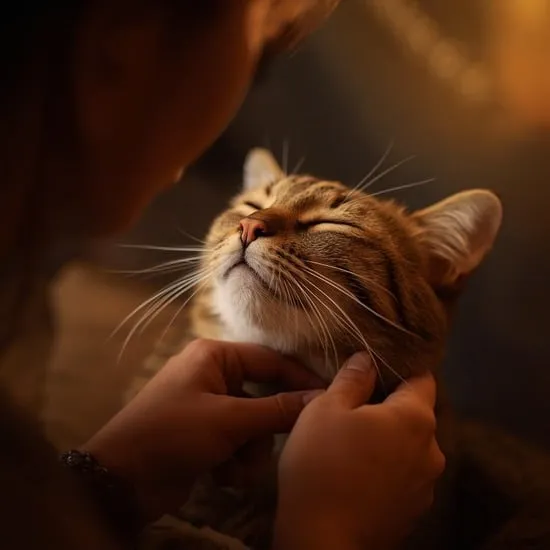
- Under the chin: Most cats love gentle scratches here—it’s one of their safe, comforting spots.
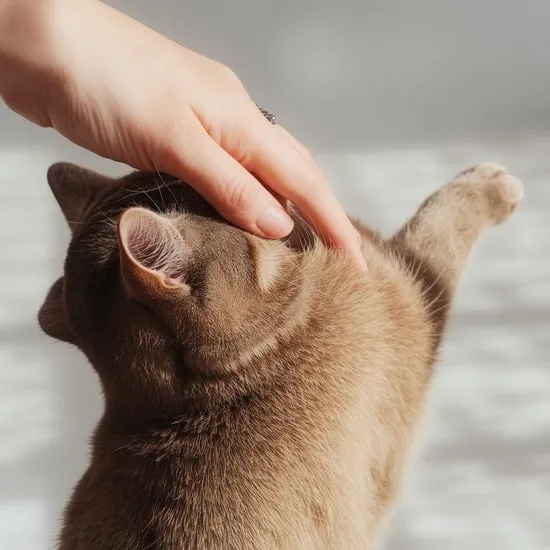
- Behind the ears: This area is filled with nerve endings and often makes cats tilt their head in pleasure.
- Along the back or near the tail: Some cats enjoy light strokes here, but others might get overstimulated.
- Belly and paws: These are high-sensitivity zones—ticklish for some, but off-limits for most cats.
Luna, for instance, loves chin scratches but draws the line at belly rubs. The moment I touch her tummy, she gives me that classic cat look—half judgment, half warning. It’s a gentle reminder that tickling a cat isn’t always welcome!
Why Cats React Differently to Touch
Cats’ reactions to ticklish sensations depend on their mood, trust, and individual comfort level. When your cat trusts you, they’ll allow more physical contact and might even seek it out. But if they’re anxious, overstimulated, or simply not in the mood, the same touch can make them twitch or pull away.
Another reason for their sensitivity is evolution. In the wild, cats rely on touch to sense danger, hunt prey, and navigate their surroundings. Their whiskers, in particular, are incredibly sensitive—they can detect air movement and help measure spaces. This heightened tactile awareness makes cats more reactive to touch than many other animals.
Ticklish vs. Overstimulated: Knowing the Difference
Sometimes what seems like ticklish behavior is actually overstimulation. When cats receive too much petting—especially on sensitive areas like their back or belly—they may suddenly swat, bite gently, or run away. This doesn’t mean they don’t like you; it just means they’ve had enough sensory input.
Signs your cat might be overstimulated include:
- Their tail starts flicking or thumping.
- Their ears flatten slightly.
- They tense up or twitch their skin.
- They move away or give a warning look.
If you notice these cues, give them a little space. Respecting their boundaries will help build trust and make future cuddles more enjoyable for both of you.
How to Gently “Tickle” Your Cat
If your cat enjoys light touches, here’s how to make it a positive experience:
- Start with gentle strokes on the head or under the chin.
- Watch their body language carefully—slow blinks or purrs mean they’re relaxed.
- Avoid their belly or paws unless they clearly invite it.
- Keep sessions short to prevent overstimulation.
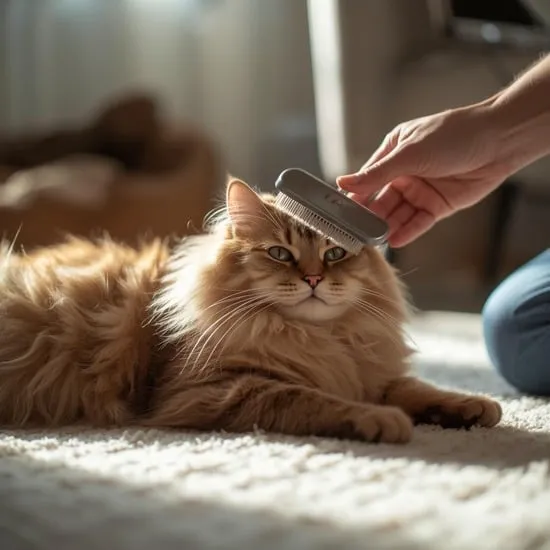
Some cats even enjoy gentle brushing sessions, which can mimic a light tickle while helping remove loose fur. For Luna, our nightly brushing routine has become a little bonding ritual—it’s her version of relaxation time.
Do Cats Enjoy Being Tickled?
The short answer: sometimes! When done right, gentle touch can be soothing and even strengthen your bond. But cats don’t “laugh” or respond with joy the same way humans do. Instead, they show contentment through purring, kneading, or leaning into your hand. Every cat has their own preferences, and learning them is part of the fun of being a cat parent.
Final Thoughts: The Joy of Understanding Your Cat
So, are cats ticklish? Yes—but not quite like we are. Their sensitivity is part of what makes them such fascinating, complex creatures. It’s a reflection of their instincts, emotions, and deep connection with us. The next time your cat twitches when you touch their chin or back, smile and take it as a sign of their incredible awareness and trust.
At the end of the day, it’s not just about whether cats are ticklish—it’s about understanding the little things that make them unique. Because every soft purr, every playful kick, and every gentle reaction is your cat’s way of saying, “I feel safe with you.”