Labrador Retriever Good vs Bad Habits: What Every Owner Should Know

Labradors are the golden children of the dog world—loyal, goofy, and full of heart. But anyone who’s lived with one knows they come with their own set of quirks. Some habits are endearing, others are downright frustrating, and a few can even be dangerous.
I’ve spent years around Labs, from my own couch potato rescue to friends’ high-energy hunting dogs. The truth is, every Labrador has a mix of good and bad habits. The key is knowing which ones to encourage and which to gently correct.
In this post, I’ll walk you through 10 common Labrador habits, breaking down which are good, which are bad, and how to handle them. Whether you’re a new owner or a seasoned Lab lover, this guide will help you build a happier, healthier bond with your dog.
1. The “Goofy Greeter” (Good Habit)
One of the best things about Labradors is their joyful greeting. When you walk through the door, your Lab will likely wag not just their tail but their entire back end. This is pure, unfiltered happiness.
This habit is a blessing. It means your dog is secure, social, and genuinely excited to see you. It also makes them wonderful family dogs—kids love the enthusiastic welcome.
To keep this a positive habit, just set boundaries. Teach them to sit before greeting so they don’t knock over toddlers or elderly guests. A little structure keeps the joy without the chaos.

2. Counter Surfing (Bad Habit)
Labradors are born food detectives. Their noses work overtime, and kitchen counters are their treasure maps. Counter surfing—snatching food off counters or tables—is one of the most common bad habits.
This isn’t just annoying; it can be dangerous. Labs have eaten whole sticks of butter, chocolate, or even toxic foods. The problem is they learn fast: if they find food once, they’ll keep checking.
- Keep counters completely clean.
- Use baby gates or training mats to block access.
- Teach a firm “leave it” command.
Consistency is everything. Never reward the behavior with attention or food scraps. It takes patience, but most Labs can unlearn this one.

3. The “Velcro Dog” (Good Habit with a Twist)
Labradors are famously loyal. They want to be near you constantly—following you from room to room, lying at your feet while you work, or resting their chin on your knee. This close bond is a good habit for most owners.
But it can become a problem if your Lab develops separation anxiety. A Velcro dog that panics when left alone is not a happy dog. The good habit turns into a bad one when it becomes clingy.
To keep this healthy, practice short alone time sessions early. Crate training helps. Make leaving and returning low-key. Your Lab will still be your shadow, but they’ll also feel confident on their own.

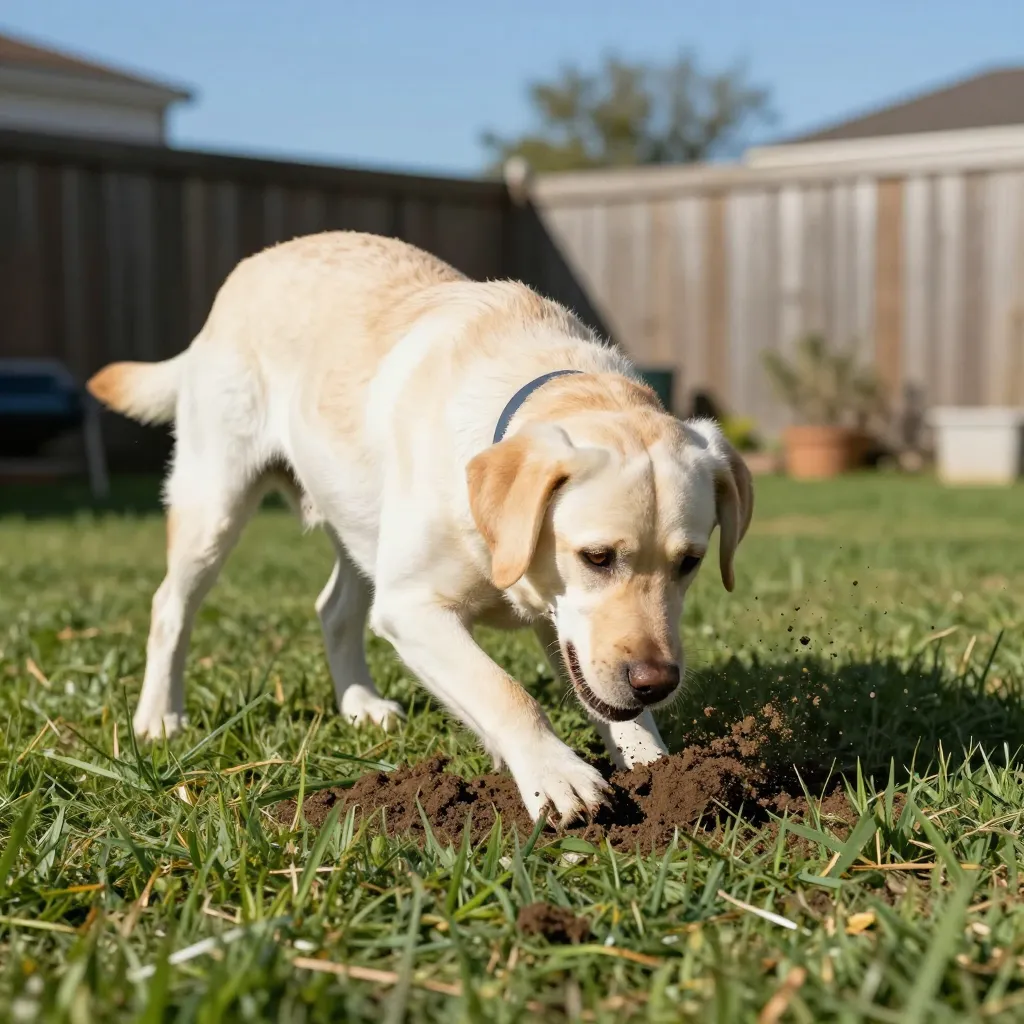
4. Digging in the Yard (Bad Habit)
If you have a garden, you’ve probably seen your Lab turn a flower bed into a crater. Digging is a natural behavior for Labradors—they were bred to retrieve in water and mud, and they love the feel of dirt.
But it’s destructive. Labs dig to cool off, bury treasures, or just because they’re bored. It can ruin your yard and even lead to escape attempts if they dig under fences.
- Provide a designated digging spot, like a sandbox.
- Increase exercise and mental stimulation.
- Supervise outdoor time and redirect them when they start.
Never punish digging after the fact—they won’t connect it. Instead, make digging less rewarding and more tiring.
5. Gentle Mouthing (Good Habit)
Labradors have soft mouths—it’s a breed trait. They can carry an egg without breaking it. This gentle mouthing means they’re less likely to bite hard when playing or taking treats.
This is a fantastic habit. It makes them safer around kids and other pets. A Lab that knows how to take treats gently is a joy to train and handle.
Encourage this by rewarding soft mouths. If your Lab gets too rough, stop play immediately. They learn quickly that gentle gets them what they want.

6. Jumping on People (Bad Habit)
Labradors are big, bouncy, and full of love. But jumping up to greet people is a bad habit that can hurt children and elderly visitors. It’s not aggression—it’s excitement, but it’s still not okay.
The problem is that Labs often get rewarded for jumping. People pet them, talk to them, or push them off, which is all attention. Your Lab thinks jumping works.
- Teach a solid “sit” for greetings.
- Ignore jumping completely—turn away, don’t speak.
- Have guests reward only calm behavior.
This takes consistency from everyone in your household. But in a few weeks, you’ll have a polite pup.

7. Swimming Obsession (Good Habit)
Labradors are water dogs through and through. Their love for swimming is a great habit—it’s excellent exercise, low-impact on joints, and mentally stimulating. A tired Lab is a well-behaved Lab.
This habit also makes them great companions for beach trips, lake days, or even just backyard kiddie pools. Watching your Lab paddle joyfully is pure happiness.
Just keep safety in mind. Use a life jacket for deep water, rinse off after swimming, and watch for signs of fatigue. Swimming is a gift, not a guarantee of safety.

8. Destructive Chewing (Bad Habit)
Labradors are powerful chewers. They can destroy a toy in minutes, and they’ll eat shoes, furniture, and walls if bored. This is a bad habit that can be costly and dangerous.
The root cause is usually boredom, teething, or anxiety. Labs need to use their jaws—it’s how they explore the world. But they need appropriate outlets.
- Provide durable chew toys (Kongs, Nylabones).
- Rotate toys to keep them interesting.
- Increase daily exercise and mental games.
If your Lab is chewing destructively, don’t just scold them—give them a better option. And never leave them unsupervised with things you value.

9. The “Lean On You” (Good Habit)
Have you ever had your Lab lean their full weight against your leg? This is a classic Labrador gesture of trust and affection. It’s a good habit—a sign your dog feels safe with you.
This gentle lean is calming for both of you. It’s a silent way of saying “I’m here, you’re here, we’re okay.” Many owners find it deeply comforting.
There’s no need to correct this. Just enjoy the connection. If your Lab leans too hard, you can gently encourage them to sit instead. But honestly, this is one habit I’d never change.

10. Excessive Barking (Bad Habit)
Labradors aren’t typically yappy dogs, but they can develop a bad habit of barking too much. It might be at the doorbell, other dogs, or just out of boredom. Excessive barking can strain relationships with neighbors.
The key is figuring out the trigger. Is it excitement, fear, or boredom? A Lab that barks at every sound might need more desensitization training or more mental exercise.
- Teach a “quiet” command using positive reinforcement.
- Manage triggers (close curtains, use white noise).
- Ensure your Lab gets enough daily activity.
Barking is communication, so don’t try to stop all barking. Just reduce the excessive, unnecessary noise. A calm Lab is a happy Lab.

Conclusion
Labrador retrievers are wonderful, but they’re not perfect. Every good habit comes with a potential bad habit waiting to happen. The key is understanding your dog’s needs and being consistent in your training.
Most bad habits can be managed with patience, exercise, and clear boundaries. And the good habits? Those are the reasons we love them so much. Whether it’s a goofy greeting or a gentle lean, your Lab is trying to be the best dog they can be.
Remember, no dog is born with perfect manners. But with time and love, you can shape your Labrador into a companion who brings joy every single day.
FAQ: Labrador Retriever Habits
Q1: Why does my Labrador eat everything?
Labradors are known for their strong food drive. They’ll eat rocks, socks, and even plastic because they’re curious and their breed was historically fed a lot. Always supervise them, and provide safe chew toys.
Q2: How do I stop my Lab from jumping on guests?
Teach them to sit before any greeting. Ignore jumping completely—turn your back and don’t speak. Have all guests do the same. Reward only calm, four-on-the-floor behavior.
Q3: Is it normal for my Lab to be so clingy?
Yes, Labradors are very people-oriented. A little clinginess is normal. But if your Lab panics when you leave, that’s separation anxiety. Practice short alone times and crate training to build confidence.
Q4: My Lab digs holes in the yard. What should I do?
Provide a designated digging spot like a sandbox. Increase exercise and mental stimulation. Supervise outdoor time and redirect them to their pit. Never punish after the fact.
Q5: How much exercise does a Labrador need daily?
At least one hour of vigorous exercise per day, plus mental games. A tired Lab is a well-behaved Lab. Swimming, fetch, and puzzle toys are great options.