Is a Cane Corso a Good Family Dog? What I’ve Learned

When I first saw a Cane Corso, I was struck by how powerful and majestic they look. But I also wondered—could this big, serious breed really fit into a family home? I’ve spent time with these dogs, talked to owners, and dug into their daily reality. The answer isn’t a simple yes or no, but it’s a story worth sharing.
If you’re thinking about a Cane Corso for your family, you already know they’re not your average pet. They’re ancient guardians with a deep loyalty. But do they love kids? Are they gentle? Can they handle a busy house? Let me walk you through what I’ve discovered, so you can decide if this breed belongs in your life.
I’ll be honest from the start: a Cane Corso can be the most devoted family member you’ll ever know, but they come with serious responsibility. Here’s the real picture.
Their Loyalty Runs Deep
Cane Corsos are famously loyal to their people. Once they bond with your family, they’ll protect you with everything they have. I’ve seen a Corso calmly lean against a toddler, watching the room like a gentle shadow. That devotion is pure gold.
But this loyalty means they choose their person carefully. They’re not the type to love everyone instantly. With your family, though, they form a bond that feels unbreakable.
You’ll notice they follow you from room to room. They want to be part of your daily rhythm. That’s the heart of a Cane Corso family dog.
For a family that values closeness and protection, this trait is a huge plus. Just remember, they need to feel included.

They’re Naturally Protective—But That Takes Training
A Cane Corso’s guarding instinct is strong. They were bred to protect property and people. In a family setting, this means they’ll alert you to strangers and keep an eye on the kids. I’ve seen them stand between a child and a delivery person, not aggressive, just watchful.
Without proper training, that protectiveness can become a problem. They might bark too much or become wary of guests. You need to teach them what’s normal and what’s a real threat.
Socialization from puppyhood is key. Take them to parks, invite friends over, let them meet calm dogs. That way, they learn to be protective but not reactive.
If you put in the work, their guarding nature becomes a comforting presence, not a hassle.

Size Matters—A Lot
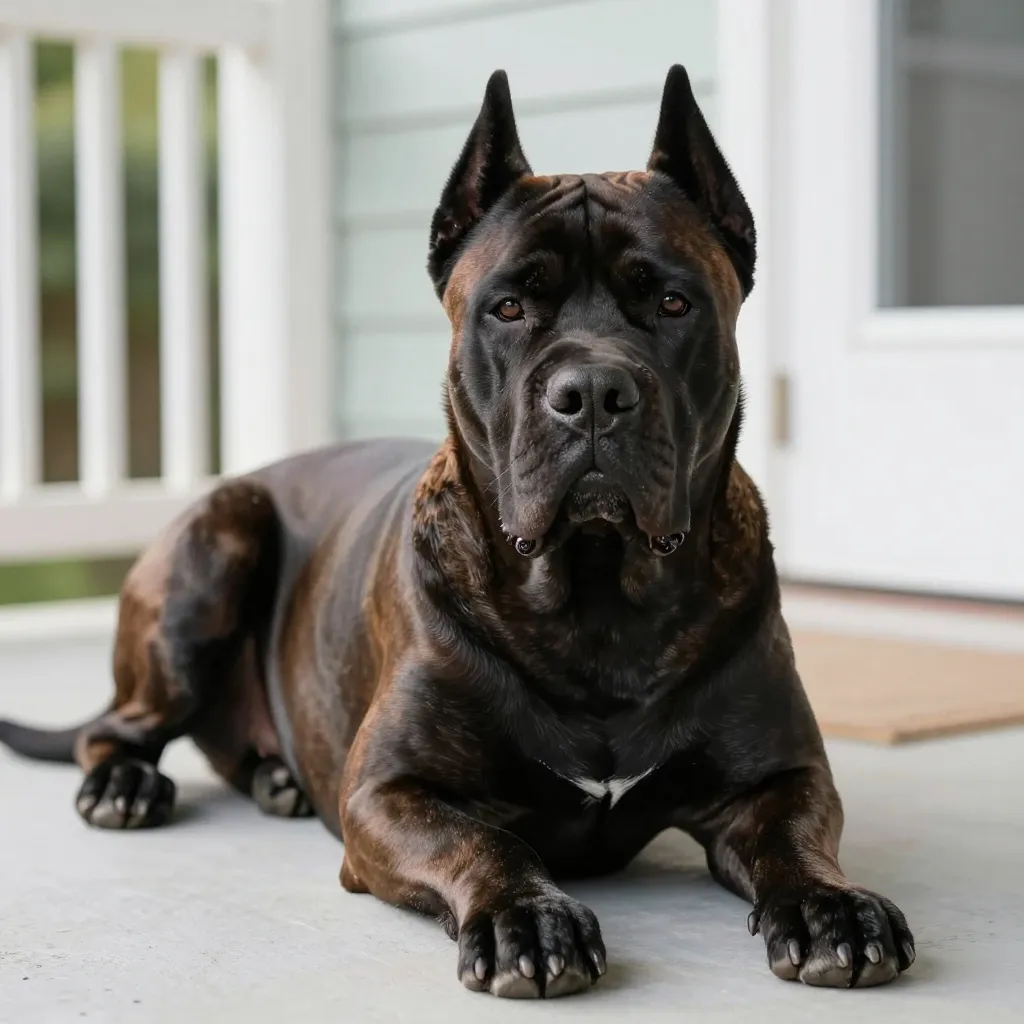
Let’s talk about the elephant in the room: these dogs are huge. A male Cane Corso can weigh over 100 pounds. I’ve had one lean against my leg, and it felt like a warm boulder. In a family home, that size affects everything.
They need space to move. A small apartment can feel cramped. A house with a yard is much better. And everything—beds, bowls, toys—has to be oversized.
With kids, size can be tricky. A playful Corso might accidentally knock over a toddler. You’ll need to supervise interactions, especially with young children.
But if you have room and can handle the physical presence, their size also makes them amazing snugglers. Just be ready for a big dog that takes up the whole couch.

Gentle Giants? It Depends on Training
I’ve seen Cane Corsos be incredibly gentle with babies. They’ll lower their heads and move slowly. That soft side is real. But it’s not automatic—it comes from careful training and a calm owner.
They’re sensitive to your mood. If you’re stressed, they pick up on it. They need a leader who is firm but kind. Harsh methods can make them nervous or defensive.
Positive reinforcement works wonders. Treats, praise, and consistency build trust. I’ve watched a Corso learn to take treats gently from a child’s hand after just a few sessions.
When trained right, they can be patient and loving. But never assume any big dog is naturally safe around kids without guidance.

Energy Levels: Moderate but Demanding
Cane Corsos aren’t hyper like some breeds. They have a moderate energy level. A good daily walk and some playtime often satisfy them. I’ve seen them lounge around happily for hours.
But they do need mental stimulation. Boredom leads to chewing or digging. Puzzle toys, training games, and short hikes keep them balanced.
They can adapt to your family’s pace. If you’re active, they’ll join you. If you prefer quiet evenings, they’ll curl up. Just don’t leave them alone all day without exercise.
For families with a routine, their energy is manageable. They won’t demand constant action, but they do need your time.

They’re Great Watchdogs, but Not Yappers
One thing I love about Cane Corsos is they don’t bark without reason. They’re not noisy dogs. When they do bark, you know something’s up. That makes them excellent watchdogs for a family.
They’ll alert you to visitors or unusual sounds. But they’re not the type to bark at every squirrel. Their calm demeanor adds to their protective presence.
Still, you need to teach them when barking is okay. Otherwise, they might guard the house too intensely. Early training helps them understand family routines.
For families who want security without constant noise, this breed fits perfectly.
Kid Compatibility: Honest Truths
I’ve seen Cane Corsos thrive in homes with older kids. They’re patient and playful. But with toddlers, you have to be careful. Their size alone can be overwhelming.
Kids need to learn how to behave around a big dog. No pulling ears, no sudden movements. And the dog needs to learn to respect the child’s space. It’s a two-way street.
Many owners say their Corso is wonderful with their children. They’ll let kids climb on them (with supervision) and join in games. But every dog is an individual. Some are more tolerant than others.
If you have kids, start training early. Set boundaries for both the dog and the children. With effort, they can be best friends.

Grooming Is Surprisingly Easy
For a big dog, Cane Corsos have low-maintenance coats. They shed moderately, but a quick brush once a week keeps it under control. I’ve spent less time grooming them than many smaller breeds.
They don’t need frequent baths. A wipe-down after muddy walks is usually enough. Their short coat is practical for busy families.
But do check their ears and nails regularly. Big dogs can develop issues if neglected. It’s a simple routine that takes minutes.
For families who don’t want a high-grooming pet, this is a big plus. More time for play, less time for brushing.

Health and Lifespan Considerations
Cane Corsos are generally healthy, but they have some common issues. Hip dysplasia, bloat, and eye problems can occur. I’ve seen responsible owners manage these with regular vet visits and good diet.
Their lifespan is around 9 to 12 years. That’s shorter than smaller dogs, but you can maximize their quality of life with proper care. Exercise, weight management, and preventive health checks matter.
Bloat is a serious risk. Feed them smaller meals and avoid exercise right after eating. Learning the signs can save their life.
For families, health costs can add up. Insurance or a savings plan helps. But the time you get with them is filled with love.

Is This the Right Breed for Your Family?
After everything I’ve learned, I believe a Cane Corso can be a wonderful family dog—for the right family. They need a confident owner, consistent training, and a home that respects their size and nature.
If you have time to socialize them, space to move, and a calm but firm approach, they’ll reward you with unmatched loyalty. They’re not for beginners, but for experienced dog people, they’re incredible.
Think honestly about your lifestyle. Can you handle a big, protective dog? Do you have kids who can learn boundaries? If yes, a Cane Corso might be your perfect companion.
They’re not a casual choice. But for the family that commits, they become irreplaceable.

Conclusion
A Cane Corso isn’t a dog you bring home lightly. They demand your time, your patience, and your leadership. But if you give them that, they give back tenfold. I’ve seen them transform houses into homes, watching over children and curling up at your feet. They’re powerful, yes, but also deeply loving. For a family ready to put in the work, a Cane Corso isn’t just a good family dog—they’re a great one.
Frequently Asked Questions
Are Cane Corsos good with kids?
Yes, when properly trained and socialized. They can be gentle and protective, but always supervise interactions with young children.
Do Cane Corsos bark a lot?
No, they’re generally quiet. They bark only when they sense something unusual, making them excellent watchdogs.
How much exercise does a Cane Corso need?
They need moderate daily exercise—a walk and some playtime. They’re not hyper, but they do need mental stimulation to avoid boredom.
Are Cane Corsos hard to train?
They can be stubborn, so consistent, positive training is essential. They respond well to firm but gentle leadership. Early socialization is crucial.
What is the lifespan of a Cane Corso?
Typically 9 to 12 years. With good care, regular vet visits, and a healthy diet, they can live a full, happy life.