14 Build 7 Hidden Cat Shelters: Simple DIY Plans
Let’s be honest—cats are tiny escape artists with a love for cozy corners. Whether you have a feral kitty that visits your porch or an indoor cat that dreams of a secret nook, building a hidden shelter is one of the most rewarding projects you can tackle. It doesn’t require fancy tools or a big budget, just a weekend and a little creativity.
I’ve rounded up 14 clever DIY plans that hide in plain sight. From bookshelf hideaways to repurposed coolers, these shelters keep your feline friend warm, dry, and feeling like they’ve discovered a secret base. Grab your hot glue gun and let’s get building!
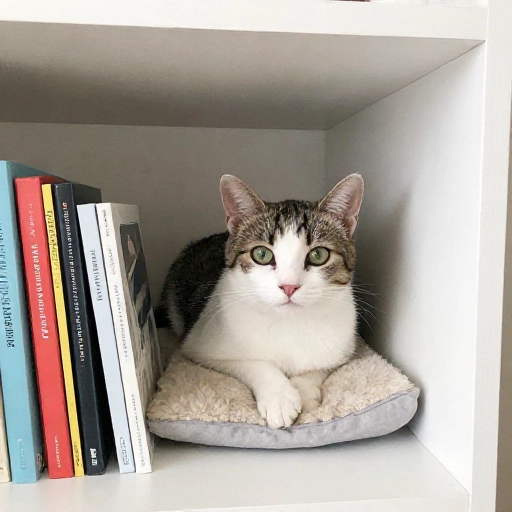
1. The Bookshelf Nook
Turn an old bookshelf into a secret cat cave. Remove a couple of lower shelves and add a soft cushion. Attach a fabric curtain to the front with Velcro so your cat can slip in and out unseen.
This one works beautifully in a living room or home office. It looks like storage from the outside, but your cat knows it’s their private suite.
Use heavy-duty brackets to keep the shelves above stable. Cats love to jump on top, so make sure everything is anchored to the wall.
Line the inside with a washable fleece blanket. You’ll thank yourself later when fur starts piling up.
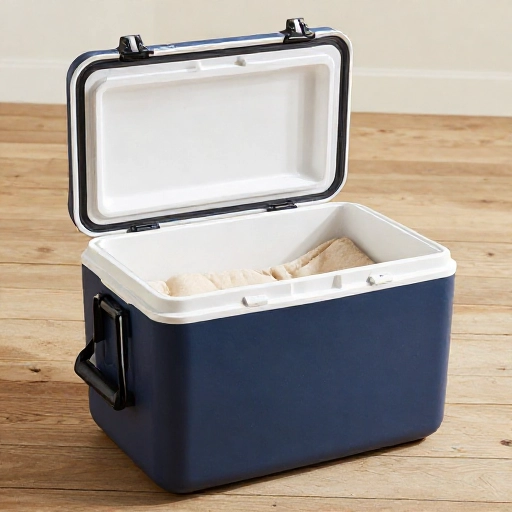
2. The Cooler Hideaway
An old styrofoam cooler is perfect for outdoor cats. Cut a 6-inch round hole in the side and stuff the inside with straw (not hay—hay gets damp). Place it under a deck or in a shed.
Styrofoam is amazing at trapping body heat. It’s basically a tiny insulated igloo for your furry friend.
To make it even more hidden, cover the outside with a dark trash bag or a piece of plywood. It blends right into the yard.
Drill a few tiny holes in the bottom for drainage, just in case water sneaks in.
3. The Planter Box Secret
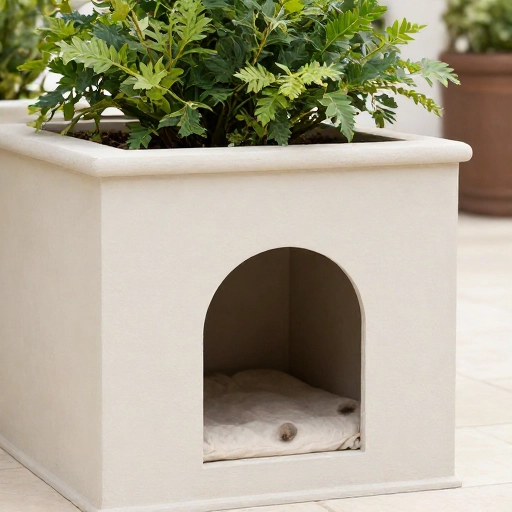
Take a large wooden planter box and flip it upside down. Cut a cat-sized entrance in the back—the side facing the wall. Now it looks like a decorative planter, but it’s really a shelter.
You can set a potted plant on top to sell the illusion. This is one of my favorite tricks for patios and balconies.
Add a small rubber mat inside to keep it dry. The hidden entrance protects from wind and rain.
This plan works great for community cats that need a quick escape route.
4. The Ottoman Hideout
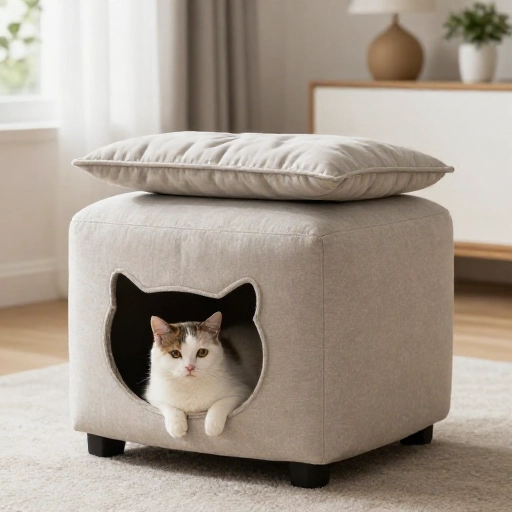
Buy a cheap storage ottoman and cut a round hole in the side. Flip the lid so it opens from the top—your cat can hop in and out through the side hole.
Put a plush pillow inside and maybe a dangling toy. The ottoman still works for your feet, and your cat gets a dark, cozy den.
Use a jigsaw for clean cuts, and sand the edges so they’re not sharp.
This is a genius way to hide a litter box in a tiny apartment. Just add a charcoal filter to the top vent.
5. The Under-Deck Bunker
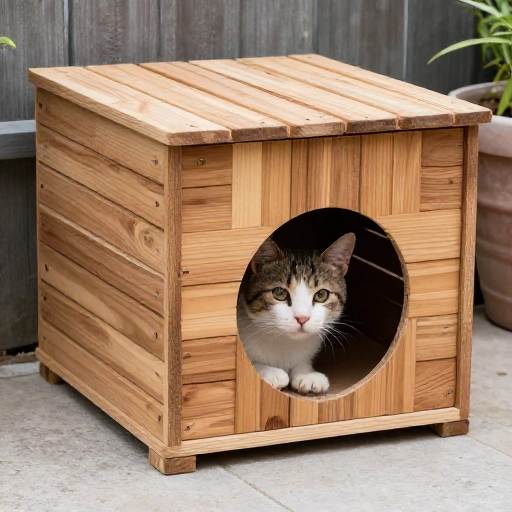
Most decks have a gap underneath that’s perfect for a shelter. Build a simple wooden box with a small opening and slide it into that space. Use foam board insulation on the inside for warmth.
The deck itself becomes the roof, which keeps rain and snow off. It’s the ultimate hidden spot because it’s already out of sight.
Make sure the opening faces the house, not the open yard. Cats feel safer when they can watch a wall.
Add a flap of heavy plastic over the entrance to block wind.
6. The Storage Bin Den
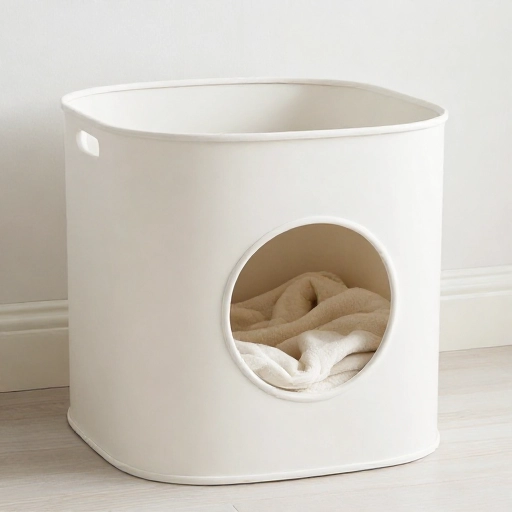
Grab a large plastic storage bin with a lid. Cut a doorway in the side and wrap the whole thing in duct tape for extra insulation. Put a towel or straw inside.
This is the cheapest shelter you can make—probably under $10. It’s also easy to clean; just wipe it down with bleach.
Stack two bins together with a foam layer in between for extreme cold weather. Double-wall insulation works wonders.
Poke a few holes in the lid for airflow, but keep them small so rain doesn’t get in.
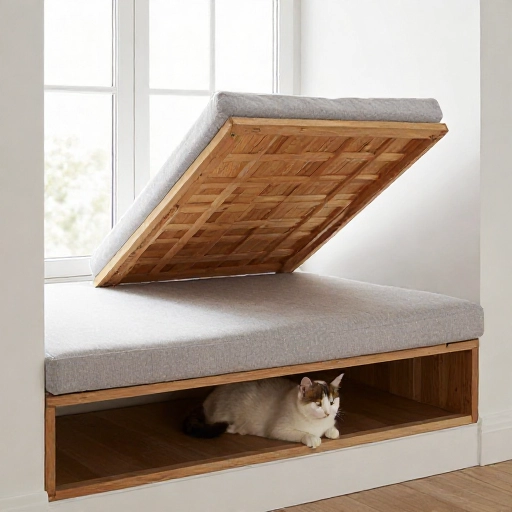
7. The Window Seat Hideaway
Build a wooden box that fits right under a window sill. Cut one hole in the front for entry and another in the back that leads to a small shelf outside the window. This gives your cat indoor safety plus outdoor views.
It’s like a little catio portal. You can install a small plexiglass window so they can watch birds without feeling exposed.
Use weatherproofing tape around the window frame to keep drafts out.
Line it with a washable mat and add a small blanket for winter months.
8. The Pallet Palace
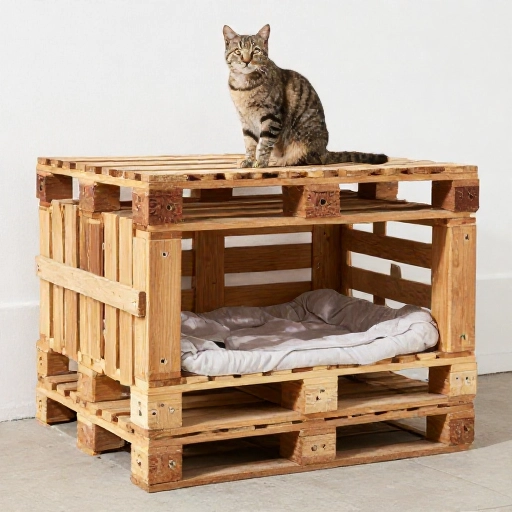
Old wooden pallets are free and sturdy. Stack two pallets and fill the gaps with straw or foam. Place another pallet on top as a roof, and you’ve got a rustic, hidden shelter.
You can leave it natural or paint it to match your garden. It looks like a planter base, not a cat house.
Make sure the pallets are untreated and free of chemicals. Sand down any rough edges to protect your cat’s paws.
This design is great for multiple cats—they can each claim a different gap.
9. The Dead Space Drawer
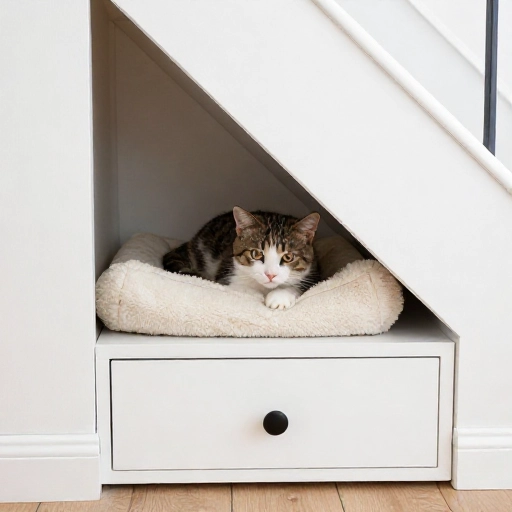
That awkward gap between your kitchen cabinets and the floor? Build a sliding drawer shelter that fits right in. Attach a small door on the front that looks like a cabinet front.
When you slide it out, it’s a cozy bed. Slide it in, and it’s invisible. This is perfect for indoor cats that love to hide.
Use casters on the bottom so it glides easily. Add a soft cushion and maybe a catnip toy inside.
Make sure the drawer has ventilation holes in the back.
10. The Tire Tower
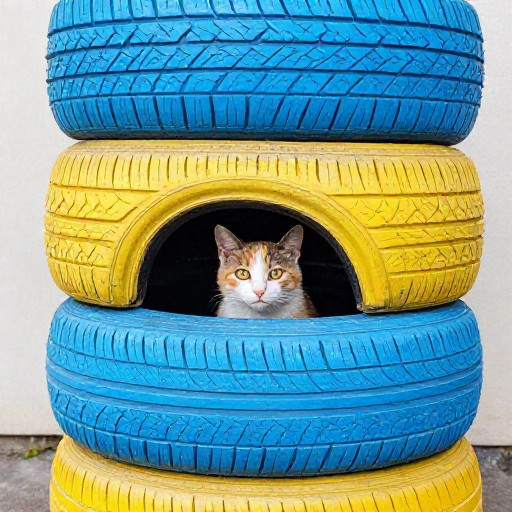
Stack two old tires and zip-tie them together. Fill the bottom with straw and cover the top with a round piece of plywood. Paint the tires to look like plant containers.
This is a rugged, weatherproof option that’s super easy to build. It also absorbs heat during the day and releases it at night.
Cats love the enclosed, circular shape. It feels like a cave.
Just make sure the tires are clean and dry before setting up.
11. The Bench with a Secret
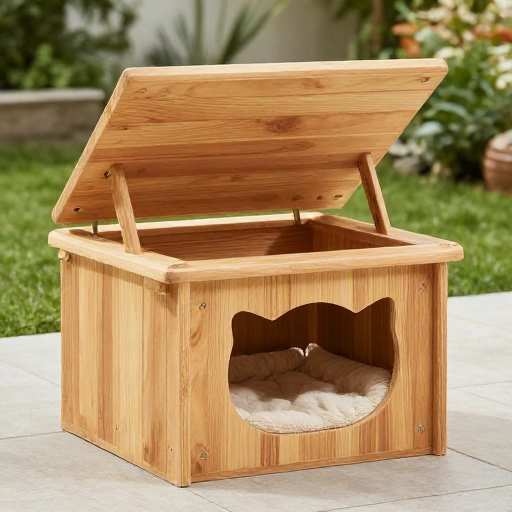
Build a simple wooden bench with a hollow interior. The bench looks normal, but one side has a small opening for your cat. Add a hinged top so you can access the inside for cleaning.
This is a gorgeous piece for a porch or entryway. It doubles as seating for humans and a hideout for cats.
Use cedar wood because it repels bugs naturally. Add a cushion on top for extra comfort.
Put a soft blanket inside and your cat will never leave.
12. The Faux Rock Shelter
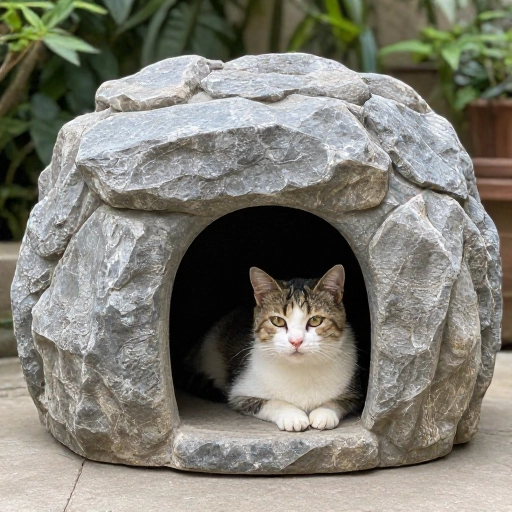
Use a plastic storage container and cover it with a layer of spray foam insulation. While it’s still wet, press pebbles and dirt into the foam. When it dries, it looks like a boulder.
Place it in a garden bed or near a fence line. It blends in so well that even you’ll forget it’s there.
Cut the entrance before applying foam, and make sure the hole is smooth.
This one takes a day to dry, but the result is worth it.
13. The Suitcase Surprise
An old hard-shell suitcase can become a vintage-style cat bed. Open it slightly and prop the lid with a wooden dowel. Line the inside with a soft cushion.
This looks adorable in a bedroom or reading nook. It’s also portable—take it with you when you travel.
Add a small blanket and a toy. Cats love the enclosed, den-like feeling.
Make sure the latch is removed so your cat doesn’t get trapped inside.

14. The Cardboard Castle
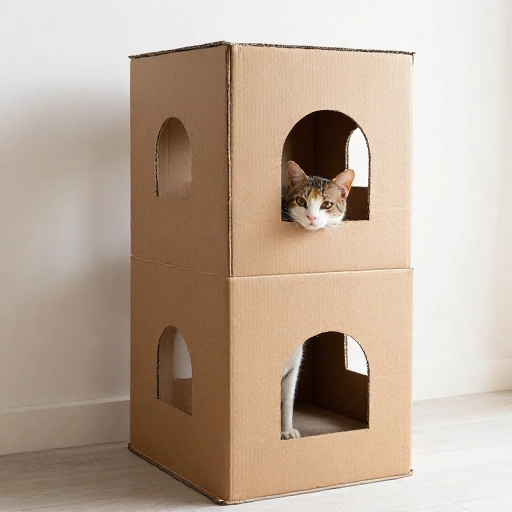
This one’s temporary but so fun. Use large cardboard boxes and tape them together into a multi-room maze. Cut holes between the boxes and cover the outside with brown kraft paper.
You can paint it to look like a brick building or a little house. Kids will love helping with this project.
For outdoor use, keep it under a covered porch and replace it every few weeks.
It’s not for harsh weather, but it’s a fantastic enrichment toy that costs nothing.
Final Thoughts
Building hidden shelters is about more than just giving your cat a place to sleep—it’s about making them feel secure. Cats are happiest when they have a spot that’s all theirs, away from noise and foot traffic. These 14 ideas prove you don’t need a big budget or fancy carpentry skills to make a big difference.
Start with the easiest one that fits your space. Your cat will find it within minutes, and honestly, that’s the best part. Watching them discover their new secret spot is pure joy.
FAQ
1. What’s the best material for an outdoor cat shelter?
Styrofoam or foam board insulation is best because it traps body heat. Avoid towels and blankets outdoors—they soak up moisture and freeze. Use straw instead.
2. How do I keep the shelter hidden from predators?
Place the shelter in a spot with limited visibility, like under a deck or behind bushes. Use a small entrance that predators can’t easily access.
3. Can I use these shelters in summer?
Yes! Just remove the insulation and add a cooling mat. Make sure there’s good airflow to prevent overheating.
4. How often should I clean a hidden cat shelter?
At least once a week. Remove old bedding, wipe down surfaces, and check for bugs or moisture. Cleanliness keeps your cat healthy.
5. Will feral cats actually use these shelters?
Most will, but it takes time. Sprinkle catnip or place a little food near the entrance to attract them. Be patient—they’ll warm up to it.