10 Indoor Activities That Will Burn Your Dog’s Energy Fast
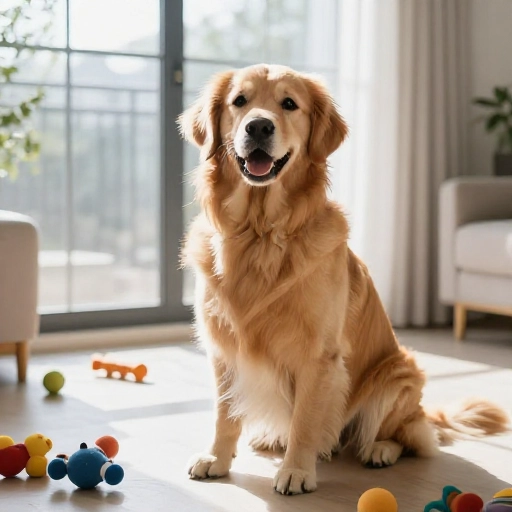
There are days when the rain won’t stop, or maybe you’re just not feeling a long walk. But your dog still has that look in their eyes—the one that says they need to move. I’ve been there, pacing the living room, wondering how to tire out a pup without leaving the house.
The good news? You don’t need a backyard to drain that energy. These ten indoor activities are tried and tested. They work for high-energy breeds, small apartment dogs, and everyone in between. Grab a few treats, clear some floor space, and let’s get moving.
1. The Towel Tug Marathon
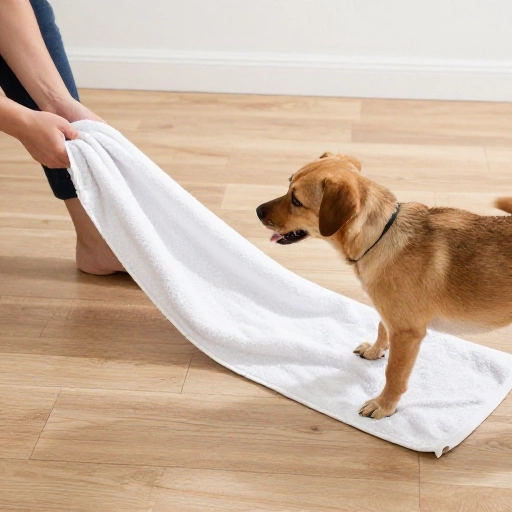
This is my go-to when I need quick results. Take an old kitchen towel or a fleece blanket strip. Hold one end and let your dog grab the other. Play tug for two minutes, then let them win. Wait ten seconds, then start again.
Repeat this cycle for ten to fifteen minutes. The short bursts of pulling, combined with the mental excitement of winning, wear them out fast. Plus, it builds their confidence without any rough play.
Keep sessions short. Overdoing it can lead to overstimulation. You want a tired dog, not a wired one.
2. Hide and Seek with Treats
Start easy. Have your dog sit and stay in another room. Hide a few treats under a cushion, behind a chair leg, or inside a box. Release them with a happy “find it!”
For the first round, leave the treats slightly visible. Once they get the hang of it, make the hiding spots trickier. Use different rooms if you have space. The sniffing and searching uses up a ton of mental energy, which is often more tiring than running.
I like to use small, smelly treats like bits of cheese or liver. The stronger the smell, the easier it is for them to track.
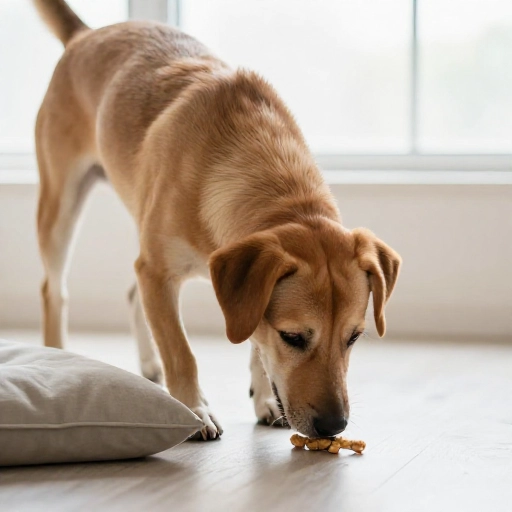
3. The Couch Cushion Obstacle Course
Push your coffee table aside. Arrange couch cushions, pillows, and a blanket on the floor. Create a simple path for your dog to follow. Guide them with a treat in your hand, making them step over cushions and crawl under the blanket.
Add a chair for them to weave around. You can even toss a few treats at the end as a reward. This works their body and brain at the same time. It’s like a mini agility course without any special gear.
Let them explore the course on their own first. Some dogs need a minute to figure out what you want.
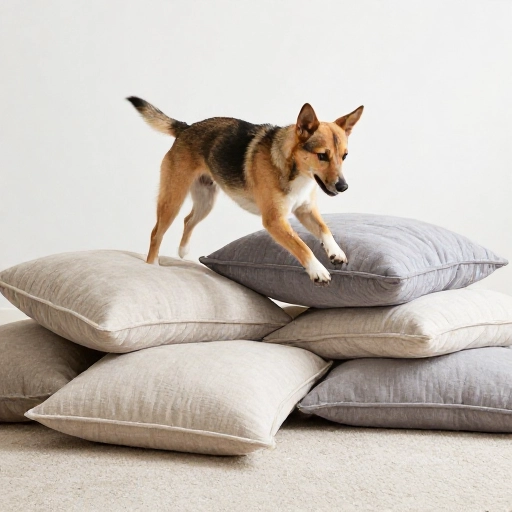
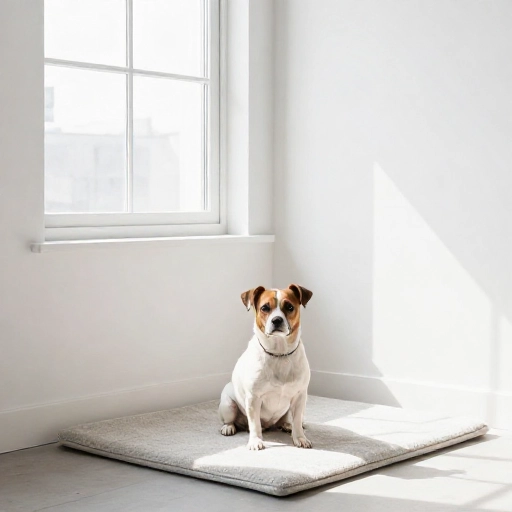
4. The “Go to Your Mat” Drill
This one sounds simple, but it’s surprisingly tiring. Teach your dog to go to a specific mat or towel on the floor. Once they stand on it, say “yes” and toss a treat off the mat. They leave the mat to get the treat, then you cue “go to your mat” again.
Repeat this for five to ten minutes. The constant getting up, moving to the mat, and resetting builds focus. It’s perfect for days when you’re busy and need them to settle down later.
Start with a mat that has a distinct texture, like a bathmat. It helps them recognize the spot faster.
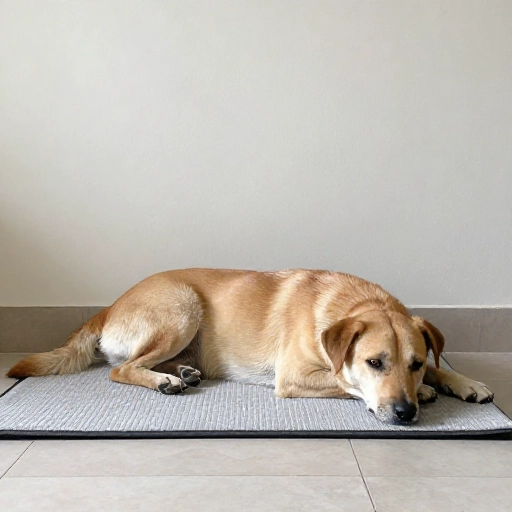
5. Stair Sprints (If You Have Them)
If your home has stairs, you have a built-in treadmill. Toss a toy or a treat to the top of the stairs, then call your dog down. Repeat this ten to fifteen times. The uphill and downhill motion works their legs and lungs.
Be careful with puppies or senior dogs. Limit the repetitions and watch for slipping. A few rounds are enough for a good burn without risking injury.
You can also sit at the bottom and send them up to a family member who rewards them. That makes it a fun game instead of just exercise.
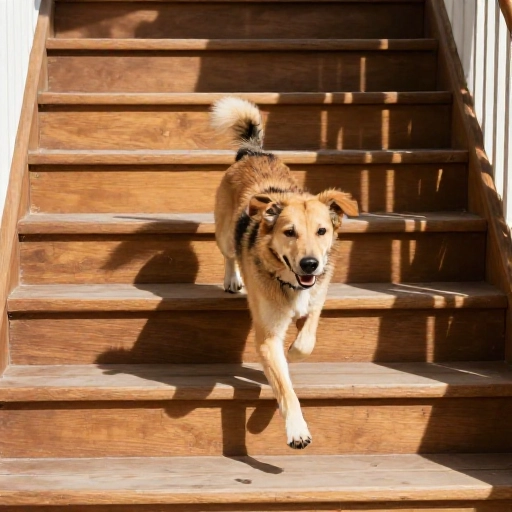
6. The Magic Box (Nose Work Game)
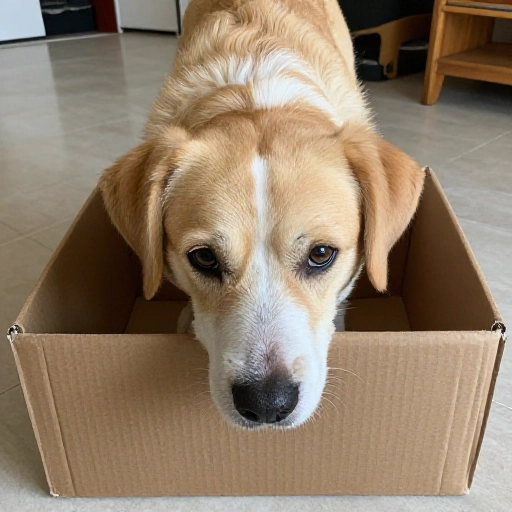
Grab a cardboard box and fill it with crumpled paper, old socks, and a few towels. Hide small treats inside the layers. Let your dog sniff and dig through the box to find them.
This taps into their natural foraging instinct. It’s mentally exhausting because they have to focus on scent and movement. A ten-minute session can feel like an hour of play for them.
Use a box that’s big enough for their head to fit. Always supervise so they don’t eat the paper or fabric.
7. The “Touch” Targeting Game
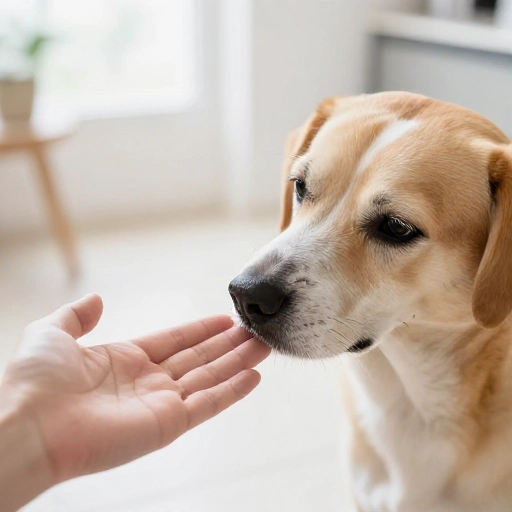
Hold your palm out flat a few inches from your dog’s nose. Say “touch.” When they sniff or bump your hand, reward them. Move your hand to a new spot, like a chair or a wall, and repeat.
After a few rounds, make them move across the room to touch your hand. This combines movement with a clear command. It’s great for building impulse control and wearing out a restless dog.
You can increase the distance gradually. I’ve had dogs running back and forth for a full ten minutes before they slow down.
8. The Flirt Pole Frenzy
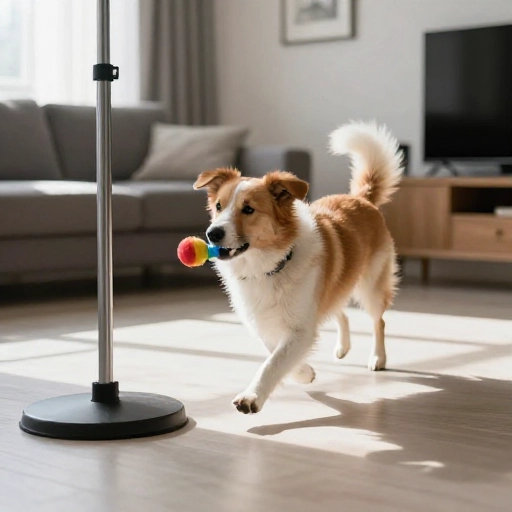
A flirt pole is just a stick with a toy attached to a rope. You can buy one or make it with a PVC pipe and a stuffed toy. Drag the toy along the floor, making it dart and zigzag. Let your dog chase it, catch it, and then release.
This mimics prey drive. The quick starts and stops burn explosive energy. Keep sessions under ten minutes to avoid overexertion. It’s especially good for herding breeds and terriers.
Always let them catch the toy sometimes. If they never win, they might lose interest.
9. Frozen Treat Treasure Hunt
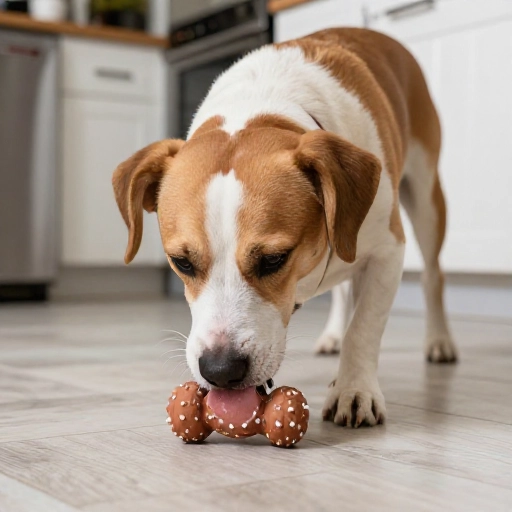
Freeze a few treats or a bit of peanut butter inside an ice cube tray or a Kong. Once frozen, scatter the cubes on a towel on the floor. Your dog has to lick, nudge, and paw at the cubes to get the goodies out.
This is a slow-burn activity. It keeps them occupied for twenty to thirty minutes while expending mental energy. The cold also soothes teething puppies and anxious chewers.
Use plain yogurt or pumpkin puree for a healthy option. Avoid xylitol or artificial sweeteners.
10. The “Find the Person” Game
Have a family member or friend hide somewhere in the house. Start with your dog on a stay in another room. Release them with “find them!” The hider can call out their name or make a small noise to help.
Once your dog finds them, they get a treat and lots of praise. This game uses both mental tracking and physical movement. It’s also a great way to include kids or other household members in playtime.
Make it easier at first by hiding in plain sight. Gradually move to harder spots like behind a curtain or under a desk.
Conclusion
You don’t need a huge yard or perfect weather to give your dog a solid workout. These indoor activities are about being creative with what you have. Your dog just wants to engage with you. A few focused minutes of play can replace an hour of aimless running around.
Pick one or two activities to start. Watch your dog’s energy level and adjust. Some days they need more movement, other days more mental work. Mix it up and keep it fun. A tired dog is a happy dog, and you’ll both feel better for it.
Frequently Asked Questions
How long should each indoor activity last?
Most activities work best in sessions of ten to fifteen minutes. Any longer and some dogs can get overstimulated. Watch for signs of fatigue like heavy panting or lying down.
Can I use these games for a puppy?
Yes, but adjust the intensity. Puppies need shorter sessions and gentler activities. Avoid high-impact games like stair sprints until they are fully grown.
What if my dog doesn’t seem interested in the games?
Try using higher value treats like cheese or hot dog bits. Some dogs need a few tries to understand the game. Start with the easiest version and slowly increase difficulty.
Are these activities safe for senior dogs?
Most are safe if you keep them low-impact. Focus on mental games like nose work or “find the person.” Avoid tug games or stair sprints if your dog has joint issues.
How often should I do indoor activities with my dog?
It depends on your dog’s breed and energy level. A high-energy dog might need two sessions per day. Lower energy dogs may be fine with one. Always let your dog rest between sessions.