12 Bengal Cat Personality Facts That Explain Everything
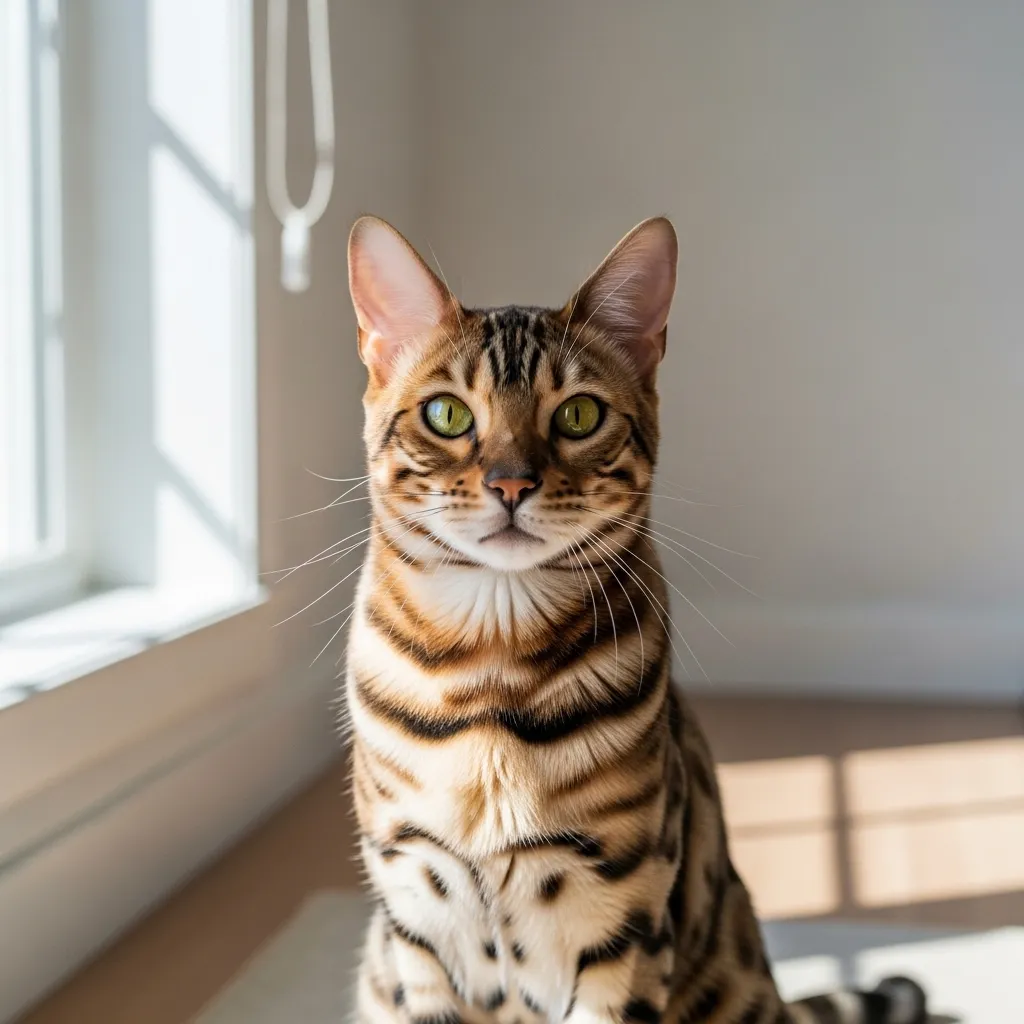
If you’ve ever met a Bengal cat, you know they’re not your average lap cat. I remember the first time I saw one, with its stunning leopard-like spots and intense, curious gaze. I was instantly hooked and knew I had to learn more about what makes this breed tick.
Owning a Bengal is like living with a tiny, elegant wildcat who also happens to adore your company. Their personality is a captivating blend of wild ancestry and domestic affection. Let’s dive into the 12 key traits that define the unforgettable Bengal cat personality.
1. They Are Incredibly Energetic & Athletic
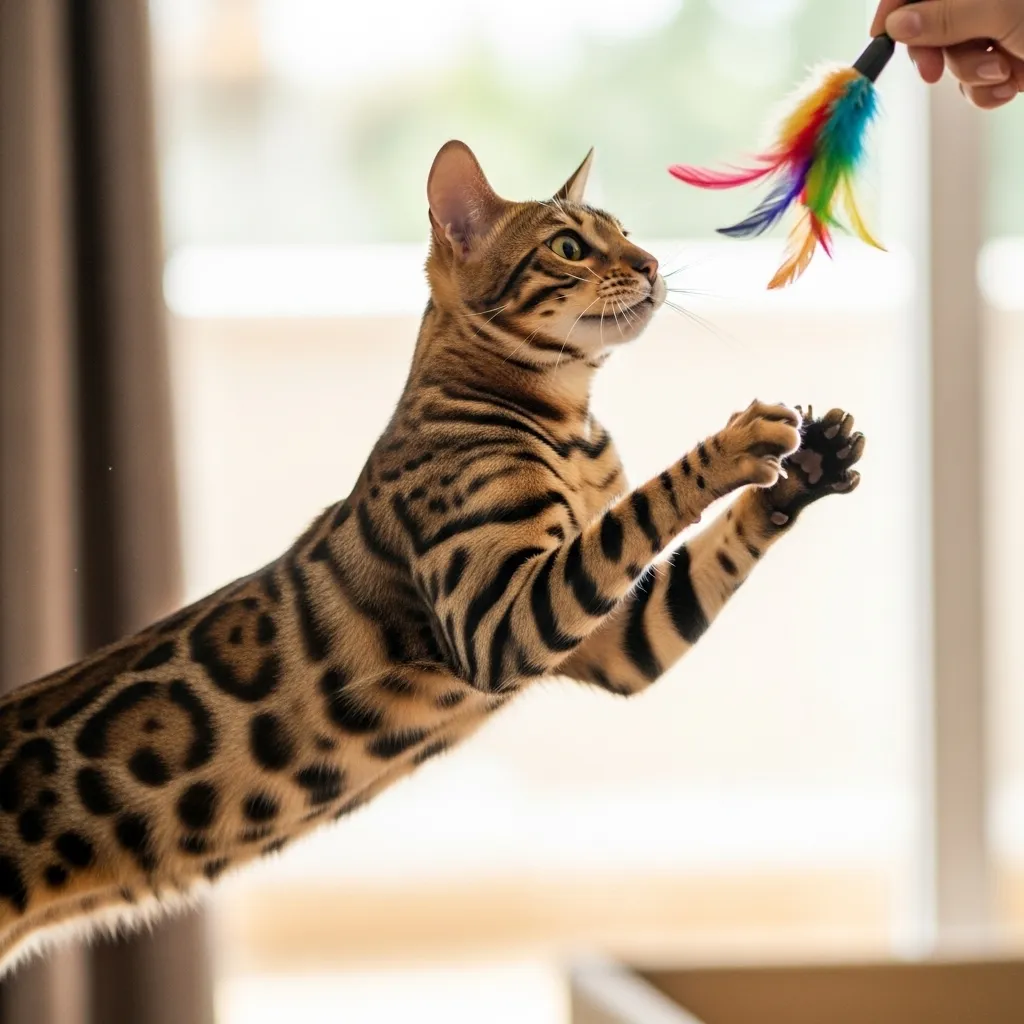
Forget the stereotype of a lazy house cat. My Bengal has more energy before breakfast than I do all day. These cats are natural athletes, built for jumping, climbing, and sprinting.
- They can easily leap to the top of your refrigerator or bookcase in a single bound.
- Daily, vigorous play sessions are a must to keep them happy and out of mischief.
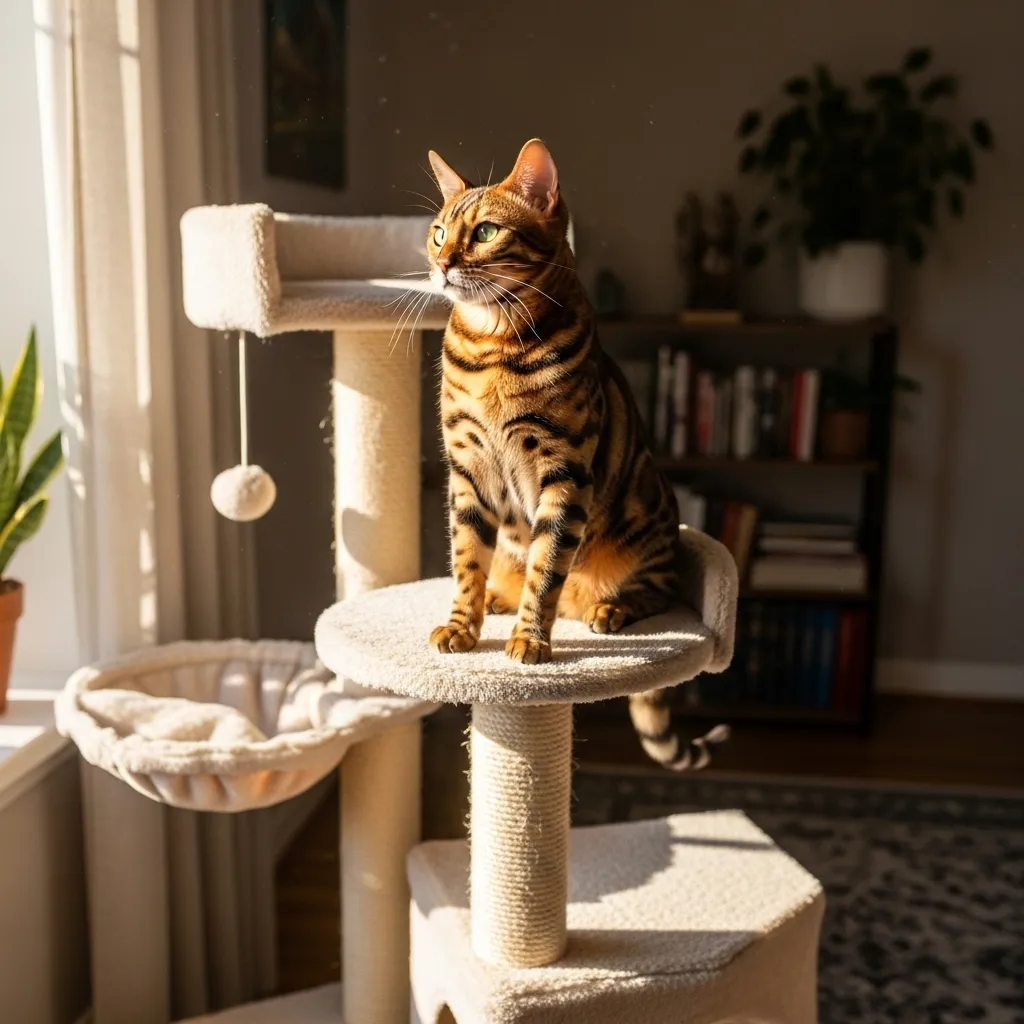
- You’ll often find them perched in the highest spot in the room, surveying their kingdom.
If you want a calm, sedentary pet, a Bengal might be too much. But if you love an active companion, their zest for life is contagious.
2. They Have a Deep Love for Water
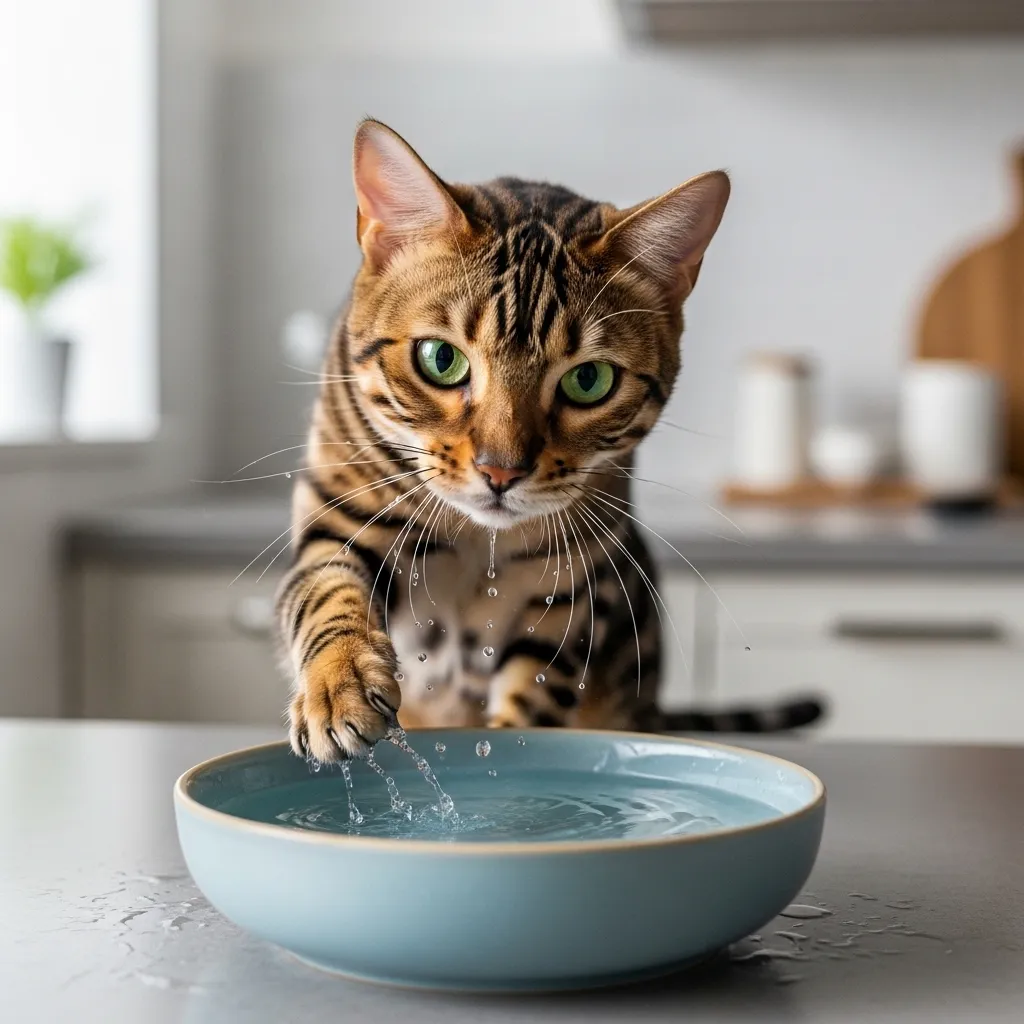
This fact always surprises people! While most cats flee from a running tap, my Bengal is fascinated by it. This trait is a direct link to their wild Asian Leopard Cat ancestors, who are known to fish and swim.
Don’t be shocked if your Bengal:
- Paws at the water in your glass or follows you into the shower.
- Tries to “help” with dishwashing by batting at the stream.
- Plays with their water bowl, sometimes tipping it over for fun.
A cat fountain is a fantastic investment, as the moving water is an endless source of entertainment for them.
3. They Are Supremely Intelligent & Curious
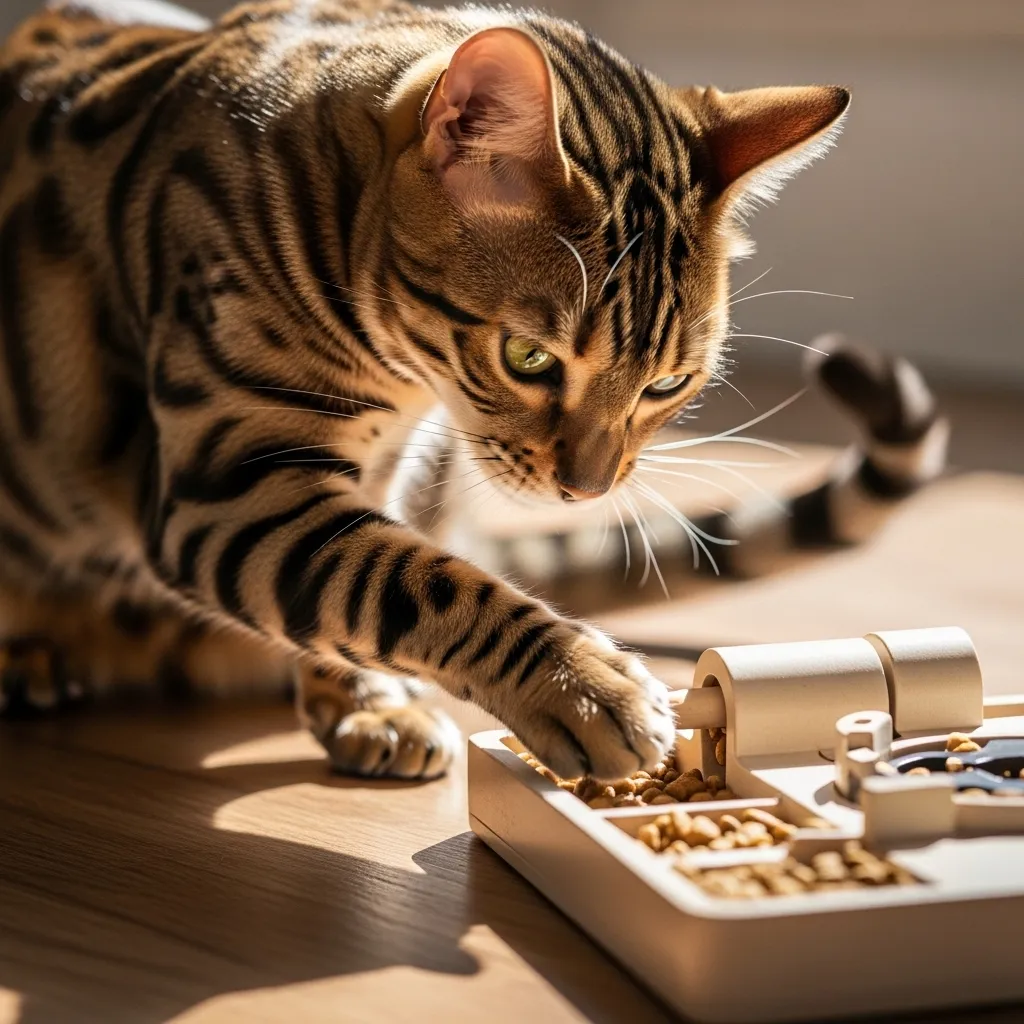
Bengals are the problem-solvers of the cat world. Their intelligence is both impressive and, at times, challenging. They learn quickly, which means they can figure out how to open cabinets, doors, and even puzzle toys meant to stump them.
Their curiosity knows no bounds. Nothing in your home is off-limits to their investigation. You must provide mental stimulation through training, interactive toys, and food puzzles, or they will create their own (often destructive) games.
4. They Are Very Vocal & Communicative
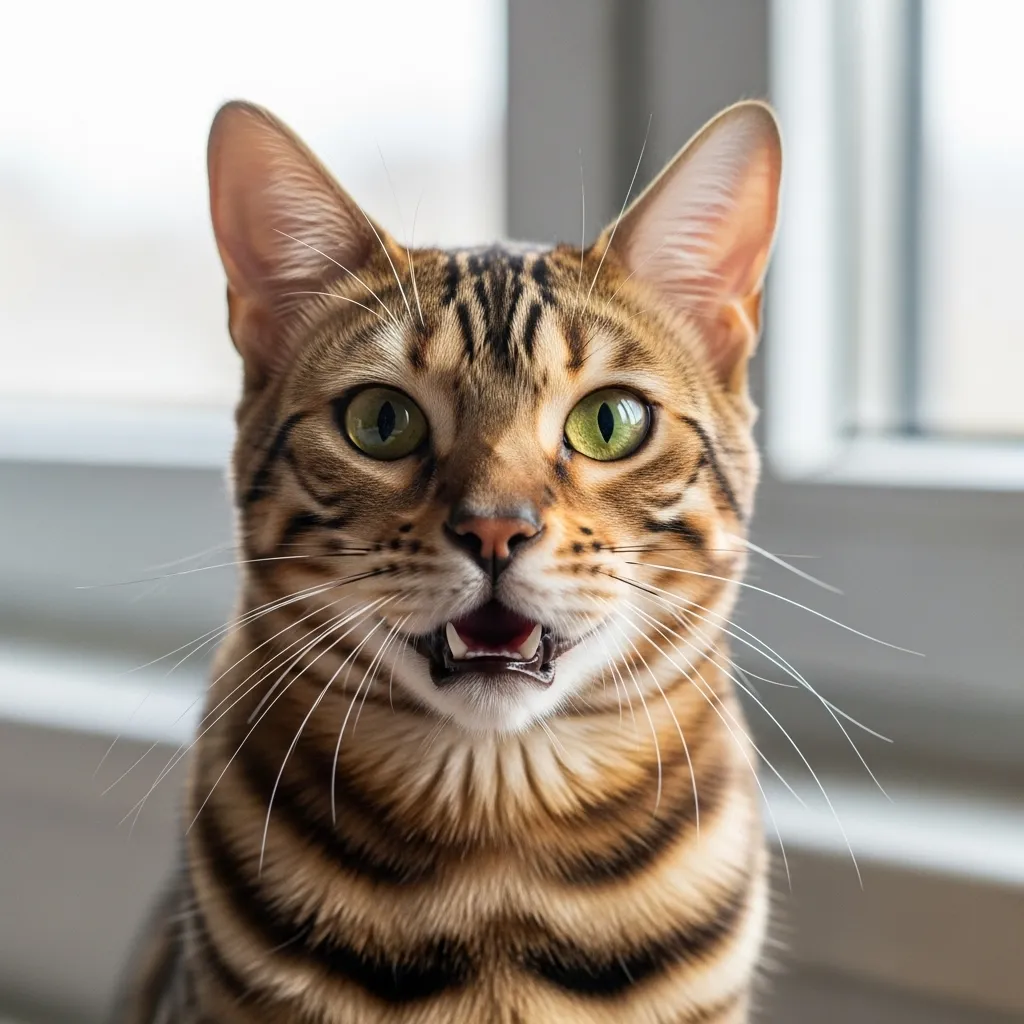
Bengals have a lot to say, and they aren’t shy about it. Their voice isn’t always a standard meow; it can range from chirps and trills to full-on conversational yowls. My cat “talks” to me throughout the day, especially when he wants playtime or food.
This vocalization is a form of deep engagement. They’re not just making noise; they’re communicating their needs, desires, and opinions. It’s one of the ways they form a strong bond with their favorite humans.
5. They Form Strong, Dog-Like Bonds
While independent in spirit, Bengals are profoundly loyal to their families. They often choose one or two favorite people and shadow them from room to room. You’ll rarely be alone in the bathroom or kitchen again!
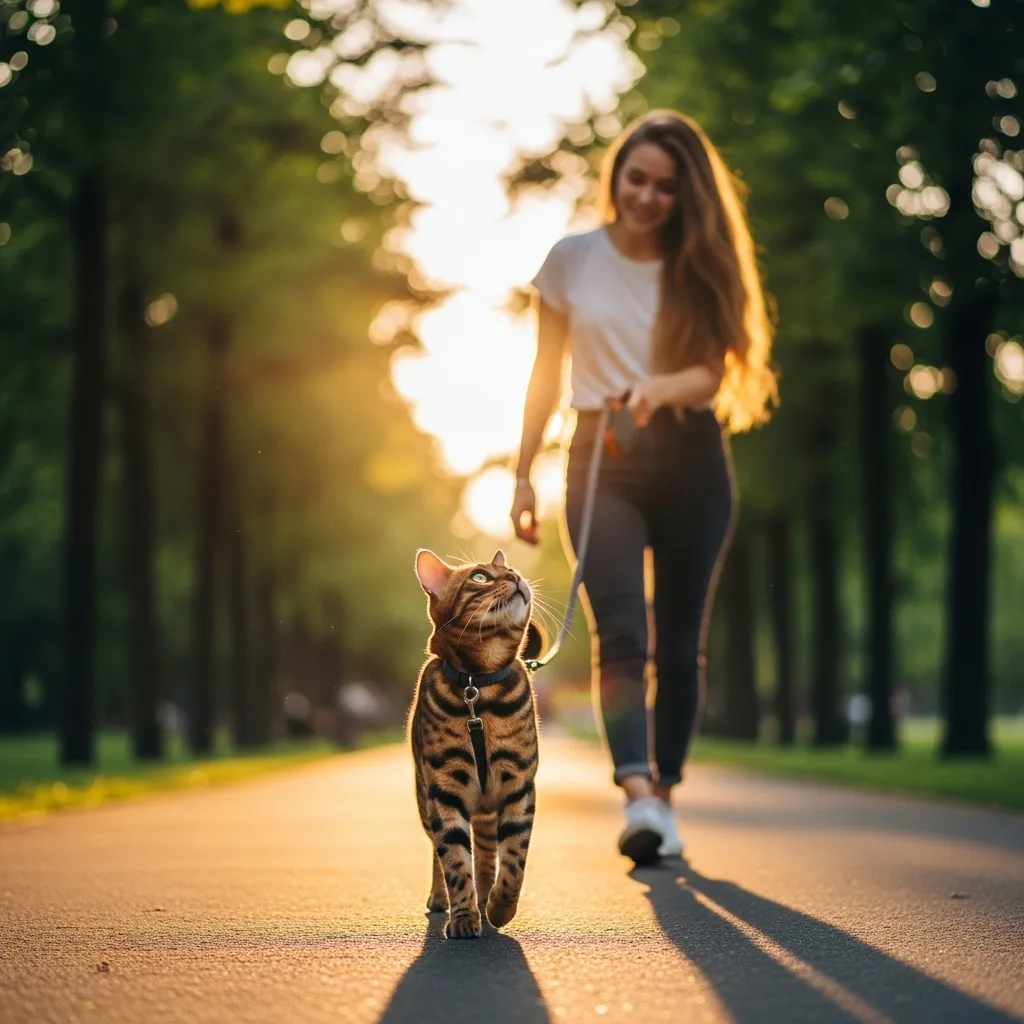
This dog-like trait extends to playing fetch, learning tricks, and even walking on a harness. They crave interaction and involvement in your daily activities, making them a truly interactive pet.
6. They Have a Playful, Mischievous Streak
That high intelligence and energy combine into a wonderfully mischievous personality. If something goes missing—like a hair tie or pen—check your Bengal’s favorite hiding spot first. They love to “hunt” and stash small objects.
This isn’t malice; it’s play. They need an outlet for these natural behaviors. Providing approved “prey” like toy mice and feather wands can save your personal items from becoming cat toys.
7. They Are Confident & Fearless
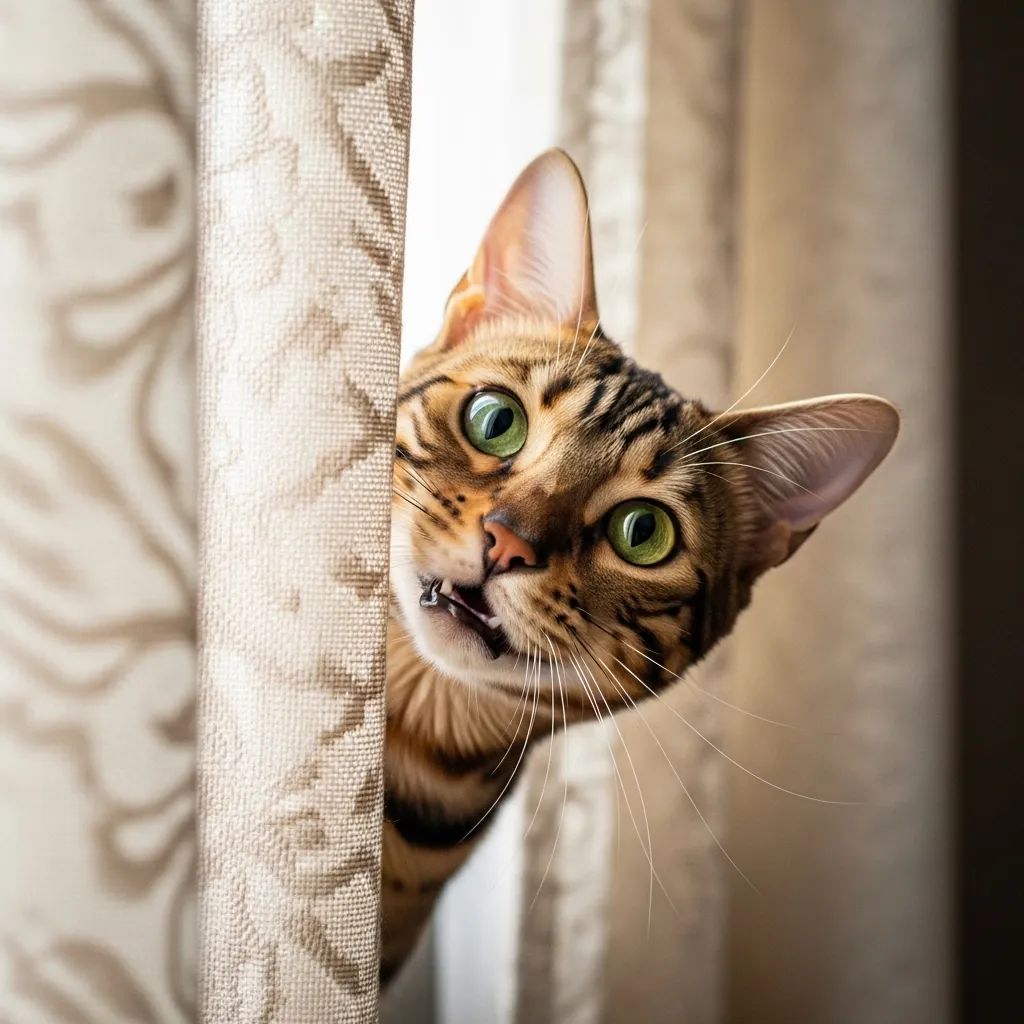
There’s a boldness to Bengals that sets them apart. New people, new environments, or loud noises rarely faze them. This confidence comes from their wild heritage and makes them adaptable companions.
This fearlessness means they often rule multi-pet households. They’ll confidently approach a visiting dog or explore a new suitcase the moment it’s opened. Their world is there to be discovered.
8. They Crave Routine & Predictability
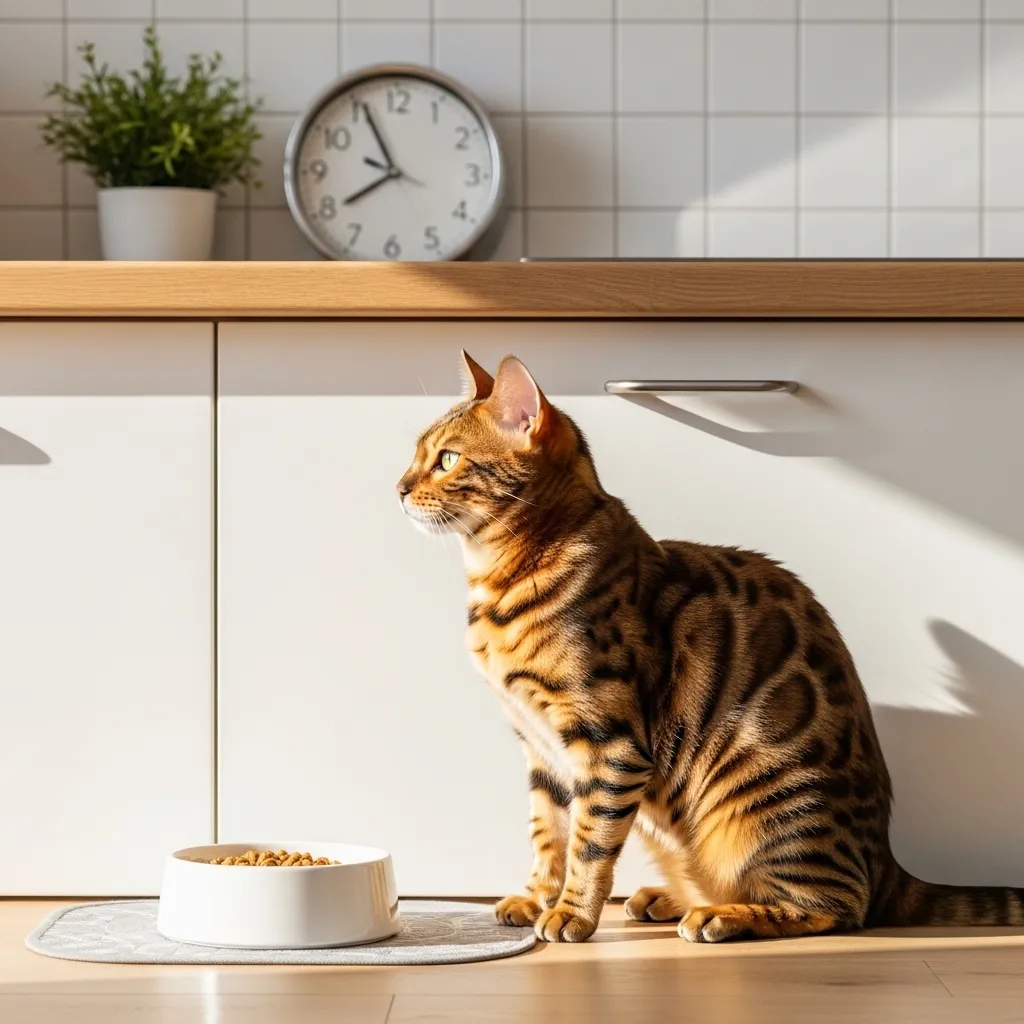
Despite their wild streak, Bengals thrive on a predictable schedule. They internalize feeding times, play sessions, and even when you typically come home from work. My cat waits by the door like clockwork.
Disruptions to this routine can lead to vocal complaints or attention-seeking behaviors. Keeping a consistent schedule helps your Bengal feel secure and content in their environment.
9. They Are Affectionate, On Their Own Terms
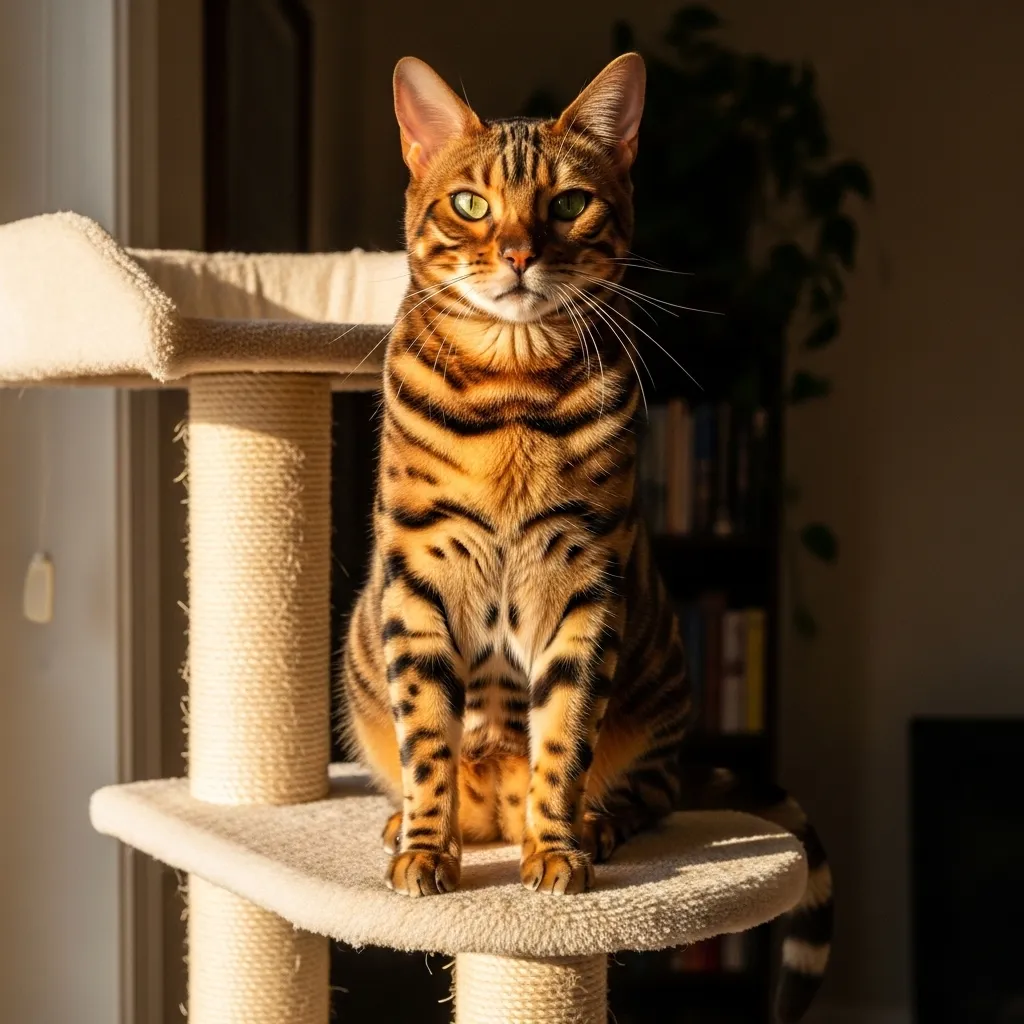
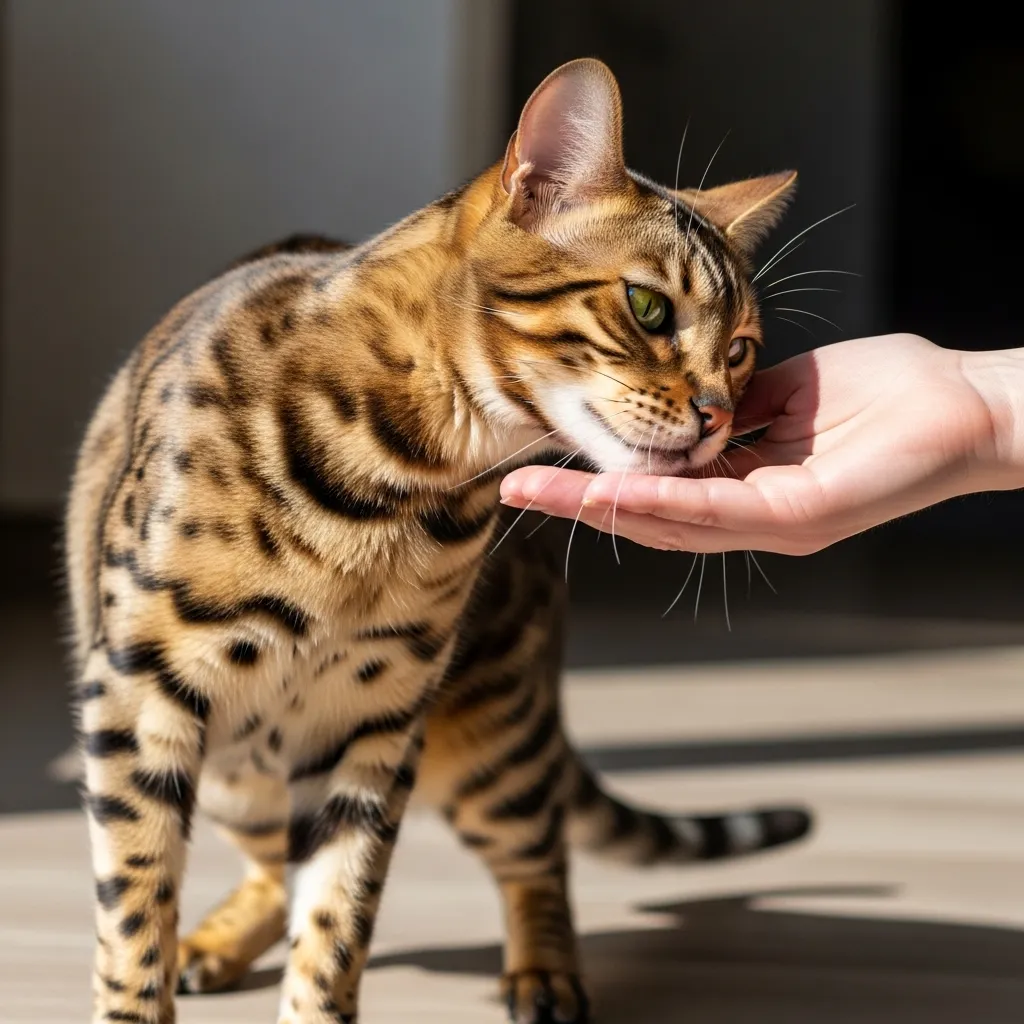
Bengals show love differently than a cuddly Persian might. They may not be constant lap cats, but their affection is intense. You might get head butts, face nuzzles, or they may sleep pressed against your legs at night.
Their love language is often quality time and interactive play. That energetic chase session with a wand toy? That’s their version of a heartfelt cuddle.
10. They Have a High Prey Drive
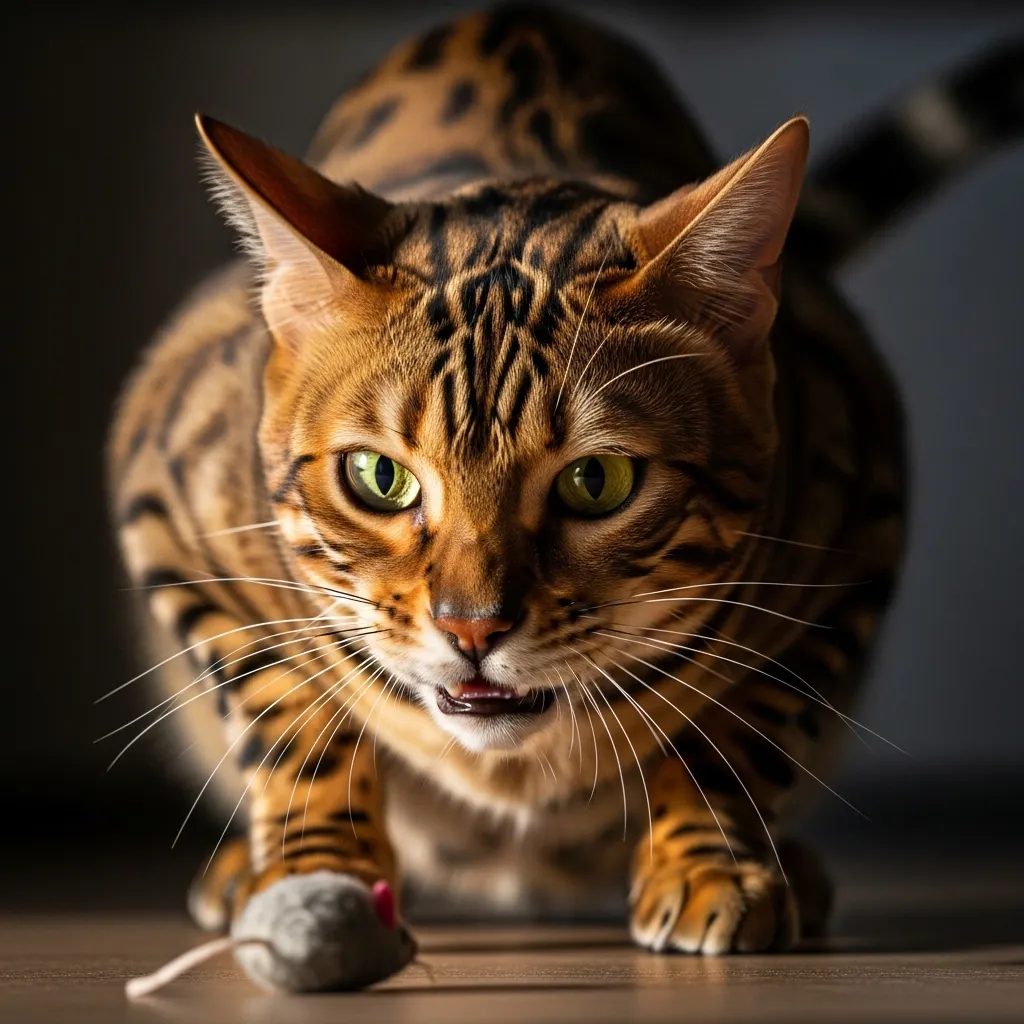
The wild instinct to hunt is strong in this breed. You’ll see it in the intense focus of their stare, the twitch of their tail, and the lightning-fast pounce on a toy. This drive is a core part of their personality.
It’s crucial to channel this drive appropriately. Never use your hands or feet as toys, as this teaches them to see humans as prey. Always use a toy as a buffer for interactive play.
11. They Can Be “Clingy” or Demand Attention
Bengals hate being ignored. If they feel neglected, they will let you know, often by getting into something they shouldn’t. A Bengal left alone and unstimulated for long periods can become bored and destructive.
This “clinginess” is really a deep need for partnership. They see you as part of their pride and want to be involved. It’s a sign of their attachment, not neediness.
12. Their Personality Matures Slowly
Bengal kittens are a whirlwind of chaotic energy. Their full, mature personality often doesn’t settle in until they are 3-4 years old. Even then, they retain a youthful, playful spirit well into their senior years.
This extended “kittenhood” means you get years of hilarious, energetic antics. Patience and consistent training in their early years pay off with a wonderful, well-adjusted adult cat who is still tons of fun.

Conclusion: Is a Bengal Cat Right for You?
Living with a Bengal is an adventure. They are not a low-maintenance pet, but for the right person, they are worth every bit of effort. They offer unmatched companionship, endless entertainment, and a unique, beautiful presence in your home.
If you can provide ample playtime, mental challenges, and lots of interactive love, a Bengal will reward you with a bond like no other. They are a piece of the wild, wrapped up in a loving, domestic package.
Bengal Cat Personality FAQ
Q: Are Bengal cats good with children and other pets?
A: Yes, generally! Their confident and social nature often makes them good with respectful children and other pets, especially if introduced properly. Their high energy can match a playful dog’s.
Q: Are Bengals really destructive?
A> They can be if bored. Destruction usually stems from a lack of proper outlets for their energy and intelligence. With enough play, climbing spaces, and puzzle toys, they are well-behaved.
Q: Do Bengal cats like to cuddle?
A> They show affection differently. They are more likely to sit *next* to you or follow you everywhere than to be a lap cat for hours. Their cuddles are often brief but intense.
Q: Can you leave a Bengal cat alone during the workday?
A> They tolerate it better with a companion (another cat or even a dog) and plenty of pre-left interactive toys. Leaving them alone for very long periods (8+ hours) regularly is not ideal for their social nature.
Q: Why is my Bengal cat so loud?
A> Vocalization is a key trait. They “talk” to communicate their needs—hunger, boredom, desire for play, or just to chat. It’s a sign of their engagement with you.