How to Raise a Calm and Relaxed Dog
How to Raise a Calm and Relaxed Dog: A Journey of Love and Trust
When I first brought my dog, Milo, home, I imagined peaceful walks, quiet evenings, and a well-behaved companion. What I got instead was an energetic, anxious pup who barked at every noise and zoomed around the house like a whirlwind. But over time—through patience, understanding, and love—I learned how to raise a calm and relaxed dog. And the transformation was one of the most rewarding experiences of my life.
Raising a calm dog isn’t about strict discipline or constant control. It’s about creating an environment where they feel safe, understood, and emotionally balanced. Here’s how I helped Milo go from restless to relaxed—and how you can do the same for your furry friend.
1. Understand Your Dog’s Energy and Emotions
Every dog has their own personality, energy level, and way of expressing emotions. Milo, for example, was naturally excitable and sensitive to noise. Once I stopped labeling him as “hyper” and started seeing his behavior as communication, everything changed. Dogs mirror our energy—if we’re anxious or impatient, they feel it too. Staying calm ourselves teaches them how to do the same.
When you understand what triggers your dog’s stress, you can better support them. Maybe it’s loud sounds, new people, or just too much excitement. Observing and responding calmly helps them learn that the world isn’t as scary or unpredictable as it seems.
2. Create a Peaceful Environment
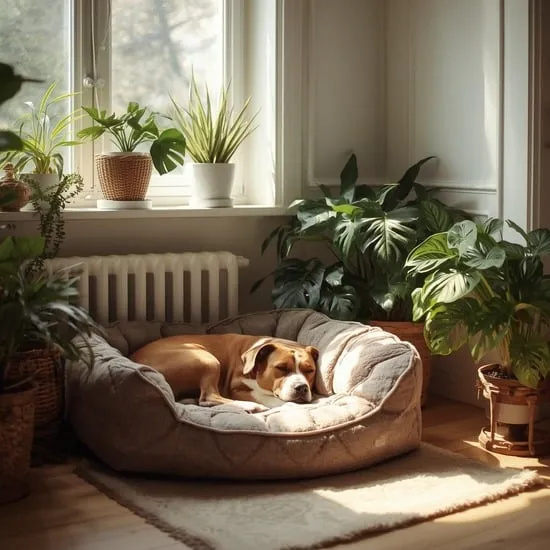
Dogs thrive in stable, predictable environments. I noticed Milo became calmer when our home felt quiet and routine-based. I started playing soft music, kept his sleeping spot consistent, and made sure our walks happened at the same times each day. That sense of rhythm made him feel secure.
A peaceful home isn’t about silence—it’s about harmony. Create cozy spaces for your dog to retreat when they need downtime. A comfortable bed, soft lighting, and a few familiar toys can do wonders. Dogs, like us, need safe spaces to relax and recharge.
3. Exercise and Mental Stimulation: The Calmness Combo
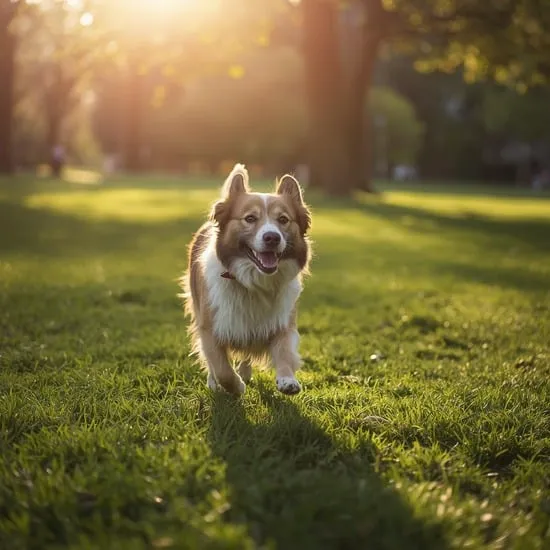
One of the biggest lessons I learned was that a tired dog is a happy dog—but it’s not just about physical activity. While long walks and play sessions helped burn Milo’s energy, I realized his mind also needed engagement. Interactive toys, puzzle feeders, and basic obedience training kept his brain busy in healthy ways.
Balance is key. Over-exercising can overstimulate some dogs, while too little can make them restless. Find your dog’s rhythm—some thrive with morning walks and quiet afternoons, others need short play bursts throughout the day. The goal isn’t to tire them out but to satisfy their body and mind in a balanced way.
4. Practice Calm Reinforcement
Dogs learn best through calm, consistent communication. When Milo would get too excited, my instinct used to be to raise my voice—but that only made things worse. I learned that staying still, lowering my tone, and rewarding calm behavior was far more effective. Dogs crave stability and clear signals from us.
When your dog relaxes on their own—say, lying quietly or sitting calmly—acknowledge it with gentle praise or a treat. Over time, they’ll associate calmness with positive outcomes. It’s amazing how small moments of patience can build lifelong habits.
5. Mindful Socialization
Helping your dog stay calm around people and other animals takes gradual exposure and trust. I used to take Milo to crowded parks right away, but it overwhelmed him. I learned to start small—short visits, one or two dogs at a time, quiet walks during less busy hours. As he gained confidence, we expanded his comfort zone.
Positive social experiences make your dog feel safe, not pressured. Let them approach new situations at their own pace. A calm dog isn’t one who never reacts—it’s one who feels secure enough to handle the world with quiet confidence.
6. Build a Deep Emotional Bond
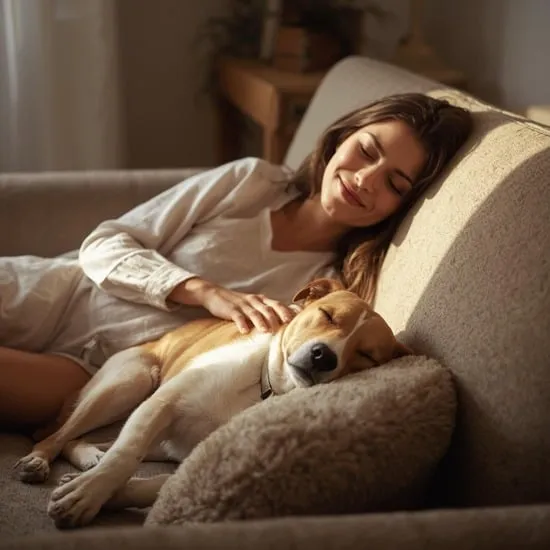
Perhaps the most important ingredient in raising a calm and relaxed dog is trust. Dogs who feel loved and understood relax naturally because they know they’re safe. I made it a point to spend quiet moments with Milo—just sitting together, gentle petting, no words. That unspoken connection built trust stronger than any training command ever could.
When your dog knows they can rely on you, they let go of fear and anxiety. They stop reacting and start relaxing. It’s a powerful reminder that calmness isn’t taught—it’s shared.
Final Thoughts: Calm Energy Creates Calm Hearts
Raising a calm and relaxed dog takes time, patience, and empathy. It’s about being the steady, loving presence your dog can always look to when the world feels too big. Milo’s journey taught me that calmness is contagious—when we slow down, breathe, and lead with love, our dogs follow suit.
Today, when I watch Milo resting peacefully by the window, eyes half-closed in contentment, I realize we both learned something beautiful together. Calm isn’t the absence of energy—it’s the balance of trust, peace, and love. And that’s what truly makes a dog’s heart (and yours) feel at home.