The Puppy Obedience Hack Guide: Simple Secrets That Actually Work

Bringing a new puppy home is pure joy, but let’s be honest—the chewing, the jumping, the “accidents” on your rug can make you feel like you’re losing your mind. I remember those first weeks with my own whirlwind of a pup. I tried everything, from strict schedules to fancy training tools, but what really made the difference were a few clever, low-stress hacks.
These aren’t complicated theories. They are the real-world shortcuts that turn a chaotic puppy into a calm, well-mannered companion. Think of this guide as your friendly cheat sheet. No judgment, no pressure—just practical steps that fit into your daily life. Ready to feel like a pro? Let’s dive into the simple tricks that save your sanity and build a happy bond.
I’ll walk you through each hack, sharing what I learned the hard way so you can skip the frustration. Let’s get started!
1. The “Treat Toss” for Instant Focus
Instead of holding a treat right in front of your puppy’s nose, try this: toss a small, smelly treat a few feet away. The moment your pup chases it, call their name in a happy voice. When they look back at you, click or say “yes!” and toss another treat.
This hack teaches your puppy to check in with you naturally. It turns you into the most exciting thing in the room. Do this a few times a day, and you will see your puppy’s attention sharpen like magic.
It works because it uses your puppy’s natural curiosity. No force, just fun. Plus, it’s a great way to redirect energy if they are zooming around the house.
2. The “Captured Calm” Break
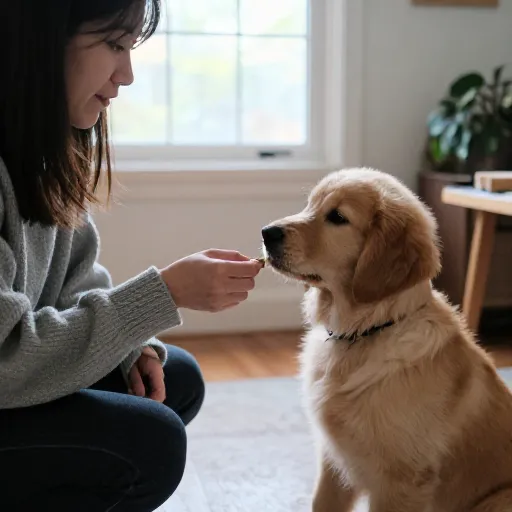
Most training focuses on “sit” or “stay,” but the real secret is rewarding your puppy when they are already calm. Keep a small bowl of treats on a nearby table. Any time you see your puppy lying down quietly, just drop a treat near them without saying a word.
This simple act teaches them that being still feels good. Over a few days, they will start offering calm behavior more often. It’s the opposite of demanding tricks—it’s about praising the moments you actually want to see.
I do this while drinking my morning coffee. It turns a frazzled morning into a peaceful one. Your puppy learns that silence is golden.
3. The “Doorway Dance” for Polite Greetings
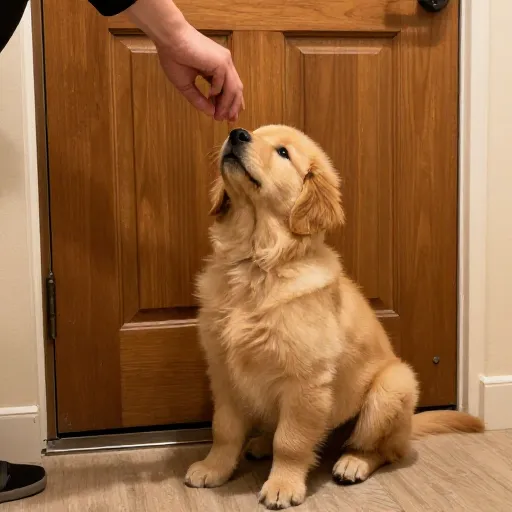
Puppies love to rush out the door, but that’s where chaos starts. Here’s the hack: before opening any door, ask your puppy to sit. If they stay seated, open the door just a crack. If they move, close the door gently and wait.
Repeat until they understand that doors only open when they are calm. This teaches patience and impulse control. It’s like a little game that builds a huge amount of self-restraint.
You can practice with your front door, the crate door, or even the car door. In a week, your puppy will automatically sit when they see you reach for a handle.
4. The “Puppy Push” for No-Jumping
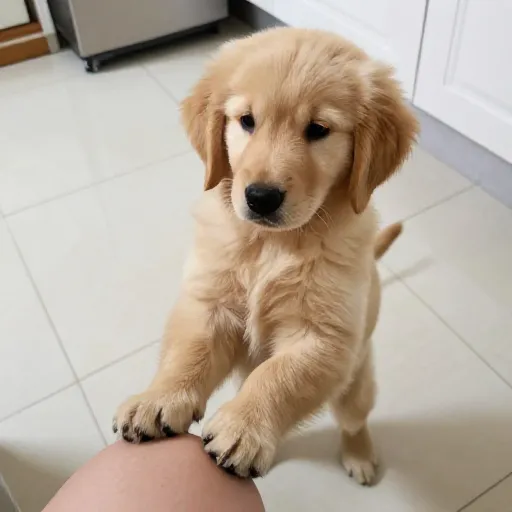
Jumping up is cute when they are tiny, but not when they are full-grown. Instead of pushing your puppy down (which they see as attention), turn your back and fold your arms. Say nothing, and don’t make eye contact.
Wait until all four paws are on the floor, then spin around and give them calm praise. Repeat this every time they jump. It’s boring for them, so they will quickly learn that jumping gets them nothing.
This works because it removes the reward—your attention. Consistency is key. Ask everyone in your home to do the same, and your puppy will stop jumping within days.
5. The “Leash Lasso” for Loose Leash Walking
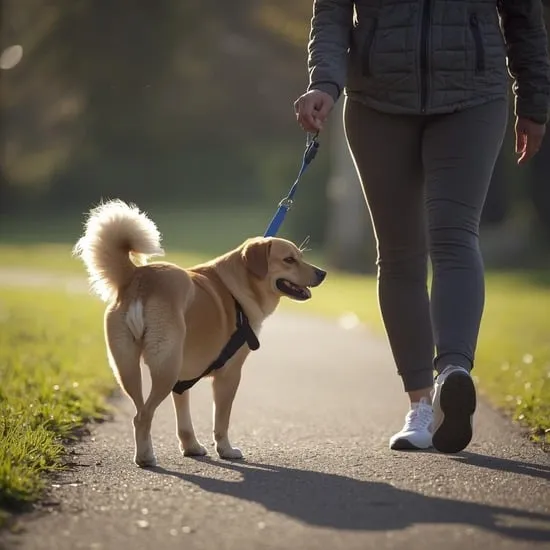
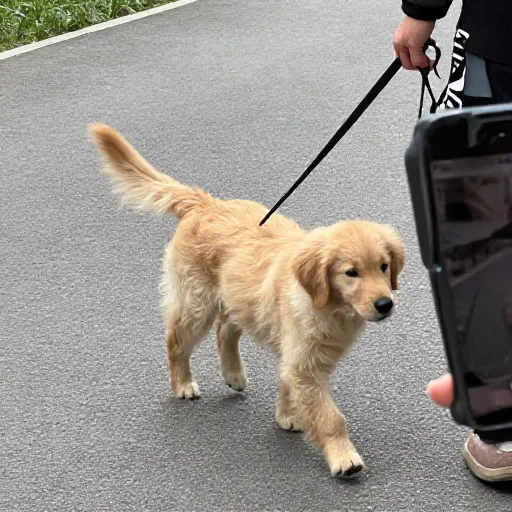
Forget pulling back on the leash. Instead, when your puppy pulls, stop walking. Stand still like a statue. The moment the leash goes slack, take a few steps forward. If they pull again, stop again.
This teaches your puppy that pulling makes everything stop, while walking nicely makes the fun continue. It’s a gentle, clear lesson. You don’t need to yank or scold.
I call it the “leash lasso” because you are subtly guiding, not forcing. After a few walks, your puppy will start checking in with you, and the walks become a joy.
6. The “Crate Chill” for Potty Success
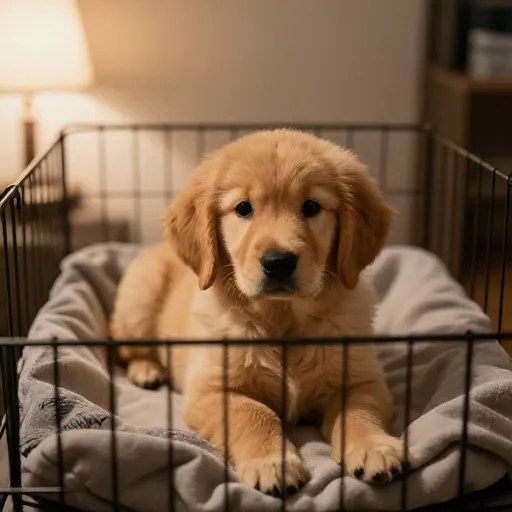
Crate training isn’t about punishment. It’s about giving your puppy a cozy den where they naturally don’t want to potty. Use a crate that is just big enough for them to stand, turn, and lie down.
Set a timer for every 2-3 hours during the day. Take your puppy directly from the crate to their potty spot. If they go, give a big party and a treat. If not, pop them back in the crate for 10 minutes and try again.
This hack stops accidents before they happen. It also builds a reliable schedule. Your puppy learns that holding it is easier than cleaning a mess.
7. The “Name Game” for Reliable Recall
Your puppy’s name should be the best word ever. To build this, sit in a quiet room with high-value treats. Say your puppy’s name once in a happy tone. The second they look at you, mark it with a “yes!” and toss a treat.
Do this in short, 1-minute sessions several times a day. Slowly add small distractions, like a squeaky toy in your hand. Never say their name in an angry voice.
This creates a rock-solid recall. When you call them at the park, they will come running because your voice means magic things. It’s the foundation of safety and freedom.
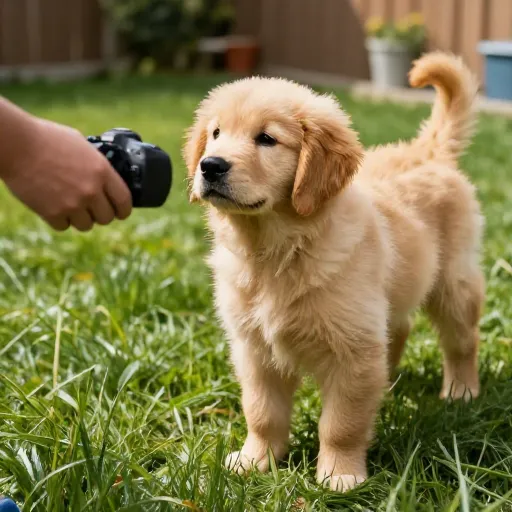
8. The “Toy Trade” to Stop Resource Guarding
If your puppy growls over a bone or toy, don’t grab it. Instead, offer a high-value trade, like a piece of chicken or a stuffed Kong. When they drop the item to take the treat, pick it up calmly.
This teaches them that letting go of something leads to something even better. It prevents guarding behavior from becoming a habit. Do this regularly with different items.
It’s a win-win: your puppy feels safe and you build trust. They learn that your hand near their treasure is a good thing, not a threat.
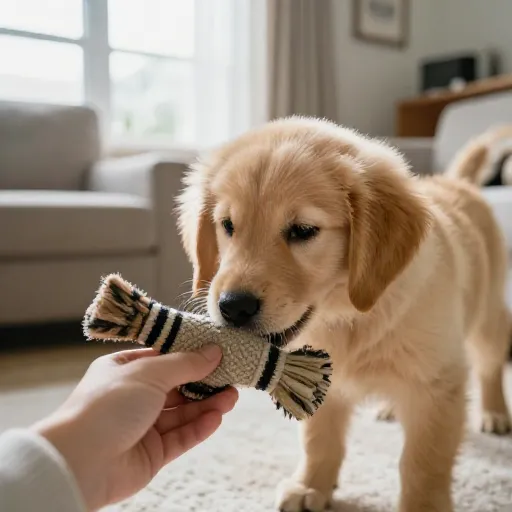
9. The “Five-Second Sit” for Doorway Manners
Before every meal, walk through a door, or put on their leash, ask for a simple sit. But here’s the hack: hold the sit for just five seconds before releasing them. This tiny pause builds impulse control.
Use a calm voice and a hand signal. Count slowly in your head. When the five seconds are up, say “free!” and let them move. This turns everyday moments into training opportunities.
After a few days, extend to ten seconds. Your puppy will learn that good things come to those who wait. It’s a tiny habit with huge results.
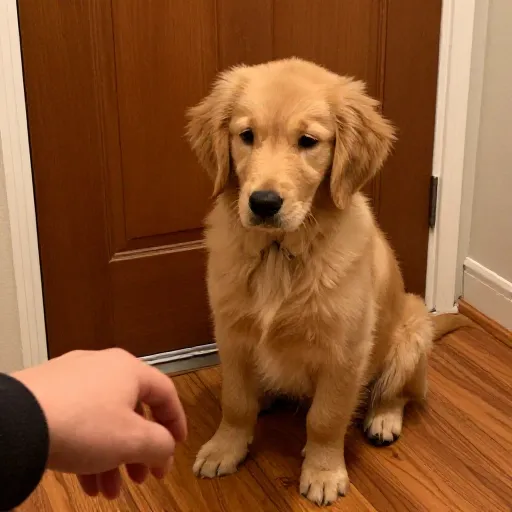
10. The “Bedtime Wind-Down” for Restful Nights
Puppies need a routine to sleep through the night. An hour before bed, stop all exciting play. Switch to quiet time: a chew toy, gentle petting, or a short puzzle game. This lowers their energy level.
Take them out for a final potty break right before bed. Then, put them in their crate with a safe, durable chew. Cover the crate lightly with a blanket to make it feel like a cozy cave.
This signals that the day is over. Most puppies will settle down within a few minutes. You get a full night’s sleep, and they learn that nighttime means rest.
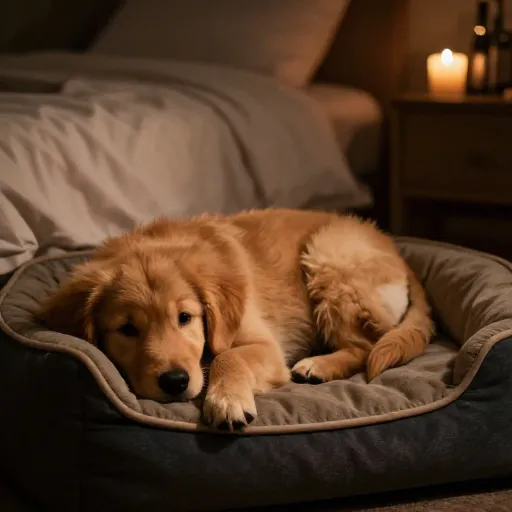
Conclusion: You’ve Got This
Training a puppy doesn’t have to be a struggle. These hacks are simple, gentle, and built on trust. Remember, every puppy learns at their own pace. Celebrate the small wins—the first time they sit at the door, the first calm walk, the first full night of sleep.
Be patient with yourself and your pup. You are building a lifelong friendship, one tiny hack at a time. Keep it fun, keep it consistent, and don’t forget to laugh. Your puppy is doing their best, and so are you.
Now go enjoy those sweet, slobbery puppy kisses. You’re already doing amazing.
Frequently Asked Questions
Q: How long does it take for these hacks to work?
A: Most puppies show improvement within a few days if you are consistent. Full habits can take 2-3 weeks. Be patient and keep sessions short.
Q: What if my puppy doesn’t like treats?
A: Try small bits of cooked chicken, cheese, or freeze-dried liver. Also, some puppies prefer toy rewards or a quick game of tug. Find what makes their tail wag.
Q: My puppy still has accidents. Am I doing something wrong?
A: Not at all. Accidents happen. Stick to a regular potty schedule and clean accidents with an enzyme cleaner. Puppies have small bladders and need frequent breaks.
Q: Can I use these hacks for an older dog?
A: Absolutely. These methods work for dogs of any age. Older dogs may take a bit longer if they have learned different habits, but they will respond well to positive training.
Q: Do I need to use a clicker?
A: A clicker helps, but it’s not required. You can use a consistent word like “yes” or a simple thumbs-up. The key is to mark the exact moment your puppy does the right thing.