How to Stop My Dog Barking at Other Dogs on Walks
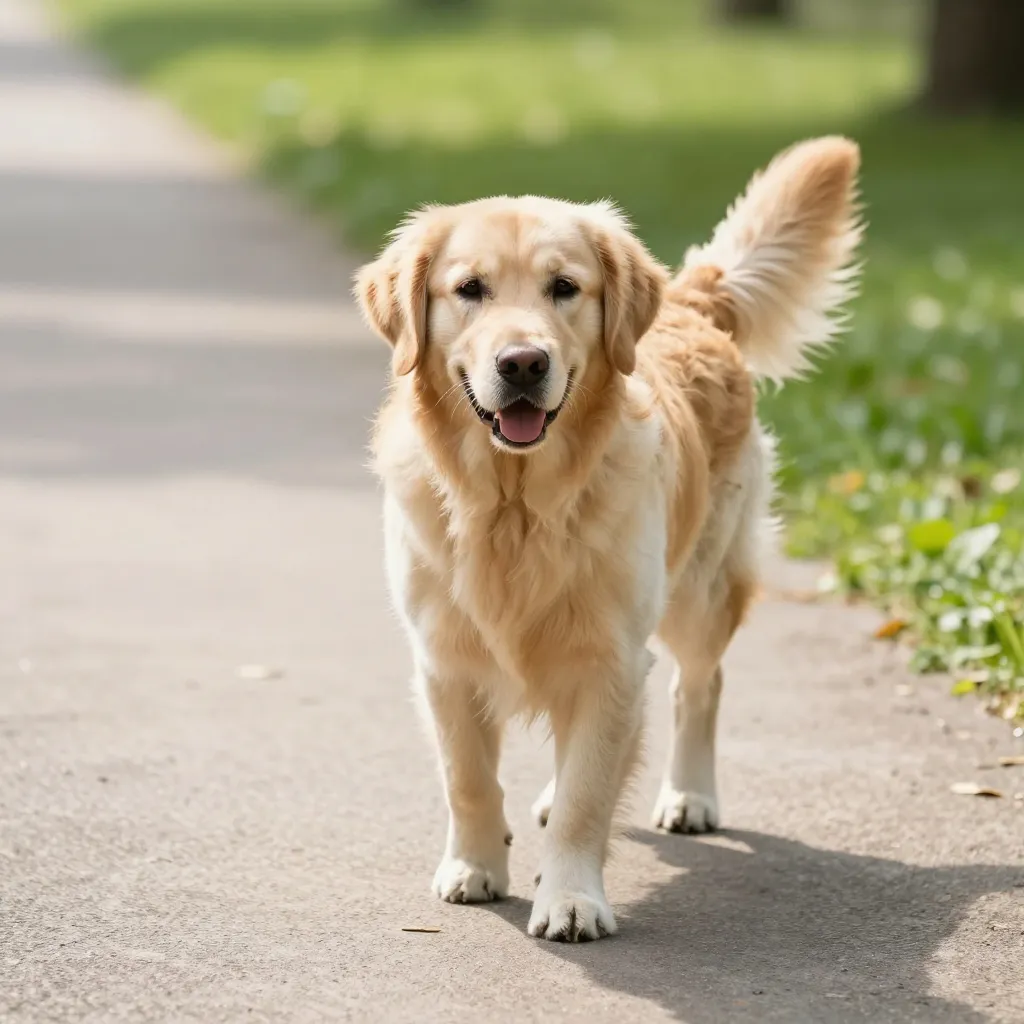
Walking your dog should be a peaceful, happy time. But if your dog turns into a barking, lunging mess every time you see another dog, it can feel stressful and embarrassing. I’ve been there, and I know how frustrating it is.
The good news? You can absolutely change this behavior. It takes patience, consistency, and a few smart strategies. Let me share what actually works, based on real experience and simple training techniques.
Below are ten practical ideas that helped me turn reactive walks into calm, enjoyable ones. Pick one or two to start, and build from there.
1. Find Your Dog’s Threshold Distance
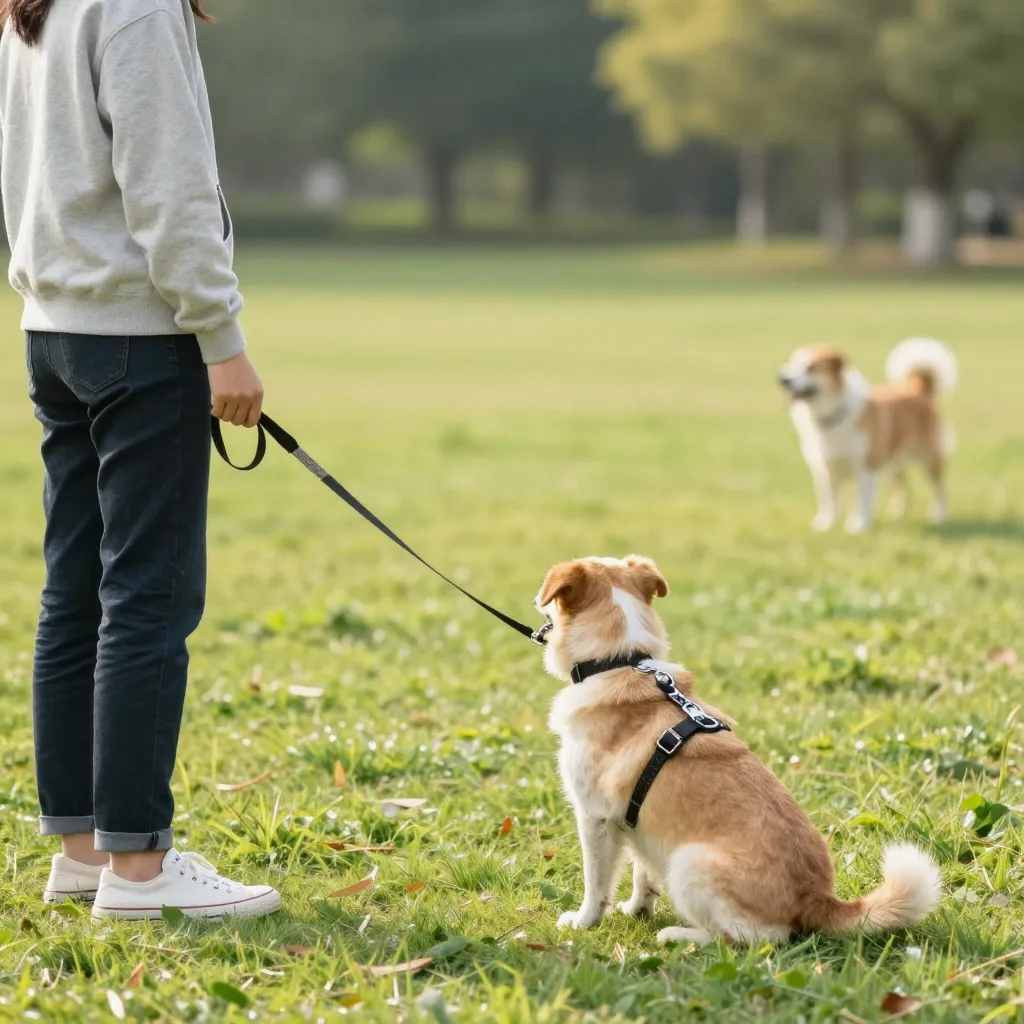
Every dog has a distance where they feel safe from another dog. This is their “threshold.” If you push past it, they bark.
- Walk at a distance where your dog notices the other dog but doesn’t react.
- This might be across the street, a football field away, or even further.
- Practice staying just inside this safe zone. Reward calm behavior with treats.
Over time, you can slowly decrease the distance. This is the foundation of all training.
2. Master the “Look at Me” Cue
A dog that’s staring at another dog is about to bark. Break that stare.
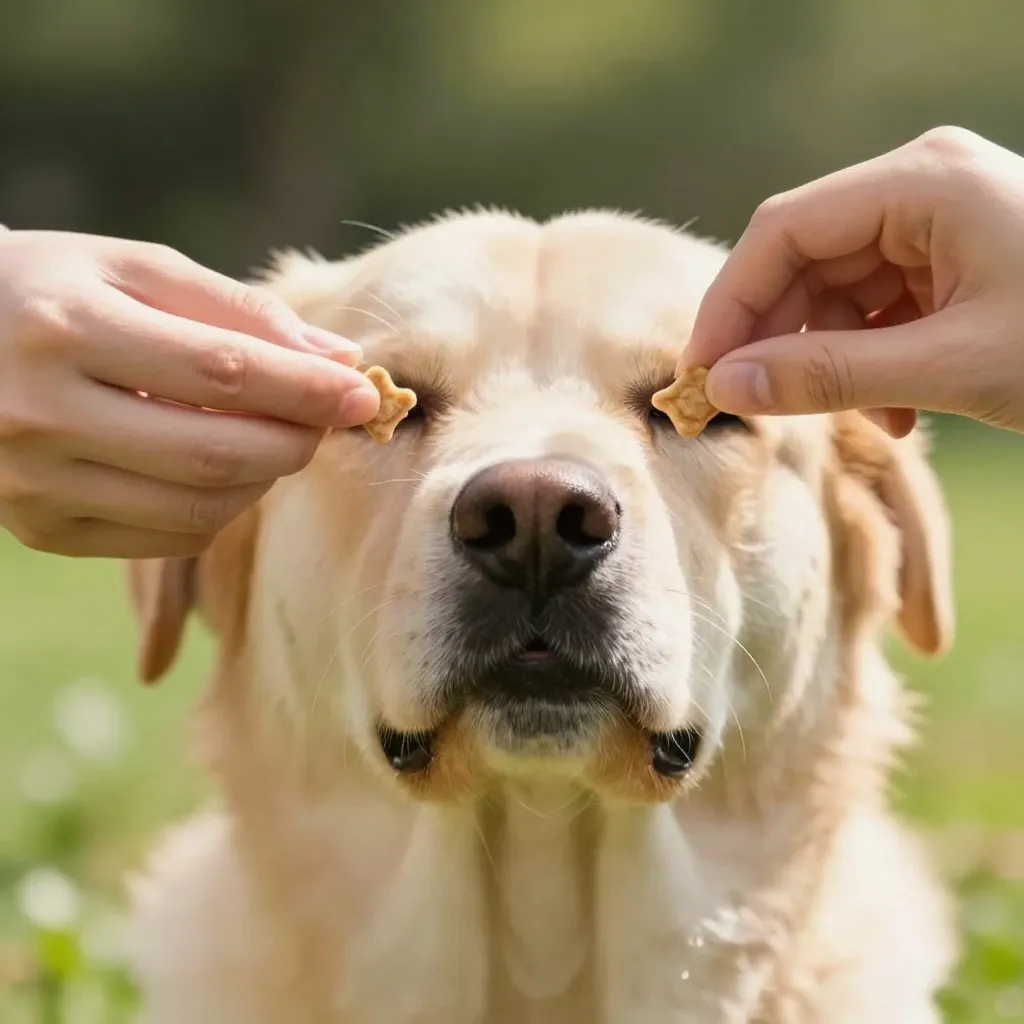
- Hold a high-value treat near your dog’s nose.
- Slowly bring it up to your eye level. Say “look” or “watch me.”
- When they make eye contact, reward them immediately.
Practice this at home first, then on walks at a distance. It gives you a powerful way to redirect their attention.
3. Use “Let’s Go” as a Happy Escape
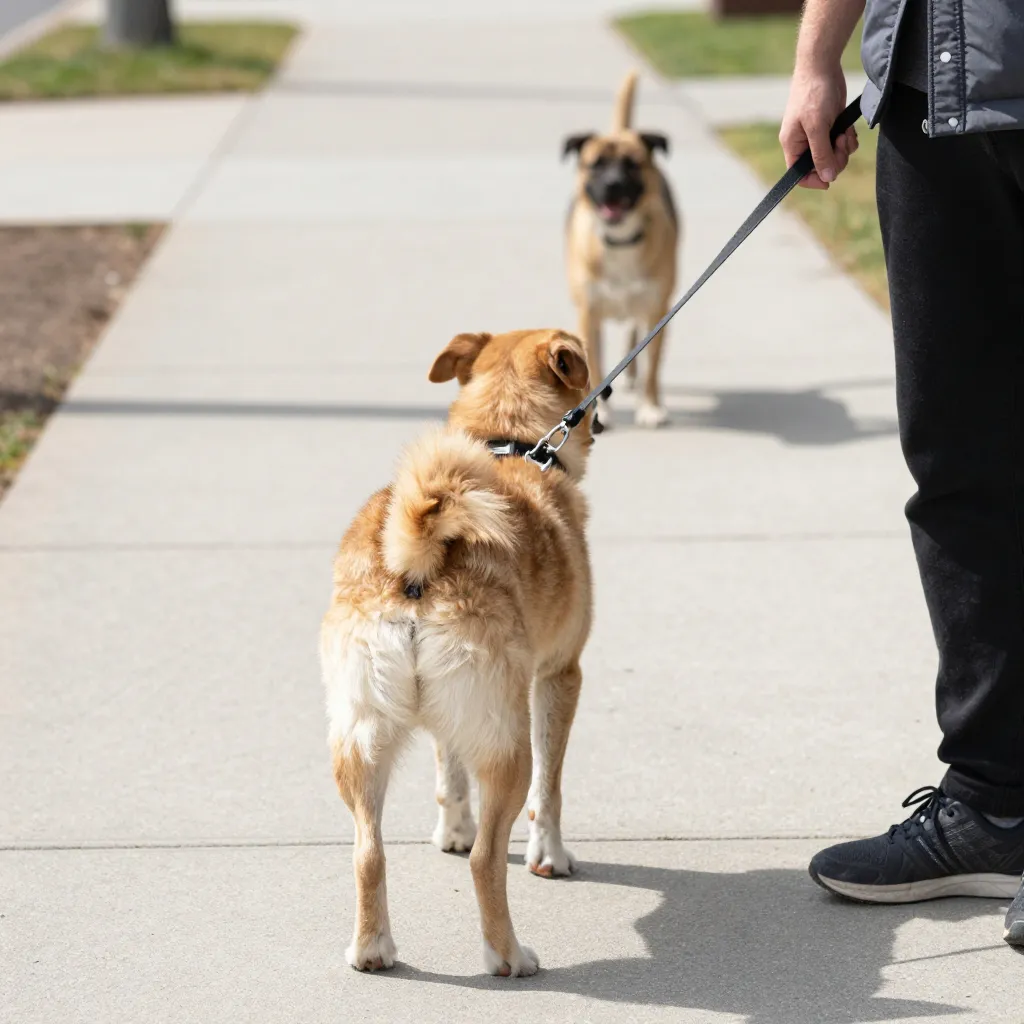
Instead of yanking your dog away, teach a cheerful “let’s go” cue.
- Say “let’s go” in a bright voice and jog or walk quickly in another direction.
- Reward your dog for following you with a treat or praise.
- Practice this randomly on walks, even when no other dogs are around.
This turns a potential meltdown into a fun game. Your dog learns that moving away from triggers is rewarding.
4. Change Your Own Body Language
Dogs pick up on your tension. If you stiffen up or hold the leash tightly, you signal danger.
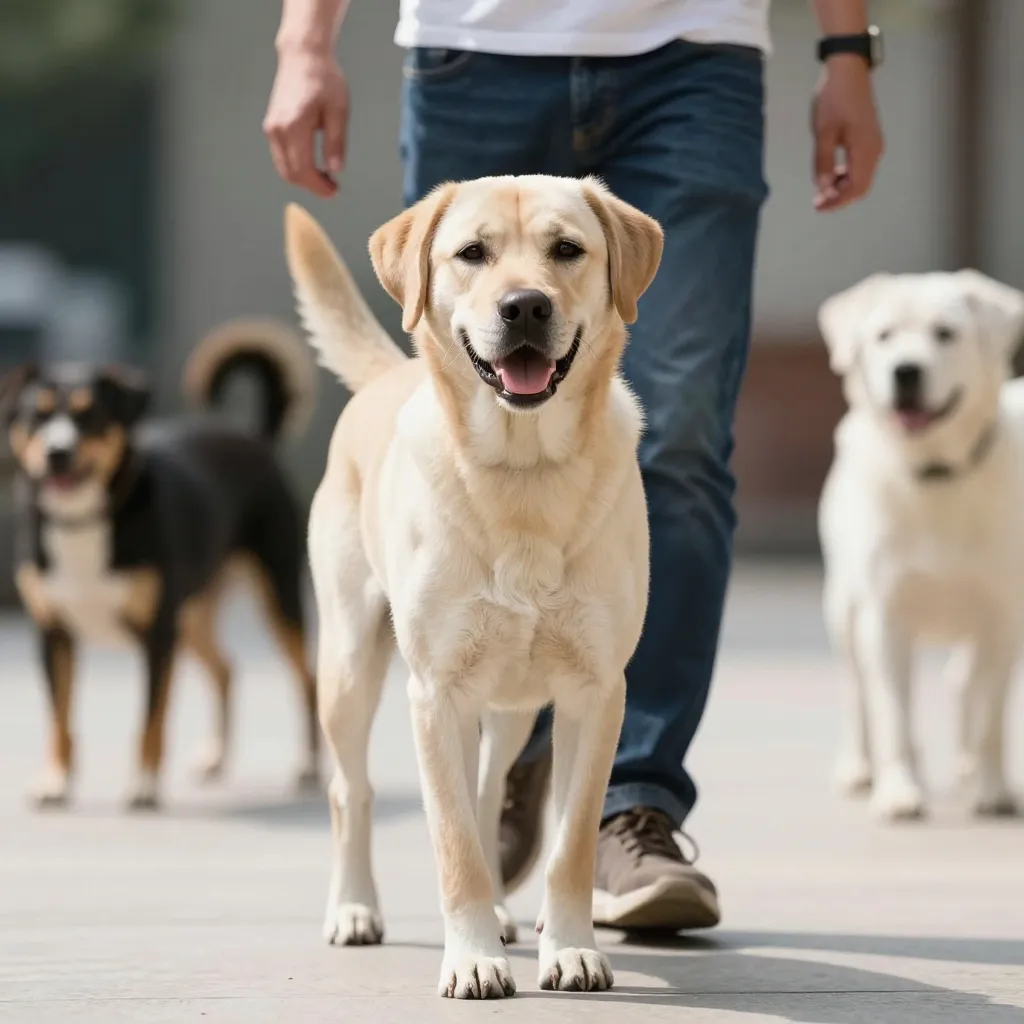
- Keep your shoulders relaxed and your breathing slow.
- Hold the leash with a loose grip, not a death grip.
- Walk with confidence. Act like you have everything under control.
When you stay calm, your dog feels safer. Your energy sets the tone for the whole walk.
5. Practice “Find It” for Distraction
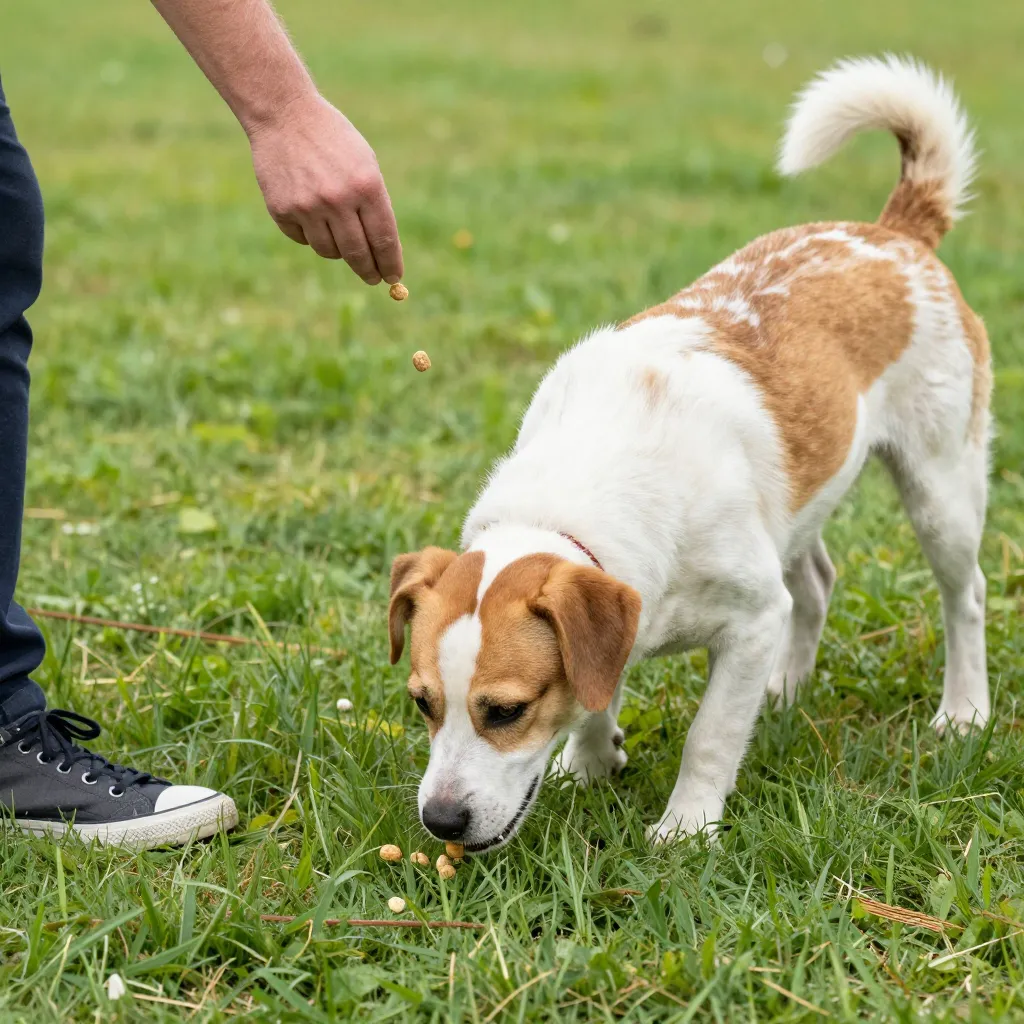
Tossing treats on the ground can break your dog’s focus and calm their nerves.
- As soon as you spot another dog, say “find it” and scatter a few treats on the ground.
- Your dog sniffs and searches, which is a calming activity.
- This works best when you do it before your dog starts barking.
It shifts their brain from “threat” mode to “sniffing” mode. Plus, it’s easy to do anywhere.
6. Avoid Punishment or Yelling
Yelling at a barking dog rarely helps. It often makes things worse.
- Punishment can increase anxiety, which triggers more barking.
- Instead, focus on rewarding the quiet moments.
- If your dog does bark, calmly move further away, don’t scold.
Positive reinforcement builds trust. Your dog will learn that calm behavior earns treats, not that you’re unpredictable or scary.
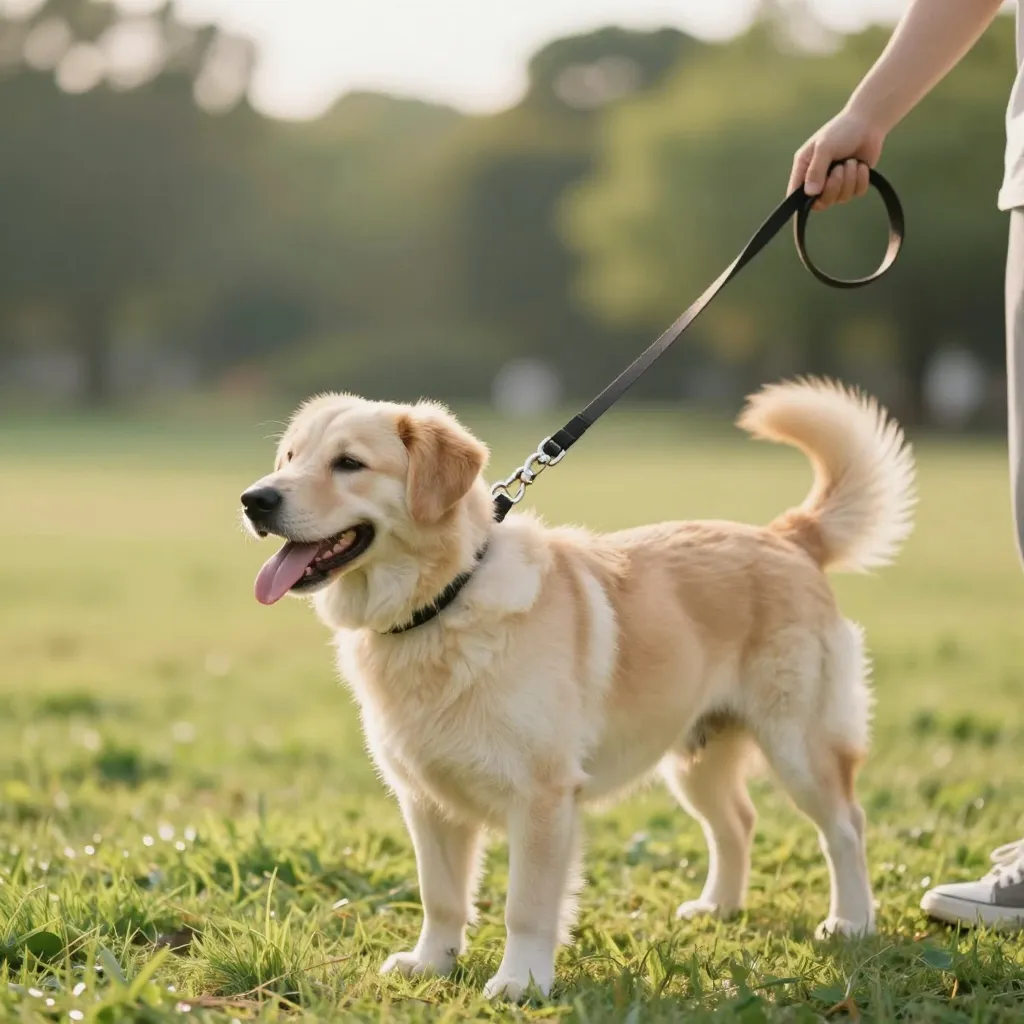
7. Use a Front-Clip Harness
A front-clip harness gives you more control without choking your dog.
- The leash clips at the chest, not the back.
- This gently steers your dog sideways when they lunge.
- It gives you leverage without hurting their neck.
It’s a simple tool that makes a big difference. Your walks become safer and less frustrating.
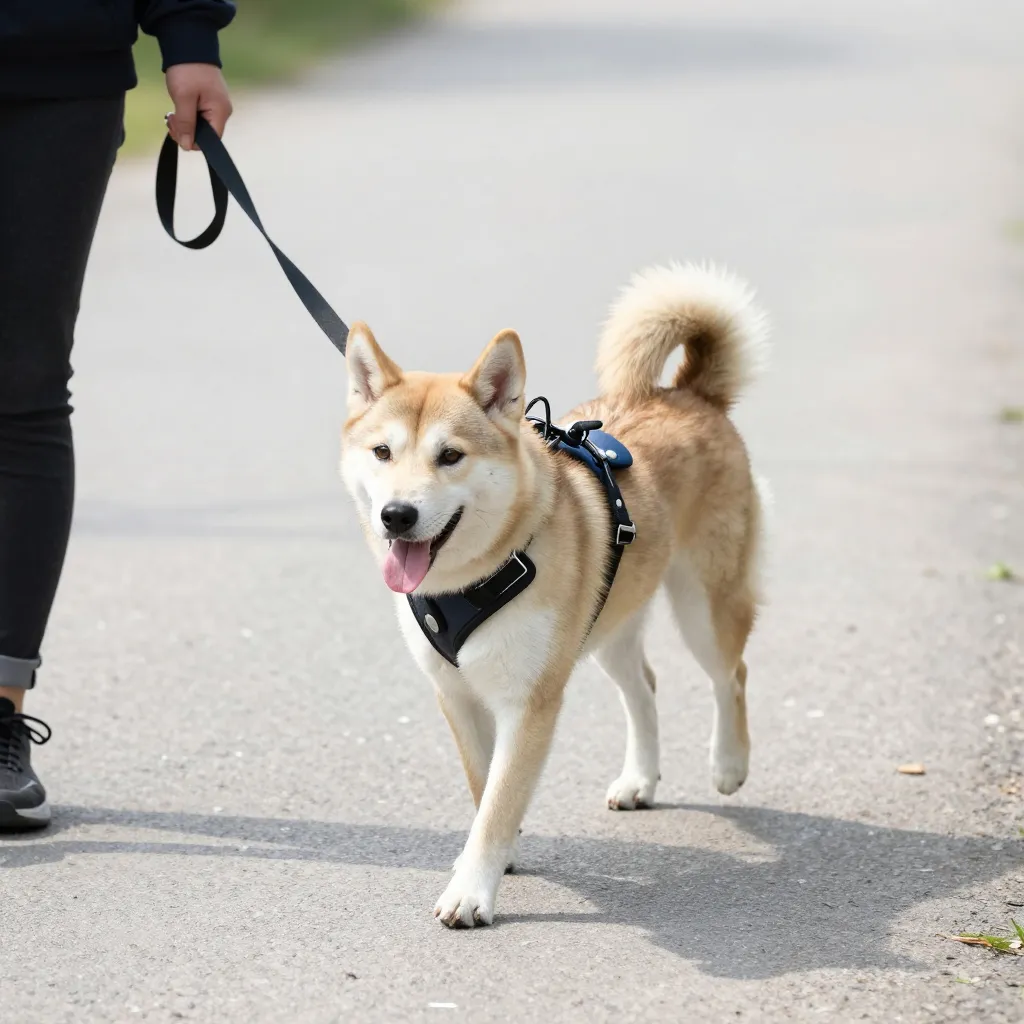
8. Walk at Off-Peak Times
You don’t have to train in the busiest dog hours. Choose quieter times to start.
- Early mornings or late evenings often have fewer dogs.
- Use these calm walks to practice your skills without pressure.
- Gradually, you can try busier times as your dog improves.
Setting your dog up for success is smart, not lazy. It builds confidence for both of you.

9. Teach a Strong “Sit” Around Triggers
A solid sit can be a lifesaver when a dog appears suddenly.
- Practice sitting at a distance from other dogs.
- Reward your dog for holding the sit while the other dog passes.
- Start far away, then slowly move closer over days or weeks.
Sitting is incompatible with barking. It gives your dog a job to focus on instead of reacting.
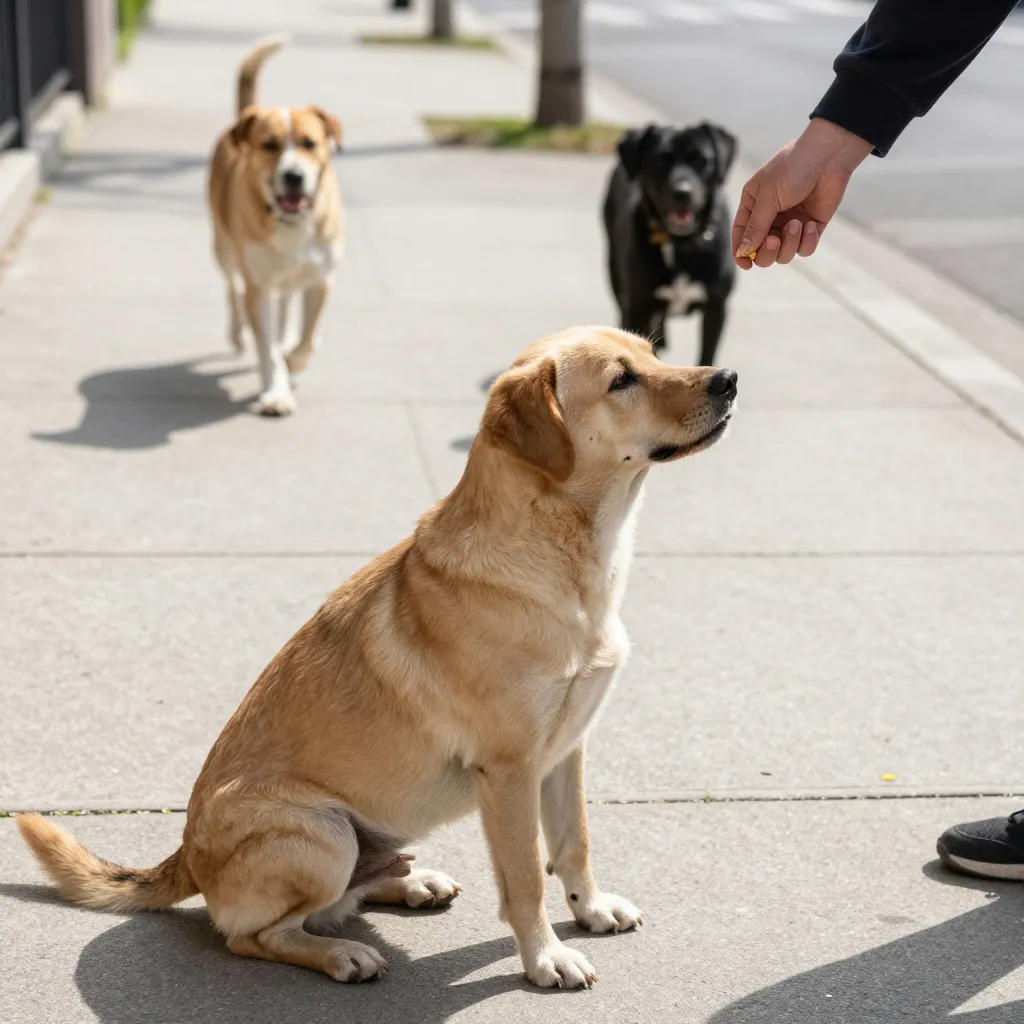
10. Be Consistent and Patient
This is the hardest part. Change doesn’t happen overnight.
- Practice daily, even for just five minutes.
- Celebrate small wins, like a second of calm before a bark.
- Don’t get discouraged by setbacks. They’re normal.
Your dog is learning a new way to feel. With time, those reactive walks will become rare. Trust the process.
Conclusion
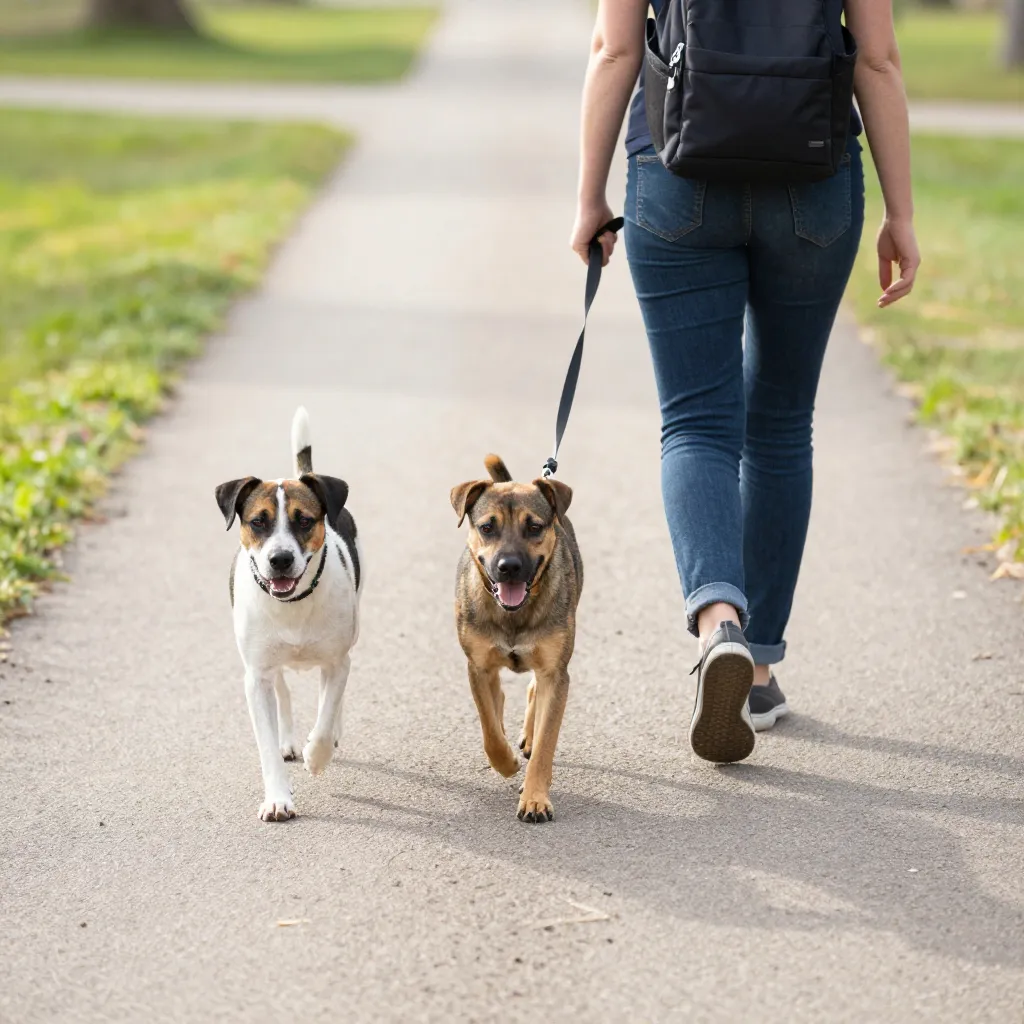
Stopping your dog from barking at other dogs on walks is totally possible. It just takes understanding, patience, and the right techniques. Start with one or two ideas from this list and practice them consistently. You’ll both feel more relaxed and confident out there. Happy walking!
Frequently Asked Questions
Why does my dog bark at other dogs on walks?
Most often, it’s either fear, excitement, or frustration. Your dog might feel threatened, want to play but can’t, or be unsure how to act. Understanding the root cause helps you choose the best training method.
How long does it take to stop leash barking?
It varies. Some dogs improve in a few weeks, others take months. Consistency is key. The more you practice calm responses, the faster the change happens.
Should I use a prong collar or shock collar?
I don’t recommend them. These tools can increase fear and anxiety, making barking worse. Positive methods build trust and address the underlying emotion, not just the symptom.
Can I train an older dog to stop barking at other dogs?
Absolutely. Older dogs can learn new behaviors. It might take a bit more patience, but the same techniques work. Focus on rewarding calm behavior at a comfortable distance.
What if my dog won’t take treats on walks?
Try higher-value treats like chicken, cheese, or hot dogs. If they’re too stressed, you’re too close to the trigger. Move further away until they’re calm enough to eat. Treats should be a reward, not a bribe.