12 Genius Side Yard Dog Run Solutions for Small Spaces That Actually Look Great
If you have a narrow strip of land running alongside your house, you probably know the struggle. It’s too tight for a full backyard setup, but it’s the perfect spot for a dedicated dog run. The challenge? Making it functional, safe, and not an eyesore.
I’ve spent way too many weekends staring at my own skinny side yard, trying to figure out how to turn it into a space my pup actually loves. After tons of research and a few trial-and-error projects, I’ve rounded up the best solutions that work for tight spaces, muddy paws, and busy owners. Whether you rent or own, these ideas will help you reclaim that awkward strip of grass (or gravel) and turn it into your dog’s favorite hangout.
1. The Classic Gravel Grid System
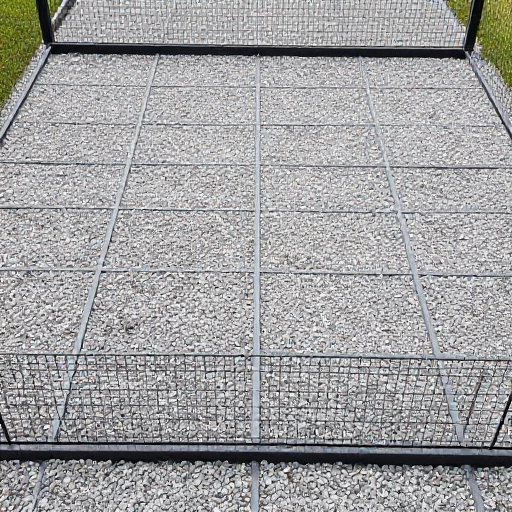
Gravel is a top pick for side yards because it drains well and doesn’t turn into a mud pit. But loose gravel can be tough on paws and gets scattered everywhere. The trick is to use a geogrid or honeycomb paver system that holds the gravel in place.
I love this because it gives your dog solid footing while still allowing rainwater to soak through. It’s a weekend project that saves you from constantly cleaning muddy paw prints off your floors.
Just make sure to choose pea gravel or decomposed granite that’s comfortable underfoot. Avoid sharp, jagged rocks. Your dog will thank you, and so will your vacuum cleaner.
2. Artificial Turf with a Drainage Layer
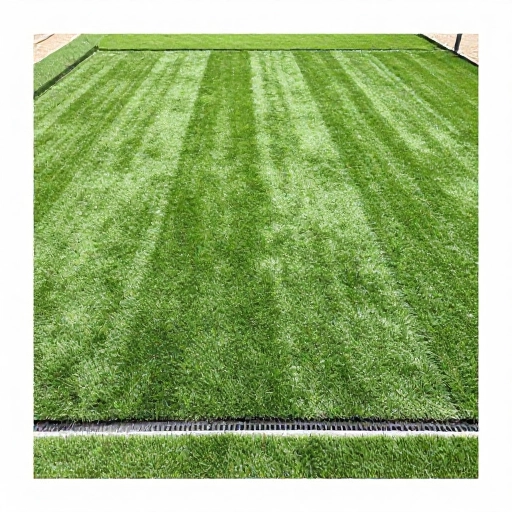
If you want the look of a lush green lawn without the upkeep, artificial turf is a game-changer. Modern turf looks and feels real, and it’s incredibly durable for dogs that like to dig or run.
The key is installing it over a proper drainage base. I recommend adding a layer of crushed rock or specialized turf underlayment beneath it. This prevents urine from pooling and keeps odors from baking in the sun.
You’ll also want to rinse it down weekly with a hose and use a pet-safe enzyme cleaner to keep it fresh. It’s more of an upfront investment, but it’s virtually maintenance-free afterward.
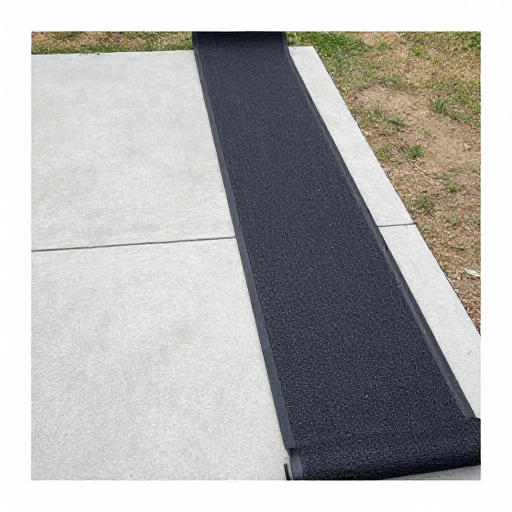
3. The Concrete Pad with a Soft Runner
Concrete is the most durable surface for a dog run, especially for large breeds that love to sprint. But hard concrete is tough on joints, especially for older pups. The solution is to pour a smooth concrete pad and then lay down a rubber runner or outdoor mats in the areas where your dog plays the most.
This combo gives you the easy-clean surface of concrete with the comfort of a cushioned footing. You can use interlocking rubber tiles or a roll of commercial-grade rubber flooring designed for kennels.
I like to keep one section bare for easy hosing, and another section padded for naps in the sun. It’s a simple, budget-friendly approach that looks surprisingly clean and modern.
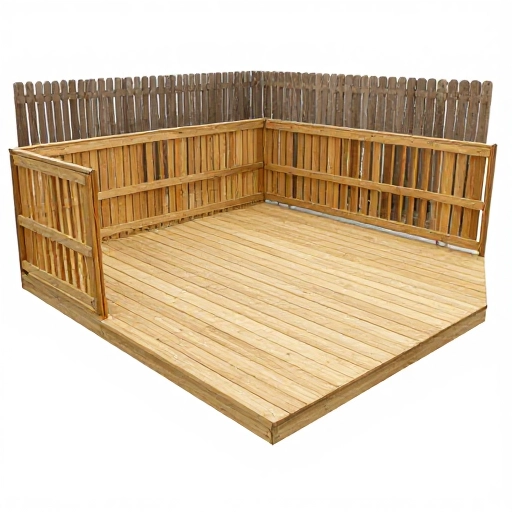
4. Raised Decking for Zero Mud
If your side yard is prone to flooding or stays damp, consider building a raised wooden deck. This elevates your dog above the mud and keeps them dry even after heavy rain. Pressure-treated lumber or composite decking boards work best for longevity.
Leave small gaps between the boards so water and waste fall through, making cleanup a breeze. Just be careful with the gap size—you don’t want a small paw getting caught. I’d recommend a quarter-inch gap at most.
This solution looks fantastic and turns your side yard into an extension of your home’s outdoor living space. Add a few potted plants and a water bowl, and it feels like a resort for your furry friend.
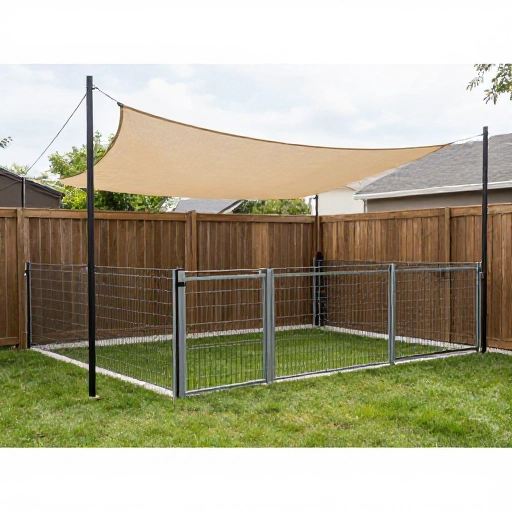
5. The Shade Sail Cover-Up
Side yards often get scorching afternoon sun, making the space unusable during summer. A shade sail is a stylish, affordable way to create a cool, comfortable zone. These fabric canopies come in various shapes and colors and attach to your house and fence posts.
I love the modern look of a triangular sail stretched diagonally across the run. It provides UV protection and lowers the ground temperature significantly. Your dog will actually want to be outside instead of baking near the back door.
Make sure to install it at a slight angle so rain runs off instead of pooling. It’s a simple DIY that you can adjust seasonally if needed.
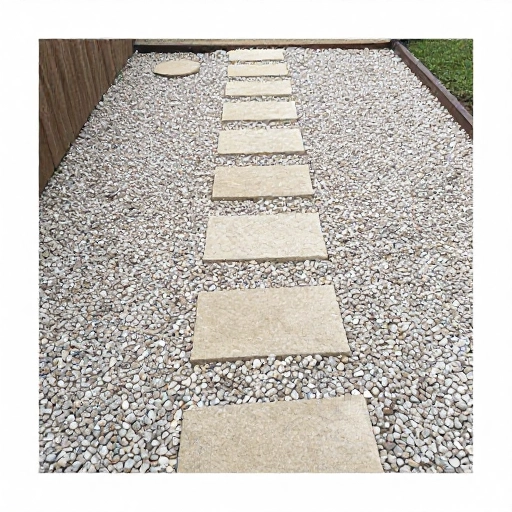
6. Pea Gravel with Stepping Stones
If you want a more natural, garden-like feel, mix pea gravel with large flat stepping stones. This creates a visually interesting path that’s easy for your dog to navigate. The stones provide solid spots for standing, while the gravel absorbs moisture and controls odors.
This is one of my favorite solutions because it’s cheap and fully customizable. You can arrange the stones in a winding pattern or a straight line, depending on the length of your run.
Just be prepared to top up the gravel every year or so. It tends to settle and spread, but a quick rake and a fresh bag of gravel keeps it looking sharp.
7. The Dog Door to a Fenced Run
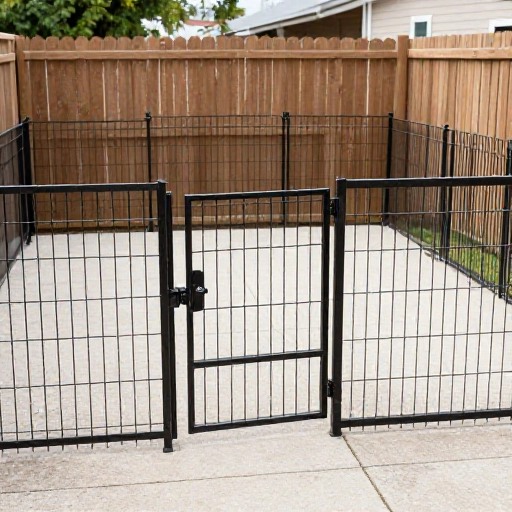
For the ultimate convenience, install a dog door that leads directly from your house into a fully fenced side yard run. This gives your dog freedom to go outside whenever they need to, without you having to play doorman all day.
The run itself can be simple—just a secure fence and a reliable surface. The magic is in the door. Make sure to choose a model that matches your wall thickness and has a secure locking mechanism for when you’re away.
This solution is perfect for people with busy schedules. Your dog gets the independence they crave, and you get peace of mind knowing they’re safe and contained.
8. The Galvanized Steel Trough Planter Border
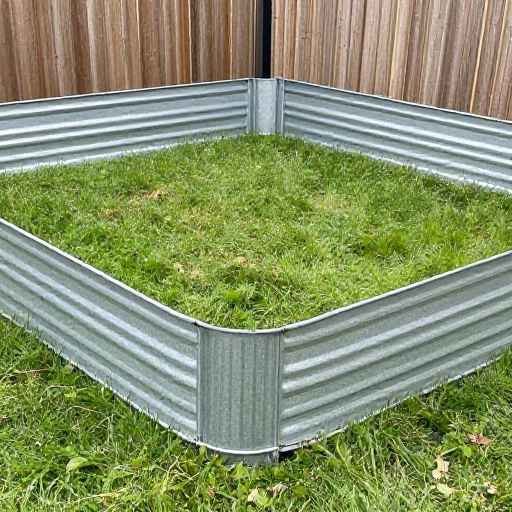
If your dog loves to dig under the fence, turning the perimeter into a planting bed can solve the problem. Use galvanized steel troughs or raised metal edging to create a solid barrier that blocks digging escape routes.
Fill them with hardy, dog-safe plants like lavender, rosemary, or ornamental grasses. These plants add privacy, scent, and color to a narrow space. The metal troughs also prevent your dog from getting a running start at the fence.
This is a beautiful solution that blends function with landscaping. It takes a bit of effort to set up, but it’s a permanent fix that elevates the whole look of your yard.
9. The Recycled Rubber Mulch Base
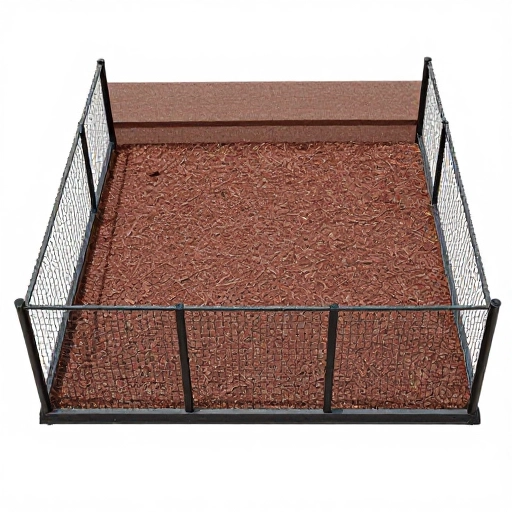
Rubber mulch is an excellent surface for dog runs because it’s soft, bouncy, and doesn’t decompose. Unlike wood mulch, it won’t rot, splinter, or harbor insects. It also drains well and doesn’t get muddy.
You can spread it directly over soil or a weed barrier. It comes in various colors, but I prefer the dark brown or black options that look like natural soil. It stays in place well and is easy to rake.
This is a great choice for energetic dogs that love to zoom around. The cushioning effect is easier on their joints than concrete or gravel.
10. The Vertical Garden Wall
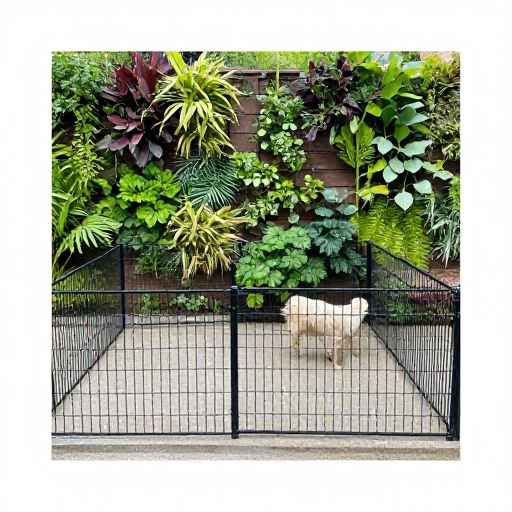
Narrow side yards often lack visual interest because there’s no room for trees or large shrubs. A vertical garden wall along one side of the run adds greenery without taking up floor space. Use wall-mounted planters or a trellis system.
Choose climbing plants like jasmine, clematis, or dog-safe ivy varieties. These plants soften the hard lines of the fence and create a cozy, enclosed feeling. They also provide natural shade as they grow.
This idea makes the run feel less like a corridor and more like a secret garden. Just be sure to avoid toxic plants like oleander or sago palm if your dog is a nibbler.
11. The Deep Clean Concrete Washout
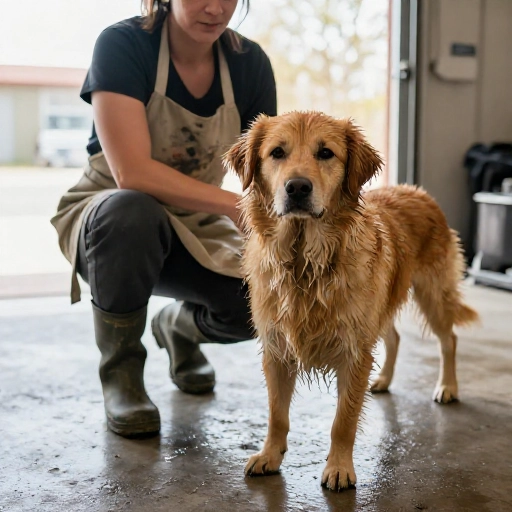
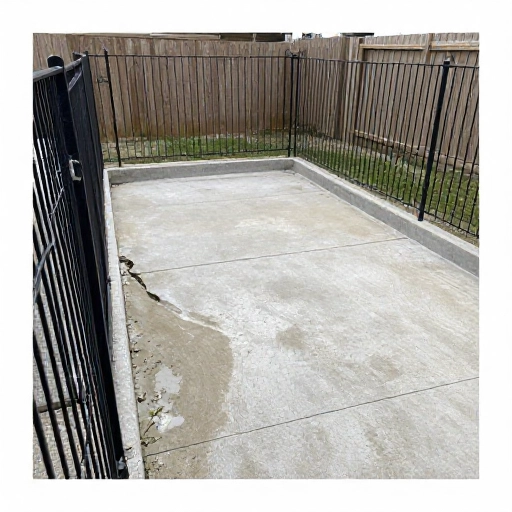
For the lowest-maintenance option, create a sloped concrete pad with a built-in drain. This is essentially an outdoor utility area designed for easy washing. You can hose down the entire run, and everything flows toward a floor drain or into your garden.
This is ideal for owners who live in wet climates or have dogs that love to roll in dirt. It’s also perfect for kennels or hunting dogs that come home messy. Add a small outdoor spigot right at the run entrance for quick rinses.
It’s not the prettiest option, but you can paint the concrete with a textured coating or stamp it to look like stone. Functionality trumps aesthetics here, and it will last for decades.
12. The Multi-Zone Temperature Control
Dogs need a place to cool off and warm up, especially in a narrow run that gets extreme temperatures. Create zones within the run: one area with shade and a cooling mat, and another with a raised bed that gets sun for winter naps.
I like to use a combination of materials to achieve this. Place a shaded gravel section with a doghouse or canopy, and a sunny concrete area with a heated outdoor pad for chilly mornings. This way, your dog can self-regulate their comfort.
Add a shallow splash pool during summer—just a kiddie pool works perfectly. This simple addition turns the run into a fun zone and prevents overheating.
Final Thoughts on Your Side Yard Dog Run
Transforming a narrow side yard into a functional dog run doesn’t require a massive budget or a landscaping degree. It’s all about choosing the right surface, providing shade, and preventing escape. Start with the ground material, then add comfort features based on your climate and your dog’s personality.
Remember that your dog doesn’t care if it’s fancy—they just want a safe, comfortable place to stretch their legs and sniff around. Pick the solution that fits your lifestyle and maintenance tolerance, and you’ll both be happy.
Frequently Asked Questions
Q: What is the best surface for a dog run on a side yard?
A: The best surface depends on your climate and budget. Pea gravel and artificial turf are great all-around choices because they drain well and are comfortable. Concrete is the most durable but can be hard on joints, so add rubber mats on top.
Q: How do I stop my dog from digging under the fence in a side yard?
A: Install a buried barrier like galvanized metal edging or wire mesh that extends at least 12 inches below the soil line. You can also place large rocks or paver stones along the fence base to block digging attempts.
Q: Can I use regular grass in a side yard dog run?
A: Yes, but it’s tough to maintain. Dogs will quickly create bare patches from running and urine spots. If you want real grass, choose a tough variety like bermuda or fescue, and be prepared to water and reseed frequently.
Q: How do I control odor in a small dog run?
A: The key is drainage and regular cleaning. Use a surface like gravel or turf with a drainage layer. Rinse the area daily with water and apply an enzyme-based cleaner weekly to break down urine and eliminate smells.
Q: How much does it cost to build a basic side yard dog run?
A: A DIY setup can cost anywhere from $200 to $1,500 depending on materials. Gravel and fencing are the cheapest options, while artificial turf and concrete will push the price higher. Professional installation will add labor costs.