13 Farmhouse Dog Mud Room Ideas That Actually Work (And Look Beautiful)
Let’s be real—if you live on a farm or even just own a muddy dog, your entryway is probably a disaster zone. I’ve been there. That mix of wet fur, dirt clods, and the smell of damp dog is enough to make anyone crazy. But here’s the thing: with the right setup, your mudroom can become the hardest-working room in your house.
I’ve rounded up 13 practical, farmhouse-style ideas that real owners swear by. These aren’t just pretty pictures. They’re about making cleanup faster, keeping your floors safe, and making your pup feel like the VIP they are. Let’s dig in.
1. The “Dirty Dog” Walk-In Shower Nook
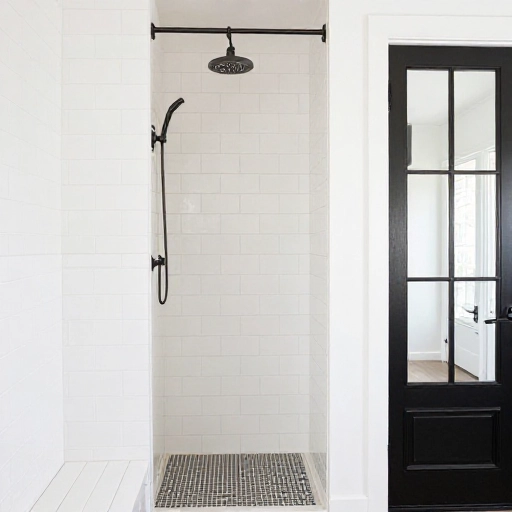
This is the ultimate game-changer. Instead of dragging your dog to the bathroom, build a small walk-in shower right in the mudroom. A handheld sprayer and a floor drain make rinsing off muddy paws a three-minute job. You don’t need a full bathroom—just a corner with tile up the wall and a curtain.
Think about the height. If you have a big dog, mount the showerhead at waist level so you don’t have to bend over. Add a little shelf for dog shampoo and a stack of old towels. It keeps the mud contained and out of your main living space.
For the farmhouse look, use subway tile and a black matte faucet. It looks clean, feels intentional, and saves your back.
2. Built-In Raised Dog Feeding Station
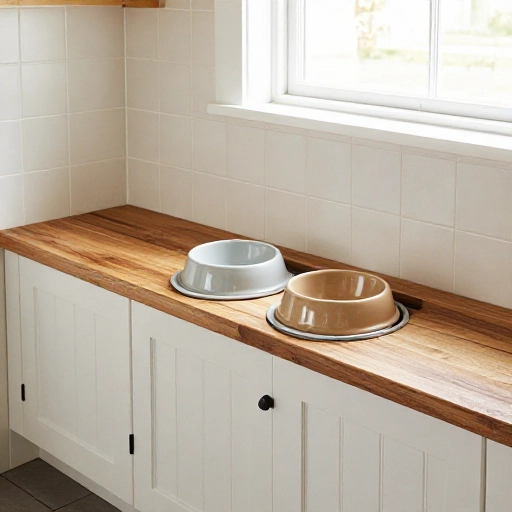
Raised bowls aren’t just a trend; they’re easier on your dog’s neck and joints, especially for larger breeds. Build a simple wooden cabinet with cutouts for two stainless steel bowls. The best part? The drawer underneath holds the food bag or treats, keeping everything tidy.
Pick a wood finish that matches your cabinetry—white shaker is classic, but a reclaimed barn wood top adds that rustic farmhouse charm. You can even add a little chalkboard label on the drawer front for that personalized touch.
This keeps the food off the floor and out from underfoot. It’s a simple DIY that makes the room look custom.
3. The Mud-Proof Locker System
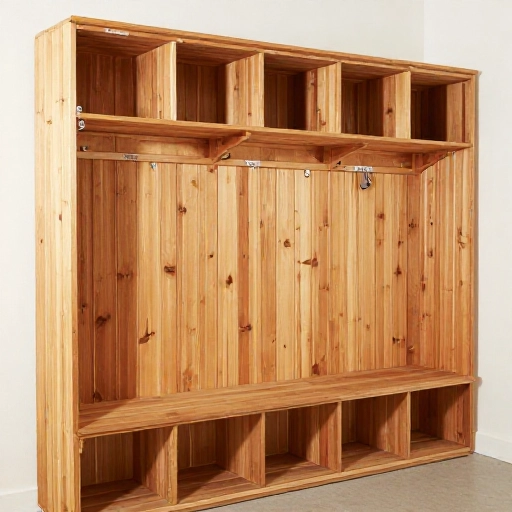
Forget open hooks. The true farmhouse mudroom uses closed lockers with a bench in between. Each locker gets a tall space for hanging coats and a cubby below for boots. Your dog’s leash and collar can hang on a dedicated hook inside the dog’s locker.
This hides the clutter. Even if your dog’s stuff is wet and messy, you can close the door and the room looks instantly clean. Use a durable, washable paint on the insides so you can wipe down muddy smudges.
Add a small vent or louvered door to let wet gear air out without letting you see it.
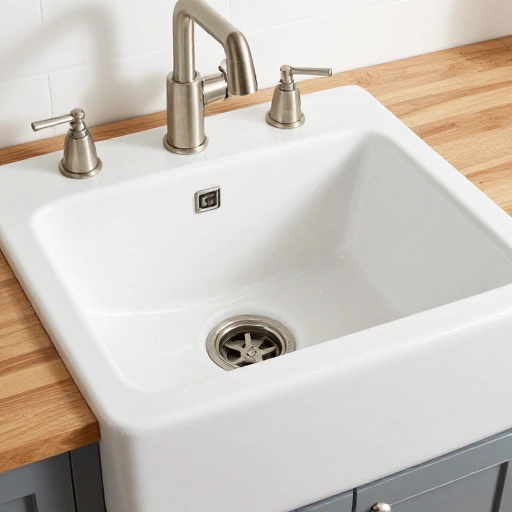
4. Deep Farmhouse Sink with a Sprayer
If you don’t have space for a full shower, a deep apron-front sink is your best friend. It’s big enough to wash off paws or muddy tennis balls. The farmhouse style apron front adds that classic look, but the real magic is the gooseneck sprayer.
You can fill a bucket right there, rinse off muddy boots, and wash out the dog bowl without splashing water all over the counter. Use a brushed nickel or oil-rubbed bronze finish to keep it looking rugged.
Place a rubber mat in the bottom of the sink to protect the finish when you’re scrubbing dirt off toys.
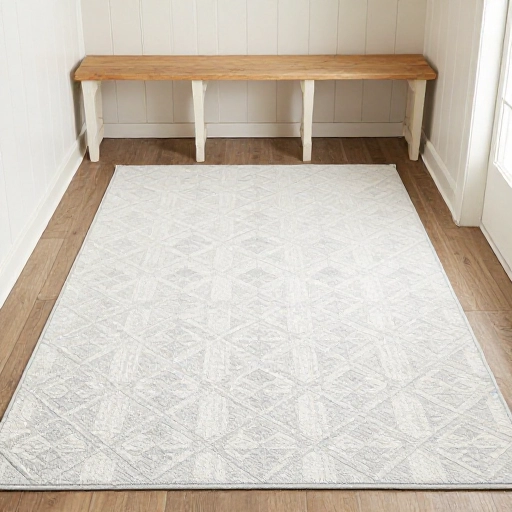
5. Washable Outdoor Rugs (Not Carpet)
This is a non-negotiable. Skip the fancy woven rug and get a flat-weave, indoor/outdoor rug. They come in farmhouse patterns like ticking stripes or buffalo plaids. They feel soft enough for your dog to lay on but are basically indestructible.
When it gets too hairy, you can spray it down with a hose and hang it to dry. No vacuuming dirt out of a high-pile carpet. It’s a small swap that makes a huge difference in how long your floors last.
Look for one with a non-slip backing or put a rug pad underneath so it doesn’t bunch up when your dog shakes off.
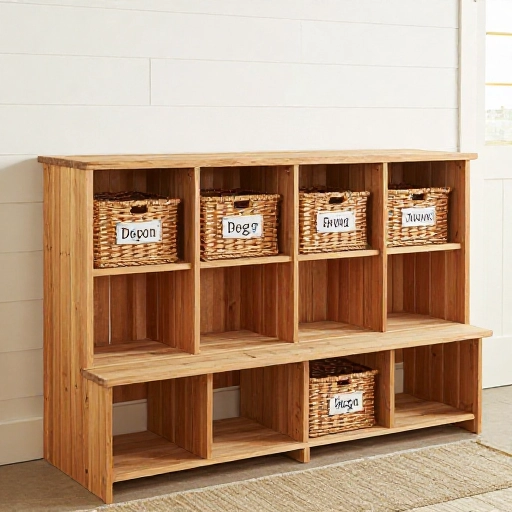
6. Individual Dog Cubby Bins
Give each dog (or each family member) their own labeled bin. These aren’t just for toys. They’re for leashes, waste bags, paw wipes, and dry towels. Use galvanized metal bins or woven baskets that fit into a built-in shelf unit.
Label them with a chalk tag or a stenciled name. It makes cleanup a habit because everything has a designated “home.” No more digging through a pile of junk to find the dog brush.
Keep the bins low to the ground so your dog can grab their own toy. It’s cute and functional.
7. The Towel Bar & Drying Station
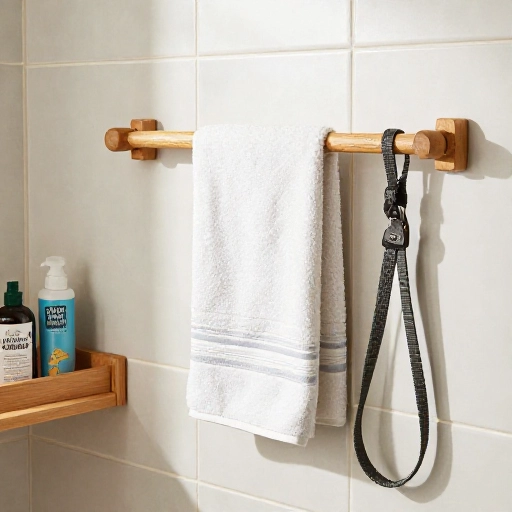
You need a dedicated spot for wet towels. Not just one hook—a proper towel bar. Hang two or three old bath towels there specifically for drying off muddy paws and wiping down wet fur. When they get dirty, toss them in the wash and swap them out.
Add a second bar lower down for the dog’s own towel. This creates a routine: step in, close the door, grab the towel, wipe the paws. It stops the wet dog trail from going any further into the house.
Install a small heater or a heated towel rack if you live in a cold climate. Warm towels make the drying process less stressful for a wiggly dog.
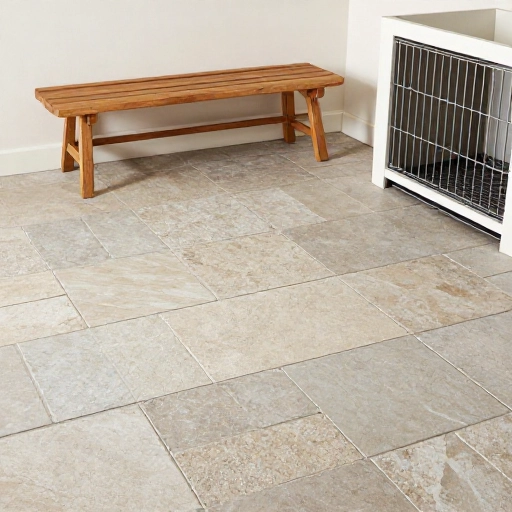
8. Paver Stone or Tile Flooring
Wood floors and mud don’t mix. For a real farmhouse mudroom, you need tile or brick. Large-format porcelain tiles that look like wood planks are a great choice. They give you the warm look of wood but with the waterproof durability of stone.
Use a darker grout color. Light grout will show dirt within a week and drive you crazy. Dark grout hides the grime and looks sharp against white cabinets.
Add a floor drain if you can. It makes hosing down the entire room a possibility, which is the ultimate farmhouse hack.
9. The “Shedding” Waiting Bench
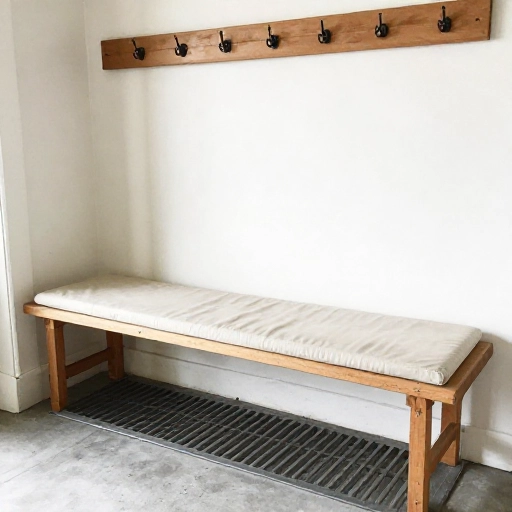
Design a bench with a hinged top. The inside is hollow storage for bulk items like dog food bags or big bags of treats. The bench itself is where you sit to put on your boots and where your dog waits to have their collar put on.
Place it directly in front of the door. This creates a natural “staging area” where you can manage the chaos before opening the door. It also gives your dog a clear spot to sit while they wait.
Use a marine-grade varnish on the wood so it can handle wet butts and damp fur without warping.
10. High-Up Leash Hooks
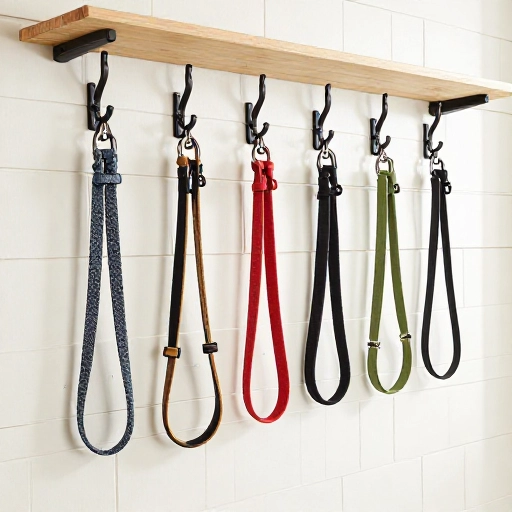
Keep leashes and collars on sturdy hooks that are mounted high, out of reach of a jumping dog. Use heavy-duty cast iron hooks that fit the farmhouse aesthetic. Mount them on a board or directly into the wall studs.
Hang each leash on its own hook so they don’t tangle. Add a small wire basket above the hooks for keys and poop bags so you can grab everything in one motion when heading out.
This looks organized and prevents your dog from chewing on a leather leash while you’re not looking.
11. Paw-Washing Foot Bath with a Brush
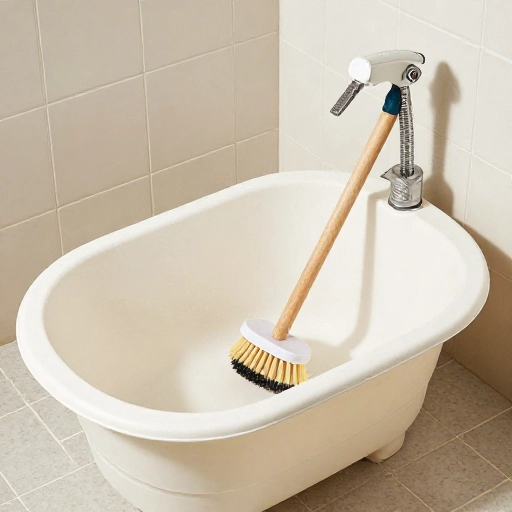
Install a small, shallow basin near the floor—like a doggy foot bath. You can buy an insert for a deep sink or build a small tiled recess. The key is a built-in brush or a scrub mat at the bottom.
You simply fill it with a few inches of warm water, guide your dog’s paw in, and scrub. The brush gets the mud out from between the toes instantly. It’s much faster than using a hose and a rag.
Make it look good with a copper or brass faucet. It adds that rustic charm while being purely practical.
12. The “Mud Grip” Rubber Mat Zone
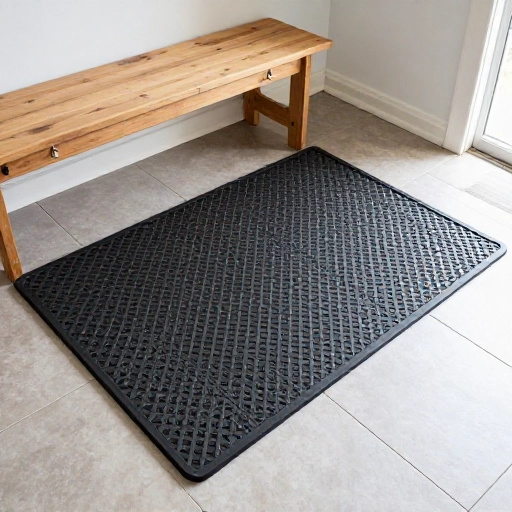
Before your dog even gets to the tile, put down a heavy-duty rubber mat outside the door and another one just inside. The grooved texture scrapes off the big chunks of mud and gravel. It’s the first line of defense.
Choose a mat with a farmhouse design—like a “Hello, Come in We Bite” sign or a simple black diamond pattern. It catches the worst of the mess so your tile stays cleaner longer.
You can rinse these mats off with a hose in five seconds. It’s cheaper than replacing your floors.
13. A Cozy, Washable Dog Crate Nook
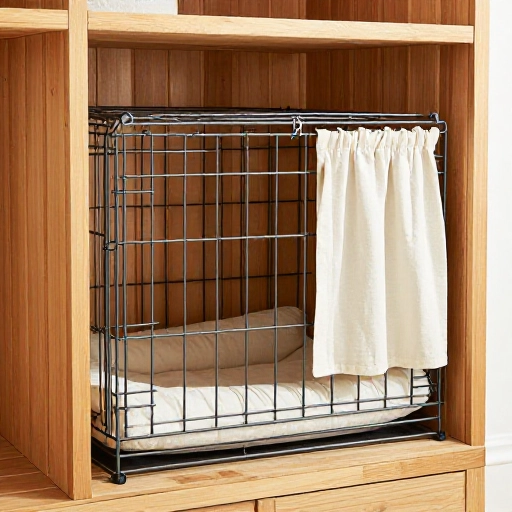
Finally, give your dog a place to crash while you take off your boots. Build a crate into the cabinetry. It doesn’t have to look like a cage. Face it with a wooden door or a curtain to make it look like a piece of furniture.
Put a washable, orthopedic dog bed inside. The cover should be removable and machine washable because it will get muddy. This turns the crate into a safe haven, not a punishment.
Add a small reading light or a sign above it. It makes the mudroom feel complete and gives your dog a calm space after their outdoor adventures.
Final Thoughts: Make It Work For Your Life
You don’t need to install all 13 of these ideas to have a functional mudroom. Pick the ones that solve your biggest pain points. If your dog is a digger, focus on the shower and the floor drain. If you have a small space, just do the locker and the rug.
The goal is to contain the mess and create a routine. When everything has a place—the towels, the leashes, the food—the cleanup becomes effortless. Your floors will thank you, and your dog will love having their own space to transition from the farm to the family room.
FAQ: Your Mudroom Questions, Answered
Q: What is the best flooring for a dog mudroom?
A: Porcelain tile that looks like wood is the best choice. It’s waterproof, scratch-resistant, and warm-looking. Avoid real wood and laminate, as they will warp and stain from moisture.
Q: How do I stop the “wet dog” smell?
A: Ventilation is key. Install an exhaust fan or keep the door open when possible. Wash your dog’s towels weekly and use a vinegar rinse on the floors to neutralize odors instead of harsh chemicals.
Q: Can I make a mudroom in a small space?
A: Absolutely. Use a narrow bench with storage underneath and a few wall hooks. A vertical locker can fit in a tight corner. You just need a spot for the leash, a towel, and a mat to catch the mud.
Q: Is a raised dog bowl really necessary?
A: It’s not necessary for every dog, but it helps with digestion and reduces strain on larger breeds. It also keeps the bowls cleaner since they aren’t sitting on the floor where dirt accumulates.
Q: How do I keep the mudroom organized?
A: The secret is “zones.” Have a zone for boots, a zone for coats, and a zone for dog gear. Label everything. If it takes more than 10 seconds to put something away, you won’t do it. Keep it simple and accessible.