Your Printable 48-Hour New Puppy Checklist: The Calm, Practical Guide for Surviving (and Loving) the First Two Days
Bringing home a new puppy is a mix of puppy breath, tiny paws, and total chaos. I still remember standing in my kitchen wondering if I had the right food, the right crate, and enough paper towels.
That’s why I made a printable 48-hour new puppy checklist—so the first two days feel less like guesswork and more like a gentle routine. You can print it, stick it on the fridge, and check things off as you go.
No perfect puppy parent pressure here. Just simple steps to help your puppy feel safe, help you feel prepared, and get everyone through the first 48 hours without losing your mind.
Before Pickup Day: Set Up a Small Puppy Zone
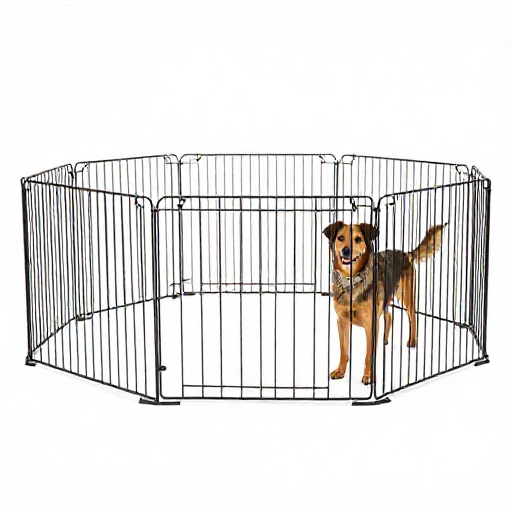
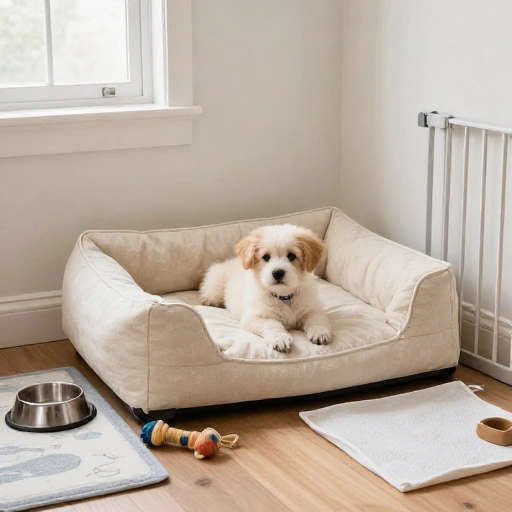
I don’t set up the whole house before my puppy comes home. I pick one small, easy-to-clean space—like a kitchen corner, laundry room, or playpen area.
This becomes the puppy’s home base. I add a crate, water bowl, washable bed, and a potty spot nearby. I keep it boring and safe.
New puppies can get overwhelmed by too much space. A small zone helps with potty training and gives me a place to pause when I need a minute.
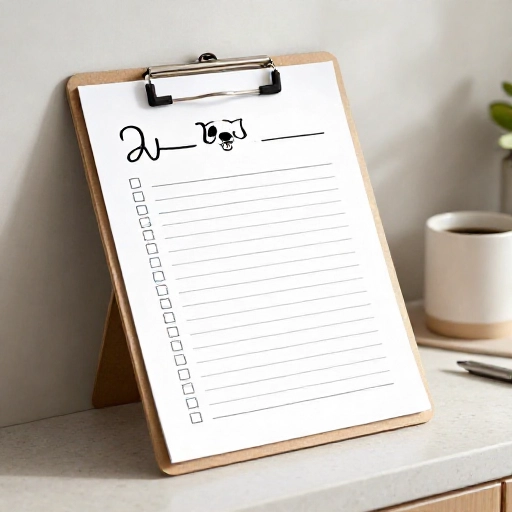
Print the 48-Hour Checklist and Put It Where You’ll See It
A printable checklist is not about being rigid. It’s about not having to remember 47 things when you’re sleep-deprived.
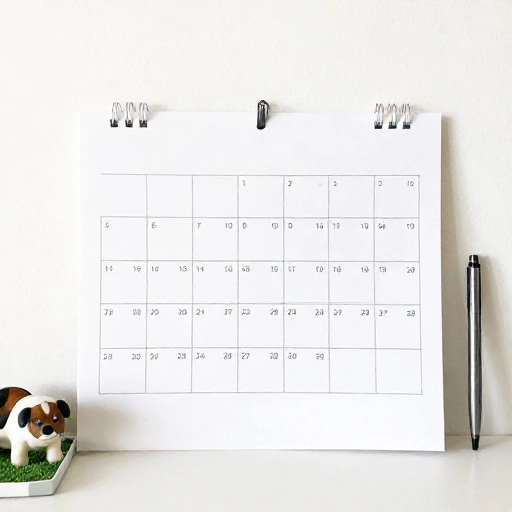
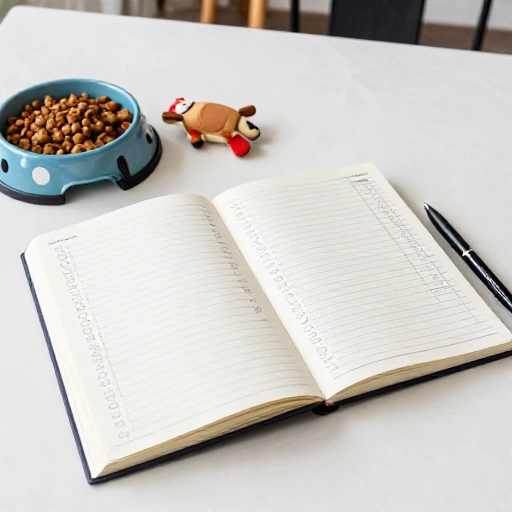
I print two copies—one for the fridge, one for my phone case or planner. I check off the basics: potty trips, meals, water, naps, crate time, and notes.
When someone else helps, they can see what’s next. That tiny piece of paper keeps everyone on the same page.
Puppy-Proof Just One Room (Not the Whole House)
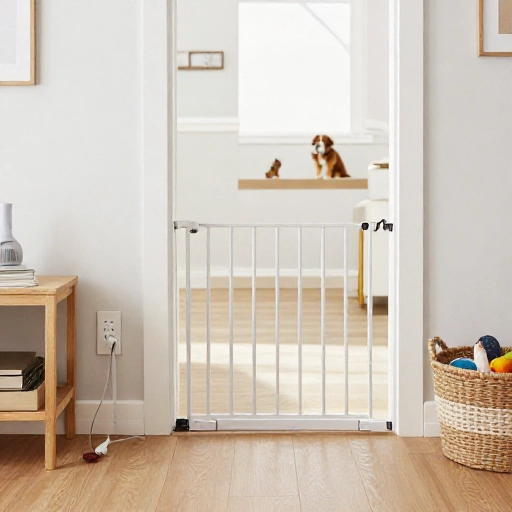
I start with the puppy zone and one hallway, then expand later. Move cords, shoes, kids’ toys, and trash bins out of reach.
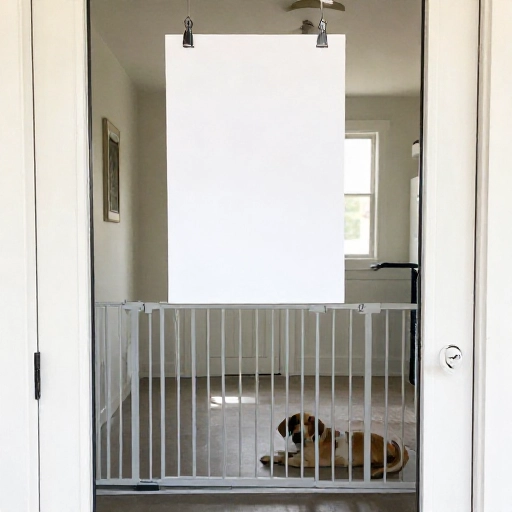
Block stairs with a baby gate. Tape loose rug edges. Yes, your puppy will still find something weird to chew.
But one safe room makes the first 48 hours way less stressful. You can puppy-proof the rest of the house after you’ve had some sleep.
Build a Puppy Essentials Basket You Can Carry
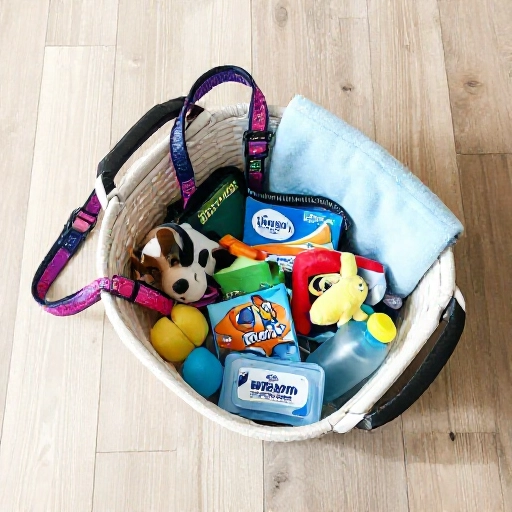
My essentials basket has a leash, collar with ID tag, harness, poop bags, pet-safe wipes, paper towels, enzymatic cleaner, two chew toys, a stuffed toy, and a water bowl.
I keep it by the door. When puppy has an accident or needs a potty break, I’m not running around the house.
Everything is in one place. That basket becomes my little puppy command center for the first two days.
Plan Pickup Day Around Calm, Not a Crowd
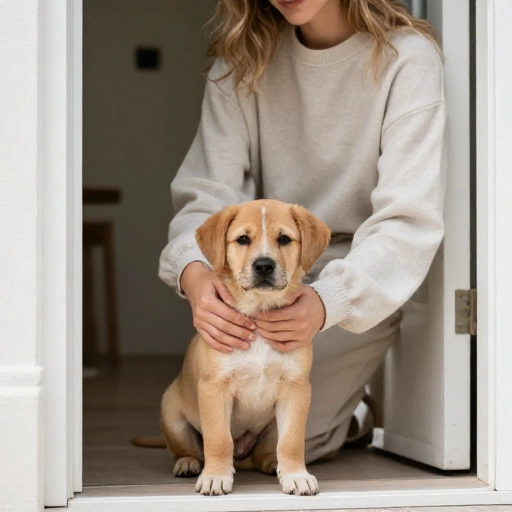
Pickup day is exciting, but I keep it low-key. I don’t invite friends over for a puppy meet-and-greet. I don’t stop at the pet store.
I go straight home. The car ride, new smells, and leaving littermates are already a lot.
A quiet ride and a quiet house help your puppy settle faster. There will be plenty of time for visitors later.
Make the Car Ride Safe and Short
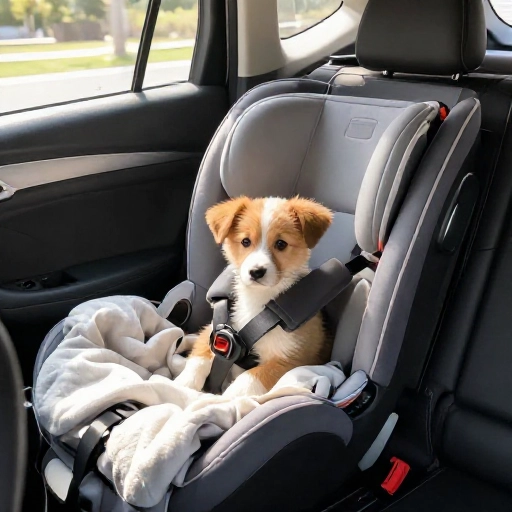
I bring a crate or a puppy car seat, a towel, and a few paper towels. I put the crate so it’s secure and not in direct sun.
If it’s a long drive, I plan one quiet potty stop in a safe area. I don’t feed a big meal right before the ride.
A little nausea is normal. Keep the car cool and the radio low. Your puppy is already processing a lot.
Let Your Puppy Sniff Before You Smother With Cuddles
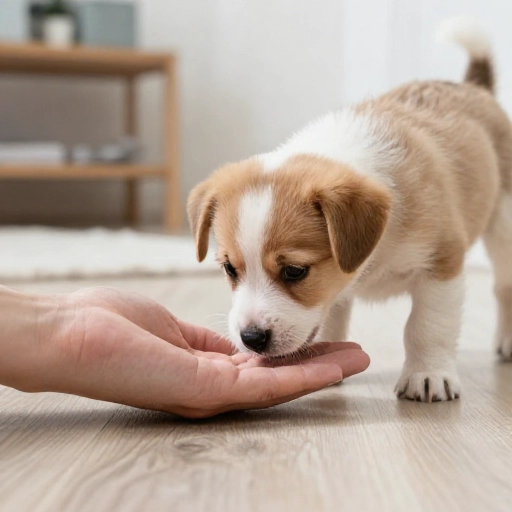
I want to scoop them up immediately. But I wait a few minutes. I sit on the floor and let the puppy come to me.
Sniffing, licking, and looking around are all good signs. If they hide or freeze, I give space.
Cuddles are great—but only when the puppy is relaxed. Build trust first, then snuggle.
Take Them Straight to the Potty Spot
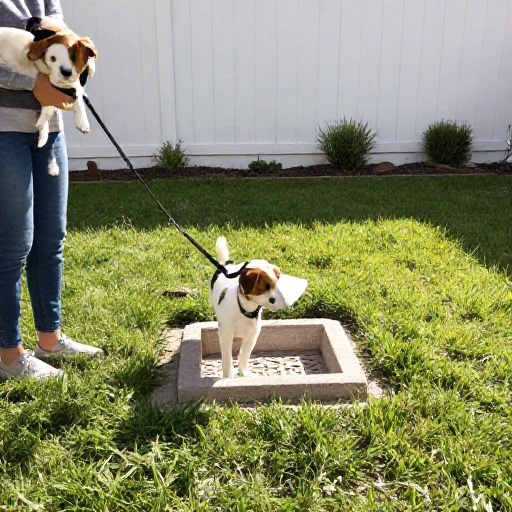
First stop outside or to the pee pad before anything else. Puppies often need to go right after a car ride.
I set them down on a leash in the potty area. I stand still, boring, and wait.
If they go, praise softly and give a tiny treat. If not, try again in 10 minutes. Don’t turn it into playtime yet.
Start a Simple Potty Schedule Right Away
I use a basic rhythm: wake up, potty; eat, potty; play, potty; nap, potty. Every 30 to 60 minutes for a young puppy.
Also after drinking, after chewing, and after any excited greeting. I write times on my printable checklist so I can see patterns.
Accident? No panic. Just note it and adjust. The schedule is a guide, not a test.
Set Up the Crate Like a Cozy Den
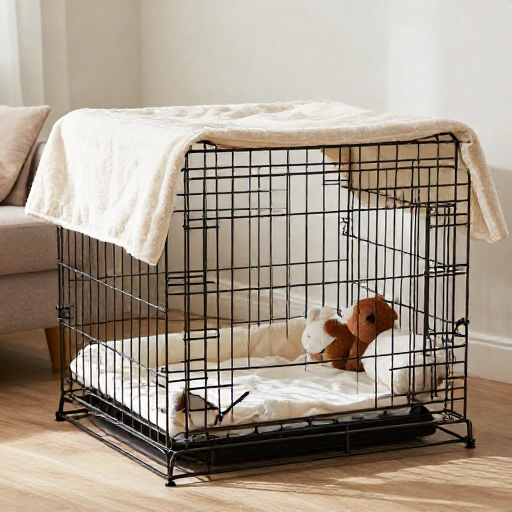
I make the crate inviting with a soft blanket, a safe chew toy, and a piece of cloth that smells like the breeder’s or shelter’s place.
I keep the door open at first so the puppy can explore. I toss treats inside. I don’t shove them in.
The crate should feel like a bedroom, not a jail. Feed meals near it and praise calm behavior.
Offer Water, But Keep Food Predictable
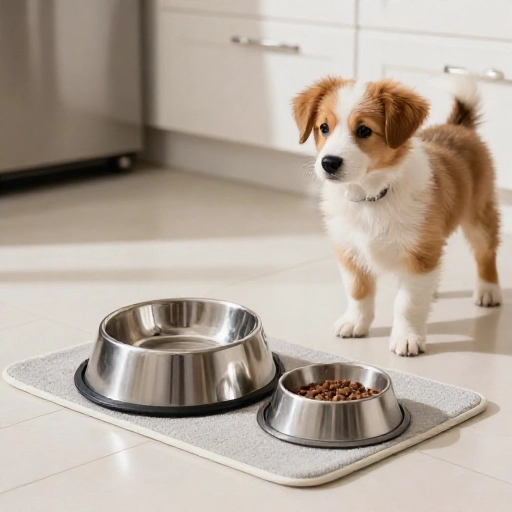
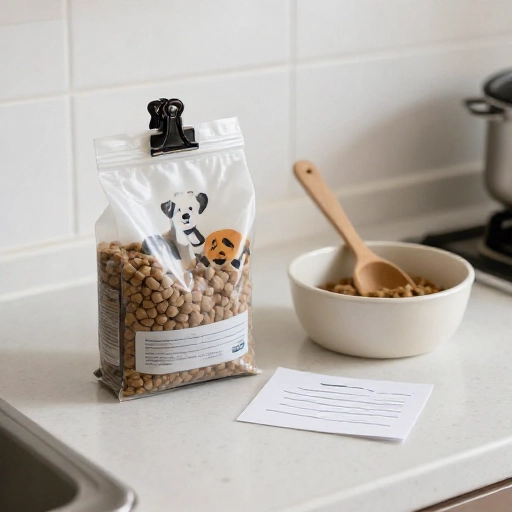
I offer fresh water in a shallow bowl several times a day. For food, I stick to the same food and same schedule the puppy already knows.
If I want to switch foods, I wait until the puppy is settled—usually after a week. The first 48 hours are not the time for a brand-new diet.
Predictable meals help prevent tummy upset. And less tummy upset means fewer middle-of-the-night surprises.
Stick to the Breeder’s or Shelter’s Food for Now
I know that fancy puppy food looks amazing. But a sudden switch can cause diarrhea. That’s the last thing you need during potty training.
I keep the original food for at least a week. If I need to transition, I mix 75% old food with 25% new for a few days, then slowly adjust.
Simple and boring wins. Your puppy’s stomach will thank you.
Create a Quiet Rest Area Away From Noise
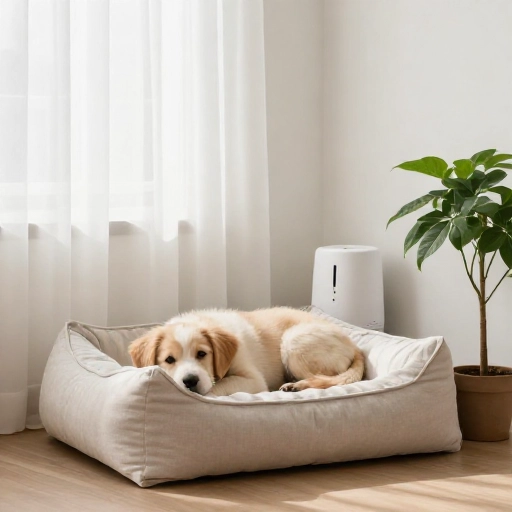
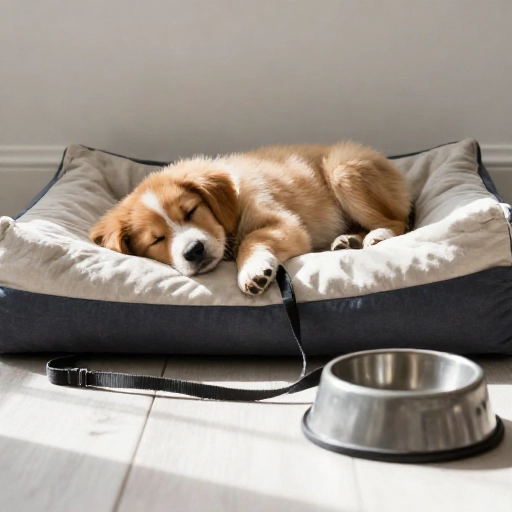
Puppies need a lot of sleep—like 16 to 20 hours a day. I set up a rest area away from TV noise, kitchen clatter, and constant foot traffic.
A crate with a light blanket over the top can help. I don’t let everyone wake the puppy for snuggles.
Sleep is not laziness. It’s how puppies grow and stay happy. Protect those naps like they’re gold.
Limit Visitors for the First 48 Hours
I love showing off a new puppy. But I say no to visitors for the first two days. Too many new faces can overwhelm a puppy and make crate training harder.
If someone must come over, I ask them to ignore the puppy at first. Let the puppy choose to approach.
Keep greetings calm, short, and sitting on the floor. Your puppy will have plenty of time to meet the world.
Handle Your Puppy in Tiny, Positive Doses
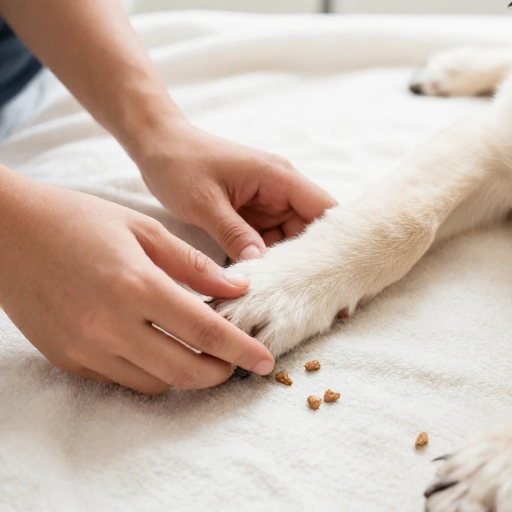
I gently touch paws, ears, and mouth for a few seconds. Then I give a treat. I don’t force it.
I do this a few times a day. This helps with future nail trims and vet visits.
I also pick up the puppy and put them down softly. If they squirm, I stay calm and try again later. Short sessions work best.
Start Name Recognition With a Happy Voice
I say the puppy’s name in a cheerful tone, then treat when they look at me. I keep sessions to 10 seconds.
I don’t repeat the name over and over when they’re ignoring me. I use it once, wait, and reward.
This builds a positive association fast. It also helps with recall later. Little wins count.
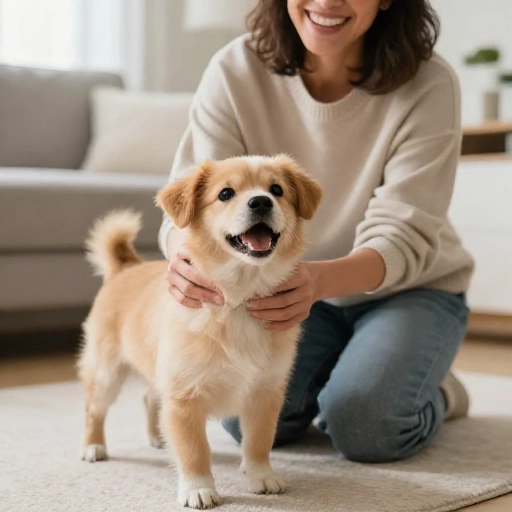
Use Chew Toys to Redirect Mouthing
Puppies explore with their mouths. That’s normal. When teeth touch skin, I say “ouch” softly and swap in a chew toy.
I don’t yank my hand away or yell. I give them something legal to chew.
I keep a few toys in the puppy zone. Frozen carrots or puppy-safe chews can help with sore gums. Consistency beats punishment.
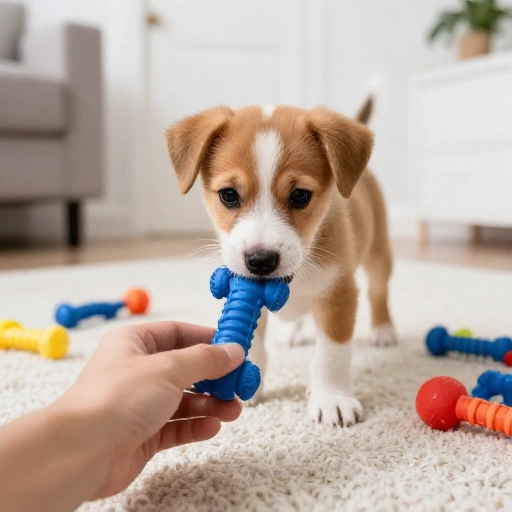
Introduce the Leash Indoors First
I clip the leash on inside for a minute or two. I let the puppy drag it around while I supervise.
I don’t pull or tighten it. I reward when they walk with me. This makes the first outdoor walk less weird.
If they freeze, I stop and try later. The goal is “leash equals good things,” not a perfect heel.
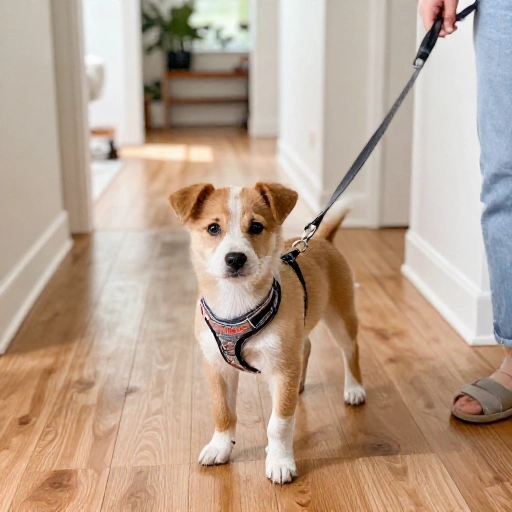
Supervise Kids and Puppy Interactions
Kids and puppies are adorable together—and fast. I teach kids to sit on the floor, use quiet voices, and pet with one finger.
No picking up, no chasing, no screaming. I watch body language. If the puppy backs away or yawns, I end the interaction.
A happy puppy needs an escape route. Safety first, cuddles second.
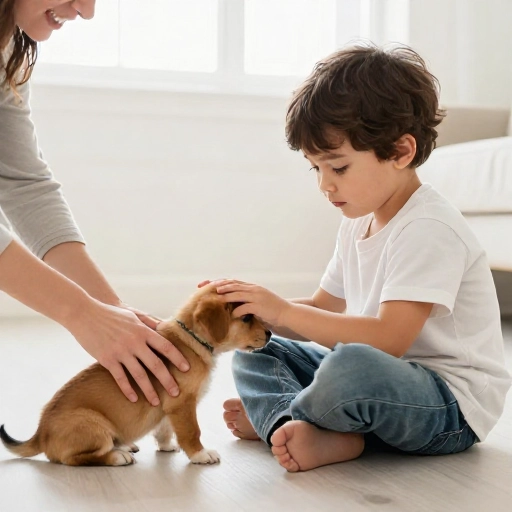
Watch for Stress Signals and Potty Cues
I learn the early signs: sniffing in circles, pacing, whining, suddenly leaving the room. That’s often “I need to go.”
Stress signals include lip licking, yawning, tucked tail, and whale eye. When I see them, I pause and give space.
I don’t push through. Responding early prevents accidents and bad experiences.
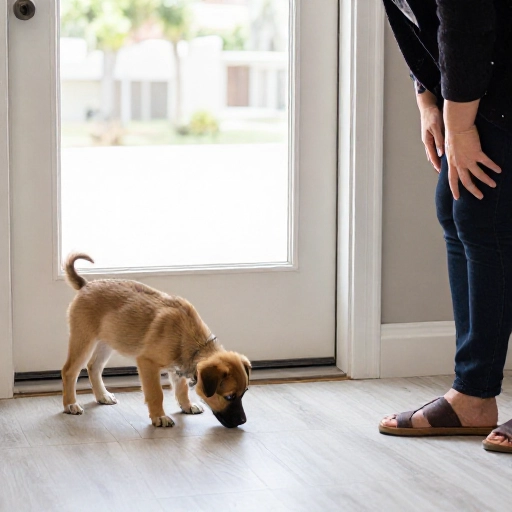
Clean Accidents Without Drama
Accidents happen. I don’t scold, rub their nose in it, or make a scene.
I clean it with an enzymatic cleaner so the spot doesn’t smell like a bathroom. Then I take the puppy outside to finish.
I write it on my checklist. If accidents cluster, I take them out more often. Calm cleanup keeps potty training positive.
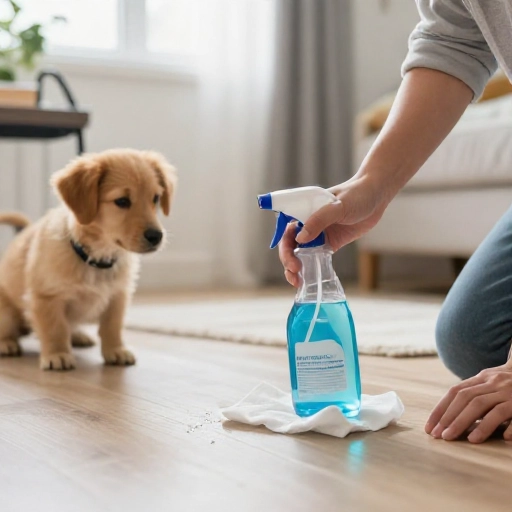
Begin a Simple Sleep Routine for Night One
I set a bedtime routine: potty, water off an hour before, quiet play, then crate.
I keep the crate near my bed for the first few nights. I put in a heartbeat toy or warm water bottle wrapped in a towel.
I dim lights and lower voices. Puppies need help learning that nighttime is for sleeping.
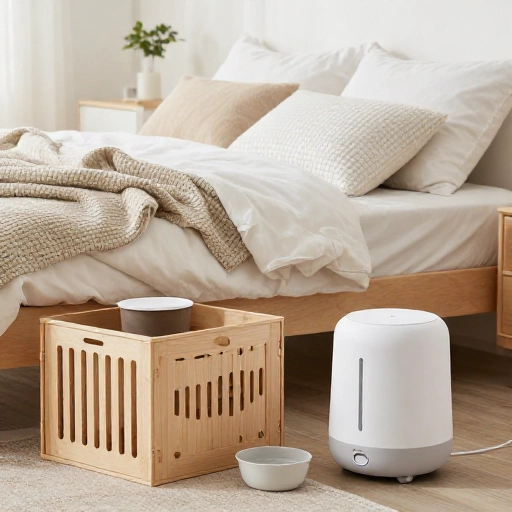
Handle First-Night Whining With a Plan
The first night can be loud. I expect some whining. I don’t rush in at every peep, but I do check for potty needs.
If the puppy is safe, I sit near the crate and speak softly. I keep lights off and touch minimal.
I take them out for a boring potty break if needed. Then back in. Consistency helps them settle.
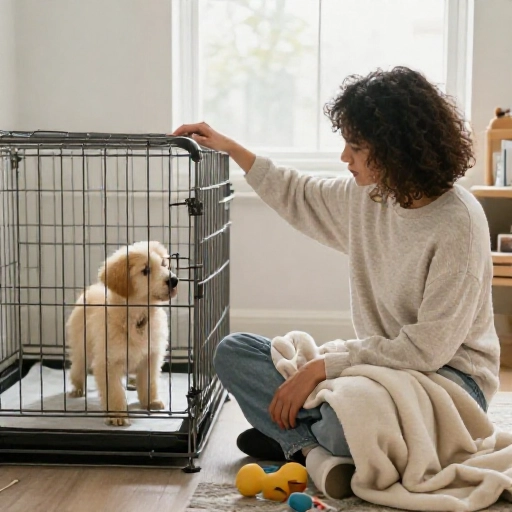
Take Notes on Eating, Pooping, and Energy
My printable checklist has a tiny notes section. I jot down meals, potty times, poop consistency, naps, and mood.
This helps me spot changes. Is the puppy eating less? Pooping weird? Extra sleepy? I can call the vet with real info.
Notes also help if someone else watches the puppy. It’s a simple habit that saves stress.
End the 48 Hours With a Gentle Routine Repeat
After two days, I don’t expect a trained puppy. I expect a slightly more relaxed puppy and a human who knows the rhythm.
I review my checklist. What worked? What needs adjusting? I keep the same potty schedule, feeding times, and nap routine.
Then I add one small new thing—like a short walk or a new toy. Slow and steady.
Final Thoughts: The First 48 Hours Are a Bridge
The first 48 hours with a new puppy are not about perfection. They’re about safety, connection, and building a routine you can repeat.
My printable 48-hour new puppy checklist keeps me from spiraling when I’m tired. It reminds me that small, calm choices add up.
Print it, hang it up, and give yourself grace. You and your puppy are learning each other. If you only remember one thing, remember this: a tired, fed, pottied puppy is a happier puppy. And a prepared human is a calmer human.
FAQ: New Puppy Checklist Questions
What should be on a 48-hour new puppy checklist?
Potty trips, meals, water, crate time, naps, chew toy redirects, notes on poop and energy, and a quick puppy-proofing check. Keep it simple.
How often should I take my puppy out to potty?
Every 30 to 60 minutes during the day for young puppies, plus after eating, drinking, playing, and waking up.
Should I let my puppy sleep in my bed the first night?
I don’t. I use a crate near my bed so I can hear them and help with potty breaks. It builds good sleep habits and keeps them safe.
What if my puppy won’t eat the first day?
Some stress is normal. Offer the same food, warm it slightly, and try hand-feeding. If they refuse for more than 24 hours or seem sick, call your vet.
When can I start training my new puppy?
Right away—but keep it tiny. Name recognition, potty routine, and gentle handling are all training. Short, positive sessions work best.