Stop Dog Barking Every Time You Leave: 10 Calm Tricks That Finally Worked for Us
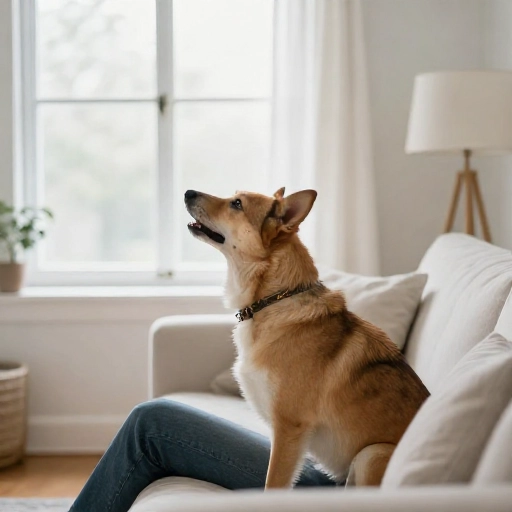
For months, my neighbor knew my schedule better than I did. The second my keys jingled, my dog started barking — and he kept going long after I pulled out of the driveway. Coming home to a hoarse, frantic pup broke my heart, and honestly, it made me dread leaving the house at all.
If that sounds familiar, take a breath. Barking when you leave isn’t your dog being dramatic or stubborn. It’s usually a mix of boredom, routine, and real stress about being alone. The good news? That means it’s fixable, and you don’t need fancy gear or a behavior degree to make progress.
Below are the ten things that actually moved the needle for us — starting with the small daily habits and ending with the moments where you should call in backup. Work through them in order, or jump straight to the one that fits your situation.
1. Figure Out What Kind of Barking You’re Dealing With
Not all alone-time barking is the same, and the fix depends on the cause. Before I changed a single thing, I spent three days just watching and listening through a cheap camera.
Here’s what I learned to tell apart:
- Boredom barking: steady, rhythmic, often paired with pacing or chewing on furniture. It starts a little while after you leave.
- Separation distress: frantic, high-pitched, starts within minutes. Often comes with drooling, scratching at doors, or accidents even in a trained dog.
- Alarm barking: triggered by something outside — a delivery truck, the mail slot, a neighbor’s dog.
Write down the timing, the sound, and what’s happening in the background. That little log will tell you which of the next nine tips to lean on hardest.
2. Make Your Exit the Most Boring Part of the Day
Dogs are incredible pattern readers. If your departure looks like a scene from a movie — long goodbyes, sad eyes, a treat tossed as you walk out — you’ve basically told your dog that something big is happening.
So I made leaving dull on purpose. I picked up my keys at random times during the day and put them back down. I put on my shoes, sat on the couch, and scrolled my phone. I opened the front door, stepped out, and came right back in.
Within a week, the keys stopped being a trigger. The goal isn’t to sneak out silently — that can actually make things worse. It’s to make your leaving feel like no big deal.
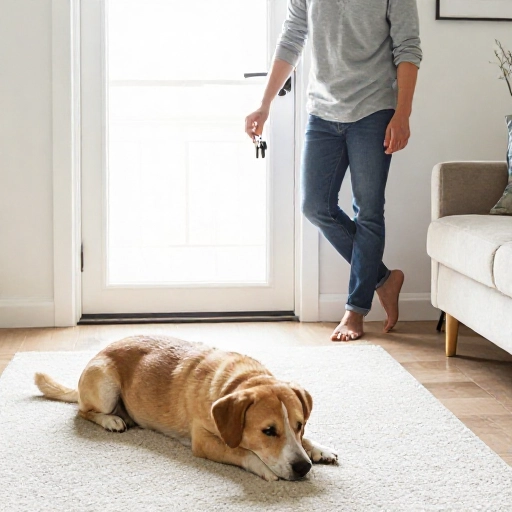
3. Practice Micro Departures Before You Try the Real Thing
You can’t expect a dog to handle four hours alone if they’ve never handled four minutes. So I built up in tiny steps.
My sequence looked something like this: grab keys, walk to the door, come back. Then open the door, step out, close it, come back in five seconds. Then thirty seconds. Then two minutes. Then five.
I only moved to the next step once the one before it was easy — no whining, no barking, relaxed body. It felt slow and a little silly, but skipping these steps is exactly why so many dogs plateau. Short and successful beats long and stressful, every single time.
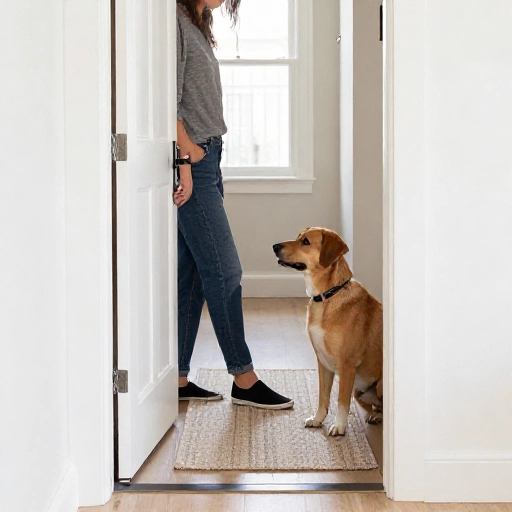
4. Build a Safe Zone That Belongs Only to Them
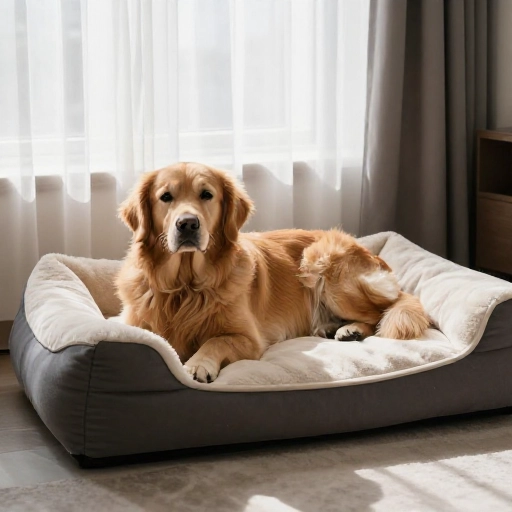
My dog needed one place in the house that felt like his own bunker. For us, that was a crate with the door open and a blanket over the top, plus a second cozy bed set up in the corner of the living room.
A few things that made it work:
- Feed meals and give special chews in that spot, never anywhere else.
- Keep it available all day so it never becomes a “you’re leaving” signal.
- Add white noise or a soft fan to blur out hallway sounds and outside noise.
Never use the crate as punishment. If your dog dreads it, the barking just relocates or gets louder.
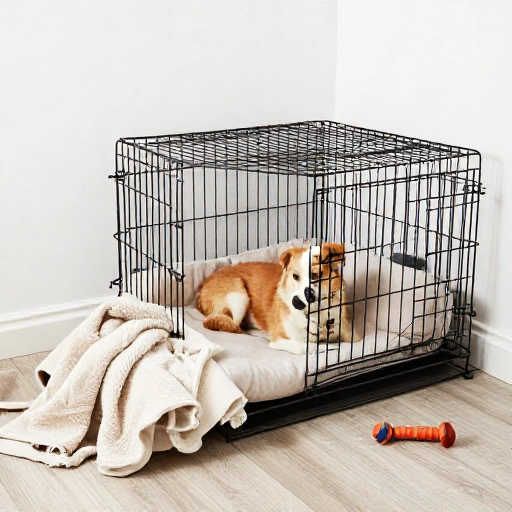
5. Drain the Tank Before You Walk Out the Door
A tired dog is a quieter dog — that’s not a cliché, it’s just math. Thirty minutes of real exercise before I leave does more than an hour of training later.
I mix it up so it doesn’t get stale: a brisk sniff-heavy walk, a game of fetch, tug, or a puzzle feeder tossed around the yard. Sniffing especially seems to wear my dog out mentally, which is the kind of tired that actually helps with alone time.
Try to finish the fun fifteen or twenty minutes before you go, not five seconds before. You want your dog winding down, not still wired when the door clicks shut.
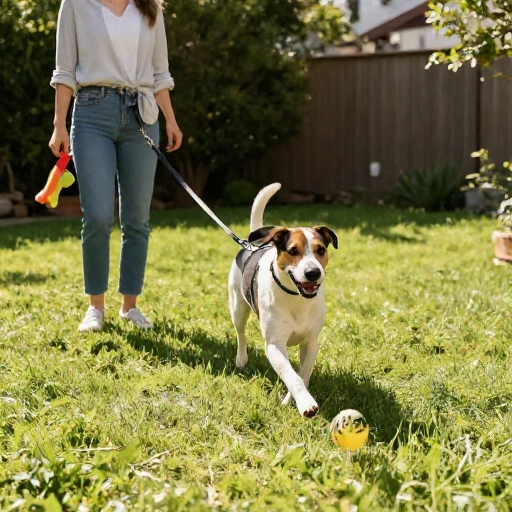
6. Leave Something Worth Staying Awake For
Barking often fills an empty stretch of time. Give your dog a better job to do and the barking has nowhere to sit.
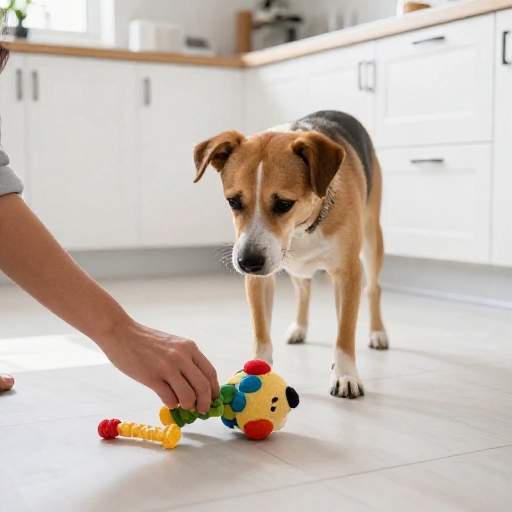
My go-to options are a frozen stuffed toy, a snuffle mat with kibble hidden inside, or a chew that takes a solid twenty minutes to work through. Frozen is key for us — it lasts longer and gives their jaw something to do.
The trick is timing. Hand it over right as you’re heading out, and only for alone time. If it shows up when you’re home too, it stops being special.
7. Teach a “Settle” That Travels With Them
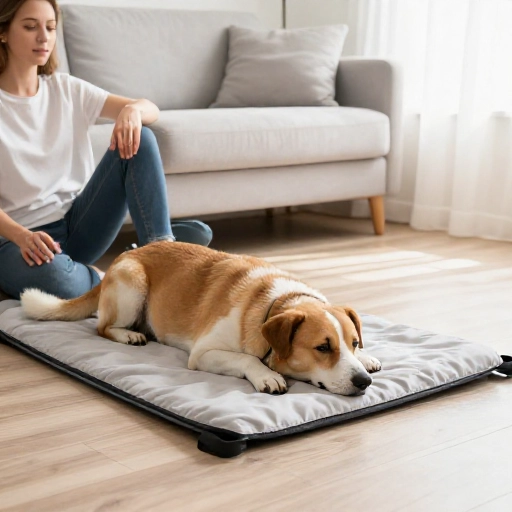
This one changed everything for us. I taught my dog that a specific mat means “lie down and chill,” and then I practiced it everywhere — living room, kitchen, hallway, even the car.
Start when you’re home and calm. Reward any time your dog lies down on the mat on their own. Add a word like “settle” or “place.” Keep sessions short and boring, because boring is the point.
Once that mat means calm in ten different situations, it also means calm when you’re gone. It gives your dog a default behavior instead of a default alarm.
8. Survive the First Thirty Minutes — That’s the Hard Part
If your dog barks, it’s almost always in that first half hour. After that, most dogs either settle or cycle down. So the first thirty minutes is where I put all my effort.
A few things that helped:
- Leave immediately after a good walk and a frozen chew, not after a cuddle session.
- Turn on the radio or a calm podcast before you go, so there’s never silence.
- Keep your return low-key. No big reunion — just walk in, say hi casually, and go about your day.
Calm exits and calm returns tell your dog that leaving isn’t a crisis in either direction.
9. Watch Without Making It Worse
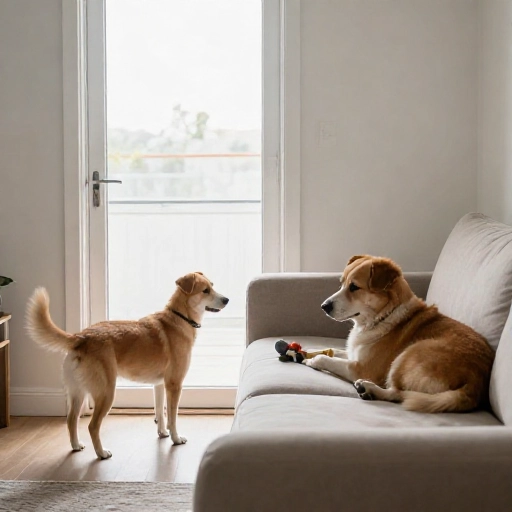
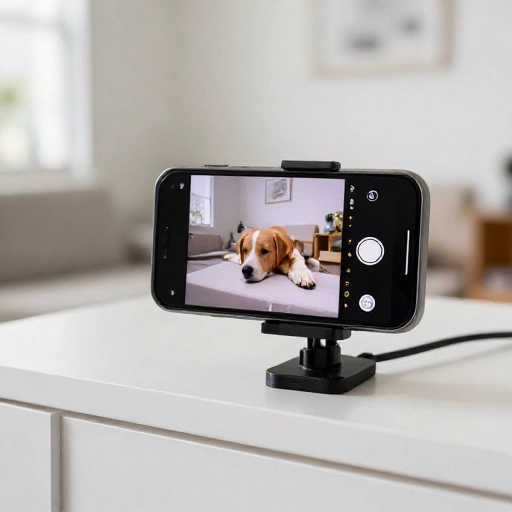
I used to come home and scold my dog for barking. That did nothing except make him anxious about my arrival. So I switched to watching on camera instead.
Cameras are genuinely useful — you can see whether the barking is triggered by a noise, a window, or nothing at all. But there’s a trap: don’t talk to your dog through the speaker. Hearing your voice with no you attached can spike the panic.
Just observe, take notes, and look for patterns. If barking starts at 2 p.m. every day when the school bus passes, you’ve got your answer — and probably a curtain to close.
10. Know When It’s Time to Bring In Help
Some barking is beyond what treats and routine can fix, and that’s not a failure on your part. If your dog is injuring themselves, destroying doors, drooling heavily, or barking nonstop for hours, that’s separation anxiety — a real condition that deserves real support.
Talk to your vet first to rule out pain or medical issues. Then look for a certified behavior consultant who uses reward-based methods. In some cases, medication combined with training is what finally lets a dog relax.
Getting help early saves months of frustration. I wish I’d asked sooner instead of trying to tough it out alone.
Putting It All Together
None of this happened overnight. It took us about six weeks of boring exits, frozen chews, and a lot of mat practice before the barking really faded. Some days were still rough, and that’s normal.
If you only take one thing away, make it this: your dog isn’t barking to annoy you. They’re barking because leaving feels unpredictable or scary. Make it predictable, make it rewarding, and keep your comings and goings calm — the quiet follows.
Frequently Asked Questions
How long does it take to stop dog barking when I leave?
For mild cases, most people see real improvement in two to four weeks with daily practice. Separation anxiety can take a few months, especially if medication or a trainer is involved. Consistency matters far more than speed.
Should I ignore my dog when I come home?
Not ignore — just keep it calm. Say a quick hello, then go about your routine. Big emotional greetings teach your dog that your return is a huge event, which makes your absence feel bigger too.
Will a second dog fix the barking?
Usually not. If the barking comes from separation distress, adding another dog often just gives you two anxious dogs. Fix the underlying routine first.
Is crate training cruel for a dog with separation anxiety?
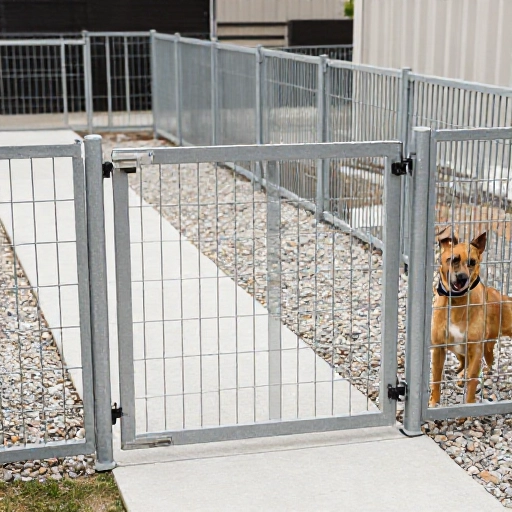
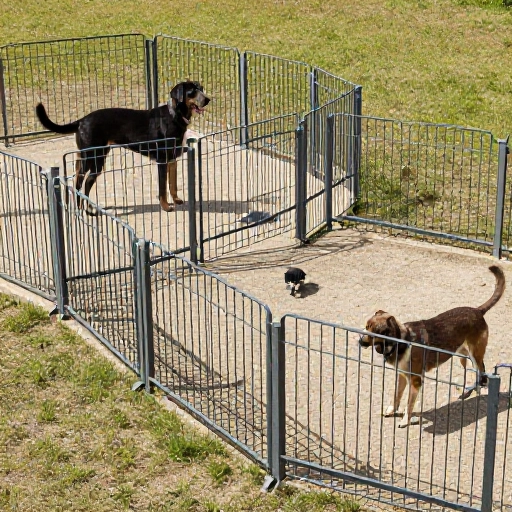
It depends. A crate can feel safe for some dogs, but for others it traps the panic and makes things worse. If your dog scratches or drools heavily in the crate, try a small gated room instead.
What if my dog only barks at night when I’m asleep?
That’s usually a different issue — noise sensitivity, needing a bathroom break, or just an off sleep schedule. Try more daytime exercise, a bathroom trip before bed, and white noise to mask outside sounds.