Homemade Dog Food Recipes Your Pup Will Love
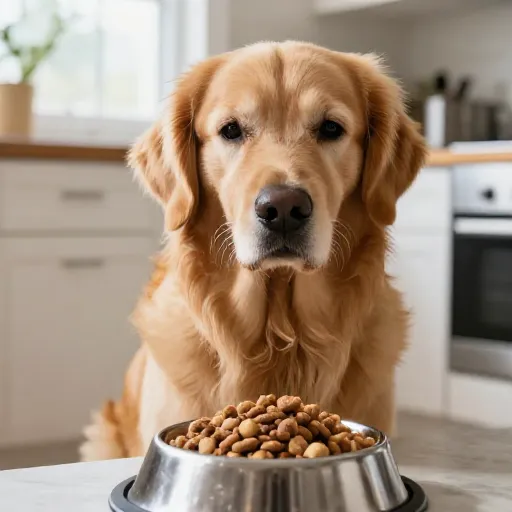
I started making my dog’s food a few years ago when he turned up his nose at every store-bought brand. I was nervous at first, worried I’d mess up the nutrition. But after some research and a lot of tail wags, I found it’s easier than you think.
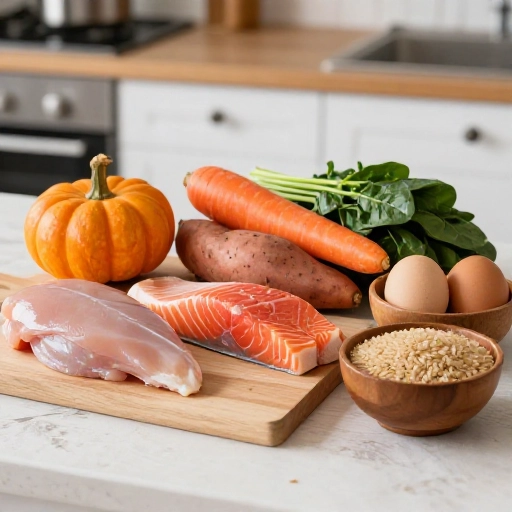
Homemade dog food lets you control exactly what goes into your pup’s bowl. No mystery meats or long ingredient lists you can’t pronounce. Plus, watching your dog get excited for meal time is pure joy. These recipes use simple, whole foods that are good for dogs and gentle on your wallet.
Always check with your vet before switching your dog’s diet, especially if they have health issues. Every dog is different, and what works for one might not work for another. Now let’s get cooking for your best friend.
Simple Chicken and Rice Bowl
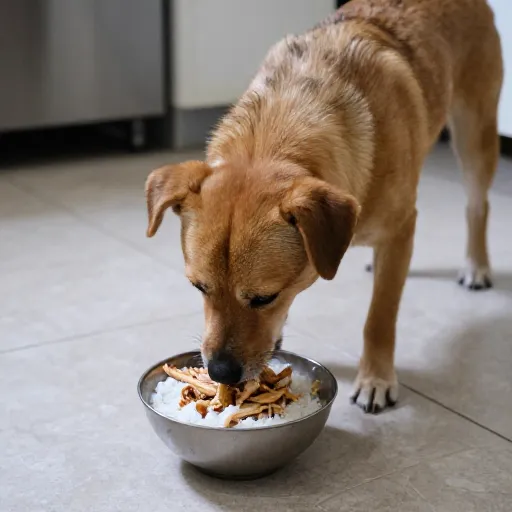
This is the recipe I turn to most often. It’s gentle on tummies and packed with protein. Start with boneless, skinless chicken breasts or thighs. Boil them until fully cooked, then shred or chop into small pieces.
Cook white or brown rice separately according to package directions. Mix equal parts chicken and rice in a big bowl. Add a handful of steamed carrots and green beans for vitamins. Let everything cool completely before serving. Your dog will thank you with happy little licks.
Store leftovers in the fridge for up to five days. You can also freeze portions in silicone molds for quick meals later.
Beef and Sweet Potato Stew
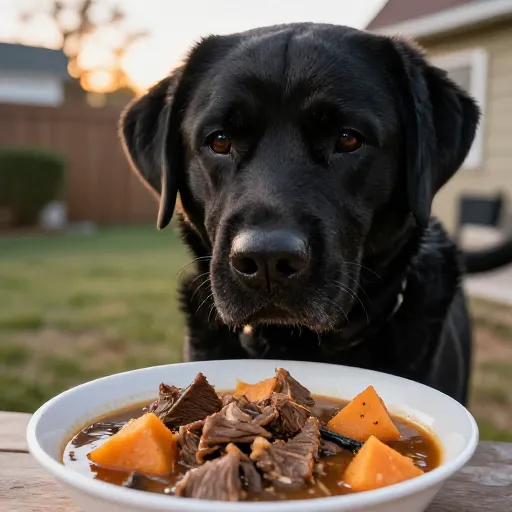
This hearty stew is perfect for active dogs who need extra energy. Brown lean ground beef in a large pot, draining any extra fat. Add diced sweet potatoes, chopped spinach, and enough water to cover everything.
Let it simmer for about 20 minutes until the sweet potatoes are soft. The smell will drive your dog wild, I promise. Mash the sweet potatoes slightly with a fork to make the stew easier to digest. Let it cool before serving.
I like to make a big batch on Sunday and portion it out for the week. It keeps well in the fridge and freezes beautifully.
Turkey and Pumpkin Meatballs
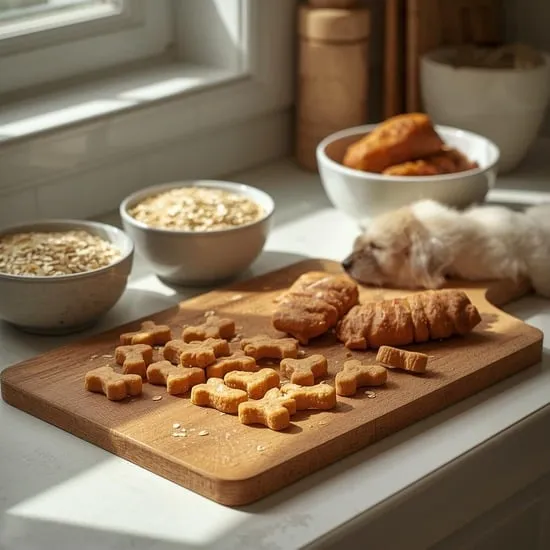
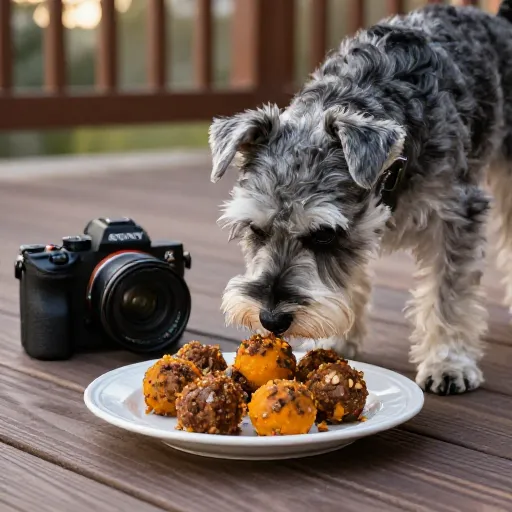
These meatballs are like treats but way healthier. Mix ground turkey with canned pumpkin (not pie filling, just plain pumpkin). Add a beaten egg and a sprinkle of dried parsley for fresh breath.
Roll into small balls and bake at 350°F for about 15 minutes. They should be golden brown and cooked through. Let them cool completely before offering one to your pup. I use these as training rewards or meal toppers.
They freeze great, so make extra. My dog does a little happy dance every time he sees me taking them out of the freezer.
Salmon and Quinoa Delight
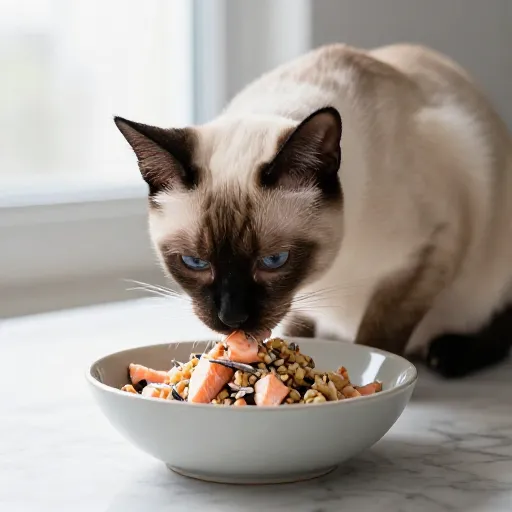
Salmon is amazing for dogs with skin issues or dull coats. Bake a salmon fillet until it flakes easily with a fork. Watch for bones and remove them carefully. Flake the salmon into small pieces.
Cook quinoa according to package directions. It’s a great alternative to rice and adds extra protein. Mix the salmon with quinoa and steamed broccoli florets. The broccoli should be soft, not crunchy.
This meal is rich in omega-3 fatty acids, which help keep your dog’s coat shiny and their joints healthy. My vet noticed the difference in my dog’s skin after just a few weeks.
Lamb and Lentil Comfort Bowl
Lamb is a great protein for dogs with food sensitivities. Cook ground lamb in a pan, draining any excess fat. In another pot, cook red or green lentils until tender, about 20 minutes.
Combine the lamb and lentils with cooked, mashed butternut squash. The squash adds natural sweetness and fiber. Stir in a handful of chopped kale for extra nutrients. Let everything cool down before serving.
This recipe is filling and perfect for dogs who need to gain a little weight. It’s also great for cold winter days when you want something warm and cozy.
Egg and Veggie Scramble
This is my go-to for a quick breakfast or when I’m out of prepped food. Scramble two eggs in a non-stick pan with a tiny bit of coconut oil. No salt or butter needed.
Add finely chopped zucchini and bell peppers to the pan. Cook until the veggies are soft and the eggs are fully set. Let it cool before serving. This meal comes together in under ten minutes.
I love how simple this is. It’s also a great way to use up leftover veggies from your own meals. Just avoid onions and garlic, they’re not safe for dogs.
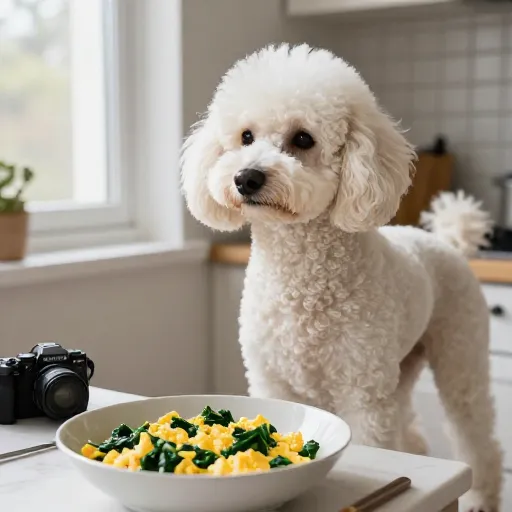
Pork and Pear Dinner
Pork is often overlooked for dogs, but it’s a great source of thiamine. Use lean pork loin or ground pork. Cook it thoroughly until no pink remains. Drain any fat.
Dice ripe pears into small pieces, removing the core and seeds. Steam some green beans until tender. Mix everything together with a spoonful of plain, unsweetened applesauce. The sweetness makes this a favorite.
This meal is especially good for dogs who love fruit. Just don’t overdo the pears, they have natural sugar. A little goes a long way.
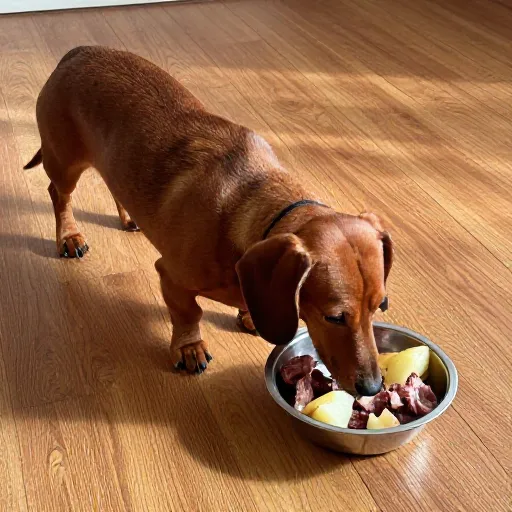
Duck and Oatmeal Bowl
Duck is rich in iron and perfect for dogs with chicken allergies. Cook duck breast in a pan without any oil. The duck will release its own fat. Remove the skin and fat after cooking, then shred the meat.
Cook rolled oats in water until they’re soft and creamy. Mix the shredded duck with the oats and add steamed peas. The peas add a pop of color and sweetness. Let it cool completely before serving.
This bowl is gentle on sensitive stomachs. My picky eater actually licks his bowl clean when I make this one.
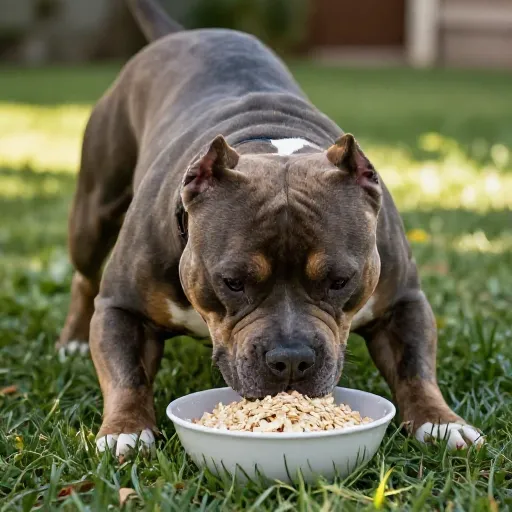
Venison and Blueberry Mix
Venison is a novel protein, great for dogs with multiple food allergies. If you can’t find venison, ground bison works too. Cook the meat thoroughly and drain any fat.
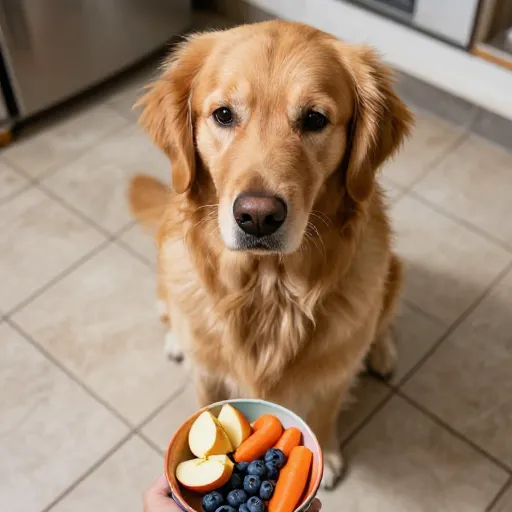
Cook some barley or millet according to package directions. Mix the cooked meat with the grain and add fresh or frozen blueberries. Blueberries are packed with antioxidants and make the meal fun.
I serve this with a side of steamed carrots. The colors are beautiful and my dog thinks it’s a special treat. It’s actually very balanced and nutritious.
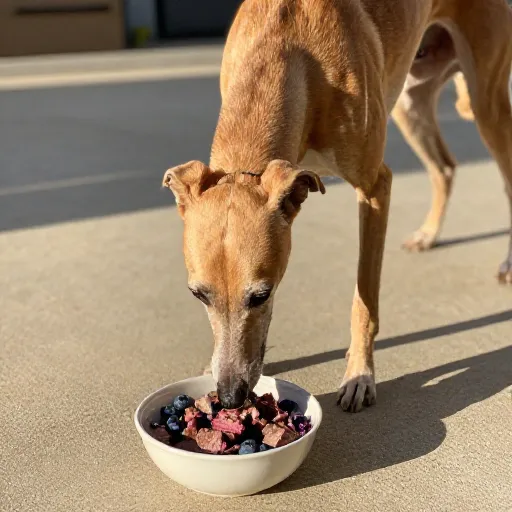
Chicken Liver and Spinach Pâté
Liver is a superfood for dogs, but a little goes a long way. Cook chicken livers in a pan with a tiny bit of water until they’re just cooked through. Don’t overcook them or they’ll get tough.
Blend the cooked livers with steamed spinach and a tablespoon of plain yogurt. You can also add a splash of bone broth for consistency. The result is a smooth, spreadable pâté.
Use this as a meal topper or stuff it into a Kong for a long-lasting treat. It’s super rich, so only give a small amount at a time. Your dog will probably go crazy for it.
Conclusion
Making homemade dog food doesn’t have to be complicated or expensive. Start with simple recipes and watch how your dog responds. You’ll quickly learn what they love and what keeps them healthy and happy.
Remember to rotate proteins and grains to keep meals interesting and nutritionally balanced. Keep a food diary if you’re unsure about reactions. And always, always consult your vet before making big changes.
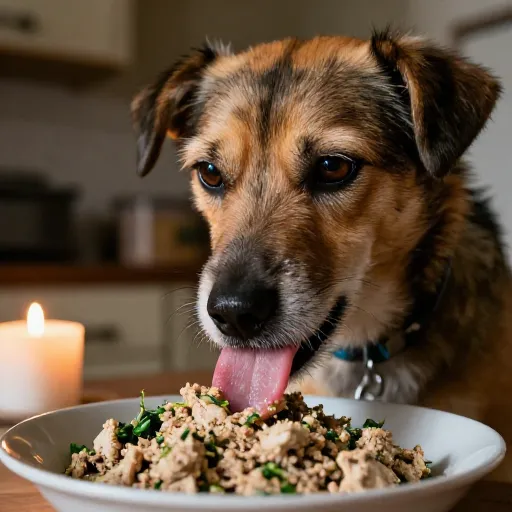
Your dog deserves the best, and homemade food is a wonderful way to show you care. Plus, the look of pure joy on their face when you set down a bowl of food you made yourself is absolutely priceless.
[[IMG:IMG12]]
FAQ
Can I feed my dog homemade food every day?
Yes, many dogs thrive on homemade food. But you need to make sure the recipes are balanced. Work with your vet to ensure your dog gets all the nutrients they need. Some recipes need supplements to be complete.
How long does homemade dog food last in the fridge?
Most homemade dog food stays fresh in the fridge for about 3 to 5 days. Store it in airtight containers. If you make big batches, freeze portions and thaw them as needed. Always check for any off smells before serving.
What ingredients should I never put in homemade dog food?
Avoid onions, garlic, grapes, raisins, chocolate, and xylitol. These are toxic to dogs. Also avoid too much salt, butter, or oil. Stick to simple, whole foods that are safe for canine digestion. When in doubt, ask your vet.
How much homemade food should I feed my dog?
Portion sizes depend on your dog’s size, age, and activity level. A general rule is about 2 to 3 percent of their ideal body weight per day. But every dog is different. Start with smaller portions and adjust based on your dog’s weight and energy.
Can I mix homemade food with kibble?
Absolutely. Many people use homemade food as a topper for kibble. This adds moisture and variety to your dog’s meals. Just make sure the total amount of food doesn’t exceed what your dog needs. Mixing can be a great way to transition slowly.