Vet-Approved Healthy Dog Snacks I Actually Trust
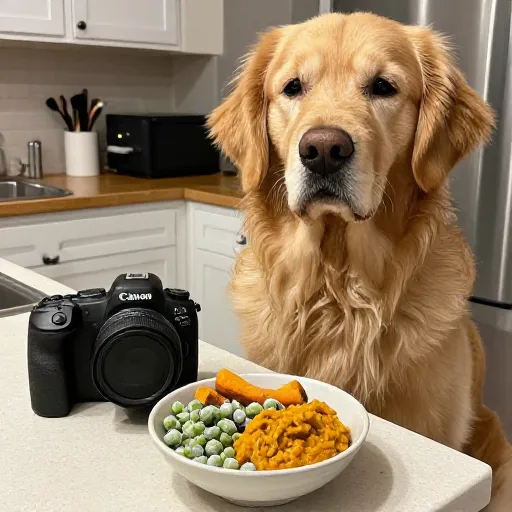
I used to grab whatever dog treats looked cute at the store. Then my pup started getting picky, and honestly, a few bags made me wonder what was inside. After a long chat with my vet, I realized I had been overlooking simple, whole-food snacks that are just as exciting for my dog—and way better for her health.
So I started testing vet-approved options at home. Some were hits, some were hilarious fails (carrots, I’m looking at you). But these ten snacks? They earned a permanent spot in my treat jar. No fillers, no mystery ingredients—just real food that supports everything from teeth to tummy.
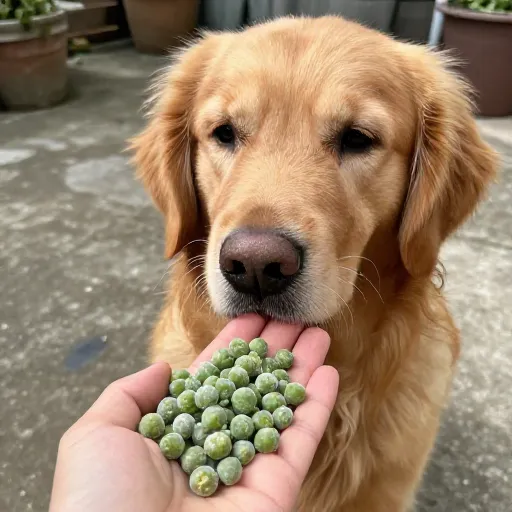
1. Plain Frozen Green Beans
My vet recommended these when my dog needed to drop a little weight. Green beans are low in calories but high in fiber and crunch. Dogs love the texture, especially when they’re frozen solid.
I buy a bag of no-salt-added green beans, rinse them, and pop a handful in the freezer. One or two make a perfect between-meal snack. Just avoid canned versions with added salt or seasoning.
They’re also great for keeping your dog busy on a warm day. The crunch is satisfying without adding junk to their diet.
2. Dehydrated Sweet Potato Chews
Store-bought sweet potato chews can be pricey and sometimes loaded with preservatives. So I make my own. Slice a sweet potato into thin strips, bake at a low temperature until chewy, and store in the fridge.
These are packed with vitamin A and fiber. My dog goes nuts for the natural sweetness. Just be careful with portions—too much can upset a sensitive stomach.
Start with a small piece to see how your dog handles it. Some pups get gassy, so moderation is key.

3. Plain, Unsalted Pumpkin Purée
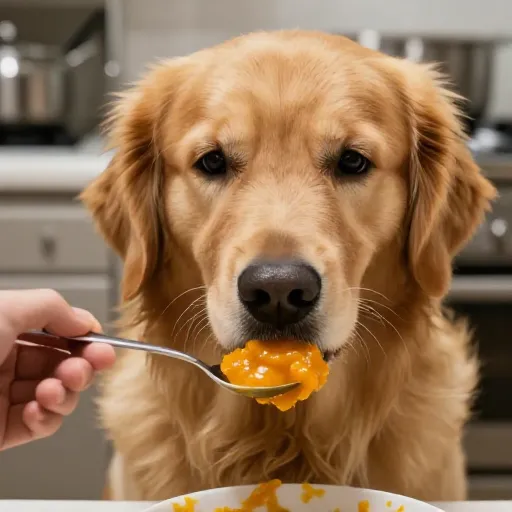
Plain pumpkin is a superfood for dogs. It helps with both diarrhea and constipation, thanks to all that fiber. I keep a small can in my pantry and spoon out a tablespoon as a treat or mix it into meals.
Make sure you grab 100% pumpkin, not pumpkin pie filling. That stuff has sugar and spices that can be harmful. A frozen pumpkin cube on a hot day is also a huge hit.
It’s a simple, soothing snack that supports digestion and makes your dog feel good.
4. Baby Carrots (Cut Up)
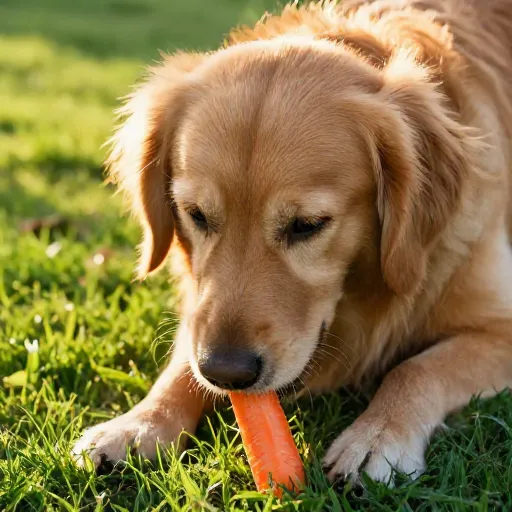
Baby carrots are crunchy, low-calorie, and full of beta-carotene. My vet calls them nature’s dental chew. They help scrape off plaque while your dog gets a satisfying snack.
I slice them into bite-sized pieces to prevent choking, especially for smaller breeds. Most dogs love the crunch and the mild sweetness. Plus, they’re super portable for walks or training sessions.
If your dog is a gulper, steam the carrots slightly to soften them. That way they still get the benefits without the risk.
5. Sliced Apple (No Seeds)
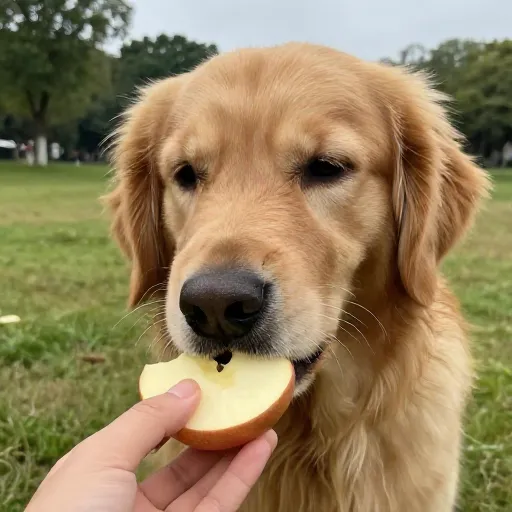
Apples are a sweet, refreshing treat that many dogs adore. They’re full of vitamins A and C, plus fiber. I core the apple, remove all seeds (they contain cyanide), and slice into wedges.
Frozen apple slices are amazing in summer. Just watch the sugar content—dogs with diabetes or weight issues should have only small amounts. A few thin slices are plenty.
Never feed the core or stem. Stick to the flesh, and your pup gets a healthy, hydrating snack.
6. Plain Cooked Chicken Breast
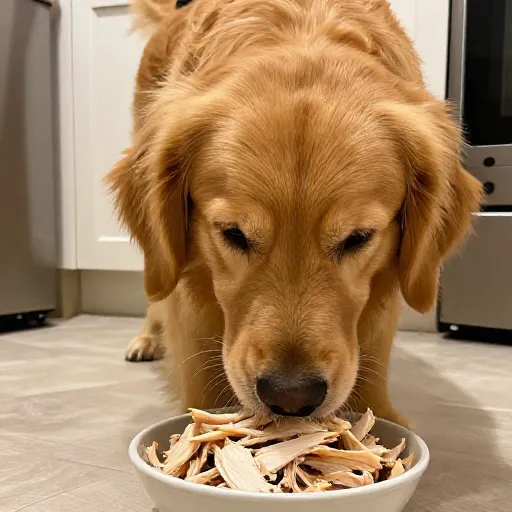
Shredded, unseasoned chicken breast is my go-to high-value training treat. It’s lean protein that supports muscle health and is gentle on the stomach. I boil a batch, shred it, and keep it in the fridge.
Use it sparingly if your dog has pancreatitis or kidney issues—check with your vet first. Otherwise, it’s a perfect reward for learning new tricks.
A little goes a long way. I tear off tiny pieces so one breast lasts for days of training sessions.
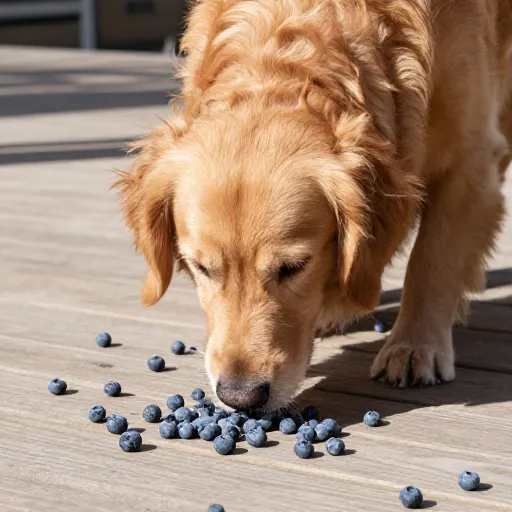
7. Frozen Blueberries
Blueberries are tiny antioxidant powerhouses. They’re low in calories and packed with vitamins. I freeze a handful and give them as a refreshing treat, especially after walks.
Some dogs love chasing them across the floor. Others prefer them thawed. Either way, they’re a safe, healthy option that supports brain health and immune function.
Just rinse them first and feed in moderation. Too many can cause loose stools, but a few are perfect.
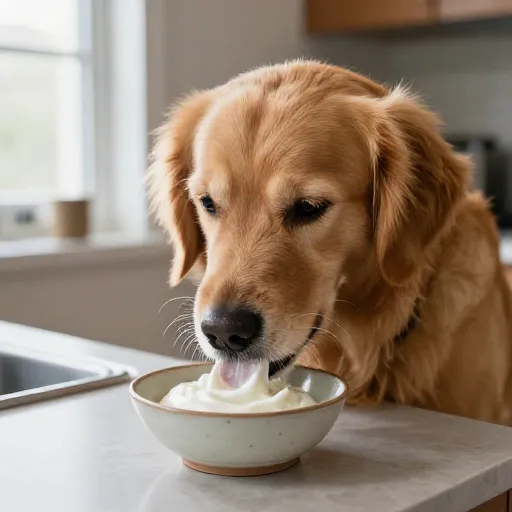
8. Plain Greek Yogurt (Unsweetened)
Plain Greek yogurt is full of probiotics that support gut health. My vet said a spoonful a day can help with digestion. I use full-fat, unsweetened yogurt—no artificial sweeteners, especially xylitol, which is toxic to dogs.
Start with a small amount to see if your dog tolerates dairy. Some are lactose intolerant. If they handle it well, it’s a creamy, protein-rich treat.
You can even freeze it in ice cube trays for a cool, mess-free snack.
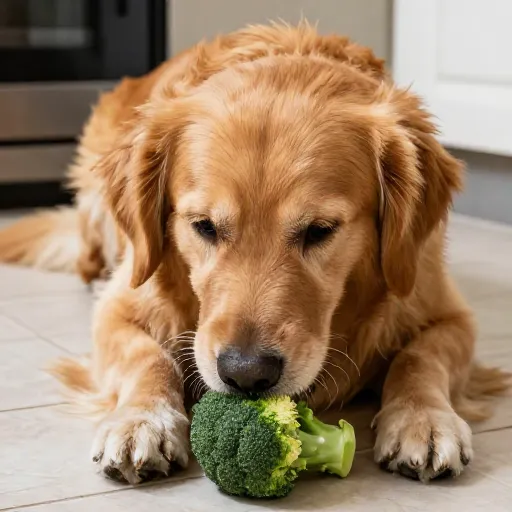
9. Steamed Broccoli Florets
Broccoli is a crunchy veggie full of fiber and vitamin C. I steam small florets until tender, then let them cool. My dog loves the texture, and it’s a great way to add variety to their snack rotation.
Stick to small amounts. Too much broccoli can cause gas or mild stomach upset. A few florets a couple times a week is plenty.
Always cut them into bite-sized pieces to prevent choking. Your dog will thank you for the healthy crunch.
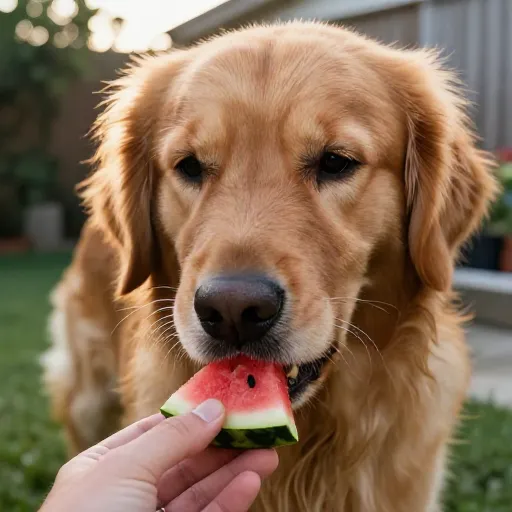
10. Small Cubes of Watermelon (Seedless)
Watermelon is mostly water, making it a fantastic hydrating snack on hot days. It’s low in calories and full of vitamins A, B6, and C. I remove the rind and seeds, then cut the flesh into small cubes.
Frozen watermelon cubes are like little sorbets for dogs. Just keep portions small—the natural sugar can add up. A few cubes are refreshing and safe.
Never feed the rind. It’s tough and can cause digestive blockages. Stick to the juicy red part.
Conclusion
Switching to vet-approved, whole-food snacks changed how I think about treating my dog. These ten options are simple, affordable, and packed with real nutrition. No more guessing what’s inside a bag of processed treats.
Remember to introduce any new snack slowly and in small amounts. Every dog’s tummy is different. When in doubt, ask your vet—they know your pup’s health best. Snack time should be fun, safe, and full of love.
FAQ
Can I give my dog snacks every day?
Yes, but keep treats to 10% or less of your dog’s daily calorie intake. Most of their nutrition should come from balanced meals. Small, healthy snacks are fine in moderation.
Are fruits and vegetables safe for all dogs?
Most are safe, but some like grapes, raisins, onions, and garlic are toxic. Always check with your vet before introducing a new food. Start with tiny amounts to see how your dog reacts.
How do I store homemade dog snacks?
Most homemade snacks last 3-5 days in the fridge. For longer storage, freeze them in airtight containers. Dehydrated treats can last weeks if kept in a cool, dry place.
What if my dog has allergies or a sensitive stomach?
Stick to single-ingredient snacks like plain chicken or pumpkin. Introduce one new food at a time and watch for signs like itching, vomiting, or loose stool. Your vet can help identify triggers.
Can puppies eat these snacks?
Yes, but cut everything into very small, soft pieces to prevent choking. Puppies have sensitive digestive systems, so go slow. Always ask your vet about appropriate portion sizes for your puppy’s age and breed.