12 Cat Dental Care Tips at Home
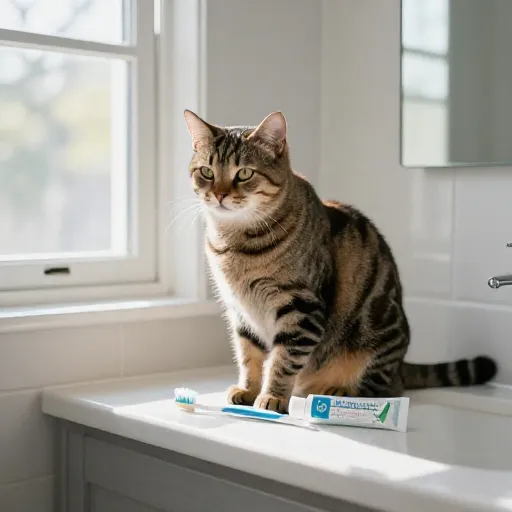
I know what you’re thinking: “Brushing my cat’s teeth? Good luck.” I used to think the same thing until my vet pointed out that dental disease is one of the most common health problems in cats. And honestly, it’s not just about bad breath. It’s about their heart, kidneys, and overall happiness.
The good news? You don’t need to be a professional. You just need a few simple tricks and a lot of patience. I’ve gathered 12 practical tips that actually work for real cats (the ones who hide under the bed). Let’s get into it.
1. Start Slow with Finger Brushing
Don’t grab a toothbrush on day one. I made that mistake. Instead, start by letting your cat sniff your finger. Then gently rub their gums with a clean finger. Do this for a few days until they seem okay with it.
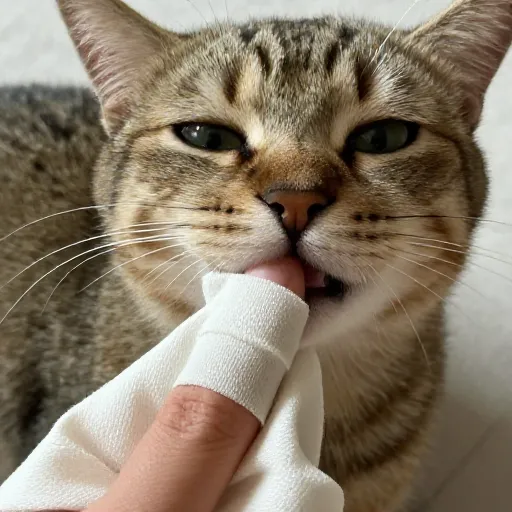
Once they’re comfortable, wrap a piece of gauze or a soft cloth around your finger and gently wipe their teeth. It’s less scary than a brush and builds trust. Go at their pace, not yours.
2. Choose a Cat-Safe Toothpaste
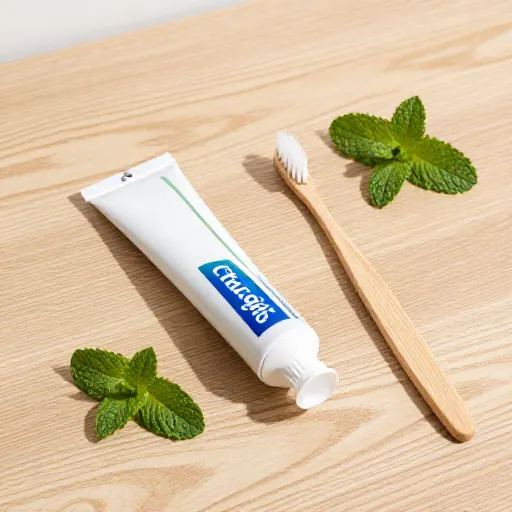
Human toothpaste is a no-go. It contains fluoride and xylitol, which are toxic to cats. I use a poultry-flavored enzymatic toothpaste made for cats. My cat thinks it’s a treat, which makes everything easier.
Let them lick a little off your finger first. Positive association is everything. Once they like the taste, you can start brushing.
3. Use a Soft-Bristled Brush (or a Finger Brush)
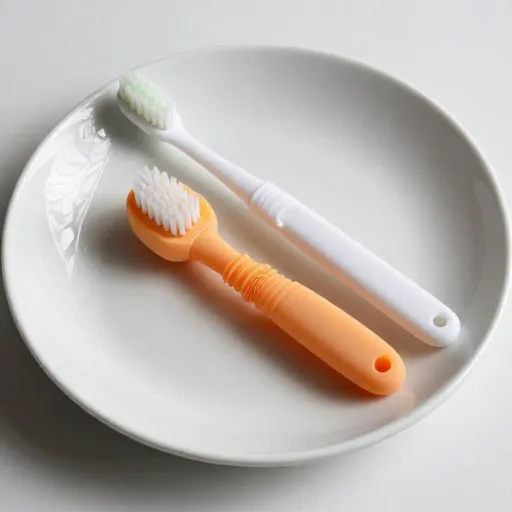
A cat toothbrush is tiny and has super soft bristles. I prefer a finger brush because it gives me more control. You can find them at any pet store. Dip it in the toothpaste and gently brush in small circles.
Only do a few teeth at a time. There’s no rush. If they resist, go back to finger rubbing for a few more days. Consistency beats force every time.
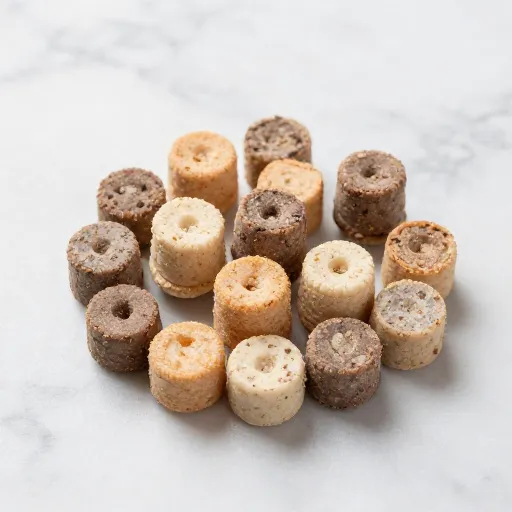
4. Try Dental Treats for a Quick Boost
Dental treats aren’t a replacement for brushing, but they’re a great supplement. Look for ones with the Veterinary Oral Health Council (VOHC) seal. I give one or two after a meal to help scrub off plaque.
They’re also perfect for training. I use them as a reward after any mouth-touching session. It keeps the experience positive and builds a routine.
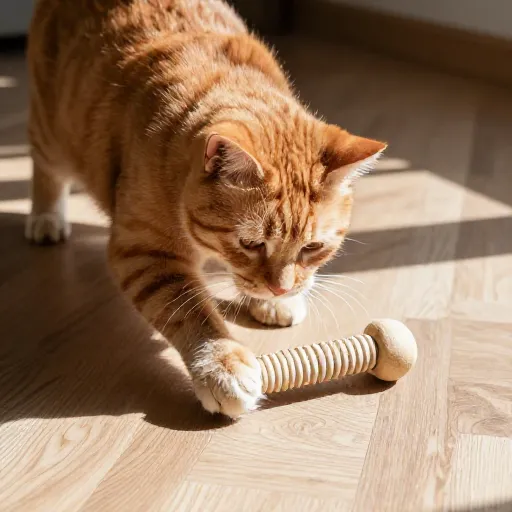
5. Incorporate Dental Toys
Cats love to chew, so why not make it useful? Dental toys have ridges and nubs that help clean teeth while they play. I got a rubber fish-shaped one that my cat bats around and then gnaws on.
Look for toys that are safe and non-toxic. Avoid anything too hard that could crack a tooth. Soft rubber or silicone is best. It’s a lazy way to improve dental health.
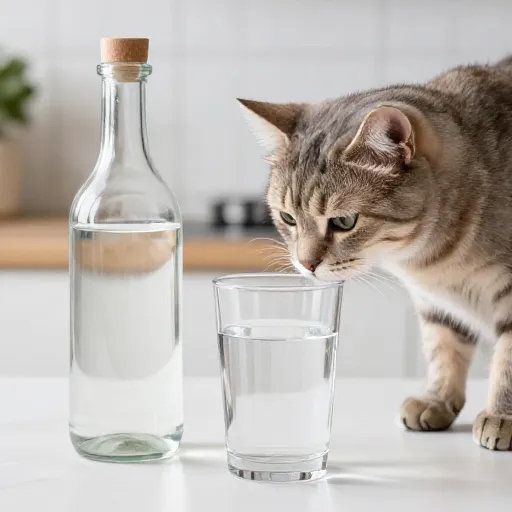
6. Add a Water Additive
Water additives are a lifesaver for cats who hate brushing. You just add a small amount to their water bowl. They’re tasteless (most of them) and help reduce plaque and bad breath.
I use one with enzymes that break down bacteria. Just make sure to change the water daily. It’s not a miracle cure, but it definitely helps between brushings.
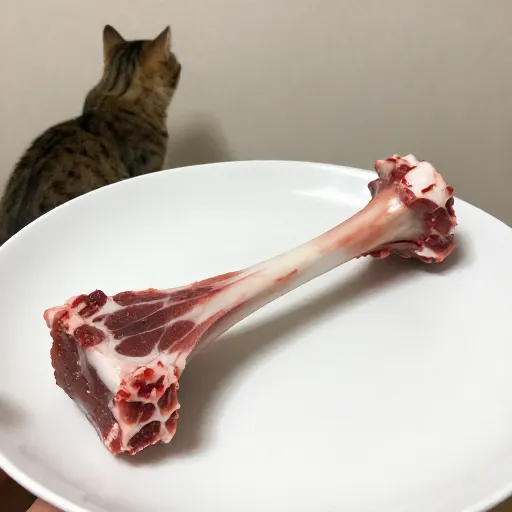
7. Offer Raw Bones (Supervised Only)
Raw chicken necks or wings can be great for dental health. The chewing action scrapes teeth naturally. But never feed cooked bones—they can splinter and cause serious harm.
Supervision is key. I give my cat a small raw neck once a week while I’m in the room. It’s messy but effective. Check with your vet first, especially if your cat has any health issues.
8. Make a Routine with the Same Time Each Day
Cats thrive on routine. I do my cat’s dental care right before their favorite meal. That way, they associate the brushing with something good. It also helps me remember to do it.
Pick a time that works for both of you. Morning or evening, doesn’t matter. Consistency makes the whole process less stressful for everyone. Even two minutes a day makes a difference.
9. Watch for Warning Signs at Home
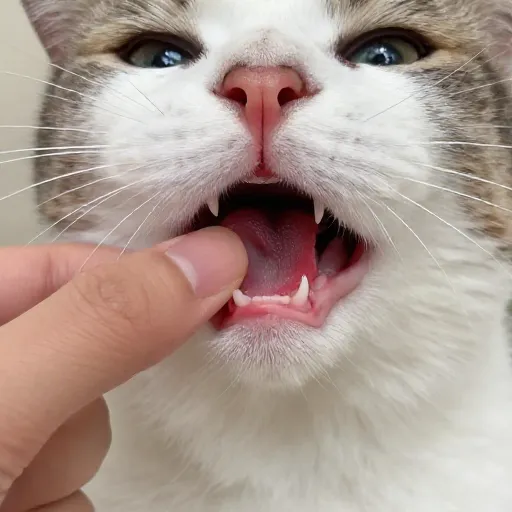
I check my cat’s mouth once a week. Look for red gums, loose teeth, or brown tartar buildup. Bad breath that smells like garbage is a red flag. If you see any of these, it’s time for a vet visit.
Don’t ignore it. Dental pain can make cats stop eating or become grumpy. Early detection saves them from a lot of discomfort (and saves you from expensive vet bills).
10. Use Dental Wipes for a Gentle Clean
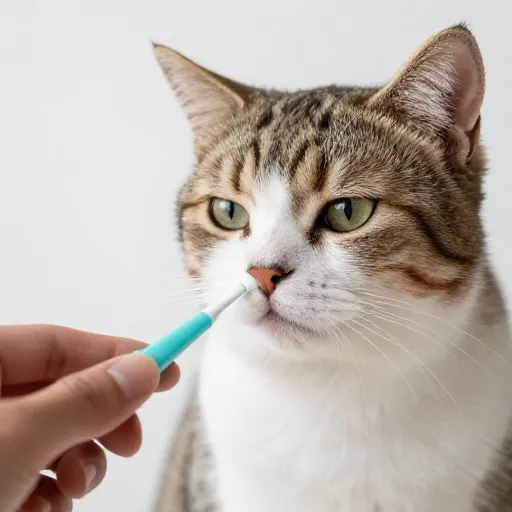
Dental wipes are pre-moistened cloths that you rub over your cat’s teeth and gums. They’re less invasive than a brush and perfect for sensitive cats. I keep a pack in my bag for travel.
Just wrap one around your finger and wipe. It’s quick and doesn’t require any special technique. My cat tolerates them way better than a toothbrush. Worth a try if brushing is a battle.
11. Feed a Dental Diet (Vet-Recommended)
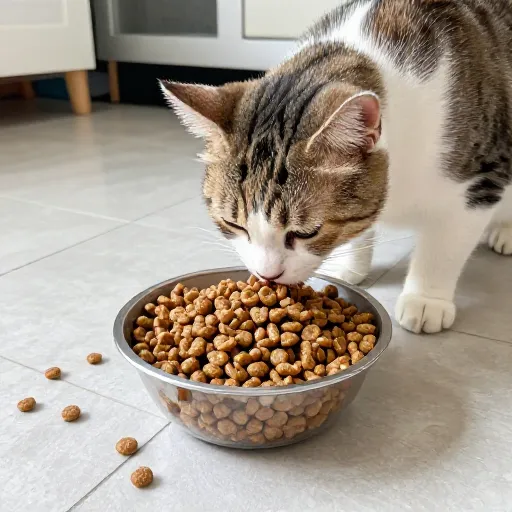
Some cat foods are specifically designed to reduce plaque. They have larger kibble that forces cats to chew more, which scrubs teeth. I switched to one and noticed less tartar within a few weeks.
Ask your vet for a recommendation. Not all dental diets are created equal. Some are prescription-only and work better for certain cats. It’s an easy swap that doesn’t require extra effort.
12. Schedule Regular Vet Checkups
No amount of home care replaces a professional cleaning. I take my cat for a dental checkup once a year. The vet can spot issues I’d never see, like hidden gum disease or tooth resorption.
Don’t wait until there’s a problem. Regular checkups keep their mouth healthy and catch problems early. It’s the most important step in their dental care routine. You can’t do it all alone.

Conclusion
Cat dental care doesn’t have to be a nightmare. Start small, be patient, and find what works for your cat. Even one or two of these tips can make a real difference in their health and happiness.
Remember, a healthy mouth means a healthier cat overall. And fewer stinky kisses. You’ve got this.
FAQ
How often should I brush my cat’s teeth?
Ideally, daily. But even brushing 2–3 times a week is better than nothing. Consistency is more important than perfection.
Are dental treats enough to clean my cat’s teeth?
Not entirely. They help reduce plaque but can’t replace brushing. Think of them as a supplement, not a solution.
What if my cat absolutely hates having their teeth touched?
Try water additives or dental toys instead. You can also use dental wipes. If they still resist, consult your vet for alternatives.
Can I use baking soda to clean my cat’s teeth?
No. Baking soda is too abrasive and can upset their stomach if swallowed. Always use cat-specific toothpaste.
When should I take my cat to the vet for dental problems?
If you see red gums, bad breath, loose teeth, or if your cat stops eating. Also, schedule a yearly dental checkup even if everything looks fine.