10 Healthy Homemade Cat Treats Your Kitty Will Love
I’ve always believed that the best way to show my cat love is through food. But when I started reading ingredient lists on store-bought treats, I was shocked by all the fillers and preservatives. That’s when I decided to start making my own.
Homemade cat treats are surprisingly easy to whip up. You probably already have most of the ingredients in your kitchen. Plus, you get total control over what goes into your cat’s body. No weird additives, no mystery meats—just real, wholesome food.
Here are ten simple recipes I’ve tested with my picky feline. Each one uses cat-safe ingredients and takes under 30 minutes. Your cat will thank you with purrs.
1. Simple Salmon Crunchies
These are my go-to treat for training sessions. Canned salmon is packed with omega-3s that keep your cat’s coat shiny. I just drain a can of wild salmon, flake it into small pieces, and spread them on a parchment-lined baking sheet.
Bake at 350°F for about 10 minutes until they’re dry and crispy. Let them cool completely before storing in an airtight jar. They keep for up to two weeks in the fridge.
My cat goes absolutely bonkers for these. The smell is strong but totally worth it for the happy dance she does.
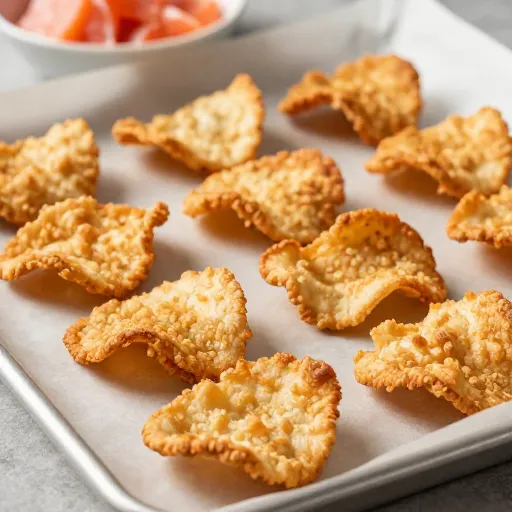
2. Tuna Temptation Bites
Every cat loves tuna, but you want to serve it in moderation. These little bites use just a small can of tuna in water. Mix it with one beaten egg and a tablespoon of oat flour until you get a dough-like consistency.
Roll into tiny marble-sized balls and flatten slightly. Bake at 350°F for 12 minutes. They come out soft in the center with a slightly crisp edge.
I make a double batch and freeze half. They thaw in minutes and taste just as fresh.
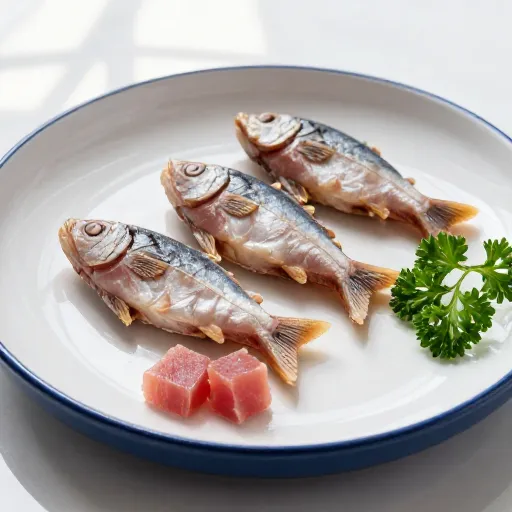
3. Chicken Liver Lickables
Chicken liver is a superfood for cats—full of iron and B vitamins. But it’s strong, so a little goes a long way. I cook one chicken liver in a pan with no oil until it’s just done inside.
Blend it with a tablespoon of plain pumpkin purée and a splash of water. Spoon tiny dollops onto a baking sheet. Bake at 300°F for 15 minutes.
- Use organic liver if you can
- Start with half a treat to test tolerance
- Store in fridge for up to five days
These are soft enough for senior cats with dental issues.
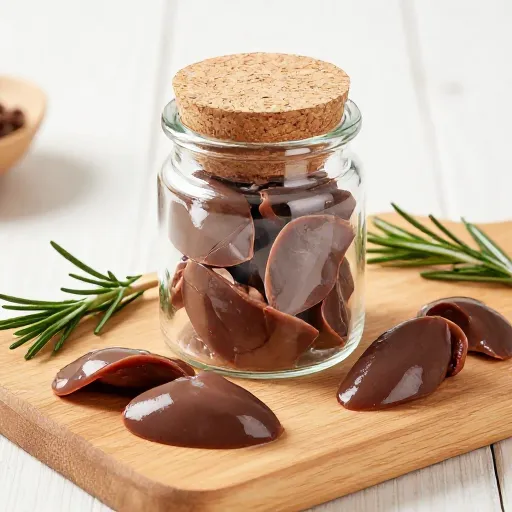
4. Cheesy Cat Crackers
Cheese is a treat, not a meal, but these crackers use just a sprinkle of sharp cheddar for flavor. Mix half a cup of whole wheat flour with a quarter cup of shredded cheese and two tablespoons of water.
Knead into a stiff dough, roll out thin, and cut into tiny squares. Poke holes with a fork and bake at 350°F for 10 minutes. They get nice and crunchy.
My cat loves the satisfying crunch. These are perfect for hiding medication in.
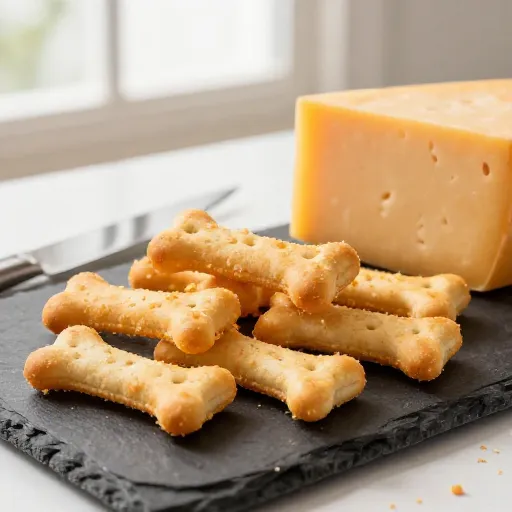
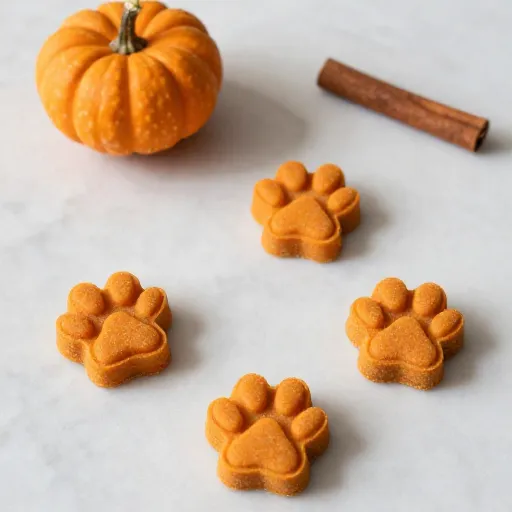
5. Pumpkin Paw Prints
Pumpkin is amazing for digestion. It helps both constipation and diarrhea. I use plain canned pumpkin—not pie filling—mixed with a bit of coconut flour and an egg.
Shape into small paw-like circles or use a tiny cookie cutter. Bake at 350°F for 12 minutes. The coconut flour gives them a slightly sweet, nutty aroma.
These are great for cats with sensitive stomachs. They’re also low in calories, so I use them as a daily reward.
6. Sardine Surprise Balls
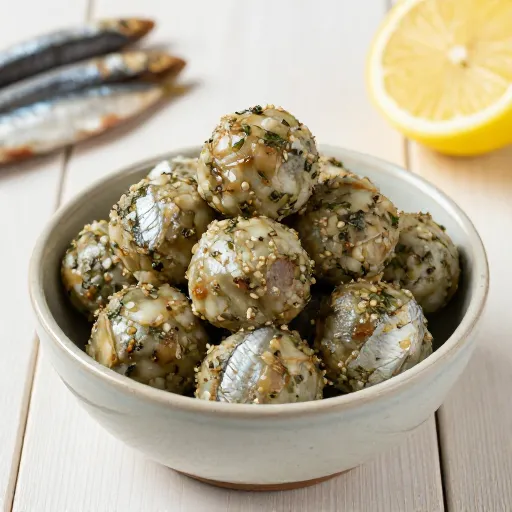
Sardines are tiny nutritional powerhouses. They’re loaded with taurine, which is essential for cat heart health. Mash one sardine packed in water with a tablespoon of cooked quinoa and a beaten egg yolk.
Roll into small balls and bake at 350°F for 10 minutes. The smell is strong, so your kitchen will smell like the sea for a bit. But your cat will follow you around begging.
- Choose sardines without added salt
- Mash thoroughly to avoid bones
- Freeze extras for up to a month
7. Minty Fresh Breath Bites
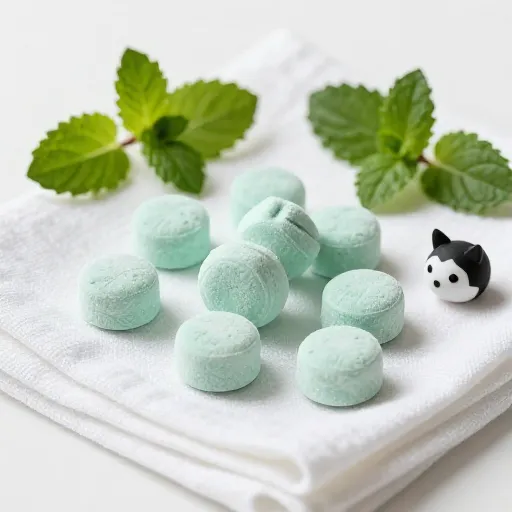
Cat breath can be rough. These treats use fresh catnip and a tiny bit of parsley to help freshen things up naturally. Mix a quarter cup of oat flour with a tablespoon of finely chopped catnip and a tablespoon of chopped parsley.
Add enough water to form a dough. Roll into tiny balls and bake at 325°F for 8 minutes. They should be soft, not crunchy.
I give these after wet food meals. They’re not a substitute for brushing, but they definitely help.
8. Baby Food Bliss Drops
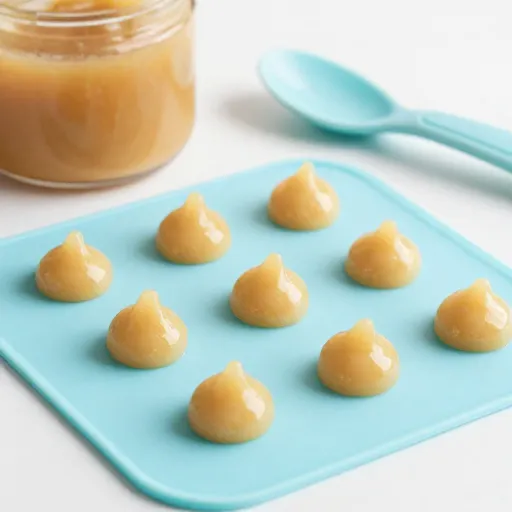
This is the easiest recipe on the list. Grab a jar of plain meat baby food—chicken or turkey with no onion or garlic powder. Spoon tiny drops onto a baking sheet lined with parchment.
Bake at 300°F for 8 minutes just to warm and slightly dry them out. They stay soft and melt-in-your-mouth easy.
Perfect for sick cats who need a little encouragement to eat. I always keep a jar in my pantry for emergencies.
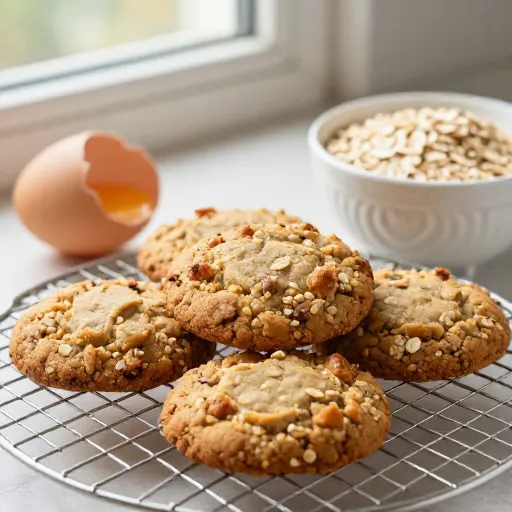
9. Egg and Oatmeal Cookies
Eggs are a great source of protein and amino acids. I scramble one egg without any butter or oil, then mix it with a tablespoon of cooked oatmeal. Let it cool and form small patties.
Bake at 350°F for 10 minutes. They come out fluffy and soft. My cat thinks she’s getting people food when I make these.
- Use plain rolled oats, not instant packets
- Make sure oatmeal is fully cooled
- Store in fridge for up to four days
10. Frozen Fishy Pops
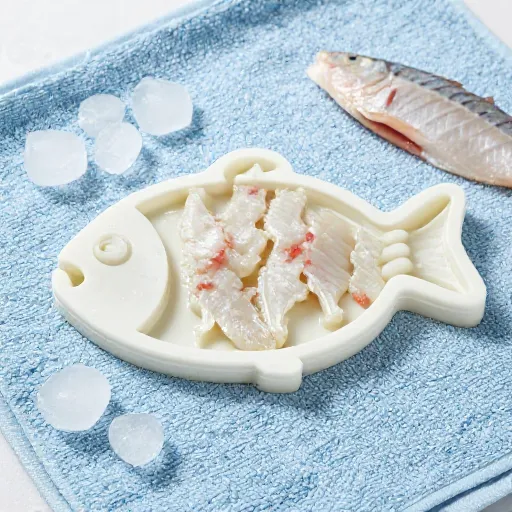
These aren’t baked, but they’re perfect for hot days. Blend a small can of mackerel in water with a little plain yogurt. Pour the mixture into ice cube trays or silicone molds.
Freeze for about two hours until solid. Pop one out on a plate and let it soften for a minute before serving. It’s like a cat popsicle.
My cat licks and nibbles at it for ten minutes. Great for keeping her hydrated during summer.
Conclusion
Making homemade cat treats doesn’t have to be complicated. These recipes use simple, safe ingredients that you probably already have. The best part is seeing your cat’s reaction to something you made with your own hands.
Start with one recipe and see how your cat responds. Every cat has different tastes, so don’t be afraid to adjust. And remember—these are treats, not meals. A few small pieces per day is plenty.
Your cat deserves real food made with love. I hope these recipes bring you both a little more joy at treat time.
[[IMG:IMG12]]
FAQ
Can I use all-purpose flour instead of oat flour?
Yes, but oat flour is gentler on digestion. If you use all-purpose flour, opt for whole wheat for more nutrients. White flour is fine in small amounts but offers no benefits.
How long do homemade cat treats last?
Most baked treats last 1–2 weeks in an airtight container in the fridge. Frozen treats can last up to 3 months. Always check for mold or off smells before serving.
Are these treats safe for kittens?
Kittens can eat these in tiny amounts, but stick to simple recipes like the baby food drops or egg cookies. Avoid liver and sardines until they’re at least six months old.
My cat is picky. What’s the most appealing recipe?
Start with the tuna temptation bites or simple salmon crunchies. Fish-based treats are almost universally loved by cats. If your cat still refuses, try warming the treat for a few seconds to release more aroma.
Can I use these treats for training?
Absolutely. The salmon crunchies and tuna bites are small and dry, making them perfect for training sessions. Just break them into even smaller pieces to keep the calorie count low.