How to Calm an Anxious Dog (Simple Tips That Actually Work)
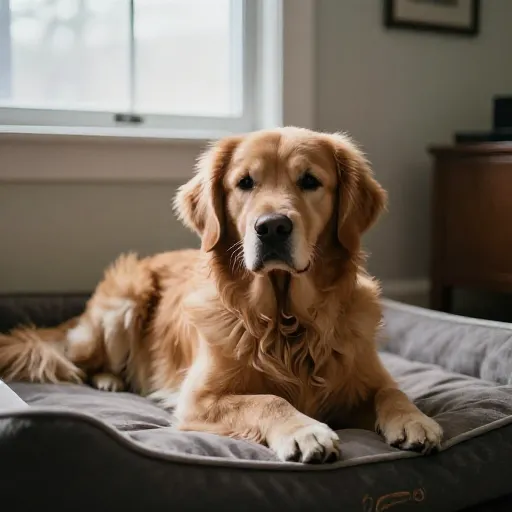
I remember the first time I saw my dog pacing, panting, and hiding behind the couch during a thunderstorm. My heart broke. I felt so helpless. Over the years, I’ve learned that anxiety in dogs is more common than we think. It can be triggered by loud noises, new people, or even a change in your daily routine.
The good news is that you don’t need to be a professional trainer to help your furry friend feel safe. I’ve tried dozens of methods, and I’m sharing the ones that truly made a difference for my own anxious pup. Let’s walk through simple, practical ways to bring calm back into your home.
Every dog is different, so be patient. What works wonders for one might not work for another. The goal is to find a few tools that become your go-to comfort kit.
1. Create a Cozy Safe Space
Dogs, like people, need a place to retreat when the world feels too loud. I turned a quiet corner of my living room into my dog’s personal sanctuary. A soft bed, a few of his favorite toys, and a blanket that smells like me did the trick.
Make sure this spot is away from busy foot traffic and windows. You can even drape a towel over a crate to make it feel like a little den. When your dog chooses to go there, let him be. It’s his way of saying, “I need a break.”
I always keep a chew toy in this space. Chewing is a natural stress reliever for dogs.

2. Use the Power of Touch
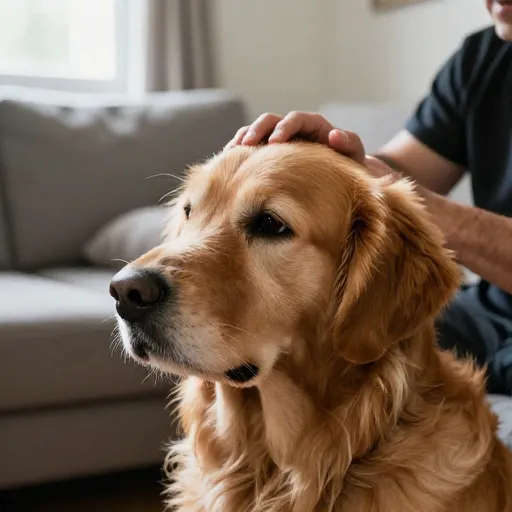
Gentle pressure can work wonders for an anxious dog. I learned about Anxiety Wraps or Thundershirts from a friend. These snug-fitting shirts apply constant, gentle pressure that feels like a hug. Many dogs settle down within minutes of wearing one.
You don’t have to buy one right away. Try wrapping a soft scarf or an elastic bandage loosely around your dog’s chest and torso. Just make sure it’s not too tight. Watch how he reacts—most dogs find this deeply calming.
For me, it’s become a go-to before vet visits or during fireworks.
3. Calm Music and White Noise
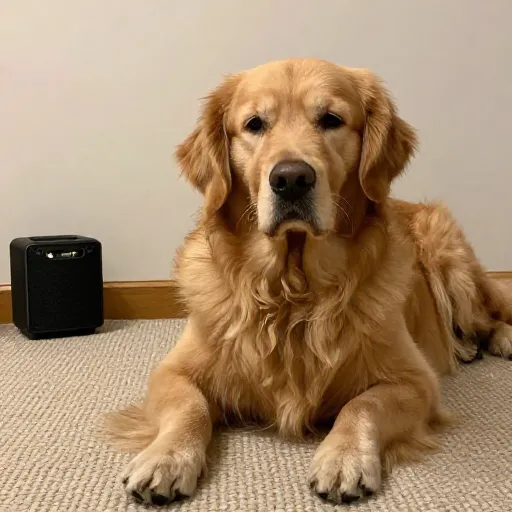
Silence can actually make anxiety worse because every little sound feels louder. I started playing soft classical music during storms, and my dog stopped trembling. There are even playlists made specifically for dogs with slower tempos and soothing instruments.
White noise machines work great too. They drown out scary noises like construction or doorbells. I keep a small fan running in my dog’s safe space. The steady hum is like a lullaby for his nervous system.
Try it during your dog’s next stressful moment. You might be surprised at how fast he relaxes.
4. Try a Simple Massage Technique
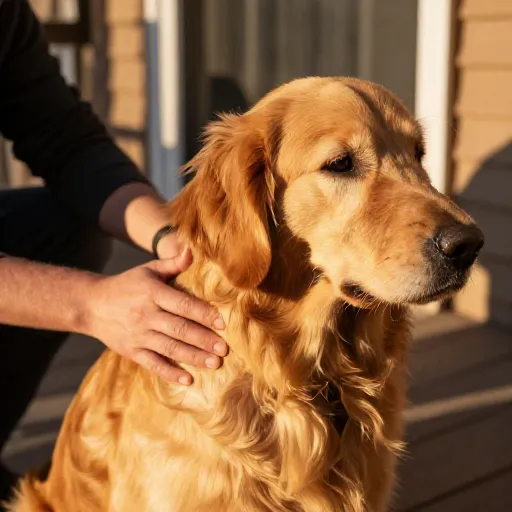
I used to think dog massage was just for fancy spas. Then I tried it during a particularly bad thunderstorm. I placed my hands gently on his shoulders and used slow, circular motions. His breathing slowed down almost immediately.
Focus on areas where dogs hold tension: the base of the ears, the shoulders, and along the spine. Use long, gentle strokes. Talk in a soft, low voice while you do it. Your calm energy will transfer to him.
This is also a beautiful bonding moment. My dog now comes to me when he feels anxious and nudges my hand.
5. Engage His Nose with Sniffing Games
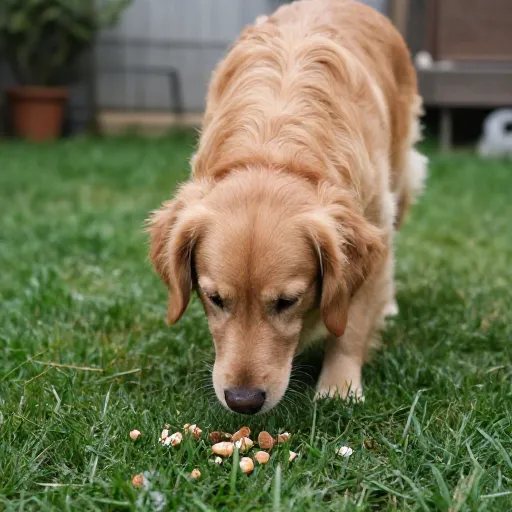
Sniffing is a natural way for dogs to calm themselves. It lowers their heart rate and shifts their focus. I hide treats around the house and let my dog “find” them. It’s like a treasure hunt that keeps his mind busy.
You can also use a snuffle mat. Sprinkle some kibble in it and watch him sniff for ten minutes. Licking works too. A lick mat with a little peanut butter (xylitol-free!) is a game-changer during stressful moments.
These activities are easy and don’t require any special skills.
6. Stick to a Predictable Routine
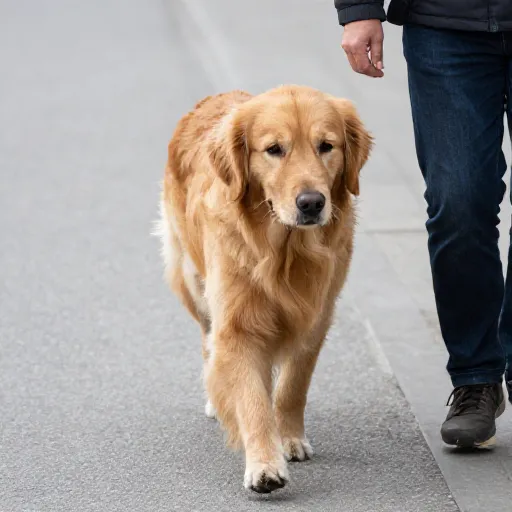
Dogs thrive on knowing what comes next. When their world feels unpredictable, anxiety spikes. I noticed my dog was calmer on days when we stuck to the same schedule for walks, meals, and bedtime.
Even small rituals help. I always give him a treat after his morning walk. He now expects it and feels secure. If you know a stressful event is coming (like a visitor), try to keep the rest of the day as normal as possible.
Routine doesn’t have to be rigid. Just consistent enough that your dog feels safe.
7. Teach a “Calm Down” Cue
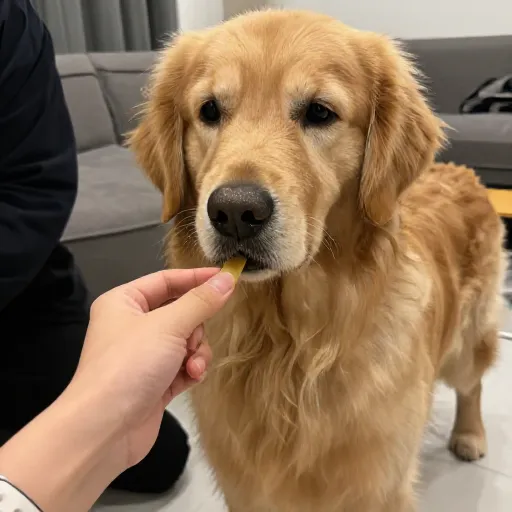
I trained my dog to lie down on a specific mat when I say “settle.” It took time, but now it’s his automatic response when he feels overwhelmed. Start by rewarding him for lying down naturally. Then add the word “settle” right as he does it.
Practice this during quiet moments first. Over time, he will associate the word with a relaxed state. I use this before guests arrive or when I see his tail start to tuck.
It’s not magic, but it gives him a clear job to do, which helps him focus.
8. Exercise, But Not Too Much
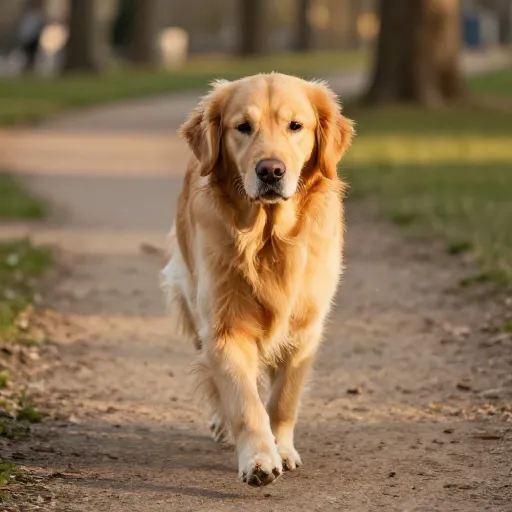
A tired dog can be a calm dog, but there’s a catch. Over-exercising can actually make some dogs more anxious. I used to run my dog for miles, thinking it would tire him out. Instead, he became hyper-vigilant and restless.
Now I focus on moderate, consistent exercise. A good walk with plenty of sniffing stops is better than a frantic run. Mental exercise counts too. A short training session or puzzle toy can be just as tiring as a long walk.
Listen to your dog. If he seems wired after exercise, dial it back.
9. Offer a Calming Chew or Lick
Chewing and licking release endorphins that naturally calm dogs. I keep a stash of long-lasting chews (like bully sticks or yak chews) for stressful times. Frozen treats are amazing too. I fill a Kong with plain yogurt and freeze it.
Licking mats with wet food or pumpkin puree work wonders. The repetitive motion soothes their brain. I always supervise my dog with chews to make sure he’s safe.
This is my secret weapon for nail trims and car rides.

10. Stay Calm Yourself
Dogs are masters at reading our emotions. If I’m tense and worried, my dog feels it instantly. I learned to take a deep breath before trying to calm him. I lower my voice, slow my movements, and act as if everything is totally fine.
Your calm presence is the most powerful tool you have. When you act confident and relaxed, your dog will mirror you. It’s not always easy, but it’s effective.
I remind myself: I am his safe harbor. When I’m calm, he can be calm too.
Conclusion
Helping an anxious dog is a journey, not a quick fix. Some days will be harder than others. Be kind to yourself and your pup. You are learning together. Start with one or two of these ideas and see what sticks. Your dog will thank you with a wagging tail and a peaceful heart.
Remember, you know your dog best. Trust your instincts. And when in doubt, a little extra patience and love always help.
[[IMG:IMG12]]
Frequently Asked Questions
Q: Can I give my dog something natural to calm him?
Yes, many owners find success with calming treats that contain ingredients like chamomile, L-theanine, or CBD (check your local laws). Always talk to your vet before giving your dog any supplement.
Q: How do I know if my dog’s anxiety is serious?
If your dog is destructive, hurting himself, or refusing to eat for more than a day, it’s time to see a vet. They can rule out medical issues and suggest professional help.
Q: Will my dog grow out of anxiety?
Some puppies grow out of mild fears, but most anxious dogs need help learning to cope. With your support, many dogs improve significantly over time.
Q: Should I punish my dog for anxious behavior?
Never. Punishment makes anxiety worse. Your dog isn’t being “bad.” He is scared. Focus on comforting him and teaching him that he is safe.
Q: How long does it take for these tips to work?
It varies. Some dogs respond immediately to music or a massage. Others need weeks of consistent routine. Be patient and celebrate small wins.