How to Check a Dog’s Breathing and Responsiveness in an Emergency: 10 Simple Steps That Could Save Your Dog’s Life
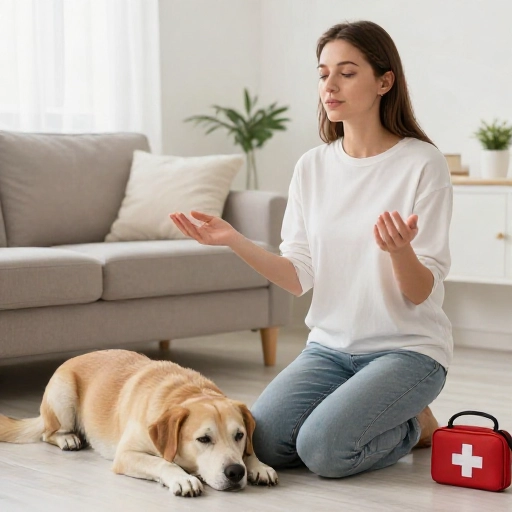
When my dog once went limp after a bee sting, my brain went completely blank. I wish I had known then what I know now: checking breathing and responsiveness is simple, and it buys precious time. This guide walks you through it in plain English, step by step.
Whether you’re a new puppy parent or a seasoned dog lover, you can do this. You don’t need medical tools. You just need calm hands, sharp eyes, and a plan. Let’s go through the exact checks I use when something feels wrong.
1. Stay Calm and Keep Yourself Safe First
The first thing I do is take one slow breath. Panic makes my hands shake, and my dog picks up on that. I also check for danger: traffic, electricity, another aggressive dog, or anything that could hurt us both.
I never put my face right next to an injured dog’s mouth. Even the sweetest dog can bite when scared or in pain. If I can, I muzzle them gently with a soft leash or cloth—only if they’re breathing and it won’t stress them more.
Then I kneel beside them, not over them. That keeps me safe and helps me focus on the next checks.
2. Look for Signs of Breathing from a Distance
Before I touch my dog, I watch from a few feet away. I’m looking for the basics: chest rising and falling, nostrils flaring, or a little puff of air on a cold day.
I also listen. A healthy dog breathes quietly. Noisy gasping, whistling, or a long pause between breaths tells me something is wrong.
If I see nothing after 5 to 10 seconds, I move closer and check more directly. Those few seconds feel like forever, but they matter.
3. Gently Check if Your Dog Is Responsive
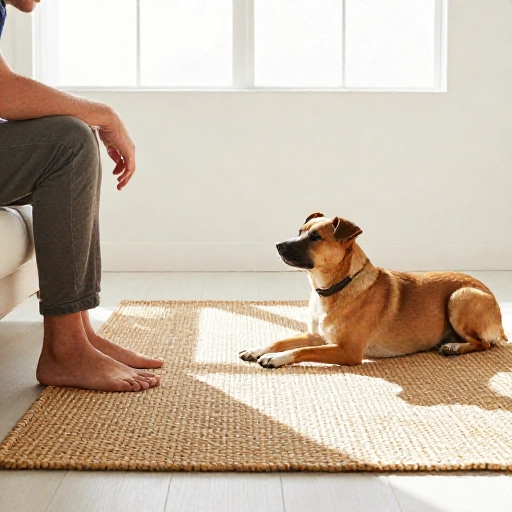
I say their name in a normal, cheerful voice. Then I call louder: “Rover! Cookie!” If their ears twitch or they blink, that’s a good sign.
If there’s no reaction, I gently tap their shoulder or rub their chest. I don’t shake them. I don’t slap them. I just want to see if they respond to touch.
No response to voice or touch means they’re unresponsive. That’s my cue to move faster and get help.
4. Watch the Chest and Belly for Movement
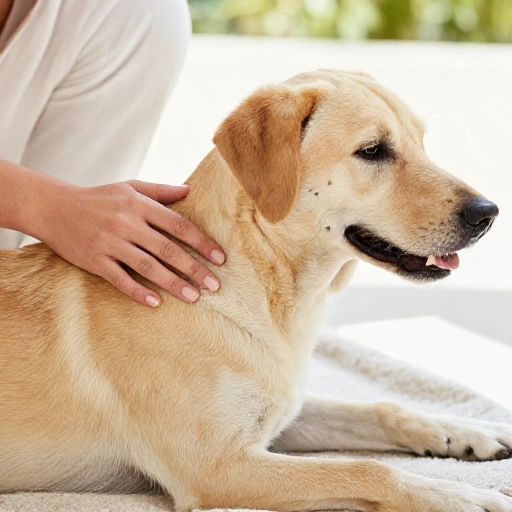
I place my dog on their side if it’s safe to do so. Then I stare at the chest and the area just behind the ribs. In most dogs, the chest moves out and in with each breath.
I count for 10 seconds. If I see 2 to 6 breaths in that time, that’s roughly 12 to 36 breaths per minute—a normal range for many dogs. Small dogs breathe faster; large dogs often breathe slower.
If the movement is very shallow or only the belly moves, I keep watching and prepare to help.
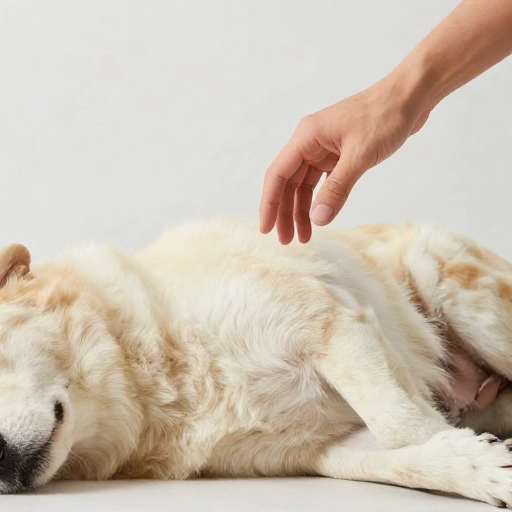
5. Feel for Air Against Your Hand or Cheek
When I can’t tell if my dog is breathing, I hold a flat hand in front of their nose. I also hold a small mirror or my phone screen near their nostrils—fog means air is moving.
I never block the nose. I just hover close. Sometimes I feel a tiny warm puff, and that’s a huge relief.
If I feel nothing, I don’t wait. I check the gums next and get ready to start CPR if I’ve been trained.
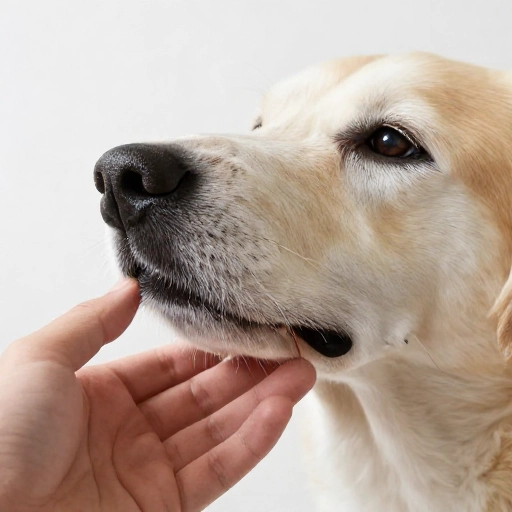
6. Check the Gums and Tongue for Color
I lift my dog’s lip gently and look at the gums. Healthy gums are pink and moist, like bubblegum. They should turn white briefly when I press them, then pink up again within 2 seconds.
Blue, grey, white, or bright red gums are emergency colors. They mean oxygen isn’t getting where it needs to go. I take a mental snapshot and tell the vet.
I also note if the gums feel dry or sticky. That can mean dehydration or shock.
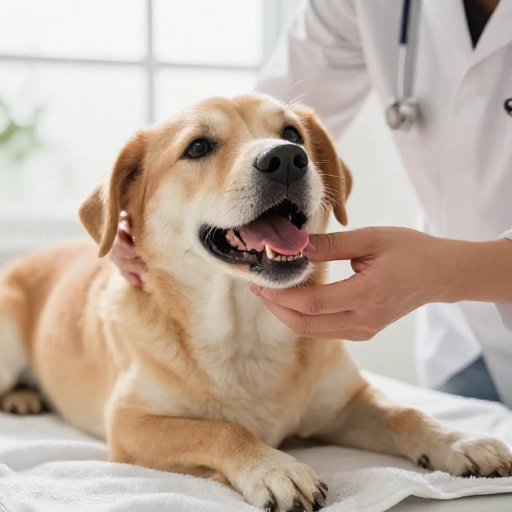
7. Find the Pulse (Femoral Artery) if You Can
The easiest pulse to find is on the inside of the back leg, where the leg meets the body. I place two fingers flat there—not my thumb, because my own pulse can confuse me.
I press gently and feel for a beat. A normal dog heart rate is often 60 to 140 beats per minute, but it can be higher in small dogs or when they’re scared.
If I can’t find a pulse, I don’t panic. I focus on breathing and responsiveness first. Pulse checks are helpful, but they’re not the only sign.
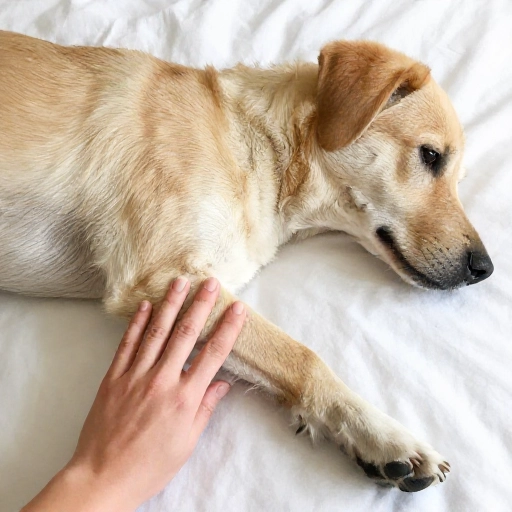
8. Know the Difference Between Breathing and Gasping
Gasping looks like breathing, but it’s not real breathing. It’s a reflex—slow, deep, noisy gulps with long pauses. I’ve seen it once, and it scared me.
If my dog is gasping, I don’t assume they’re getting air. I check the gums and responsiveness right away. Gasping often means the heart has stopped or is about to stop.
That’s when I call the emergency vet and start CPR if I know how. If I don’t know how, I ask the vet to talk me through it.
9. When to Start CPR and Call for Help
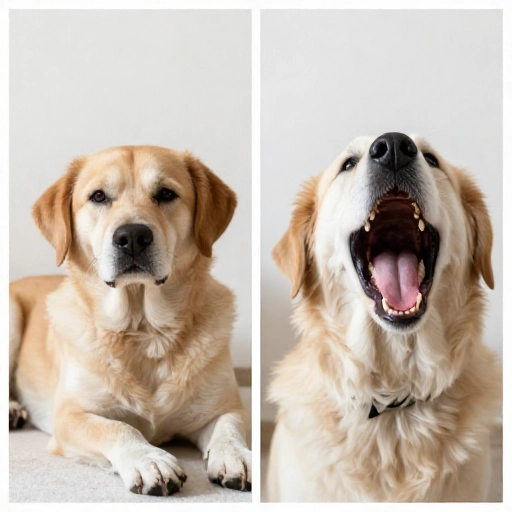
I start CPR only if my dog is unresponsive and not breathing normally. I don’t start if they’re breathing, even if they’re unconscious. CPR can hurt a breathing dog.
I call the emergency vet or a pet poison hotline on speakerphone while I work. I tell them the breed, weight, what happened, and what I’ve checked.
If I’m alone, I do 2 minutes of CPR, then call. If I have someone with me, they call while I do compressions. Teamwork saves time.
10. What to Do After You Check (Keep Them Warm, Transport, Info for Vet)
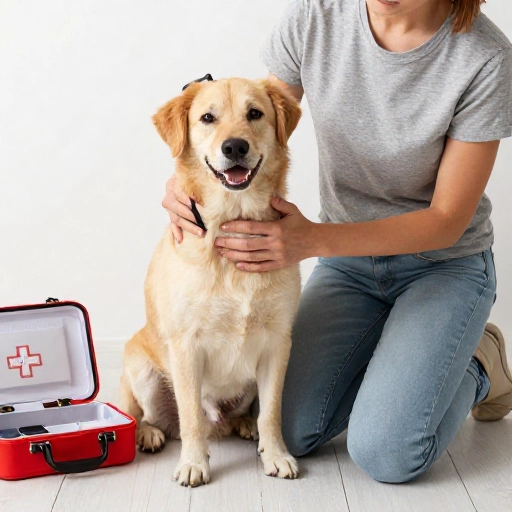
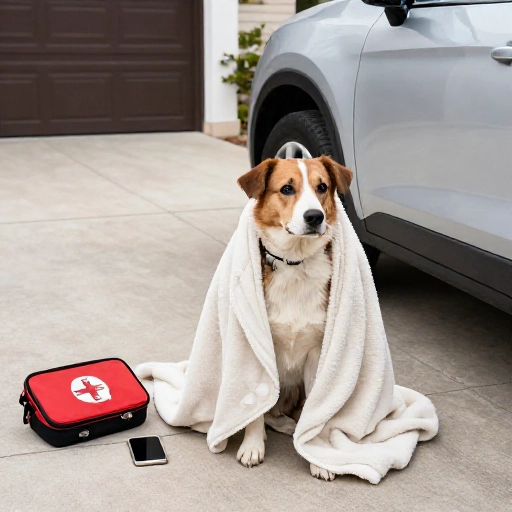
Once I know whether my dog is breathing and responsive, I keep them calm and warm. I wrap them in a blanket or jacket, but I don’t cover their face.
I gather quick facts for the vet: when it started, what they ate, any meds, and how many breaths I counted. I put the phone on speaker so I can keep my hands free.
If I can safely move them, I use a flat board or a sturdy blanket as a stretcher. I keep their head level with their body and drive carefully but quickly.
Final Thoughts
Checking a dog’s breathing and responsiveness isn’t about being a vet. It’s about being present. Those first 30 seconds can change everything.
Practice these steps when your dog is healthy. Touch their gums, feel their pulse, watch their chest. When you know their normal, you’ll spot abnormal faster. And you’ll act with more confidence when it counts.
FAQ: Dog Breathing and Responsiveness
Q: How can I tell if my dog is breathing?
A: Watch the chest rise and fall, listen for quiet air movement, and feel for a warm puff near the nose. If you’re unsure, hold a mirror or phone screen by the nostrils—fog means breathing.
Q: What if my dog is unresponsive but breathing?
A: Keep them warm, stay calm, and call your emergency vet right away. Don’t shake them or put anything in their mouth. Monitor their breathing until help arrives.
Q: Where do I check a dog’s pulse?
A: The easiest spot is the inner thigh where the back leg meets the body. Use two flat fingers, not your thumb, and press gently until you feel a beat.
Q: Should I do CPR if my dog is gasping?
A: Gasping is not normal breathing. If your dog is unresponsive and gasping, call the vet and start CPR only if you’ve been trained. If not, ask the vet to guide you.
Q: How long can a dog go without breathing?
A: Every second counts. Brain damage can begin within minutes without oxygen. That’s why checking quickly and calling for help right away is so important.