How to Describe Your Dog’s Symptoms During a Vet Phone Call (So You Get Help Fast)

It’s 9 p.m. on a Sunday, and my dog just threw up for the third time. My heart is pounding, my hands are shaky, and I’m about to call the vet — but I have no idea what to say first. Sound familiar?
Here’s what I’ve learned after way too many panicked phone calls: the vet isn’t expecting you to sound like a medical professional. They just need clear, specific details so they can decide whether you should come in right now or watch your dog at home. The difference between “he’s acting weird” and “he’s been pacing and panting for two hours and won’t lie down” can literally change the advice you get.
So let’s walk through exactly how to describe your dog’s symptoms during a vet phone call — what to say, what to have ready, and the little details that matter more than you’d think.
1. Start With the One-Line Summary
Before you dive into the whole story, give the vet a quick headline. Something like: “My 6-year-old lab has been vomiting since this morning and now he won’t eat.” That one sentence tells them the species, the age, the main problem, and the timeline.
I used to launch straight into a five-minute recap of my entire day, and the receptionist would gently cut me off to ask what was actually wrong. Leading with the headline saves everyone time — and if it’s an emergency, it gets you triaged faster.
Think of it like a news headline: who, what, how long. You can fill in the details after they ask.
2. Have the Basics Ready Before You Dial
The first thing most clinics ask is your dog’s age, breed, weight, and whether they’re neutered or spayed. Having that on a sticky note near the phone means you’re not scrambling while your dog stares at you like you’re the one who’s sick.
Also worth having handy: any medications your dog takes, the name of your regular vet if you’re calling an emergency clinic, and your dog’s approximate weight in pounds. Weight matters because it affects dosing decisions.
I keep a little note in my phone with all of this for both my dogs. It takes two minutes to set up and saves me every single time.

3. Describe What You Actually See, Not What You Think It Is
This one changed everything for me. Instead of saying “I think he has bloat,” say “his belly looks swollen and it sounds hollow when I tap it.” Instead of “she seems neurologic,” say “she’s tilting her head to the left and stumbling when she walks.”
Vets are detectives. They want the raw clues, not your diagnosis. When you hand them symptoms instead of conclusions, they can ask better follow-up questions and reach the right answer faster.
It’s also okay to say what you suspect — just put the observation first, then your worry. “He’s had diarrhea for two days and I’m worried about dehydration” works great.
4. Put a Number on It
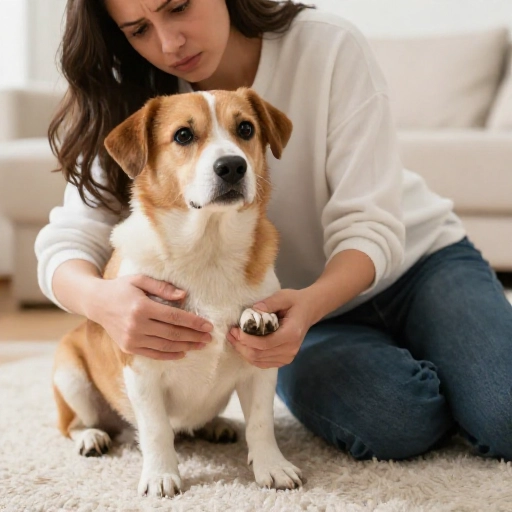
Vague words like “a lot” or “a few times” mean different things to different people. Numbers are gold. How many times did your dog vomit? How many diarrhea episodes? How long has it been going on — hours, days, a week?
If your dog is drinking, how much? Did they finish a whole bowl or just take a few laps? If they’re limping, is it every step or just when they turn?
You don’t need to be exact. “Around six times since noon” or “I’d say three or four times yesterday” gives the vet way more to work with than “a bunch.”

5. Use the COLOR, TEXTURE, and SMELL Details
Gross? Yes. Useful? Incredibly. If your dog is vomiting or having diarrhea, the vet will almost always ask what it looked like. Here’s what they’re listening for:
- Color: bright red blood, dark coffee-ground material, yellow bile, white foam
- Texture: watery, mucusy, formed, undigested food
- Contents: grass, plastic, bones, fabric, hair, foreign objects
- Smell: sweet, metallic, or unusually foul (this can hint at specific issues)
I know it’s awkward, but snapping a quick photo of the vomit or stool before you clean it up is honestly one of the smartest things you can do. Vets love a good photo.
6. Mention Energy, Appetite, and Attitude
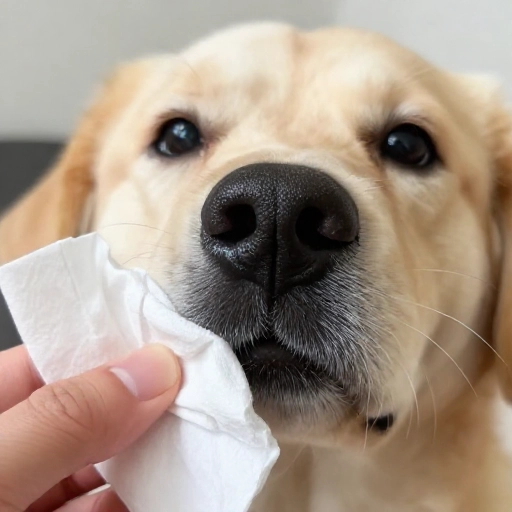
Sometimes the biggest clue isn’t the symptom itself — it’s how your dog is acting overall. A dog with a mild upset stomach might still wag their tail and beg for treats. A dog in real trouble goes quiet.
Tell the vet: Is your dog eating and drinking normally? Are they greeting you at the door like usual? Do they want to go for walks? Or are they hiding under the bed and ignoring everyone?
That last one matters a lot. “She’s hiding and doesn’t want to be touched” is a much more concerning sentence than “she threw up once but she’s totally normal otherwise.”
7. Talk About Breathing, Gums, and Gum Color
These are the vitals you can actually check at home, and they can be the difference between “come in tomorrow” and “come in right now.”
Listen to your dog’s breathing at rest. Is it fast, noisy, or labored? Are their sides heaving? For gum color, lift the lip and look at the tissue above the teeth. Healthy gums are pink. Pale, white, blue, or brick-red gums mean call immediately.
You can also press your finger on the gum and see how fast the color returns — under two seconds is normal. Slower than that is worth mentioning.

8. Note the Timeline and What Changed
Vets think in timelines. When exactly did this start? Was it sudden or gradual? Has it gotten worse, better, or stayed the same?
Also mention anything that happened right before. Did your dog get into the trash? Eat a new food? Have a vaccine or medication? Travel somewhere new? Meet other dogs at the park?
I once mentioned in passing that my dog had eaten a sock three days earlier, and that detail completely changed the vet’s suspicion. What feels like an unimportant side note to you can be the missing puzzle piece.

9. Be Honest About the Awkward Stuff
If your dog ate something they shouldn’t have — chocolate, a whole chicken bone, marijuana, human medication — say so. Vets are not there to judge you. They’ve heard everything, and they need the truth to treat your dog correctly.
Same goes for missed medications, expired flea treatments, or the fact that your dog hasn’t been to the vet in three years. It’s all relevant.
The worst thing you can do is leave out a detail because you’re embarrassed. That’s how treatments get delayed and problems get missed.
10. Ask These Three Questions Before You Hang Up
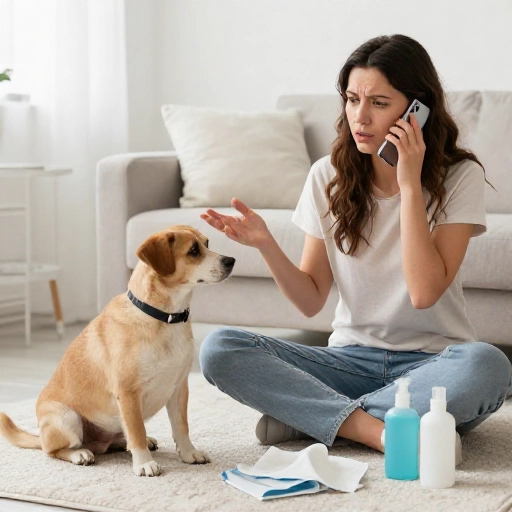
Once you’ve described everything, don’t just say thanks and hang up. Get clear instructions. I always ask:
- Should I bring her in now, or can we wait and watch?
- What warning signs mean I need to call back immediately?
- Is there anything I can do at home in the meantime?
Write down the answers, or ask the person to repeat them if you’re stressed. When your dog is sick and you’re worried, it’s easy to forget half of what was said.
And remember: describing symptoms well isn’t about sounding smart. It’s about helping someone else help your dog as fast as possible.

Wrapping It Up
The first time I called a vet in a panic, I rambled for four minutes and forgot to mention my dog’s age. Now I keep a note on my fridge with the basics, and I lead with the headline before anything else. It’s a small habit that makes a huge difference.
You already know your dog better than anyone. You just need a system to get that knowledge across the phone line. Start with the summary, use numbers, describe what you see, and don’t skip the awkward details. Your vet will thank you, and your dog will get help faster.
Frequently Asked Questions
What should I say first when I call the vet about my dog?
Lead with a one-sentence summary: your dog’s age, the main symptom, and how long it’s been happening. Something like “My 4-year-old beagle has been limping on her back leg since yesterday.”
Should I describe symptoms or my guess at a diagnosis?
Describe what you actually see first, then share your worry if you want. Vets want raw observations — “she’s panting heavily” — more than conclusions like “I think it’s anxiety.”
Is it okay to send a photo or video of my dog’s symptom?
Yes, many clinics love this. Photos of vomit, stool, a limp, or a skin issue can help the vet assess faster. Just ask if they accept texts or emails before sending.
What details are most important in an emergency?
Breathing trouble, gum color changes, collapse, seizures, suspected poisoning, or a distended belly. If any of these are happening, call immediately and say “this is an emergency” right away.
What if I forget details during the call?
That’s normal. Keep a notepad ready, ask the vet to repeat their instructions, and write down what warning signs mean you should call back. You can always call again if something changes.